Thailand Root Canal for Broken Teeth
**Thailand Root Canal for Broken Teeth**
A broken tooth can be a big problem, especially when it causes pain or affects your daily life. In Thailand, dental care is well-known not only for its affordable prices but also for its high quality. One of the most common treatments for a broken tooth, especially if the inner nerve or pulp is affected, is a root canal. Understanding how root canal treatment works here, what to expect, and why many people choose Thailand for this procedure can help you feel more confident about seeking care.
---
### Why Root Canal Treatment is Needed for Broken Teeth
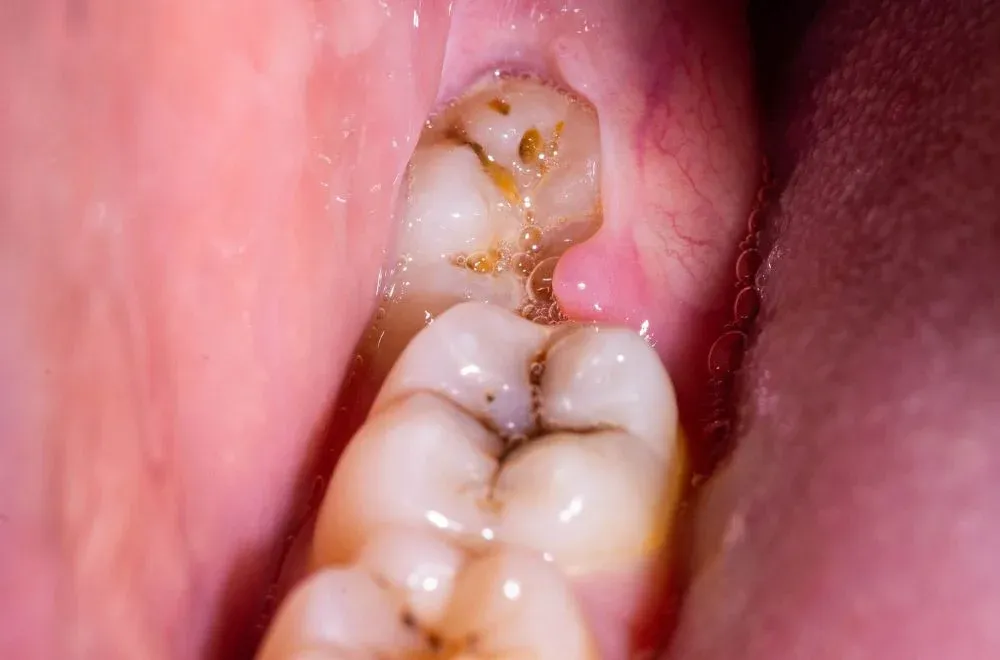
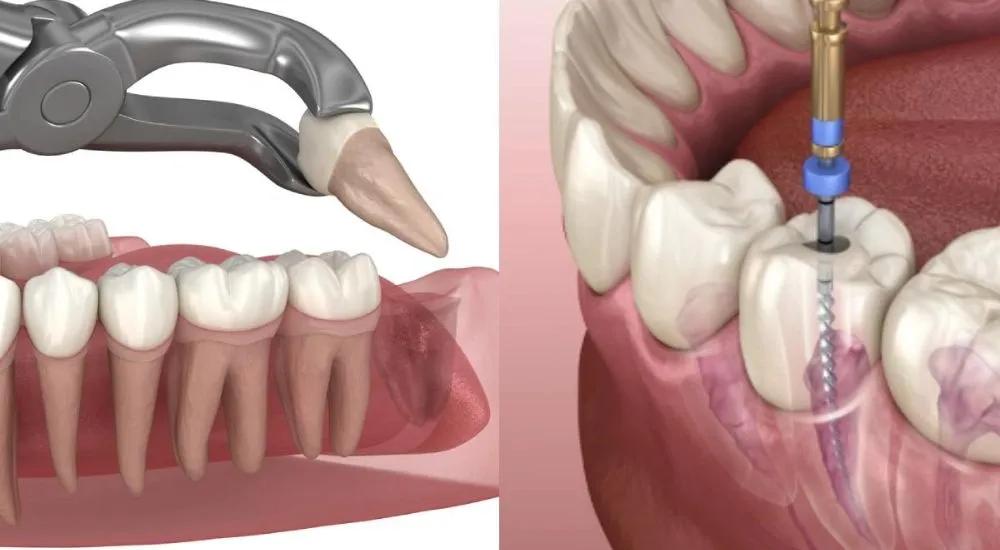
When a tooth breaks, whether from biting something hard, an accident, or wear over time, it can expose the sensitive inner part of the tooth. If bacteria enter this area, infection can occur, leading to swelling, pain, and even tooth loss. A root canal removes the damaged pulp, cleans the inside of the tooth, and seals it to prevent future problems.
In Thailand, dentists often recommend a root canal for broken teeth that cannot be fixed with simple fillings. This procedure saves the natural tooth, meaning you can still use it for normal eating and speaking without needing a full extraction.
---
### The Process of Getting a Root Canal in Thailand
Visiting the dentist in Thailand is generally straightforward. Many clinics, especially in cities like Bangkok, Chiang Mai, and Phuket, cater both to local patients and international visitors. Here’s what usually happens when you go for a root canal for a broken tooth:
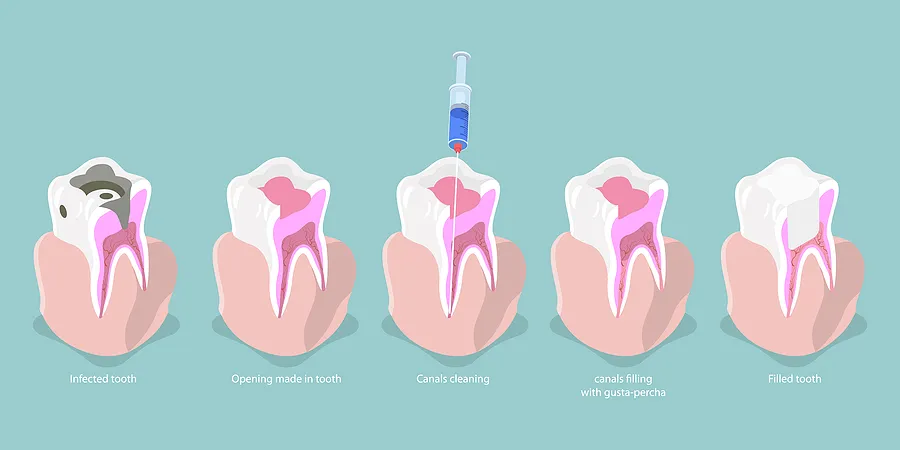
1. **Initial Consultation and X-Ray**
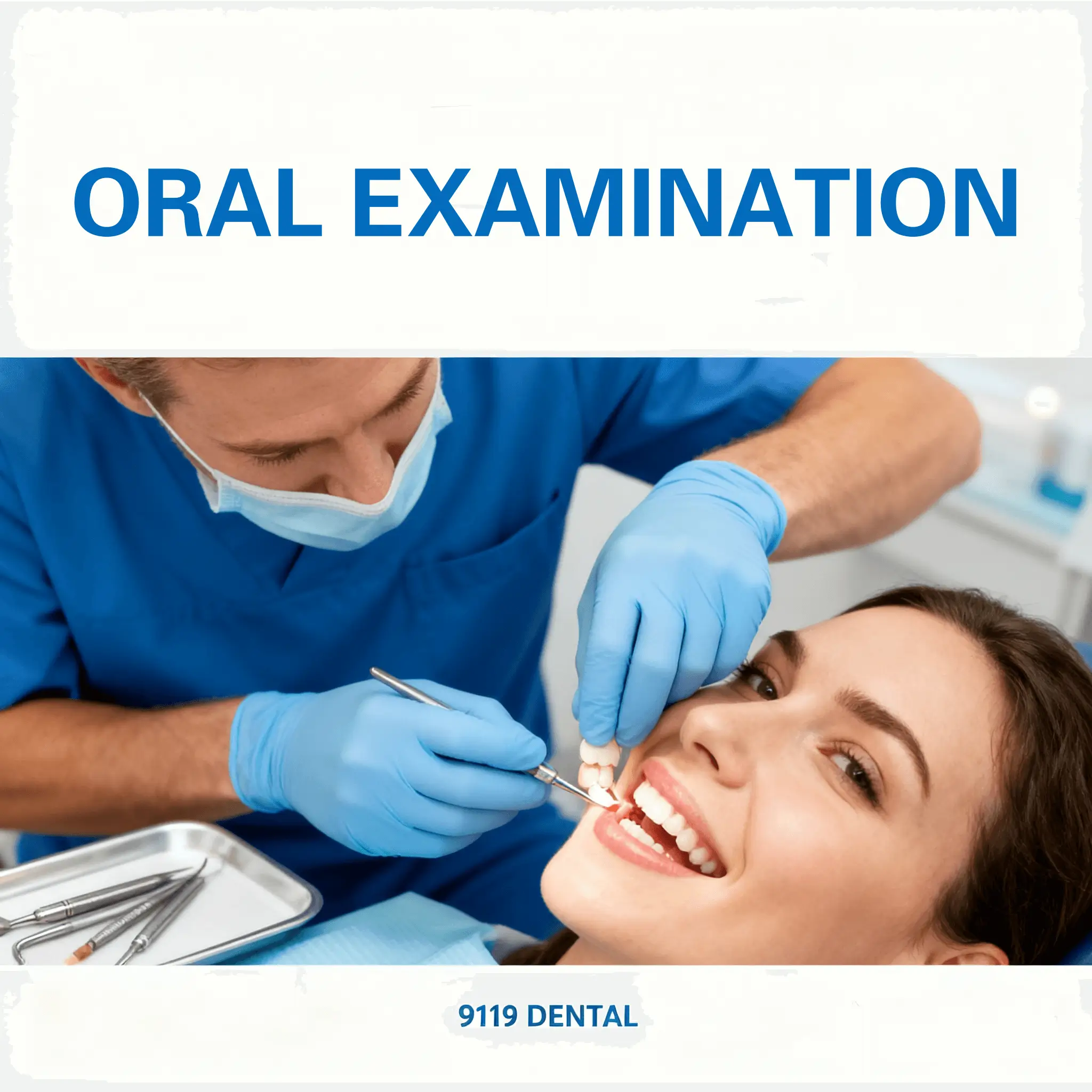
The dentist will examine the tooth and take an X-ray to see the extent of the damage. In Thailand, X-rays are quick, affordable, and done on the spot.
2. **Local Anesthesia**
Before starting, the dentist will use local anesthesia to numb the area so you don’t feel pain during the procedure.
3. **Cleaning the Tooth**
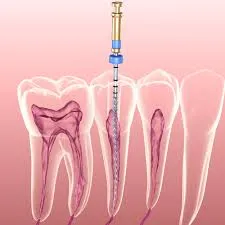
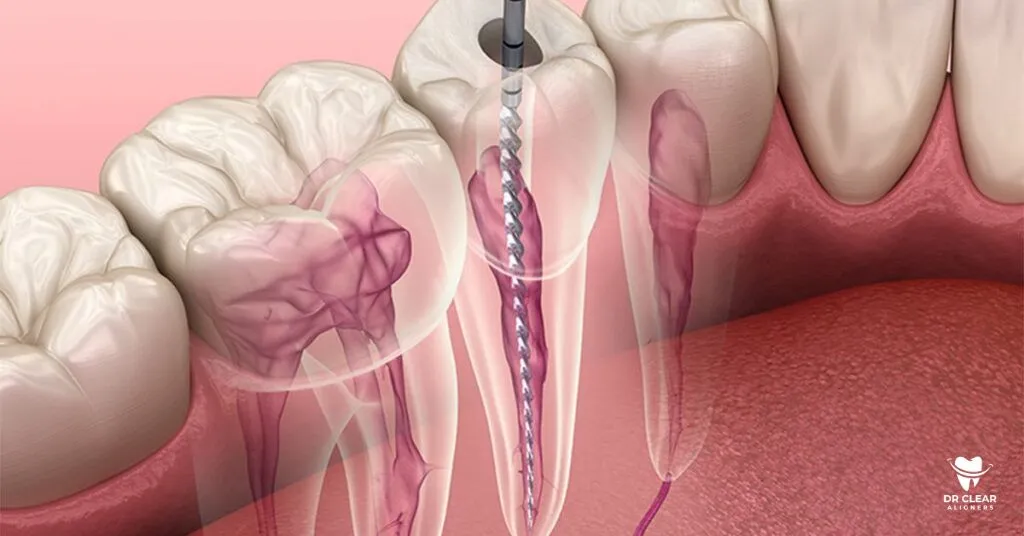
The broken tooth is opened carefully, and the infected or damaged pulp is removed. Special tools help clean the inside thoroughly.
4. **Shaping and Filling**
Once cleaned, the inside of the tooth is shaped and then filled with a material to seal it and protect against bacteria.
5. **Restoring the Tooth**
In many cases, a crown is placed over the tooth after the root canal to restore strength and appearance, especially if the break was large.
---
### Benefits of Having Root Canal Treatment in Thailand
**Affordability:**
Compared to dental care in countries like the USA, Australia, or Europe, root canal prices in Thailand can be significantly lower, often by half or more, without sacrificing quality.
**Quality Care:**
Dentists in Thailand are usually highly trained, with many having studied overseas. Clinics often use modern technology, and hygiene standards are internationally recognized.
**Convenience:**
Appointments can often be arranged quickly, sometimes even the same day. For travelers dealing with unexpected tooth problems, this
is a big advantage.
**Combining Treatment with Travel:**
Thailand is a popular tourist destination. People often plan to get their dental work done while enjoying holiday attractions, from beaches in the south to cultural sites in the north.
---
### Recovery and Aftercare
After a root canal, your mouth might feel slightly sensitive for a day or two, but most people can return to normal activities immediately. Dentists in Thailand will advise on how to care for your tooth, including avoiding very hard foods until the crown is placed. Good oral hygiene—brushing twice a day, flossing, and using mouthwash—is especially important after treatment.
---
### Choosing the Right Clinic
When looking for a dentist in Thailand for a broken tooth, consider:
- **Reputation and Reviews:** Search online for feedback from past patients. Many clinics have English websites and patient testimonials.
- **Location:** Choose a clinic near your hotel or in a convenient area, especially if you need multiple visits.
- **Language Skills:** Many Thai dentists speak good English, making it easy to understand the procedure and aftercare instructions.
- **Technology and Equipment:** Modern X-ray machines, sterilization processes, and up-to-date materials for fillings and crowns show the clinic is keeping high standards.
---
### How Long Does It Take?
The number of visits depends on how badly the tooth is broken and whether infection is present. Many root canals in Thailand take one or two visits, but complicated cases may need three. Crowns are often made in a few days, meaning your entire treatment can be finished within a week.
---
### Costs in Thailand
While prices can vary based on clinic location and complexity, an average root canal in Thailand might cost between 5,000 to 12,000 THB (around USD 150 to 350). Adding a crown can increase the total, but it’s still much cheaper than in many other countries, making it one of the main reasons dental tourism is growing here.
---
### Preventing Future Tooth Breaks
Of course, once your broken tooth is fixed, you’ll want to avoid similar problems. Dentists recommend:
- Wearing a mouthguard for sports.
- Avoiding chewing ice or very hard foods.
- Keeping up with regular dental check-ups.
- Treating cavities early before they weaken the tooth.
---
### Final Thoughts
A broken tooth is never pleasant, but in Thailand, root canal treatment offers an effective, affordable, and reliable way to save your natural tooth. Skilled dentists, modern clinics, and friendly service make the experience much less stressful. Whether you are a resident or a visitor, knowing that high-quality care is easily available can give peace of mind.
If you find yourself in Thailand with a broken tooth, don’t wait too long. Early treatment can mean less discomfort, lower costs, and a better outcome. With the right clinic, you’ll have your smile back—strong and confident—to enjoy all that Thailand has to offer.
 collect
Hospitals included




Products included



Suggested reads