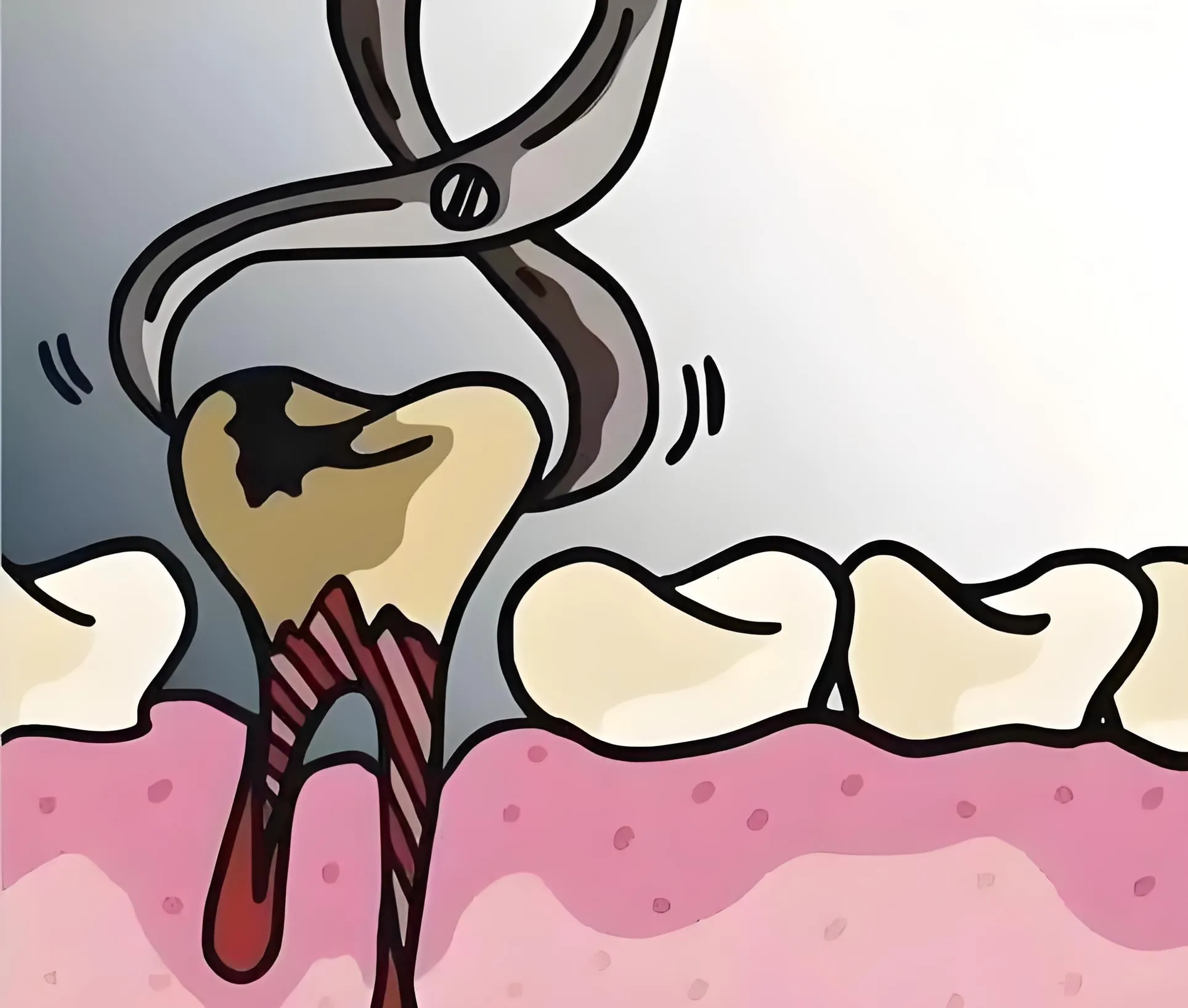
Thailand Root Canal Permanent Restoration Options
**Thailand Root Canal Permanent Restoration Options**
If you’ve just finished a root canal treatment in Thailand, congratulations — you’ve taken a big step toward saving your natural tooth. But as your dentist probably told you, the story doesn’t end there. After a root canal, the next crucial stage is the permanent restoration. This step protects your treated tooth, restores its full function, and keeps it looking natural. Whether you’re a local resident or a dental tourist drawn to Thailand’s high-quality care, understanding your options for permanent restoration can help you make a confident decision.
### Why Permanent Restoration Matters After a Root Canal
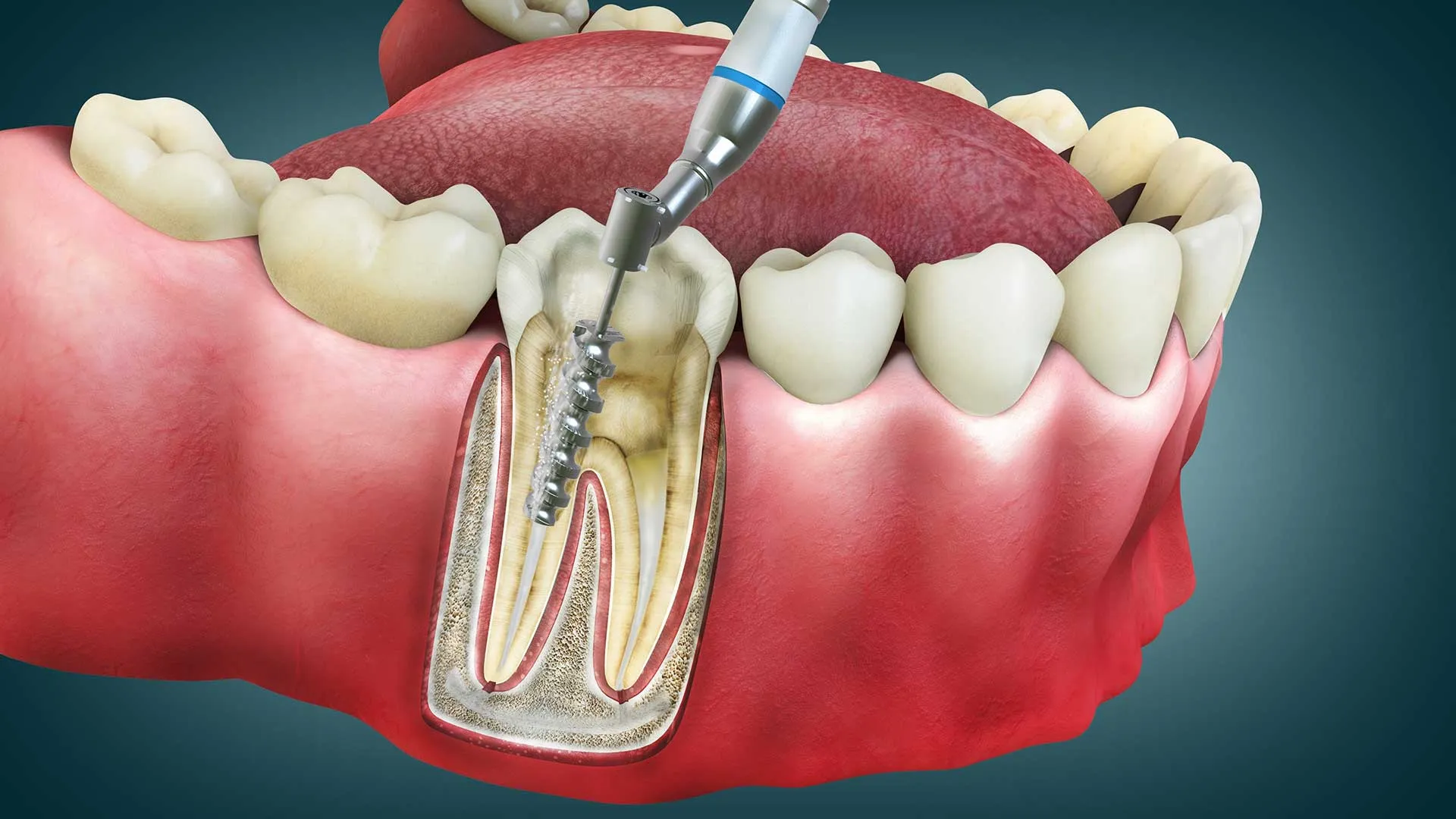
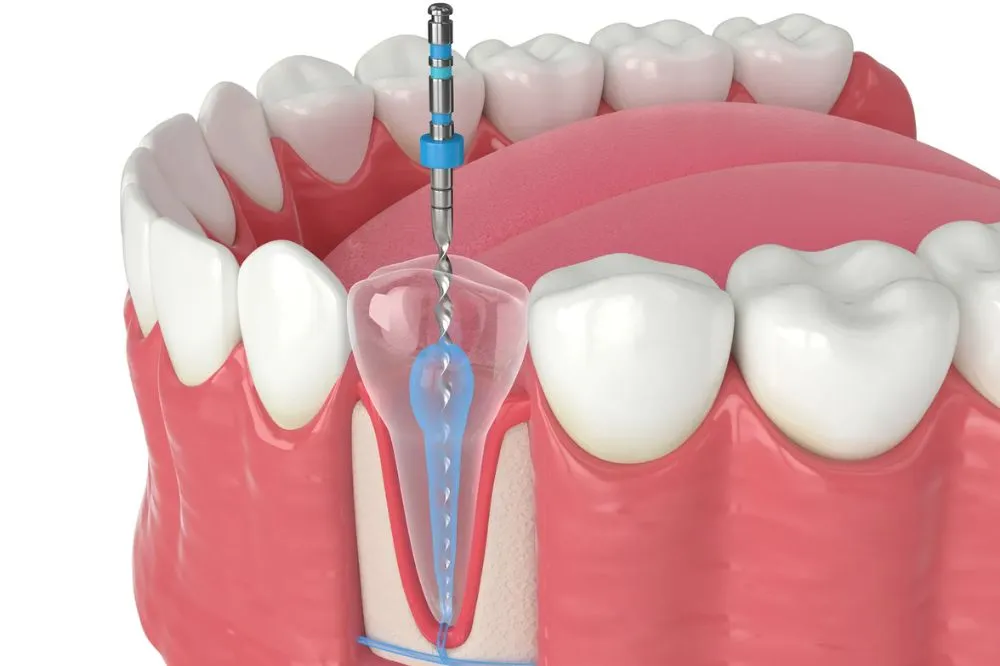
During a root canal, your dentist removes infected pulp tissue and cleans the inside of your tooth. While this stops the infection, it can also leave the tooth hollow and more fragile. Without proper restoration, that tooth may chip, crack, or re-develop problems later. A permanent restoration seals the tooth, strengthens it, and ensures long-term stability.
If you delay this final step, bacteria can re-enter the canal or the filling can loosen over time — leading to costly retreatment. That’s why Thai dentists almost always recommend completing the permanent restoration soon after your root canal therapy.
### Common Permanent Restoration Choices in Thailand
Thailand’s dental clinics are known for high-quality materials and advanced technology, often at a fraction of the cost compared to Western countries. Let’s explore the common permanent restoration options available after a root canal.
#### 1. **Dental Crown**
A dental crown is the most popular and reliable option after a root canal, especially for molars and premolars. It acts like a “cap” covering the entire tooth, restoring its shape, strength, and appearance.
**Advantages:**
- Excellent durability — crowns can last 10–15 years or more with proper care.
- Protects the remaining tooth structure from cracking.
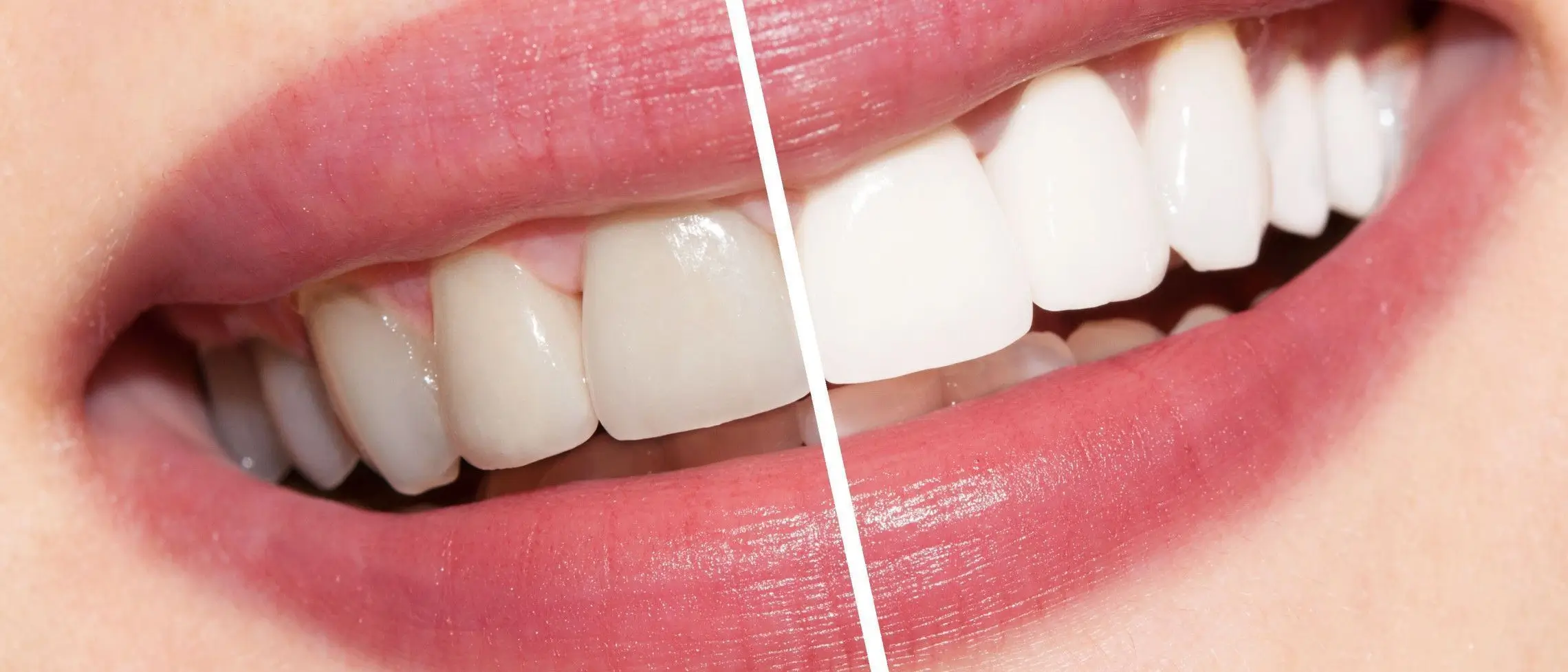
- Can be matched to the color of your natural teeth, so it blends seamlessly.
**Common Types of Crowns in Thailand:**
- **Porcelain-fused-to-metal (PFM):** Strong and affordable, commonly used in many Thai dental clinics.
- **All-ceramic or zirconia crowns:** Highly aesthetic and metal-free — ideal for visible front teeth.
- **Full metal crowns:** Usually gold or other alloys, suitable for back teeth that need maximum strength.
Many dental clinics in Bangkok, Chiang Mai, and Phuket now use digital scanning and CAD/CAM technology to design and produce crowns quickly — sometimes even on the same day.
#### 2. **Composite Resin Filling**
If the cavity from your root canal is small and the tooth structure remains strong, a composite resin filling may be sufficient. These fillings are tooth-colored, blend naturally with your other teeth, and can often be completed in a single visit.
**Advantages:**
- Cost-effective and minimally invasive.
- Matches natural tooth shade.
- Ideal for smaller tooth restorations, especially in front teeth.
However, composite fillings are not as durable as crowns for teeth that bear heavy chewing pressure, such as molars. In Thailand, dentists often discuss the bite force and location of your tooth before recommending this option.
#### 3. **Inlay and Onlay R
estorations**
For cases where the damage is larger than a filling but not extensive enough for a full crown, an **inlay** or **onlay** might be the perfect middle ground. These are custom-made restorations crafted in a dental lab from porcelain or composite materials.
**Inlays** fit within the grooves of your tooth, while **onlays** cover one or more of the cusps.
**Advantages:**
- Stronger and more durable than standard fillings.
- More conservative than a full crown — less natural tooth removal required.
- Excellent fit and finish, especially with modern digital impression technology.
In Thailand, many dental clinics offer inlays and onlays that are precision-milled to ensure comfort and a natural bite.
### How to Choose the Right Option
The best permanent restoration depends on three key factors: the amount of remaining tooth structure, the position of the treated tooth, and your budget.
- **Front Teeth:** Often restored with composite fillings or all-ceramic crowns for maximum aesthetics.
- **Back Teeth:** Usually need stronger options like zirconia or metal-based crowns to handle chewing forces.
- **Budget and Durability:** Thailand offers a great balance — even high-quality materials and expert craftsmanship tend to be more affordable than in other countries.
Your dentist will evaluate your bite pattern, take X-rays, and discuss your preferences before recommending a solution. Thai dental professionals are known for their patient-friendly approach, ensuring you understand every step of the process.
### Cost of Root Canal Restorations in Thailand
One reason dental tourism flourishes in Thailand is the value for money. While prices can vary between clinics and cities, here’s a general idea:
- **Composite resin filling:** Around 1,000–3,000 THB per tooth.
- **Porcelain-fused-to-metal crown:** Around 8,000–12,000 THB.
- **Zirconia crown:** Around 12,000–18,000 THB.
- **Inlay/onlay restoration:** Around 6,000–10,000 THB.
Many clinics in popular destinations like Bangkok, Chiang Mai, and Phuket include complimentary consultations or X-rays in their treatment package, giving patients even more value.
### Long-Term Care Tips
Once your tooth is permanently restored, taking care of it properly helps it last for many years. Follow these simple habits:
- Brush at least twice a day with a fluoride toothpaste.
- Floss daily to prevent plaque buildup around the crown or filling.
- Visit your Thai dentist every six months for cleaning and checkups.
- Avoid biting on hard foods like ice or nutshells to prevent cracks.
With proper care, your restored tooth can look and function just like a natural one.
### Final Thoughts
Choosing the right permanent restoration after a root canal in Thailand is an important decision for both your dental health and overall comfort. Whether you go for a strong zirconia crown, a precise porcelain inlay, or a simple composite filling, Thailand’s modern clinics and skilled dentists can deliver high-quality results you can trust.
By completing the restoration promptly and maintaining good oral hygiene habits, you can keep your treated tooth healthy, strong, and beautiful for many years to come — all while enjoying the world-class dental care Thailand is known for.
 collect
Hospitals included




Products included
Suggested reads