Thailand Root Canal Retreatment Cost Guide
**Thailand Root Canal Retreatment Cost Guide**
When a root canal treatment doesn’t go as planned, or when infection returns years after the original procedure, many people in Thailand turn to **root canal retreatment** as the next step to save their tooth. It’s a fairly common dental procedure here, offered in most larger cities like Bangkok, Chiang Mai, and Phuket, but one of the first questions patients ask is: *How much will it cost?*
In this guide, we’ll walk through the details of root canal retreatment in Thailand—what it involves, why you might need it, the price range you can expect, and useful tips to make the most of your budget without compromising quality.
---
### What Is Root Canal Retreatment?
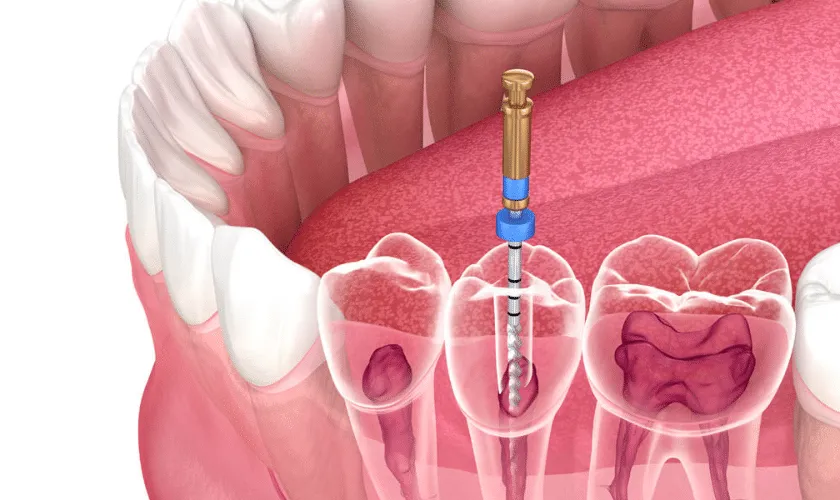
Root canal retreatment is essentially a “second attempt” to save a tooth that has already undergone root canal therapy. If bacteria remain inside the root canal system or new infection sets in, your dentist or endodontist will reopen the tooth, remove the previous filling material, clean the canals thoroughly, and refill them to stop further damage.
The causes for retreatment vary:
- Persistent infection from the first procedure
- New decay that reaches the root canal filling
- Cracks in the tooth or crown that allow bacteria to enter
- Complicated root canal anatomy missed the first time
Unlike an extraction, retreatment allows you to keep your natural tooth, which is often better for long-term oral health.
---
### Average Root Canal Retreatment Cost in Thailand
Dental costs in Thailand are known to be more affordable than in many Western countries, while still offering high-quality treatment. That said, retreatment often costs more than the original root canal, due to the added complexity and time needed.
Here’s a general cost range as of 2024:
- **Front teeth (incisors)**: THB **5,000 – 9,000**
- **Premolars**: THB **7,000 – 12,000**
- **Molars**: THB **9,000 – 18,000**
Prices vary widely depending on location, clinic reputation, dentist’s expertise, and whether advanced techniques such as a dental operating microscope are used.
Bangkok’s high-end dental clinics often charge at the upper end of the scale, while smaller clinics in provincial areas may offer more budget-friendly options. Still, quality should be your top priority—saving on cost but losing the tooth later will be more expensive in the long run.
---
### Factors That Affect the Cost
Several factors influence how much you’ll pay for root canal retreatment in Thailand:
1. **Complexity of the Case**
Multi-rooted molars require more time and skill than single-rooted front teeth. If canals are particularly curved or blocked, additional procedures raise the cost.
2. **Dentist’s Qualification**
Endodontists (root canal specialists) usually charge more than general dentists, but their expertise can significantly improve the outcome.
3. **Clinic Location**
Dental clinics in prime areas of Bangkok or tourist hubs like Phuket tend to have higher overhead costs reflected in their fees. Rural clinics can be cheaper, but may have limited equipment.
4. **Additional Procedures**
Sometimes retreatment involves replacing an old crown, placing a new filling, or performing an apicoectomy (removing the tip of the ro
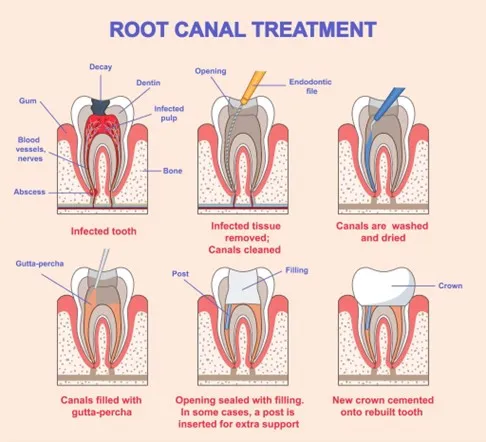
ot). Each adds to the total cost.
5. **Technology Used**
Clinics using microscopes, digital imaging, and advanced tools may charge more, but these technologies can help ensure a more thorough cleaning and higher success rate.
---
### Why Consider Retreatment Instead of Extraction
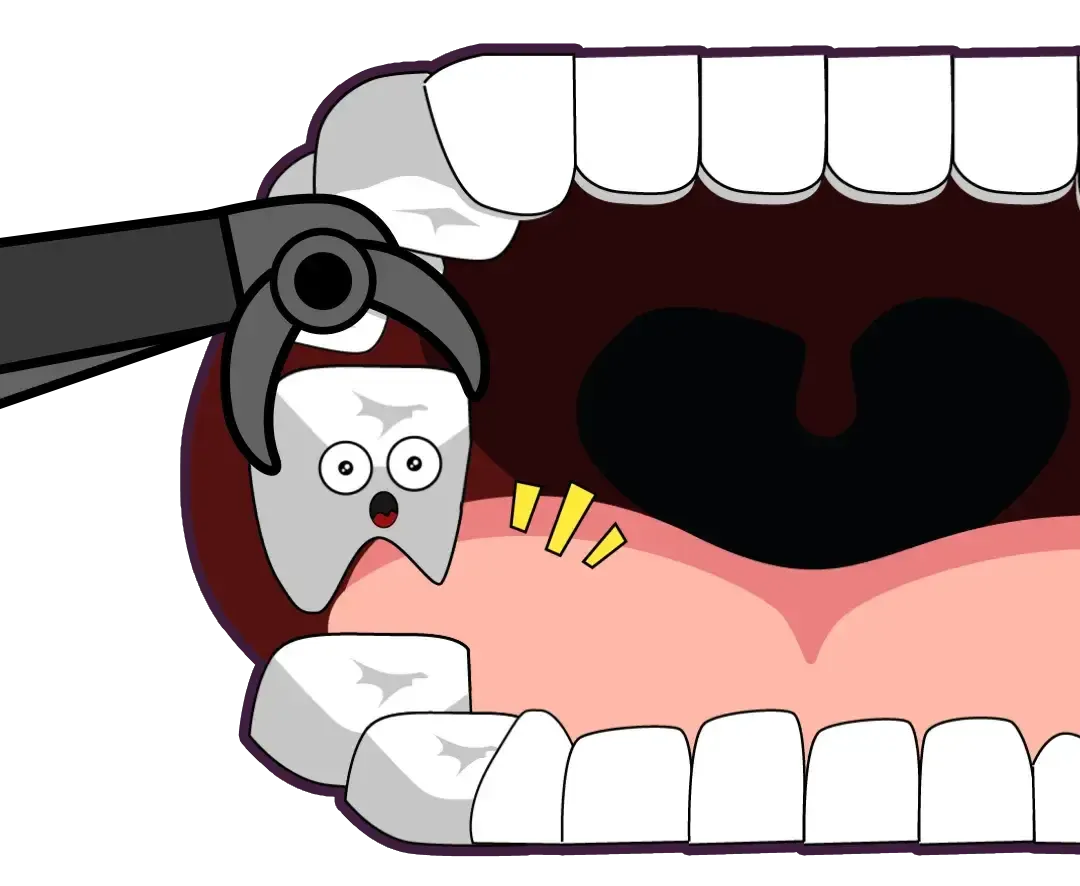
It’s tempting to think, “If retreatment is pricey, why not just pull the tooth?” In Thailand, extraction is certainly cheaper—often only THB 500–2,000—but losing a tooth has long-term drawbacks.
To replace an extracted tooth, you’ll likely need a dental implant or bridge. An implant in Thailand typically costs **THB 50,000 – 90,000** per tooth, much higher than retreatment. Keeping your natural tooth avoids these future expenses and maintains proper bite alignment.
---
### How to Save Money Without Sacrificing Quality
If you’re watching your budget, here are some Thailand-specific tips to reduce costs while getting reliable treatment:
- **Compare multiple clinics**: In Bangkok alone, prices can differ by thousands of baht between clinics only a few streets apart.
- **Visit a dental school clinic**: Institutions like Chulalongkorn University’s Faculty of Dentistry offer retreatment at lower rates by supervised postgraduate students.
- **Check promotions**: Many clinics advertise limited-time discounts on their websites or Facebook pages.
- **Ask about payment plans**: Some clinics allow you to split the bill into installments, making higher-quality care more manageable.
---
### Insurance Coverage in Thailand
Dental insurance is still less common in Thailand compared to some countries, but certain private health insurance policies include root canal treatment. If you have corporate health benefits or an expat medical plan, check whether retreatment is covered and what documentation is required.
For locals under Thailand’s Universal Coverage Scheme, root canal services are often limited, and specialist retreatment might not be fully included. Be prepared to pay privately if you want treatment from a top-tier clinic.
---
### Recovery and Aftercare Costs
After retreatment, you may need a new crown to restore the tooth’s function and appearance. Crowns in Thailand can range from THB 8,000 to 20,000 depending on material (porcelain, zirconia, or metal-ceramic). Factor this into your total budget.
Routine follow-up visits are usually included in the retreatment fee, but check in advance to avoid surprises.
---
### Final Thoughts
Root canal retreatment in Thailand can be a worthwhile investment for preserving your natural teeth. While prices range from **THB 5,000 to 18,000**, remember that each case is unique. The skill of your dentist, the complexity of your tooth’s anatomy, and the clinic setting all play a role in determining the cost.
Thailand’s dental sector is highly competitive, which gives you the advantage of choice. By doing a little research, comparing clinics, and understanding the factors involved, you can find a solution that fits your dental needs *and* your wallet.
If you suspect your old root canal treatment has failed—persistent pain, swelling, or sensitivity—don’t wait. The sooner you address the issue, the better your chances of saving the tooth, and the more affordable the retreatment may be.
---
 collect
Hospitals included



Products included
Suggested reads