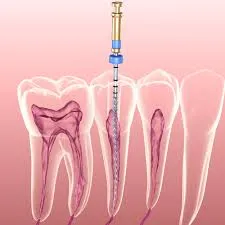
Thailand Root Canal Infection Prevention Methods
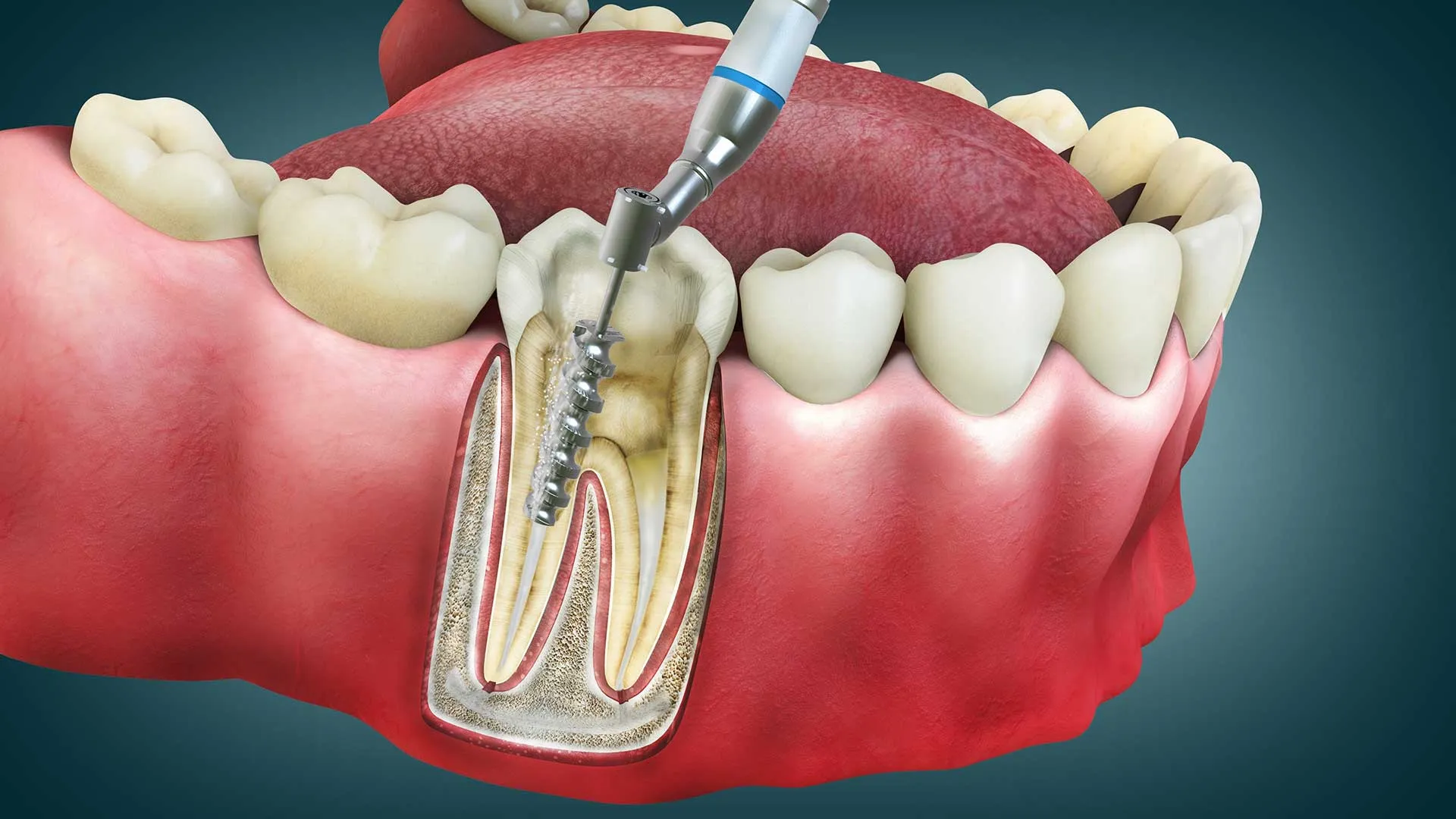
Thailand Root Canal Infection Prevention Methods
**Thailand Root Canal Infection Prevention Methods**
In Thailand, dental care is an important part of maintaining overall health. While many people focus on regular cleanings and whitening treatments, one dental issue that is often underestimated is root canal infection. This problem not only causes pain but can also lead to more serious health issues if left untreated. Fortunately, with the right prevention methods, it’s possible to keep your teeth healthy and avoid root canal complications. Here’s a conversational guide on how to prevent root canal infections, with tips that fit the lifestyle and habits common in Thailand.
---
### Understanding Root Canal Infections in the Thai Context
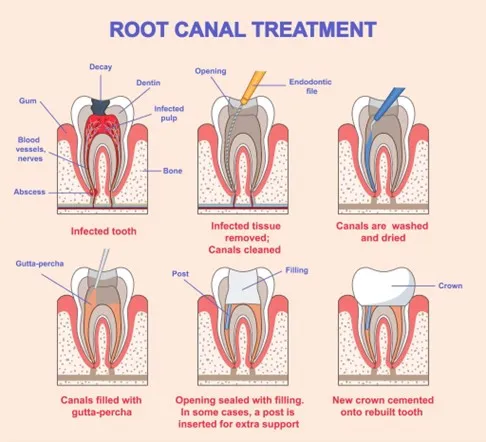
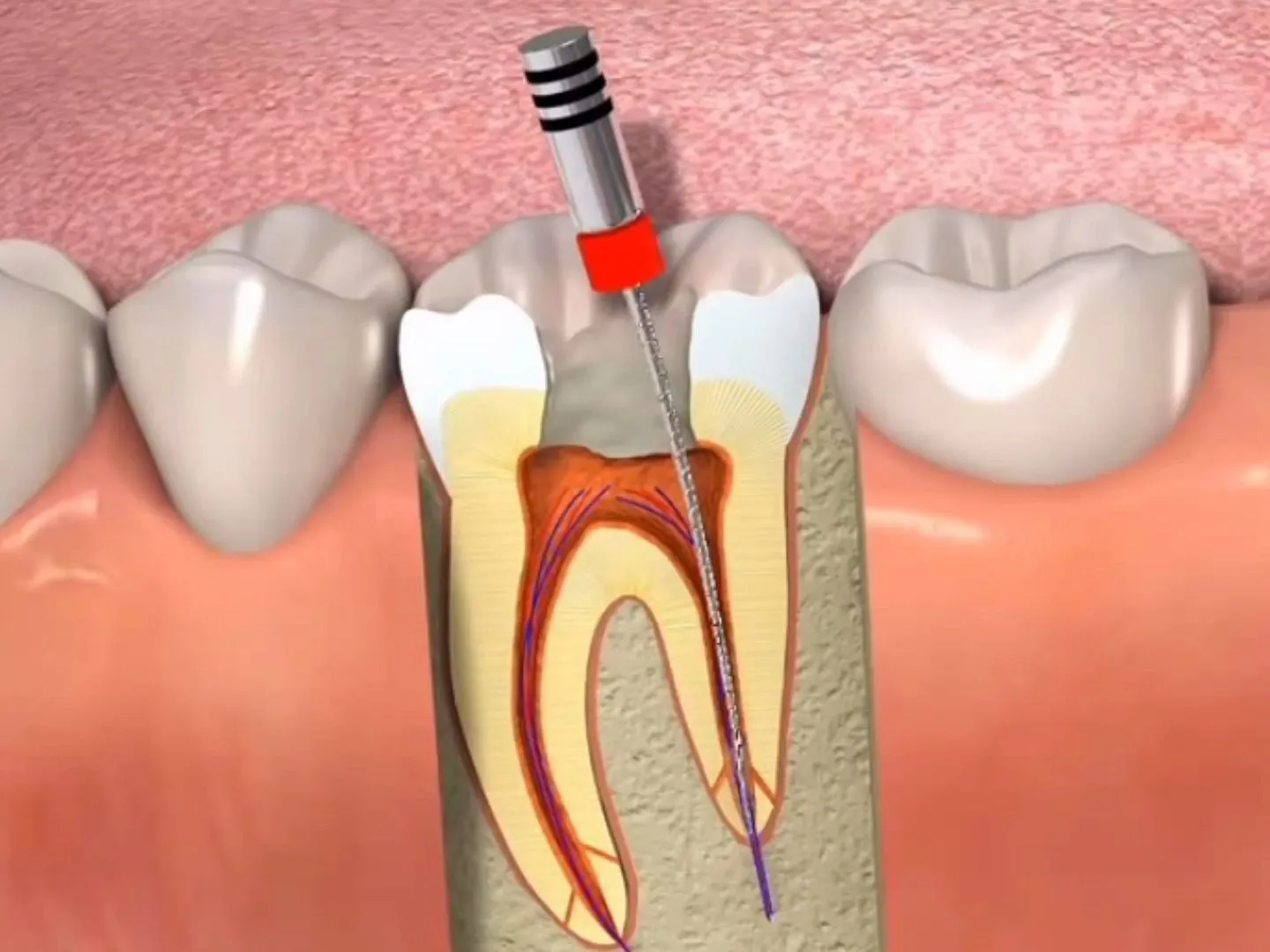
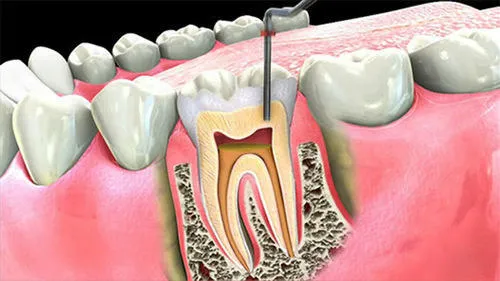
A root canal infection happens when bacteria enter the inner part of the tooth, called the pulp. This can be due to untreated cavities, deep tooth decay, or dental trauma. In Thailand, factors such as frequent consumption of sweet iced drinks, sticky desserts, and occasional delays in visiting the dentist can increase the risk. Humid weather and dietary habits also influence bacterial growth, making prevention especially important.
When the pulp is infected, you may feel intense tooth pain, sensitivity, or notice swelling around the gums. Its best not to wait until symptoms get worse — early action saves both your tooth and your wallet.
---
### 1. Maintain Proper Oral Hygiene
**Brush twice a day and floss daily.** This might sound like common advice, but it’s the foundation for keeping bacteria away from the root canal area. In Thailand, many people enjoy sweet beverages like Thai milk tea or cha yen throughout the day. Sugar feeds bacteria, so after drinking, rinse your mouth with clean water or use fluoride mouthwash.
For brushing, choose a soft-bristled toothbrush to avoid damage to the gums. Remember to replace your toothbrush every three months, or sooner if the bristles are worn. Flossing once a day removes trapped food particles that brushing alone cannot reach.
---
### 2. Limit Sugary and Acidic Foods
Thai cuisine offers an amazing range of flavors, but some dishes and drinks are high in sugar and acid. Sticky rice with mango, iced coffee with condensed milk, and som tam may all contribute to wear and tear on enamel if consumed too often.
You don’t need to give up your favorite treats entirely — just enjoy them in moderation. When possible, drink water alongside sweet foods to help wash away residue. This simple habit reduces the chance of bacteria building up and attacking the inner tooth structure.
---
### 3. Schedule Regular Dental Check-ups
Many people in Thailand visit the dentist only when they feel pain, but prevention works best when issues are spotted early. Dental clinics in Bangkok, Chiang Mai, and other cities are generally well-equipped for regular check-ups. Aim for at least two visits per year, even if your teeth feel fine.
During a check-up, the dentist can identify small cavities before they become serious and can also give professional cleaning to remove plaque and tartar. Regular visits are especially important for teenagers and older adults, as both age groups are more prone to dental problems.
---
### 4. Wear Mouth Protection for Activities
Thailand’s outdoor lifestyle includes sports like Muay Thai, football, and
cycling. Accidental hits or falls can crack a tooth, making it more vulnerable to infection. If you play contact sports or high-risk outdoor activities, invest in a custom-fitted mouthguard.
It may not feel necessary at first, but mouthguards can save you from expensive root canal treatments later on. They’re comfortable, easy to clean, and give peace of mind when participating in energetic activities.
---
### 5. Treat Cavities Early
One common habit in Thailand is to delay dental treatment until pain becomes severe. Unfortunately, waiting too long gives bacteria more time to penetrate deeper layers of the tooth. A small cavity can quickly turn into an infection, making root canal treatment unavoidable.
If you notice any discoloration, sensitivity, or small holes in your teeth, don’t ignore them. Visiting the dentist early often means a simple filling instead of complex root canal therapy. This approach saves time and money while protecting your natural tooth structure.
---
### 6. Strengthen Teeth with Fluoride
Fluoride is a mineral that reinforces tooth enamel and makes it more resistant to decay. In Thailand, some tap water contains fluoride, but the levels may vary depending on the area. To ensure proper protection, use a fluoride toothpaste and consider professional fluoride treatments during dental check-ups.
For children, fluoride plays a big role in developing strong teeth. Parents can guide kids to brush with fluoride toothpaste and limit sweets, especially between meals. This practice forms healthy habits from a young age.
---
### 7. Adopt a Balanced Diet for Dental Health
Eating more fruits, vegetables, and lean proteins supports overall health, including your teeth. In Thailand, fresh guava, papaya, and carrot are easy to find and packed with vitamins that strengthen gums and teeth.
Calcium-rich foods, such as yogurt and tofu, help keep teeth strong. Avoid excessive snacking between meals, as constant exposure to food gives bacteria more opportunity to multiply. Drinking plenty of water — especially purified or filtered — keeps your mouth moist and helps wash away harmful particles.
---
### 8. Avoid Self-Medication for Dental Pain
In Thailand, it’s easy to find over-the-counter painkillers at local pharmacies. While these may temporarily ease discomfort, they don’t solve the root cause of dental problems. Masking pain with medication can allow the infection to worsen quietly.
If you experience tooth pain that lasts more than a day or two, seek professional dental care immediately. Dentists can pinpoint the cause and treat it before it affects the root canal.
---
### Conclusion
Root canal infection prevention in Thailand is about recognizing daily habits that can either protect or damage your teeth. Whether you’re enjoying a street food snack in Chiang Mai or sipping iced coffee in Bangkok, remember that small actions — like rinsing your mouth, limiting sugar, and visiting the dentist regularly — make a big difference.
By understanding the unique lifestyle factors in Thailand and taking proactive steps, you can keep your teeth healthy, avoid painful infections, and enjoy all the delicious flavors this country has to offer without worry. Prevention truly is better than treatment, and your smile will thank you for it.