Thailand Root Canal X Ray and Scan Requirements
**Thailand Root Canal X-Ray and Scan Requirements**
When you visit a dental clinic in Thailand for a root canal treatment, one of the first things the dentist will talk about is the X-ray or scan. These imaging procedures are a key part of diagnosing and planning the treatment properly. Many people wonder why these scans are necessary, what types are used, and whether they are really worth it. In Thailand, where dental technology and healthcare standards have advanced significantly, understanding X-ray and scan requirements can help you feel more confident about getting your root canal done safely and effectively.
### Why X-Rays Are Needed Before a Root Canal
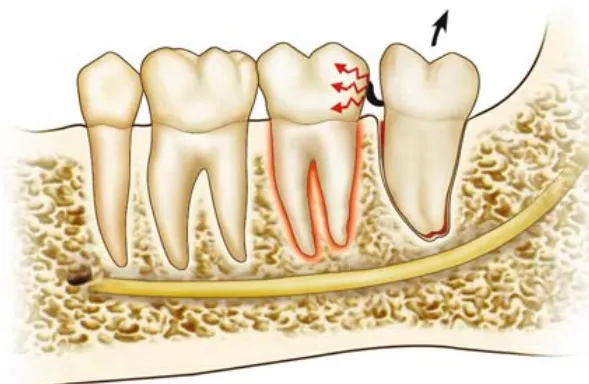
Root canal treatment focuses on removing infected pulp from inside the tooth, cleaning the canal, and sealing it to prevent future infection. To do that correctly, your dentist needs to see the internal structure of your tooth and surrounding bone. This can’t be done with just an external examination.
Dentists in Thailand typically use dental X-rays to check for deep decay, infection around the root, or bone loss. The X-ray image shows the shape and number of tooth roots and reveals any abnormalities that might affect treatment. Without these images, even experienced dentists would be working blind, and that could lead to complications later on.
### Types of X-Rays and Scans Commonly Used in Thailand
For root canal procedures, Thai dental clinics may use several types of imaging depending on the complexity of the case:
1. **Periapical X-Ray** – This is the most common X-ray used for root canal treatment. It shows the entire tooth from crown to root tip, along with the surrounding bone. Most general dental clinics in Bangkok, Chiang Mai, Phuket, and Pattaya use periapical X-rays for basic root canal diagnosis.
2. **Panoramic X-Ray (OPG)** – A panoramic X-ray gives a broader view of the entire mouth. It’s often taken when a patient first visits a clinic, so the dentist can evaluate overall dental health. While it’s not detailed enough for canal measurements, it helps identify if other teeth or sinuses may be affected.
3. **Cone Beam CT (CBCT) Scan** – For complicated cases or re-treatment, a CBCT scan may be recommended. This 3D imaging technology allows the dentist to see detailed cross-sections of the tooth and jawbone. Many modern dental centers in Thailand offer CBCT scans, especially if the dentist specializes in endodontics.
### How X-Ray and Scan Requirements Are Determined
In Thailand, dental X-rays are regulated and are only taken when necessary. The Thai Dental Council and Ministry of Public Health encourage responsible use of radiation in dentistry. This means your dentist will not just take unnecessary scans. They will first assess your symptoms—such as prolonged tooth pain, swelling, or sensitivity—and decide which imaging method gives the best diagnostic benefit with minimal exposure.
For example, if your tooth pain clearly points to one specific tooth, a small periapical X-ray may be enough. But if the infection has spread or if the anatomy of your tooth is unusually complicated, your dentis
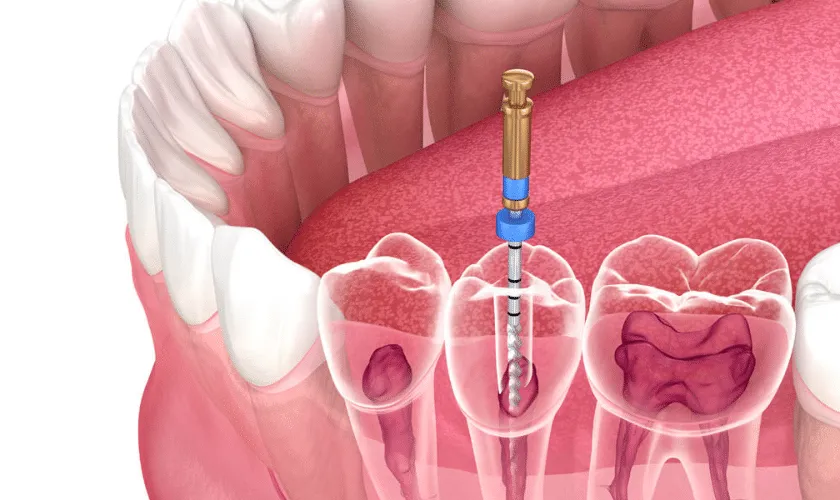
t might recommend a CBCT for precise planning.
### What to Expect During an X-Ray or Scan Appointment
The process is quite simple and quick. For a standard dental X-ray, you will be asked to wear a protective lead apron. The dentist or hygienist positions a small sensor inside your mouth, near the tooth being examined. The machine takes the image in a few seconds, and the X-ray appears immediately on a computer screen.
If you need a CBCT scan, the process takes a bit longer. You’ll stand or sit while the scanner rotates around your head to capture images from different angles. It only takes a minute or two, and you’ll get the results instantly.
Most Thai dental clinics are equipped with digital X-ray systems, meaning radiation exposure is very minimal—much lower than traditional film X-rays. The results are available almost immediately, and your dentist will explain what they show before starting the root canal procedure.
### Safety and Cost Considerations in Thailand
Thailand’s dental industry follows strict radiation safety standards. Modern clinics use digital imaging that exposes patients to lower doses of radiation than ever before. In addition, dental staff are trained to minimize exposure by using protective shields and keeping scanning times short.
In terms of cost, X-ray fees in Thailand are very reasonable compared to Western countries. A periapical X-ray usually costs between 200–500 THB, while a panoramic X-ray may range from 800–1,500 THB. A CBCT scan is more advanced and generally costs between 2,000–4,000 THB, depending on the clinic and location. These prices are affordable for both locals and international dental tourists who come to Thailand for high-quality treatments.
### Choosing the Right Dental Clinic
When searching for a dental clinic in Thailand for a root canal and X-ray, look for one that uses updated digital imaging technology and follows safety protocols. Clinics in major cities like Bangkok or Chiang Mai often have advanced equipment and English-speaking staff, which makes communication much easier for foreign patients.
You can also check whether the clinic provides a detailed treatment plan after reviewing your X-ray or scan results. A good Thai dentist will always explain the condition of your tooth and show you the X-ray image to help you understand why treatment is needed.
### Final Thoughts
Getting a root canal can sound stressful, but with Thailand’s advanced dental care and imaging technology, the process has become much smoother and safer. X-rays and scans are not just routine procedures—they are essential tools that help your dentist diagnose accurately and perform treatment effectively.
Whether you visit a clinic in Bangkok’s Sukhumvit area, Chiang Mai, or the beaches of Phuket, you’ll find that Thai dentists take X-ray and scan requirements seriously. Clear imaging leads to precise treatment, and precise treatment means less pain, fewer complications, and longer-lasting results. Understanding this process will help you feel more at ease and ensure that your root canal treatment in Thailand goes as smoothly as possible.
 collect
Hospitals included




Products included




Suggested reads