Thailand Root Canal for Late-Stage Tooth Decay
Thailand Root Canal for Late-Stage Tooth Decay
**Thailand Root Canal for Late-Stage Tooth Decay**
In Thailand, dental health is becoming a bigger priority for many people, especially as awareness grows about how untreated tooth problems can impact overall well-being. One of the more serious issues people face is late-stage tooth decay—when the damage has already spread deep into the tooth, affecting the nerve tissue. For these cases, a root canal is often the go-to treatment. If you’ve been putting off a dental visit because of fear or cost concerns, understanding how a root canal works in Thailand might make you feel more confident about taking the next step.
### What Is Late-Stage Tooth Decay?
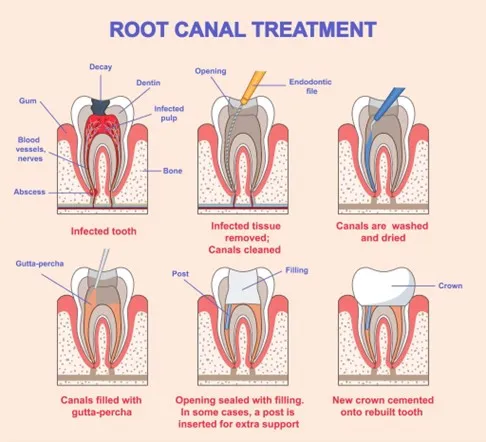
Late-stage tooth decay happens when cavities, caused by bacteria and acid wear, go untreated for a long period. At this stage, the decay penetrates through the protective enamel and dentin, reaching the pulp—the inner part of the tooth where the nerve and blood vessels are located. Once the pulp is infected, you’re likely to experience intense toothache, swelling, and sometimes even abscesses. In Thailand, where food culture includes plenty of sweet iced drinks and flavorful street treats, tooth decay can progress quickly if proper dental hygiene is not maintained.
### Why a Root Canal Is Recommended in Thailand
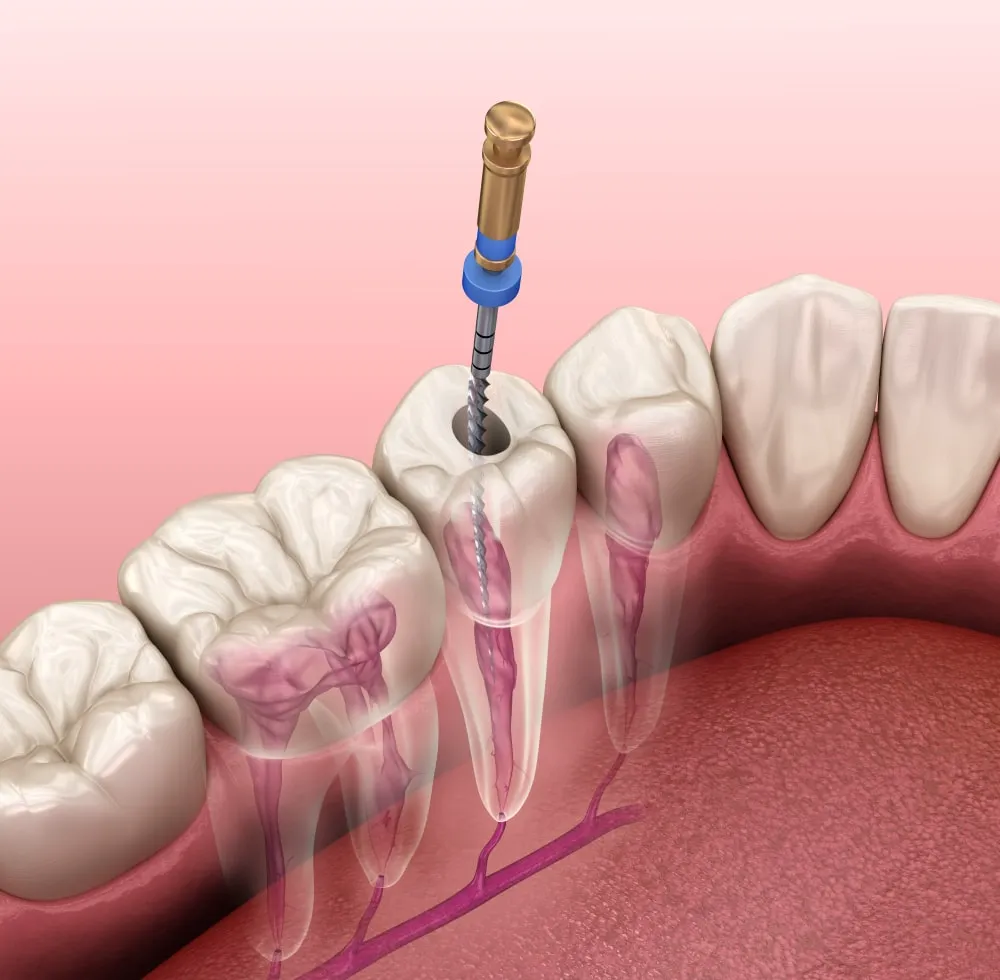
A root canal is a dental procedure designed to save a tooth that has been severely damaged by decay or trauma. Instead of pulling the tooth out, the dentist removes the infected pulp, cleans out the inside, and then seals it to prevent further infection. In Thailand, dentists are trained to use modern technology and techniques, so patients often find the experience much more comfortable than they expected. Many Thai dental clinics, whether in Bangkok, Chiang Mai, or Pattaya, offer root canals at more affordable prices compared to many Western countries, without compromising on quality.
### The Root Canal Process in Thai Dental Clinics
If you visit a Thai dentist for a root canal, here’s what usually happens:
1. **Initial Examination and X-ray** – The dentist will take a detailed look at your tooth and may use digital X-rays to confirm if the decay has reached the pulp.
2. **Local Anesthesia** – Contrary to popular fears, the procedure isn’t painful because local anesthesia is given, making the area completely numb.
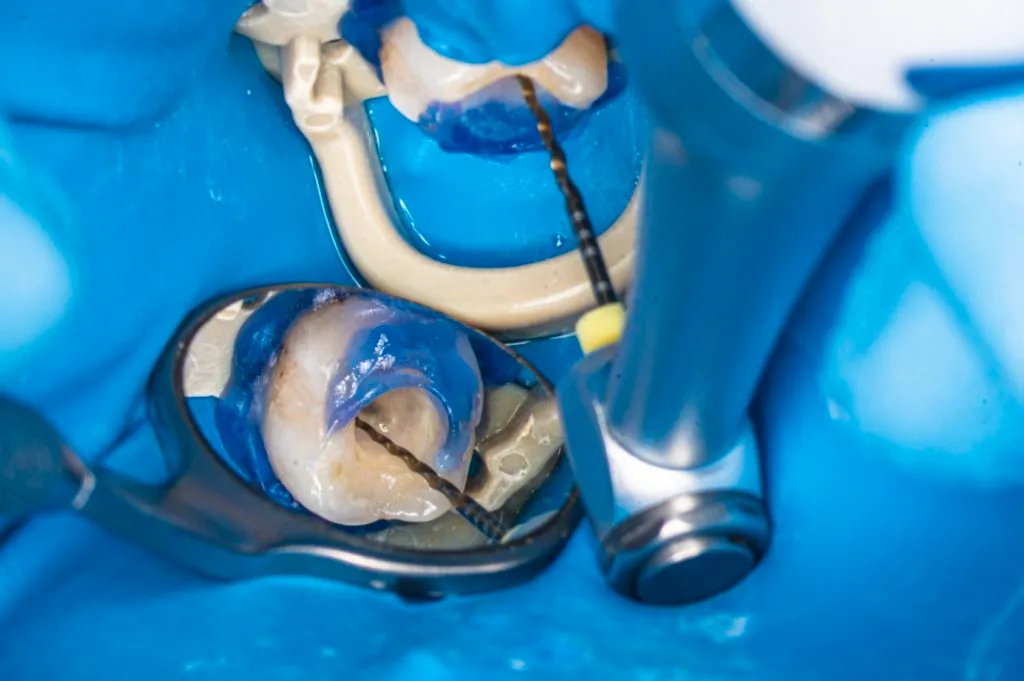
3. **Removal of Infected Pulp** – Using specialized dental tools, the dentist removes the damaged nerve tissue and bacteria.
4. **Cleaning and Shaping** – The inside of the root canal is cleaned and shaped to prepare it for filling.
5. **Sealing the Tooth** – A filling or crown is placed to protect the tooth in the long term.
Many clinics in Thailand also provide follow-up care with advice on oral hygiene, so you can prevent further decay in the future.
### Cost of Root Canal Treatment in Thailand
The cost of a root canal in Thailand varies depending on the complexity of the case and the location of the clinic. In general, a single root canal can range betw
een 5,000–12,000 THB, and if a crown is required afterward, that may add another 8,000–15,000 THB. Compared to prices in countries like Australia, the US, or the UK, Thailand’s rates are often half or even less, making it a popular destination for dental tourism. This is especially beneficial for expats and travelers who discover they have late-stage decay during their stay.
### Choosing the Right Dental Clinic
Thailand is home to both public and private dental services. While public hospitals offer dental care at low costs, private clinics tend to have shorter waiting times, more advanced equipment, and often bilingual staff. In tourist hubs like Bangkok or Phuket, many dentists speak English and are familiar with international patient expectations. Before choosing a clinic, it’s a good idea to:
- Check online reviews from past patients
- Confirm the dentist’s qualifications and experience
- Ask about the sterilization process and equipment used
- Request a clear treatment plan and breakdown of costs
### Recovery and Aftercare
After a root canal, most patients can return to normal activities the same day, though it’s best to avoid chewing hard foods on the treated tooth until a permanent crown is fitted. In Thailand, dentists may suggest a follow-up visit within one to two weeks to check healing and ensure the tooth is stable. Post-treatment sensitivity is normal for a few days, but severe pain or swelling should be reported immediately.
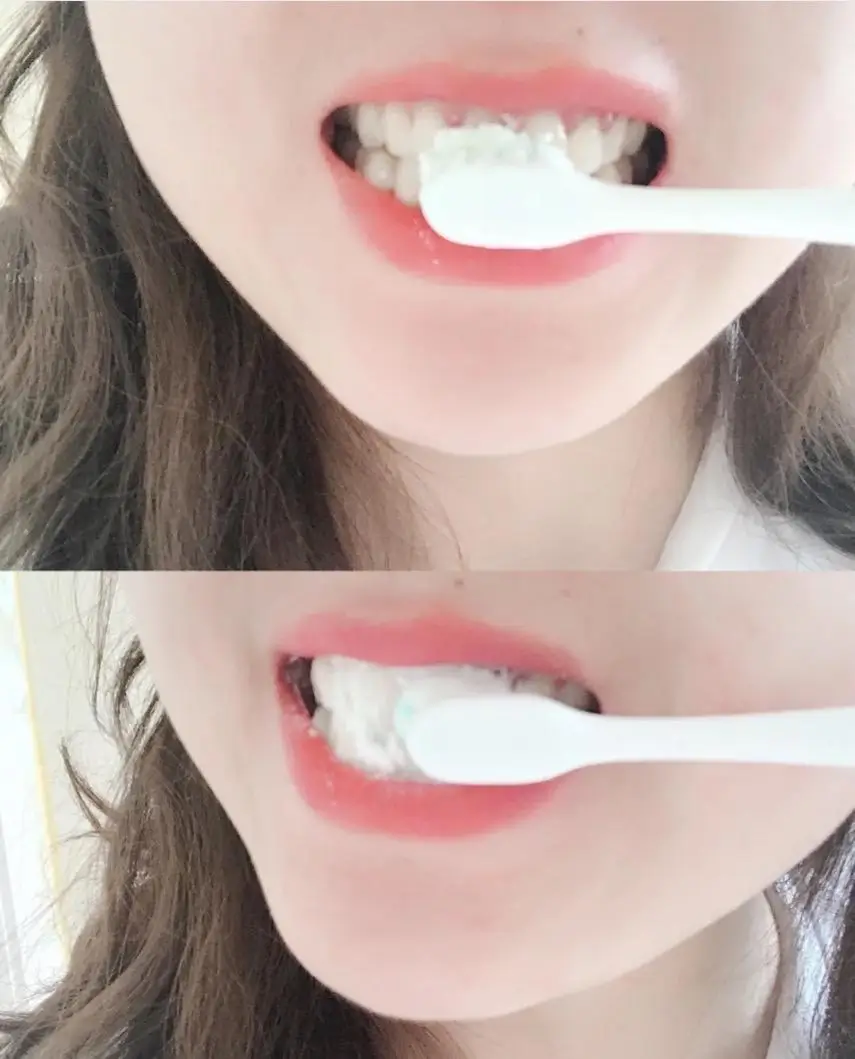
Maintaining good oral hygiene after a root canal is essential. Brushing twice a day with fluoride toothpaste, flossing daily, and reducing sugary drinks—like the popular Thai iced tea—can help keep your teeth in good shape. Regular dental check-ups, at least once or twice a year, will also help catch early signs of decay before they become serious.
### The Benefits of Timely Treatment
Delaying treatment for late-stage tooth decay can lead to more complications, including tooth loss or the spread of infection to other parts of the body. In Thailand, where high-quality dental care is widely available, getting a root canal early can save both your tooth and your wallet. Many patients are surprised by how quickly they feel relief after the procedure, and how natural chewing feels once the tooth is restored.
### Final Thoughts
Late-stage tooth decay can be a painful and worrying experience, but it doesn’t have to mean losing your tooth. In Thailand, root canal treatments are cost-effective, convenient, and performed to international standards. Whether you’re a local resident, expatriate, or visitor, seeking prompt dental care from a qualified Thai dentist can make all the difference.
By acting quickly and choosing a reputable dental clinic, you can not only stop the pain but also protect your smile for many years to come. Remember—good dental health starts with prevention, but when late-stage decay happens, Thailand offers excellent options to restore both function and confidence in your teeth.