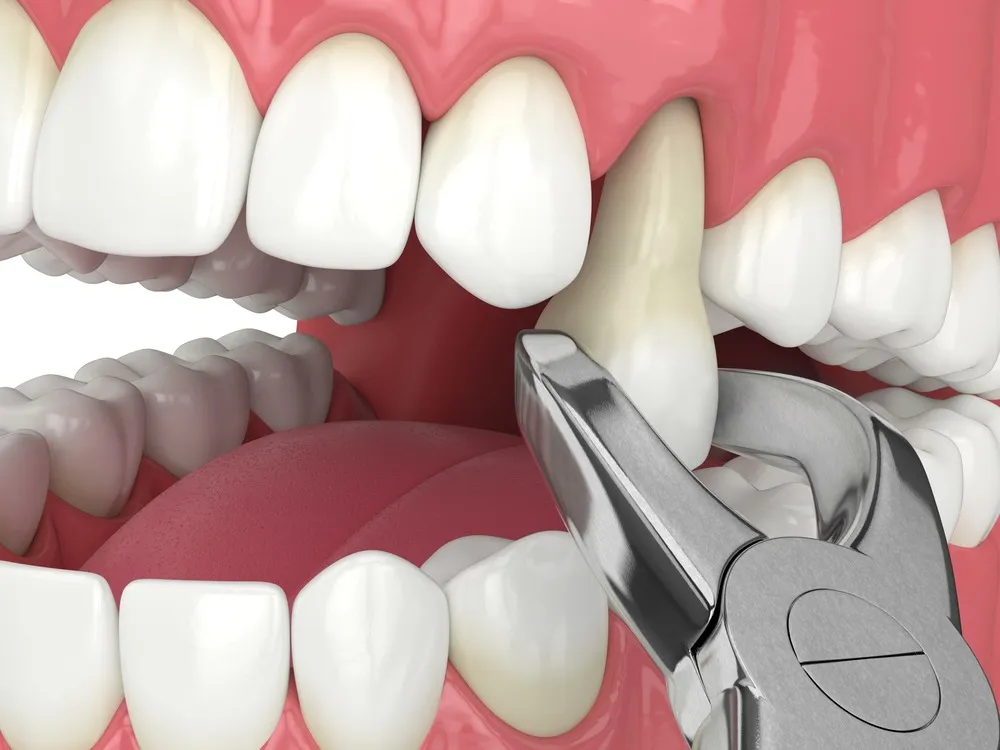
Pain Control Methods for Root Canal in Thailand
**Pain Control Methods for Root Canal in Thailand**
Root canal treatment is often one of the most misunderstood dental procedures. Many people imagine it as a painful experience and delay treatment until the discomfort becomes unbearable. In reality, modern root canal therapy—especially when done in Thailand—has advanced significantly in both technique and pain control. Thai dental clinics are well-known for their professional service, modern equipment, and gentle approach, allowing patients to experience minimal discomfort throughout the process. If you’re worried about pain during a root canal, this guide will walk you through the most common and effective pain control methods used in Thailand, plus some local insights on how Thai dentists make the procedure as stress-free as possible.
### Understanding Root Canal Treatment
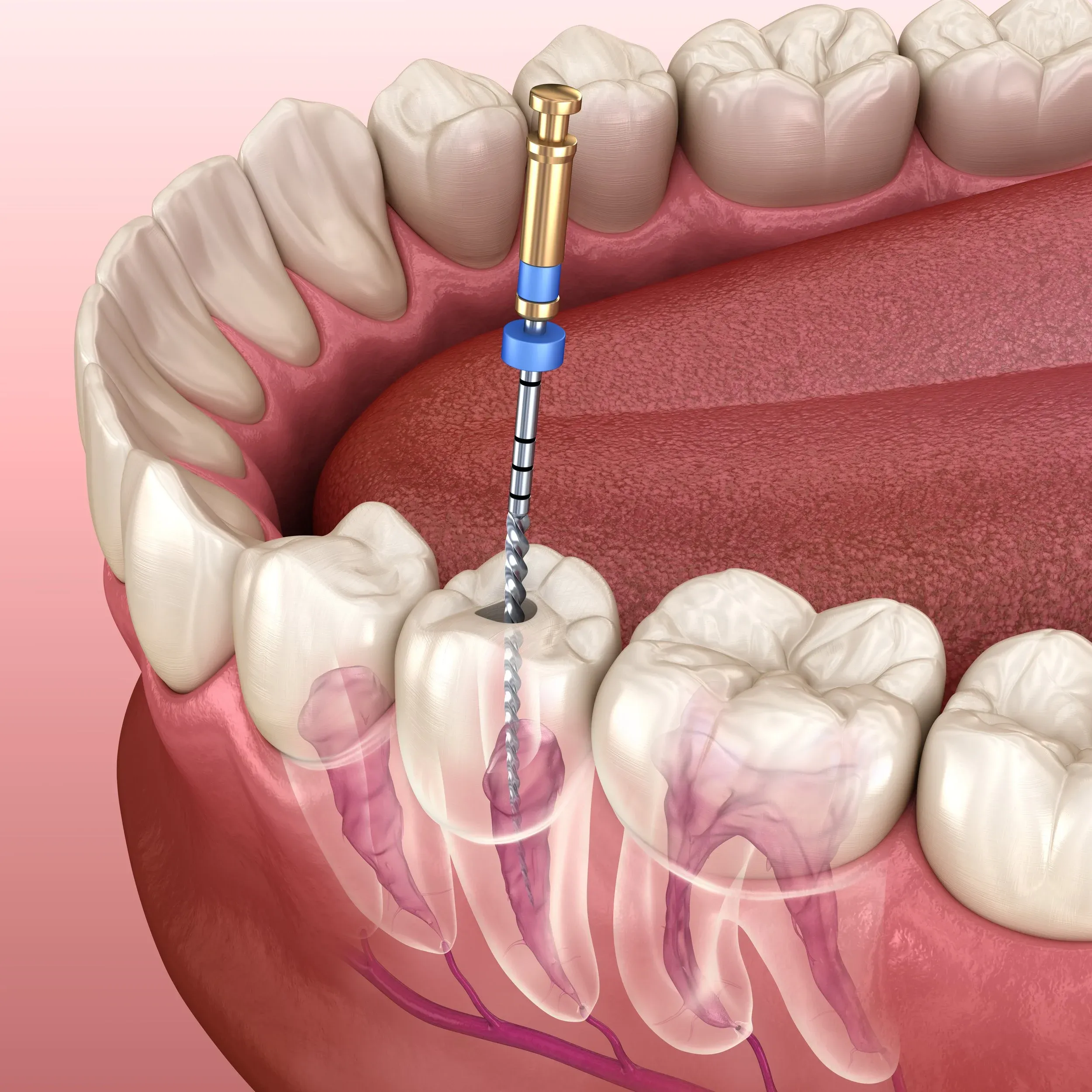
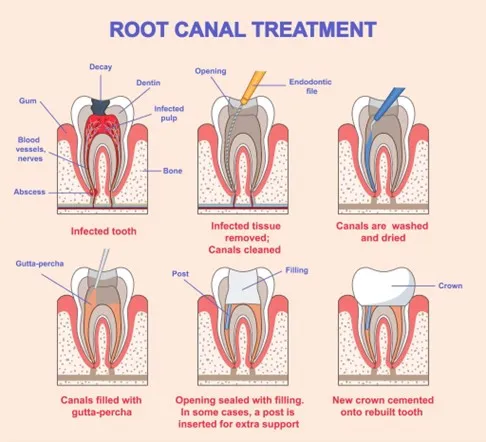
A root canal is a dental procedure that removes infected or damaged pulp from inside the tooth. The pulp contains nerves, so when it becomes inflamed, the pain can be intense. The goal of the treatment is to clean out the infection, disinfect the root canal, and seal it to prevent further problems. Although it sounds complicated, a root canal today is quite similar to getting a normal filling in terms of comfort. The key lies in how pain is managed before, during, and after the procedure.
### Local Anesthesia – The Primary Pain Control Method
The cornerstone of pain management in Thai dental clinics is local anesthesia. Before the dentist begins, a precise amount of anesthetic is injected around the affected tooth to completely numb the area. In Thailand, most dentists use advanced anesthetic formulations that take effect quickly and last long enough for the entire procedure. Many clinics also apply a topical gel before the injection to reduce the sting, ensuring patients feel almost nothing when the needle is administered.
For people who feel anxious, Thai dentists often spend extra time explaining each step and checking the patient’s comfort level. Communication is a major part of the local experience—dentists here are known for their friendly and reassuring manner, which helps a lot in keeping patients calm.
### Sedation Dentistry – For Patients with Dental Anxiety
For patients who are particularly nervous or have a low pain threshold, some dental clinics in Thailand offer sedation dentistry. Two types are common: **nitrous oxide (laughing gas)** and **oral sedation**. With nitrous oxide, patients inhale a gentle gas mixture that helps them relax while remaining awake and responsive. Oral sedation involves taking a prescribed pill before the procedure to ease tension.
In more complex or lengthy treatments, intravenous (IV) sedation might be available in premium dental hospitals, especially in Bangkok, Chiang Mai, or Phuket. This method provides a deeper level of relaxation while still allowing the dentist to perform the root canal safely. Sedation dentistry in Thailand is closely regulated, so clinics offering it usually have certified anesthetists to monitor your condition throughout.
### Advanced Dental Technology for a Painless Experience
Thai dental clinics invest heavily in cutting-edge equipment that helps improve comfort and precision. Digital imaging allows dentists to visua

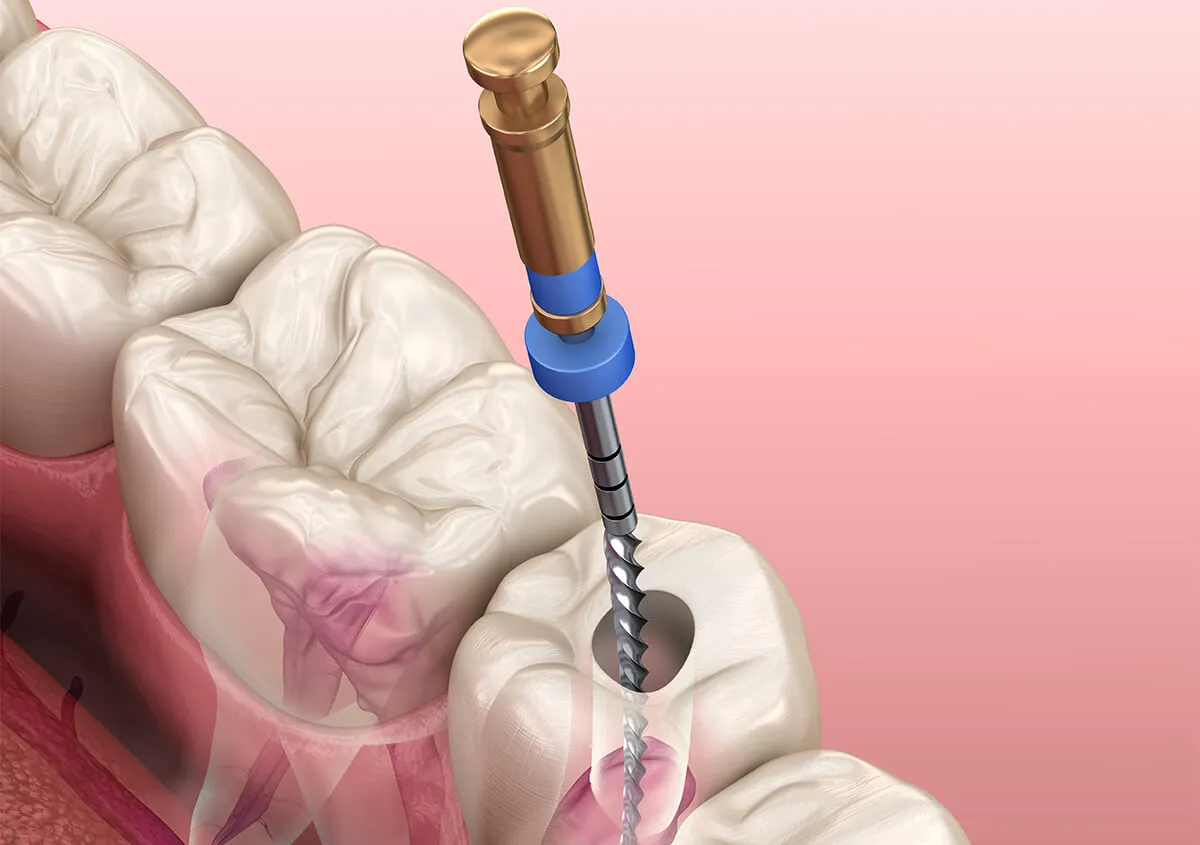
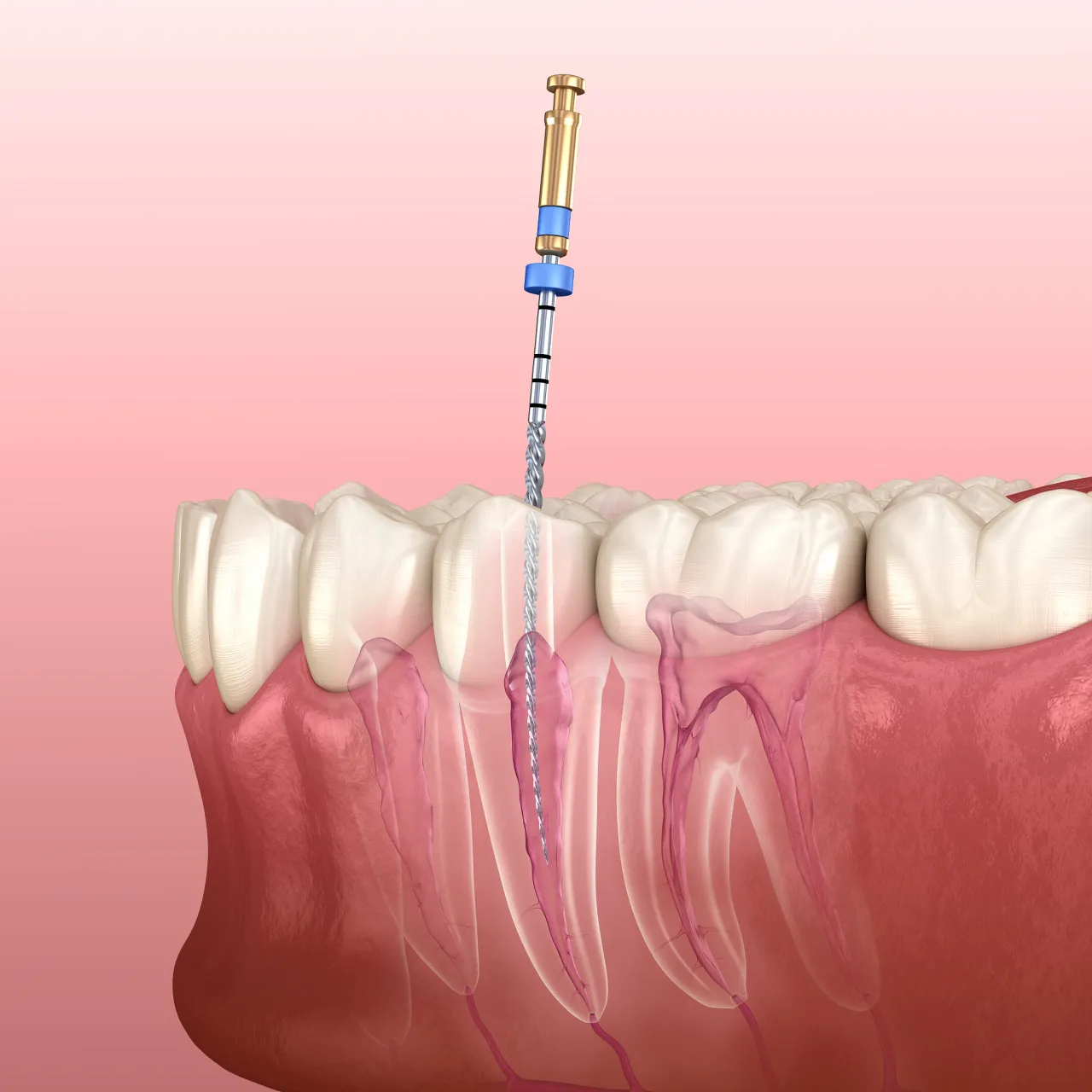
lize the root canals clearly, minimizing invasive work. Rotary endodontic instruments—electric tools that clean canals efficiently—are now standard in high-quality clinics. These tools help shorten treatment time, which naturally reduces stress and discomfort.
In addition, some clinics use dental microscopes and laser-assisted techniques, which provide greater accuracy and reduce inflammation. Laser technology can even sterilize the canal without excessive drilling, a big plus for those who are fearful of dental noise and vibration.
### Pain Control After the Root Canal
Once the procedure is done, your tooth and surrounding tissue may feel slightly tender for a few days. Thai dentists typically recommend over-the-counter painkillers like ibuprofen or paracetamol to manage this mild discomfort. Because dentists in Thailand are known for giving thorough aftercare instructions, you’ll also receive advice on how to brush, rinse, and avoid biting hard food until healing is complete.
If the pain persists beyond three days or worsens, you can easily revisit the clinic—most places offer follow-up checks free of charge, especially in dental tourism destinations. Communication is straightforward since most urban dental staff are fluent in English.
### The Thai Approach: Comfort and Kindness Go Hand in Hand
One of the reasons dental care in Thailand attracts both locals and foreigners is the genuinely caring approach. Dentists here combine professional expertise with a warm attitude that instantly makes patients feel at ease. Clinics often feature relaxing interiors, soft music, and friendly staff who greet you with a smile. Small gestures—like offering a blanket or checking if you’re okay during the procedure—make a big difference in reducing stress and perceived pain.
Cultural sensitivity also plays a part. Thai dentists understand that many foreigners fear dental work, so they take extra time to explain the procedure step-by-step. This focus on empathy makes the experience much more comfortable than many expect.
### Preparing for a Comfortable Root Canal in Thailand
If you are planning to have a root canal treatment in Thailand, either as a resident or a dental tourist, here are some simple tips:
- **Choose a reputable clinic**: Look for certified dentists with experience in endodontic treatment and positive patient reviews.
- **Communicate your concerns**: Tell your dentist if you fear injections or have had bad dental experiences before.
- **Ask about sedation options**: Not all clinics offer sedation, so check in advance if that’s something you prefer.
- **Follow aftercare instructions carefully**: This ensures faster healing and less risk of post-treatment discomfort.
### The Bottom Line
A root canal treatment in Thailand no longer needs to be something to dread. With modern anesthesia, advanced dental technology, and genuinely caring professionals, the procedure can be almost pain-free. Whether you’re visiting a clinic in Bangkok, Phuket, or Chiang Mai, you’ll find that Thai dentists take patient comfort very seriously. By understanding your options for pain control and choosing a trusted dental provider, you can go through the entire process with confidence—and leave with a healthier, pain-free smile.
 collect
Hospitals included




Products included

Suggested reads