Thailand Root Canal Treatment for Tooth Infection Symptoms Guide
Thailand Root Canal Treatment for Tooth Infection Symptoms Guide
**Thailand Root Canal Treatment for Tooth Infection Symptoms Guide**
If you’ve ever experienced a sharp toothache that just won’t go away, you might be dealing with something more serious than a simple cavity. In Thailand, where dental tourism is popular and clinics are known for their high-quality care at affordable prices, root canal treatment is one of the most common procedures for treating tooth infections. Understanding the symptoms, the process, and what to expect can help you make an informed decision and ease your worries before visiting a dental clinic in Thailand.
### What Is a Root Canal Treatment?
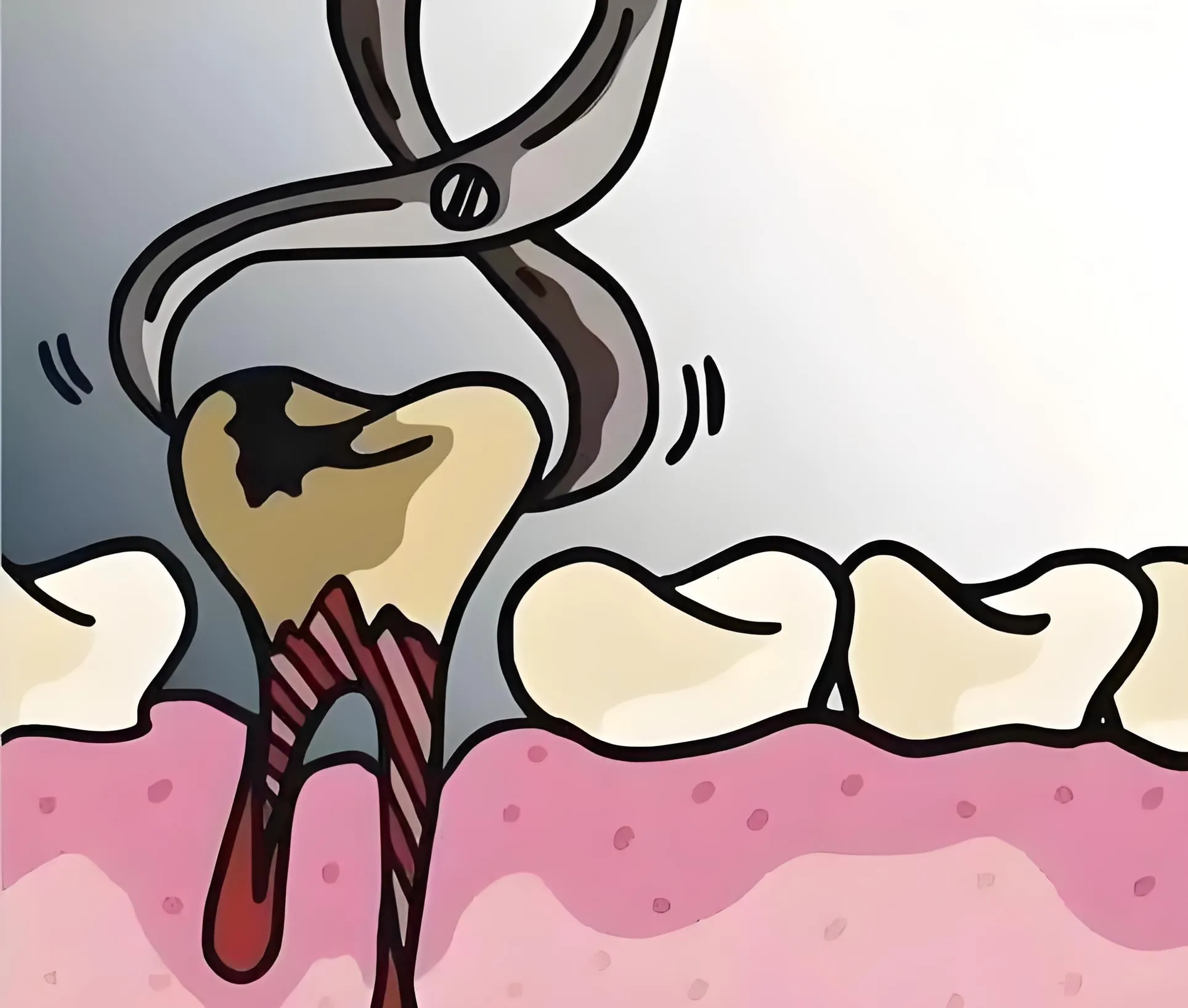
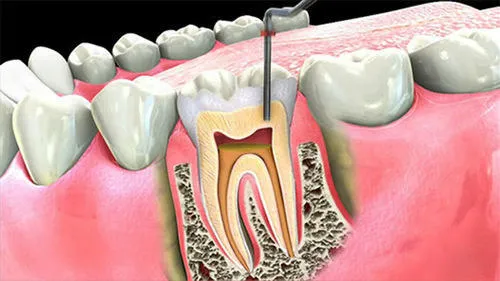
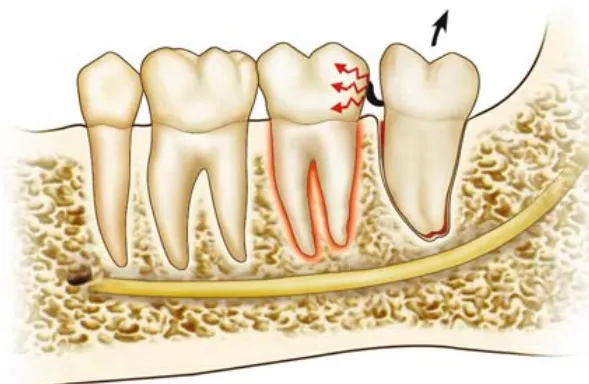
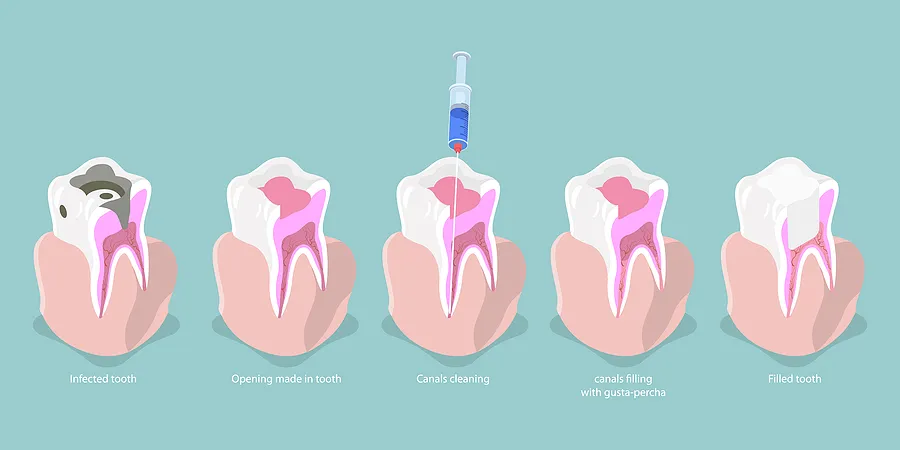
A root canal, also known as endodontic treatment, is a dental procedure used to remove infected or inflamed pulp inside a tooth. The pulp is the soft tissue containing nerves and blood vessels that keep your tooth alive. When bacteria invade this area due to deep decay, a cracked tooth, or repeated dental work, it can cause infections and severe pain. The purpose of root canal treatment is to clean out the damaged tissue, disinfect the space, and seal the tooth to prevent future infection — all while preserving your natural tooth structure.
In Thailand, many dental clinics, especially in major cities like Bangkok, Chiang Mai, and Phuket, use advanced technology such as digital X-rays and rotary tools for more comfortable and efficient root canal treatments.
### Common Tooth Infection Symptoms You Shouldn’t Ignore
Tooth infection symptoms often start subtly but can escalate quickly if left untreated. Here are some signs that may indicate you need a root canal treatment:
1. **Persistent toothache:** The most common symptom is lingering pain, especially while chewing or applying pressure on the tooth.
2. **Sensitivity to hot or cold:** If your tooth reacts to temperature changes and the discomfort lingers even after removing the stimulus, it could mean the pulp is affected.
3. **Swollen gums or face:** Infections can cause inflammation, leading to visible swelling near the affected tooth or even your jawline.
4. **Darkened tooth color:** A tooth that appears darker than the others may have underlying nerve damage or decay.
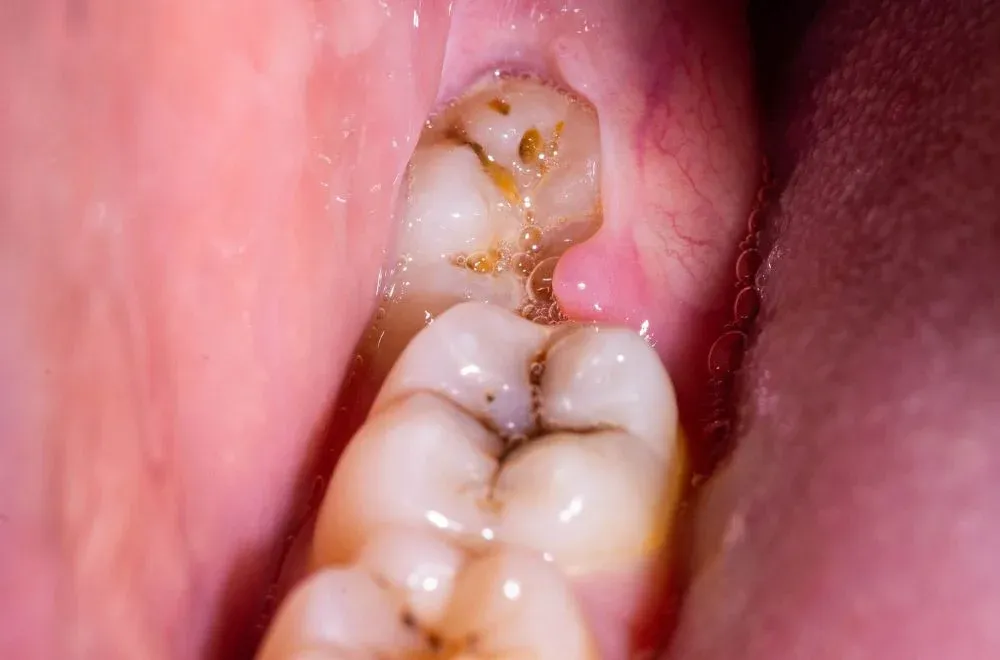
5. **Pus discharge or bad taste:** In some cases, an abscess can form, leading to a pus pocket, foul smell, or unpleasant taste in the mouth.
If you notice any of these symptoms, it’s best not to delay a dental consultation. Early treatment can save your tooth and reduce complications.
### Why Choose Root Canal Treatment in Thailand?
Thailand is a well-known destination for dental care, offering high-quality services often at a fraction of the cost compared to Western countries. Here are a few reasons why people choose to have root canal treatment in Thailand:
- **Highly skilled dentists:** Thai dentists receive rigorous training and many hold international certifications, ensuring they follow global standards of care.
- **Modern technology:** Clinics are equipped with advanced t
ools like dental microscopes and digital imaging, making diagnosis and treatment more accurate.
- **Affordable pricing:** The cost of root canal treatment in Thailand can range from 4,000 to 10,000 THB per tooth, depending on complexity and clinic location — significantly lower than in many other countries.
- **Comfort and hospitality:** Thai dental clinics are known for friendly service, English-speaking staff, and a relaxing environment that helps ease patients’ anxiety.
- **Perfect for dental tourists:** Many visitors combine their dental appointments with a relaxing holiday, enjoying Thailand’s beaches, cuisine, and wellness retreats.
### Step-by-Step Root Canal Procedure in Thailand
A typical root canal treatment in Thailand is usually completed in one to three visits, depending on the infection’s severity. Here’s what you can expect:
1. **Examination and X-ray:** Your dentist first takes an X-ray to see the extent of infection and assess the root structure.
2. **Local anesthesia:** You’ll receive local anesthesia to numb the area so you don’t feel any pain during the procedure.
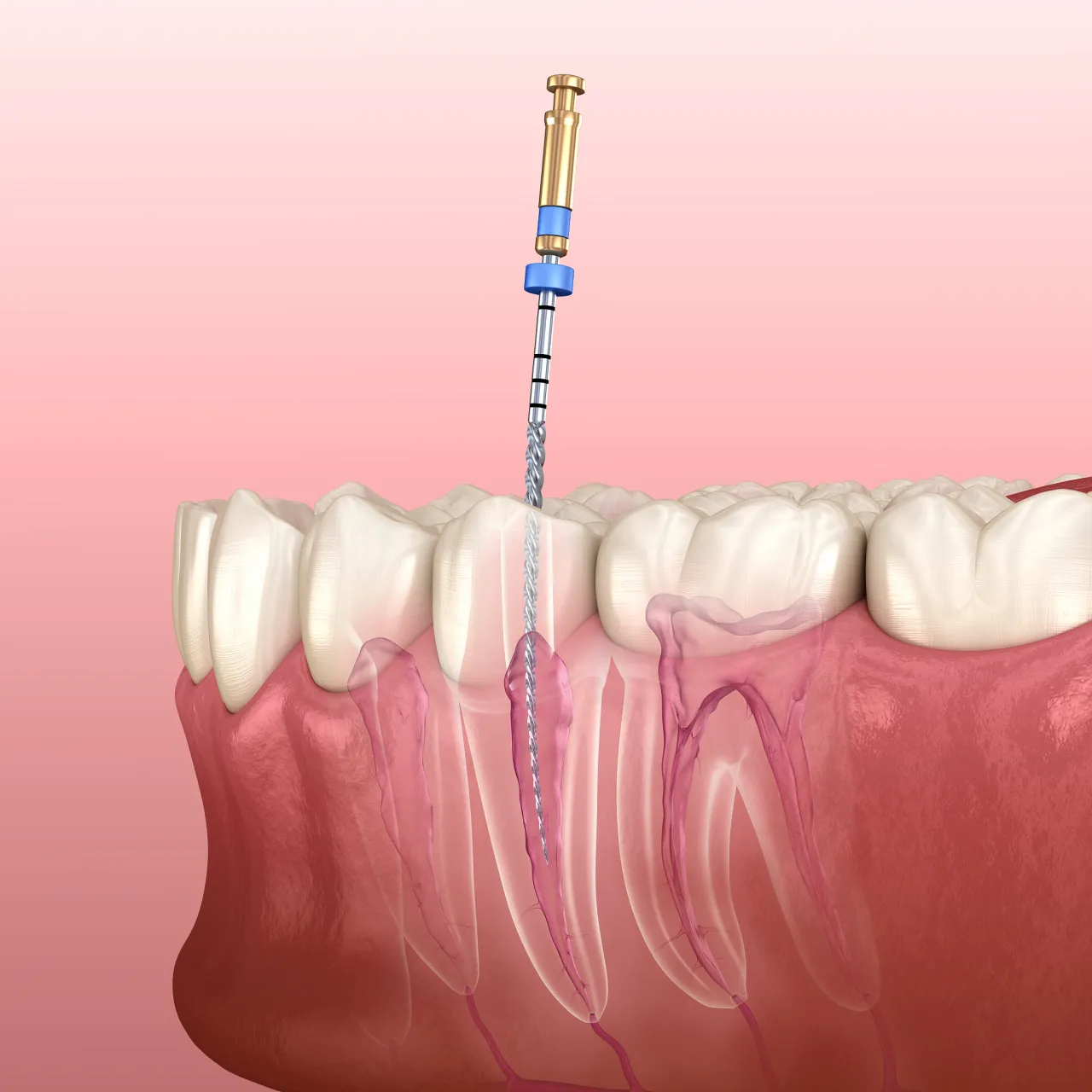
3. **Cleaning the canal:** The dentist creates a small opening in the tooth to remove the infected pulp and disinfect the canal using special instruments.
4. **Filling and sealing:** After cleaning, the canals are filled with a rubber-like material called gutta-percha to seal them and prevent reinfection.
5. **Restoration:** Finally, the tooth may need a dental crown for protection and strength, especially if it was severely damaged.
Most patients report feeling relief from their pain shortly after the procedure. Some mild soreness or sensitivity may last for a day or two, but this can be easily managed with pain relievers and proper aftercare.
### Aftercare Tips for Faster Recovery
To ensure your treated tooth heals well, follow these aftercare recommendations:
- Avoid biting on hard foods until your dentist places the final crown.
- Maintain good oral hygiene — brush twice daily and floss gently.
- Rinse with salt water if you notice mild gum discomfort.
- Attend follow-up appointments as scheduled.
With proper care, a tooth that has undergone root canal treatment can last a lifetime.
### Final Thoughts
Dealing with tooth infection symptoms can be stressful, but you don’t have to suffer in silence. Root canal treatment in Thailand offers a safe, affordable, and effective solution to save your natural tooth and eliminate pain. The combination of skilled dentists, advanced technology, and Thai hospitality ensures a comfortable dental experience from start to finish.
Whether you’re a local resident or an international patient seeking reliable and cost-effective dental care, Thailand’s dental clinics are well-equipped to provide top-quality root canal treatments. So if you’ve been dealing with persistent tooth pain or signs of infection, it might be time to schedule that appointment — and smile confidently again.