Thailand Root Canal Therapy for Toothache Due to Root Infection
Thailand Root Canal Therapy for Toothache Due to Root Infection
**Thailand Root Canal Therapy for Toothache Due to Root Infection**
If you’ve ever experienced a persistent toothache that just won’t go away, it might be more than just a cavity. In many cases, severe tooth pain is caused by an infection deep inside the root of the tooth. Here in Thailand, root canal therapy is a common and effective treatment to relieve this pain, save the tooth, and restore oral health. Many locals and expats alike choose Thai dental clinics for both the quality of care and the reasonable prices.
---
### Understanding Toothache from Root Infection
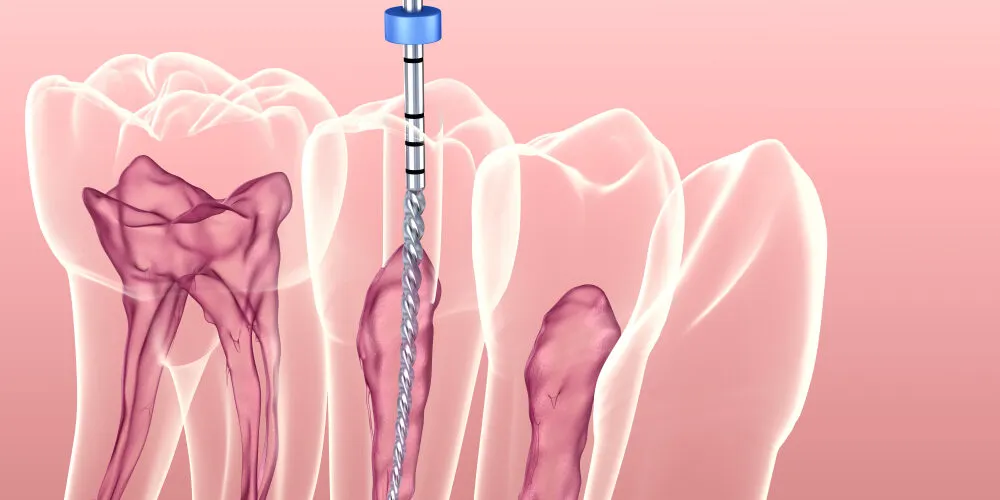
A toothache caused by a root infection (also known as pulpitis or an infected dental pulp) happens when bacteria penetrate through the enamel and dentine, reaching the pulp — the soft tissue inside the tooth that contains nerves and blood vessels. This infection can cause swelling, intense pain, and sensitivity to hot or cold drinks. In Thailand, people sometimes describe the pain as *jang* (intense) or *pen mai dai* (can’t function), showing just how much it can affect daily life.
Common reasons for root infection include:
- Deep untreated cavities
- Cracked or chipped teeth from accidents or biting hard foods
- Repeated dental procedures on the same tooth
- Gum disease spreading to the root area
If left untreated, the infection can spread to surrounding tissues, cause abscesses, or even affect overall health. That’s why dentists in Thailand often advise patients not to delay treatment.
---
### What is Root Canal Therapy?
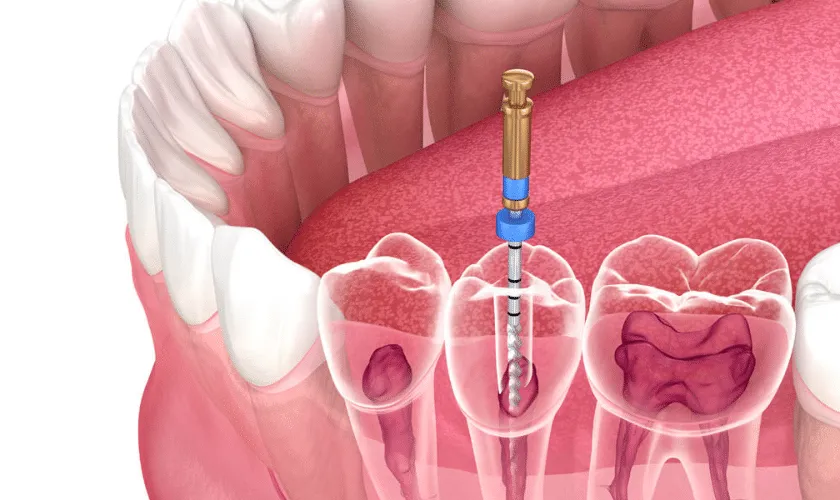
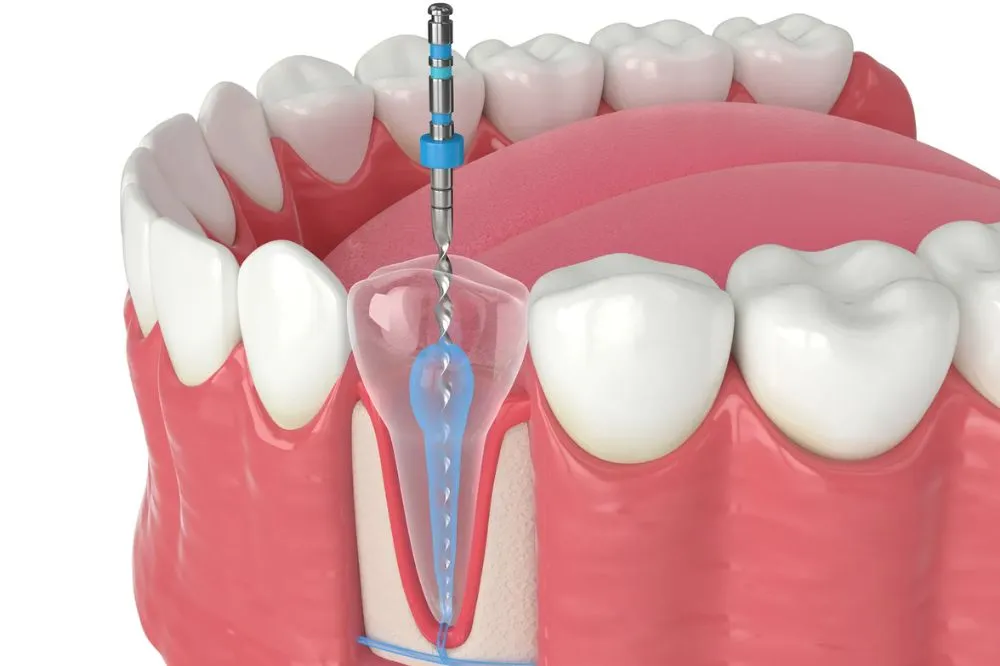
Root canal therapy is a dental procedure designed to remove infected pulp tissue from inside the tooth, clean and disinfect the canal space, and seal it to prevent future infections. In Thailand, this treatment is performed in both public hospitals and private clinics, with many practices using advanced equipment such as digital X-rays and rotary endodontic instruments.
The process typically involves:
1. **Diagnosis** – A dentist will check symptoms, take X-rays, and determine if the root canal is necessary.
2. **Anesthesia** – Local anesthesia is given to ensure the procedure is pain-free. Thai dentists are known for being gentle and reassuring, making patients feel at ease.
3. **Pulp Removal** – The infected pulp is removed through a small opening in the tooth.
4. **Cleaning and Shaping** – The canal is cleaned, shaped, and disinfected to eliminate bacteria.
5. **Filling and Sealing** – The canal is filled with a biocompatible material and sealed.
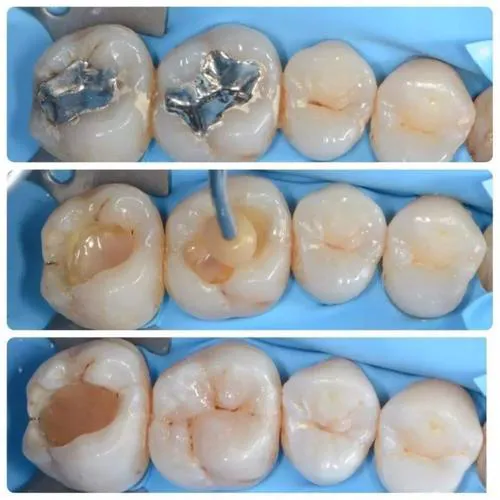
6. **Restoration** – Often, a crown is placed over the treated tooth to strengthen it and restore appearance.
---
### Root Canal Therapy in Thailand: Why People Choose It
Thailand has developed a strong reputation for dental care in Southeast Asia. There are several reasons why root canal treatments here are popular and trusted:
- **Qualified Dentists** – Many dentists in Thailand are trained both locally and abroad, and some specialize in endodontics, the branch of dentistry dealing with root canals.
- **Modern Facilities** – Large
r cities like Bangkok, Chiang Mai, and Phuket have clinics equipped with cutting-edge technology.
- **Affordable Costs** – Compared to Western countries, root canal therapy in Thailand can be up to 60–70% cheaper, without compromising quality.
- **Friendly Service** – The Thai concept of *service with a smile* applies in dentistry as well.
- **Accessible Care** – Even smaller towns often have dental clinics capable of performing root canal procedures.
---
### Signs You Might Need Root Canal Therapy
It’s not always easy to know if your toothache requires a root canal, but here are signs Thai dentists recommend looking out for:
- Persistent pain, even after taking pain relief tablets
- Severe sensitivity to hot or cold that lingers
- Swelling in the gums near the affected tooth
- Dark discoloration of the tooth
- Tenderness when chewing or touching the tooth
- Presence of pus or bad taste in mouth due to infection
If you notice these symptoms, it’s best to book an appointment quickly. In Thailand, many clinics offer same-day consultations, especially in tourist areas.
---
### Recovery and Aftercare
After a root canal treatment, your tooth may feel slightly tender for a few days. Dentists here will usually recommend avoiding hard foods until the crown is placed, rinsing with warm salt water, and keeping up with regular dental check-ups. The Thai dental community often emphasizes *pen tam dai* (can be fixed) when it comes to root canals — as long as patients maintain good oral hygiene afterward, the tooth can last for many years.
---
### Prevention: How to Avoid Root Infection
While root canal therapy is effective, prevention is always better. Thai dentists encourage:
- Brushing twice daily with fluoride toothpaste
- Flossing to remove food particles between teeth
- Limiting sugary snacks and drinks, especially sweet Thai iced tea
- Wearing mouthguards during sports to prevent tooth injury
- Getting professional dental cleaning every 6 months
---
### Cost and Accessibility in Thailand
Prices for root canal therapy vary depending on whether it’s a front tooth, premolar, or molar, and whether you choose a public hospital or private clinic. In Bangkok, the procedure can cost between 6,000 to 15,000 THB per tooth, while in smaller towns, it may be more affordable. The reasonable pricing, combined with high quality, attracts not only locals but also dental tourists from countries like Australia, the UK, and Japan.
---
### Final Thoughts
Toothache due to root infection can be truly debilitating, but in Thailand, root canal therapy offers a reliable and comfortable solution. With skilled dentists, modern facilities, and a caring approach, patients can quickly get relief and keep their natural teeth for years ahead. Whether you’re living here or visiting, knowing that expert dental care is close by can give you peace of mind.
If you suspect a root infection, don’t wait — your smile and your comfort are worth the prompt care that Thai dentistry is known for.