Thailand Tooth Extraction and Healing Timeline Explained
Thailand Tooth Extraction and Healing Timeline Explained
**Thailand Tooth Extraction and Healing Timeline Explained**
Getting a tooth extraction can feel a little intimidating, especially if you’re planning to do it in Thailand and are wondering what the recovery process looks like. Whether it’s a wisdom tooth, a decayed molar, or a damaged tooth that needs removal, understanding how the healing timeline works can help you feel more confident and prepared. Thailand has a strong reputation for high-quality dental care at affordable prices, and clinics here are known for their gentle approach and modern techniques. Let’s walk through what to expect before, during, and after your extraction, along with a realistic healing timeline.
### Preparing for Your Tooth Extraction in Thailand
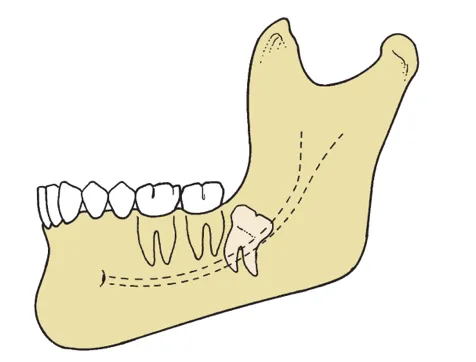
Most Thai dental clinics will start by doing an oral examination and taking X-rays to understand the tooth’s position and root structure. The dentist will explain whether the procedure is a simple extraction or a surgical one. In Thailand, communication between dentist and patient is usually very open and friendly. You’ll often hear your dentist say things like, “Don’t worry, it’s a quick procedure,” or “You might feel a bit of pressure, but no pain.”
Before extraction, patients may be advised to avoid eating for a few hours or to take prescribed antibiotics if there’s an infection. Many clinics provide clear pricing upfront, so you’ll know exactly what you’re paying for. Simple extractions in Thailand can cost anywhere from 500 to 1,500 THB, while surgical extractions (such as wisdom teeth) may range from 2,000 to 5,000 THB, depending on complexity.
### The Extraction Day: What Happens During the Procedure
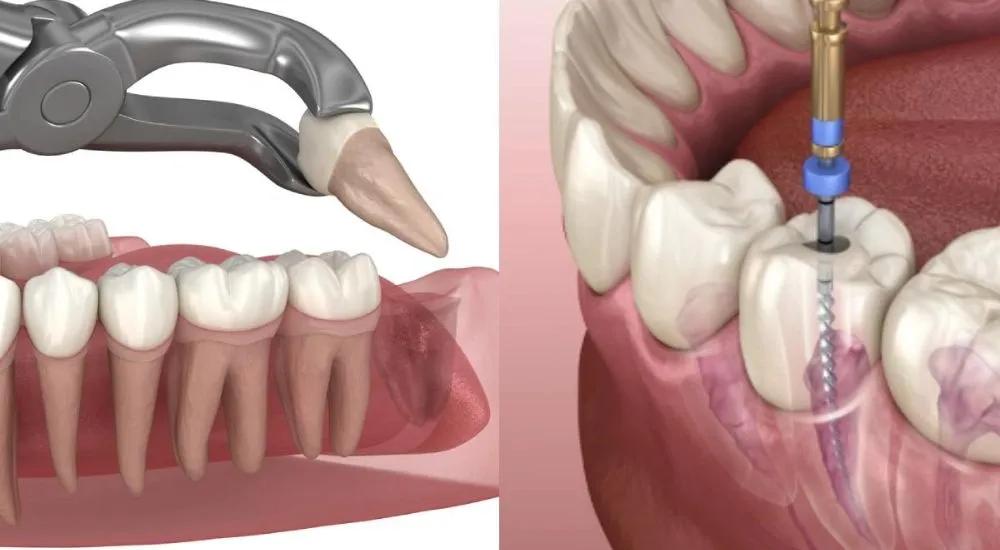
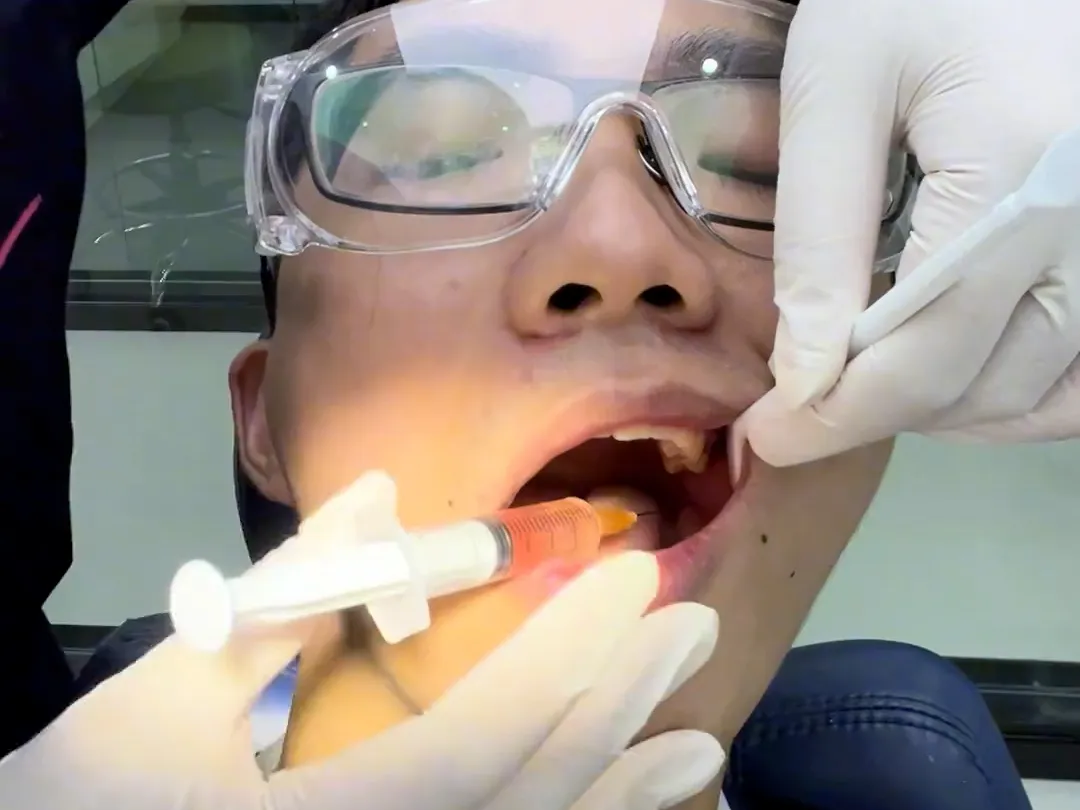
On the day of your tooth extraction, your dentist will first numb the area using local anesthesia. In Thailand, dentists are known for their caring chair-side manner, often checking in with phrases like “Are you comfortable?” or “If you feel pain, let me know.” Once the area is numb, your dentist gently loosens the tooth using dental instruments and removes it carefully to minimize trauma.
The whole process usually takes 20–40 minutes for a routine extraction. A surgical extraction—especially for an impacted wisdom tooth—might take up to an hour. After the tooth is removed, your dentist will clean the socket, control the bleeding, and place sterile gauze for you to bite down on. They may give you post-operative instructions in English or Thai, such as “Don’t rinse your mouth for 24 hours,” or “Avoid hot food and drinks today.”
### First 24 Hours After Tooth Extraction
This is the most crucial period for healing. A blood clot will form in the socket to protect the bone and nerve endings. In Thailand’s warm and humid climate, your dentist may remind you to keep the area clean and avoid spicy food, which can irritate the wound. Some discomfort, swelling, or mild bleeding is normal.
You should:
- Rest and avoid strenuous activity.
- Bite gently on the gauze pad for at least 30–45 minutes.
- Avoid smoking or drinking through a straw.
- Follow your dentist’s medication instructions carefully.
Many Thais recommend drinking cool coconut water or eating soft foods like porridge (“jok”) or smoothies during this stage—it’s easy on your heali
ng mouth and refreshing in Thailand’s weather.
### Days 2–3: Swelling and Recovery Start
By the second or third day, swelling may peak, especially if the extraction was surgical. You can reduce swelling by applying a cold compress for 10–15 minutes at a time. Dentists in Thailand often provide saline mouth rinses or suggest using salt water after the first 24 hours to keep the area clean.
Most patients are able to resume normal daily activities within these few days, especially expats or travelers who want to explore Bangkok, Chiang Mai, or Phuket. Just remember to avoid hard or chewy foods, and skip spicy street food for now—tempting as it may be!
### Days 4–7: Early Healing and Stitches Check
If you had stitches placed, your dentist might ask you to come back for a follow-up within a week. Thai dental clinics are typically very efficient, and most follow-up visits are quick and friendly. You’ll notice the inflammation starting to go down and the soreness easing. During this stage, the blood clot becomes firmer, and tissue begins to regenerate.
Continue to maintain good oral hygiene, but brush gently around the extraction site. Warm saltwater rinses twice daily are highly recommended. Many patients find that they can start eating soft rice, boiled vegetables, or noodles without discomfort by this point.
### Weeks 2–3: Significant Healing and Normal Function
After two weeks, the majority of the healing is complete. The gum tissue closes over the socket, and most people feel completely normal. If you had a surgical extraction, the timeline might extend slightly. In Thailand, you’ll often be advised to return for one final check-up to make sure everything healed properly.
By now, you can safely enjoy your favorite Thai dishes again, including mild curries and stir-fries. As always, your dentist will remind you to continue practicing good oral hygiene to prevent infection or future problems.
### One Month and Beyond: Complete Recovery
Within four to six weeks, the gum tissue should be fully healed. The bone underneath continues to remodel over time. If you’re planning to replace the missing tooth with an implant or bridge, your Thai dentist will discuss the appropriate timing—usually after two to three months when the bone has stabilized.
Dental professionals in Thailand are known for their follow-up care and attention to patient comfort. They’ll ensure long-term healing and help you plan whatever comes next, whether it’s a crown, implant, or orthodontic adjustment.
### Final Thoughts
Tooth extraction is a common procedure, and when done in Thailand, it combines professional care with exceptional hospitality. The healing timeline is mostly the same worldwide, but Thai dentists often add a personal touch, ensuring patients feel comfortable and well-informed every step of the way. The key to smooth recovery is following your dentist’s instructions, eating soft and healthy foods, and maintaining gentle oral hygiene.
So, whether you live in Thailand or are visiting for dental treatment, you can feel confident knowing that the process—from extraction to complete healing—is well managed, affordable, and supported by a team that truly cares about your smile.