What to Expect After Thailand Tooth Extraction Surgery
What to Expect After Thailand Tooth Extraction Surgery
**What to Expect After Thailand Tooth Extraction Surgery**
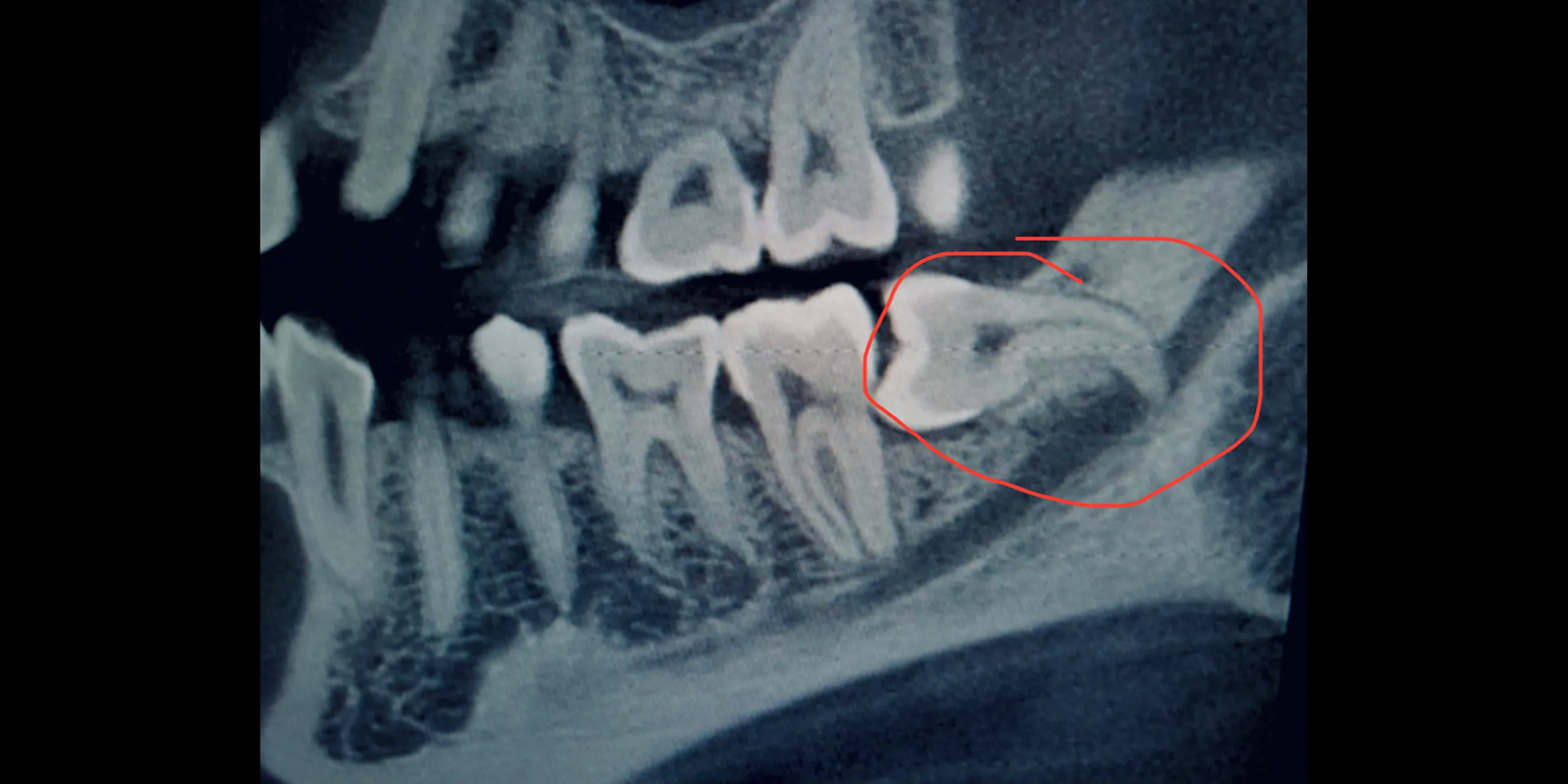
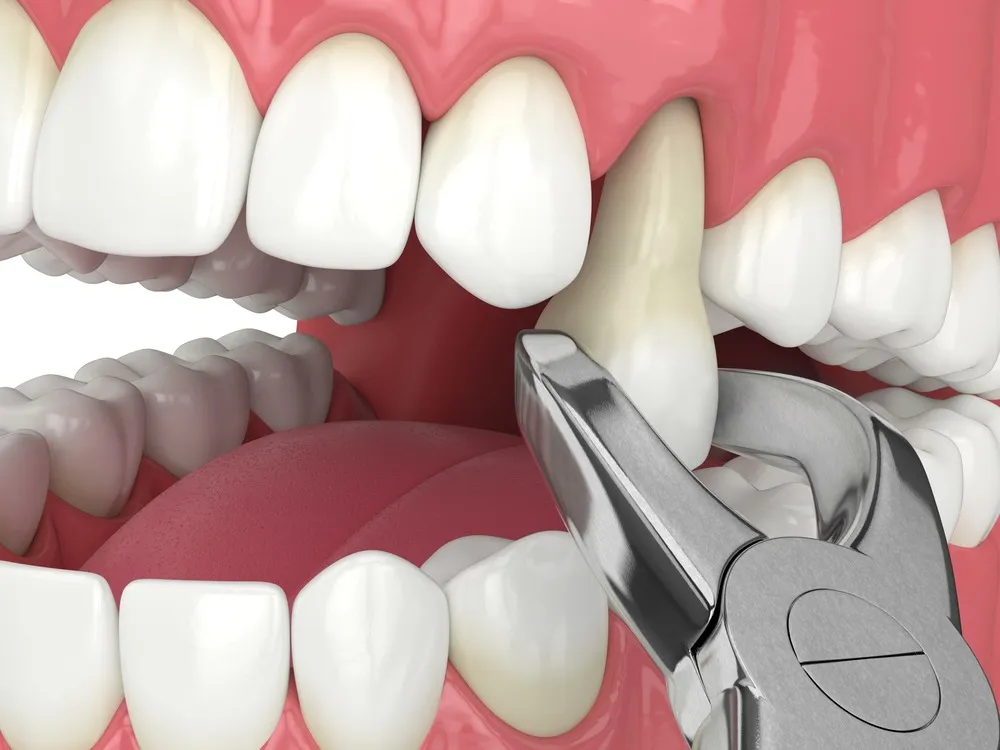
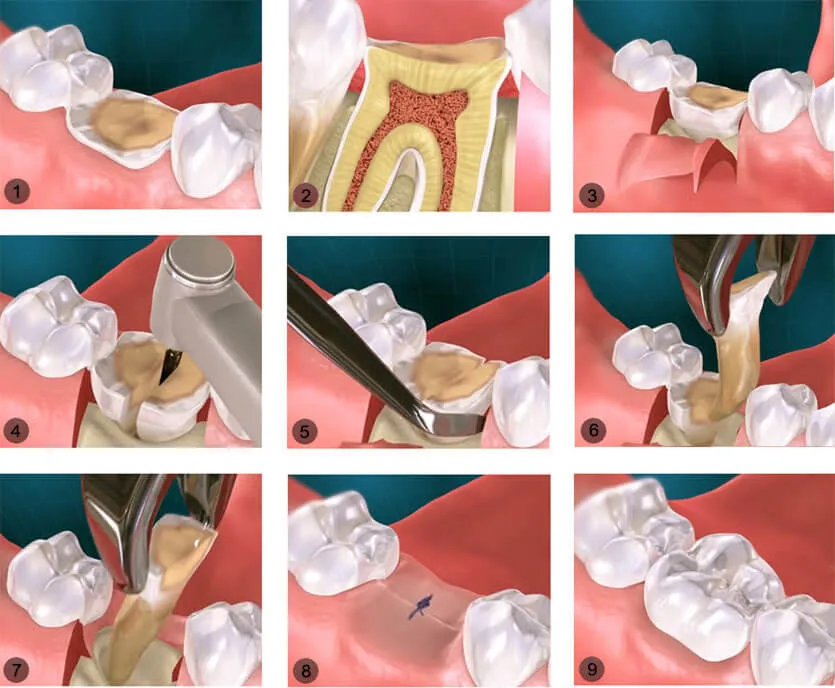
Having a tooth pulled out may sound scary, but in Thailand, dental clinics have made the experience smooth, safe, and surprisingly comfortable. Whether you’re having your wisdom tooth removed or dealing with a severely decayed molar, knowing what to expect after your tooth extraction can make the healing process much easier. Here’s a friendly guide to help you understand what happens after the procedure, how to care for yourself, and when to contact your dentist.
---
### 1. Right After the Surgery
Once your dentist completes the extraction, you’ll usually be asked to bite gently on a piece of gauze to help stop bleeding and form a clot. This blood clot is important because it protects the bone and nerves underneath your gum. In many Thailand dental clinics, dentists will explain these steps clearly and even provide you with written post-surgery care instructions, both in English and Thai if needed.
You may spend about 20–30 minutes in the clinic until the bleeding stops. Don’t worry if you still feel a little numb—this comes from the local anesthetic, and the feeling will return after a few hours.
---
### 2. Common Sensations After Extraction
Once the anesthesia wears off, mild pain, swelling, or tenderness are very normal. Dentists in Thailand usually prescribe pain relievers or suggest over-the-counter medication to manage discomfort. If antibiotics are given, it’s important to complete the full course as instructed.
You might also notice a little oozing of blood during the first day. Simply replace the gauze as your dentist advised. Avoid touching the socket with your tongue or fingers—even though it’s tempting—because it can disturb the clot and slow down healing.
---
### 3. Managing Swelling and Discomfort
A bit of swelling is expected, especially if your tooth was difficult to remove or if it was an impacted wisdom tooth. To reduce swelling, apply an ice pack gently on your face for about 10–15 minutes at a time during the first 24 hours. Some Thais like to mix comfort and care by enjoying cool soft foods like congee (rice porridge) or chilled yogurt—it soothes the mouth while helping you stay nourished.
Avoid hot food, hard chewing, and spicy dishes, as these can irritate the wound. Thai spicy food will have to wait for a few days!
---
### 4. Eating and Drinking After Surgery
You should wait until the numbness from anesthesia completely disappears before eating, to prevent accidentally biting your cheek or tongue. For the first day or two, stick to soft, lukewarm foods such as soup, scrambled eggs, mashed potatoes, smoothies, or soft rice.
Drinking plenty of water is highly recommended, but avoid using a straw. The suction from straws can dislodge the blood clot and cause a painful condition known as “dry socket.” Also steer clear of alcohol and smoking, as they delay healing and increase the risk of infection.
---
### 5. Oral Care and Cleaning Tips
Good oral hygiene is key to a fast recovery. However, be gentle around the extraction site. On the first day, avoid brushing near the wound completely. From the next day, you can brush your other teeth normally but rinse gent
ly. Many dentists in Thailand recommend rinsing your mouth with warm salt water (about half a teaspoon of salt in a glass of water) two to three times per day after meals. This helps keep the area clean and supports healing naturally.
Remember: don’t spit forcefully or rinse too hard—you don’t want to disturb the healing site.
---
### 6. How Long the Healing Takes
Every person heals differently, but generally, the gum tissue closes within one to two weeks. The bone underneath, however, continues to heal for several months. For a simple tooth extraction, most people feel back to normal after about three to five days. Wisdom tooth extractions or surgical removals may take a little longer.
In Thailand, dentists often schedule a short follow-up appointment to check on your healing, especially if stitches were used. Some clinics use self-dissolving sutures that disappear on their own, while others may remove them after a week or so.
---
### 7. When to Contact Your Dentist
While mild discomfort is normal, certain signs mean you should contact your dentist immediately. These include heavy or continuous bleeding, severe pain after the third day, swelling that worsens, pus, a foul taste in your mouth, or fever. These symptoms may indicate an infection or dry socket, and your dentist will know exactly how to manage it.
Most Thai dental clinics offer easy communication through Line or WhatsApp, so don’t hesitate to reach out if something feels unusual.
---
### 8. Tips to Speed Up Recovery
To help your mouth recover faster, get plenty of rest, eat nutritious meals, and avoid strenuous activities for the first two days. Keep your head slightly elevated while sleeping to reduce swelling. If you smoke, try to stop for at least 72 hours after surgery—your mouth will thank you later.
It’s also helpful to plan your extraction around a relaxed period, such as before the weekend or during a short holiday, so you can rest comfortably without needing to rush back to work.
---
### 9. Why Thailand Is a Popular Choice for Dental Care
Thailand is world-famous for its high-quality dental services at affordable prices. Many clinics are equipped with modern technology and English-speaking dentists who are experienced in treating both locals and international patients. The warm hospitality that the country is known for extends to its dental care too—you’ll be treated with kindness, patience, and professionalism.
Whether you’re based in Bangkok, Chiang Mai, or Phuket, you can easily find reputable dental clinics that specialize in extractions and other advanced treatments.
---
### Conclusion
Tooth extraction surgery in Thailand is usually straightforward and well-managed by skilled dentists. After the procedure, expect some mild discomfort, follow your after-care instructions carefully, eat soft foods, and rest. Healing differs from person to person, but with proper care and attention, you’ll be back to eating your favorite Thai dishes in no time.
Remember: patience, gentle care, and a good dental follow-up are the keys to a smooth recovery. Thailand’s friendly dental professionals will ensure your smile stays bright and healthy long after your tooth extraction.