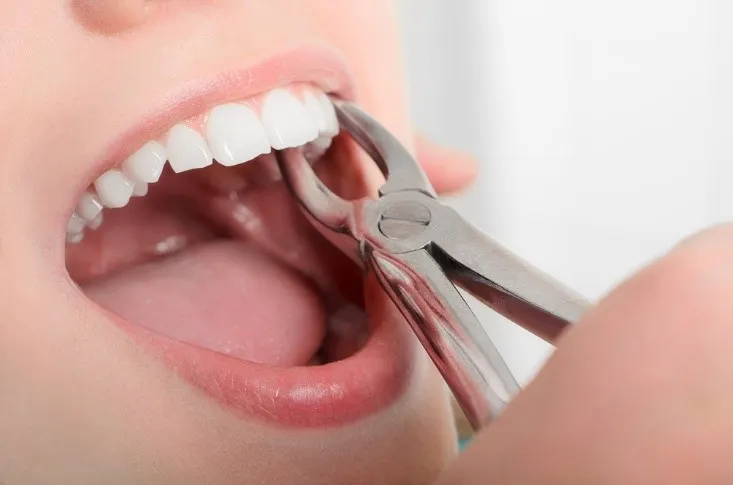
What Recovery Looks Like After Thailand Tooth Extraction
What Recovery Looks Like After Thailand Tooth Extraction
**What Recovery Looks Like After Thailand Tooth Extraction**
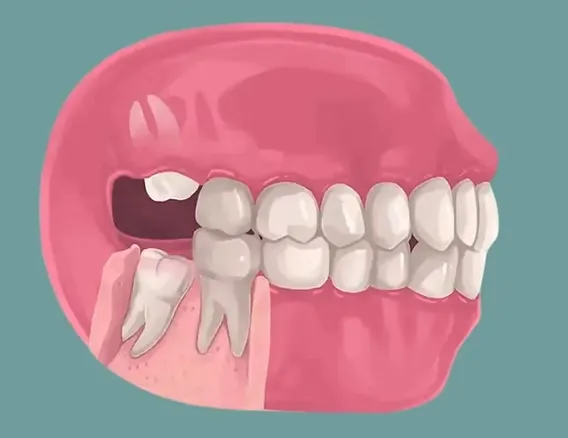
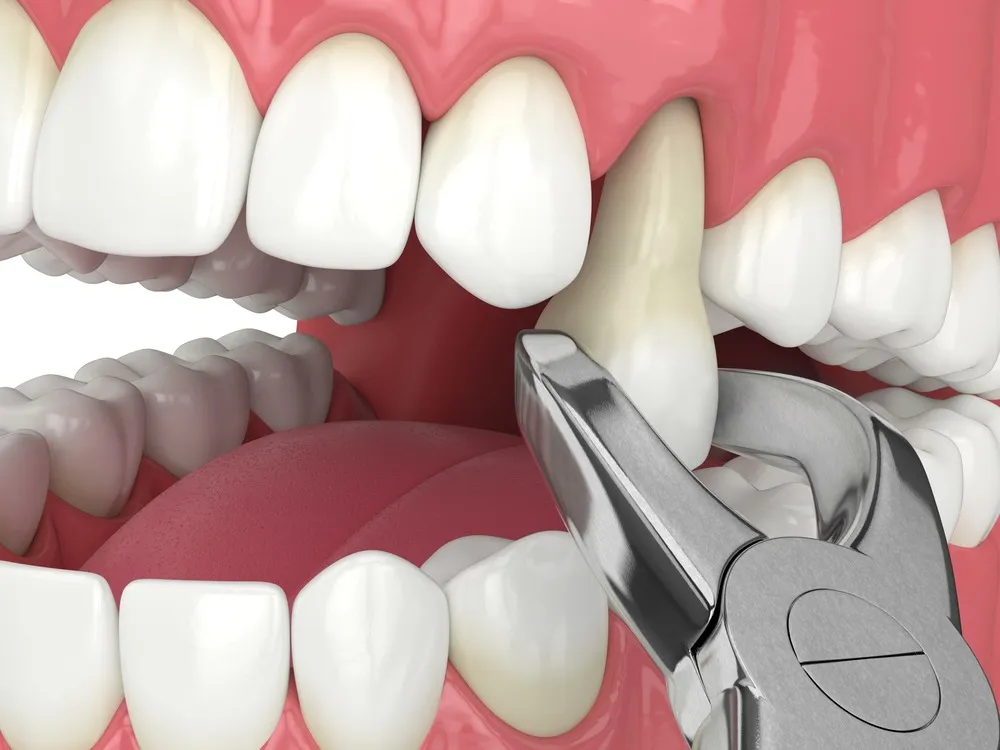
If you’ve ever needed a tooth pulled in Thailand, whether it’s because of wisdom teeth, severe decay, or overcrowding, you might wonder what recovery will be like. Many people get nervous about the healing process, but here in Thailand, dentists often reassure patients with a smile, “It’s not so bad if you take care and follow instructions.” Understanding what to expect and how to manage recovery can make the whole experience less stressful.
### The First Day: Taking It Easy
Right after the tooth extraction, your dentist will usually ask you to bite down on gauze for about 30–45 minutes to help stop bleeding. In Thai dental clinics, it’s common to get advice like, *“Don’t rush, just relax today.”* That means avoiding heavy activities, spicy foods, and anything too hot or cold. You might feel some numbness from the anaesthetic for a while, so be careful not to chew on that side.
Swelling can start a few hours later, especially with wisdom teeth removal. Ice packs are a common recommendation—Thais often say, *“Chill it down for 15 minutes, rest, repeat.”* This helps reduce swelling and discomfort.
### Pain Management the Thai Way
Pain after an extraction is normal, but manageable. Dentists in Thailand often prescribe painkillers and sometimes antibiotics if there’s a risk of infection. It’s quite common for local dentists to remind patients, *“Don’t skip doses, even if you feel okay.”*
Some locals also turn to gentle home remedies. For example, a warm saline rinse (using boiled water and salt) after the first day can help keep the area clean. But Thai dentists will warn: no vigorous rinsing on day one. That’s because the blood clot forming in the socket is essential for healing—if it’s disturbed, you might get “dry socket,” which is painful and slows recovery.
### Eating During Recovery
In Thailand, soft foods are the go-to after extraction. Think congee (rice porridge), banana, soft tofu, or steamed fish. Even those delicious Thai soups can work—just make sure they’re not too spicy and have cooled down. Dentists often say, *“Soft, gentle food for the first three days, chew on the other side.”*
Avoid crunchy, sticky, or hard foods. Some people may crave sticky rice, but dentists will usually caution against it during the healing phase. Drinking plenty of water is encouraged, but remember not to use a straw, as the suction can dislodge the blood clot.
### The Healing Timeline
Most people in Thailand find that pain and swelling reduce significantly within two to three days. For simple extractions, you might feel almost back to normal within a week, while more complex surgeries (like impacte
d wisdom teeth) can take longer—up to two weeks to fully settle.
Dentists here often plan a follow-up visit about a week after the procedure to check healing and remove any stitches if necessary. They’ll also inspect the gum area to make sure there’s no infection.
### Oral Care During Recovery
One key aspect of post-extraction care is maintaining oral hygiene without irritating the wound. On day one, you should avoid brushing near the socket. From day two onwards, you can gently brush, but keep movements slow and soft around the healing area.
In Thailand, dentists often recommend using a mild mouthwash after the initial healing starts, but many prefer saline rinses for their natural antibacterial effect. The message is clear: *gentle but consistent cleaning helps prevent problems.*
### Common Recovery Experiences in Thailand
Many patients here notice that bleeding stops quickly if they follow instructions. Swelling is often mild if ice packs are used promptly. Pain is usually manageable with prescribed medication and rest. Thai clinics tend to provide clear written guidelines, and some even follow up with a phone call—a friendly reminder that you’re not alone in the process.
One particular cultural touch is the emphasis on staying calm and positive. Thai dentists often tell nervous patients, *“Smile, it heals faster.”* While the smile may be metaphorical, the attitude helps—you recover best when stress is minimized.
### Knowing When to Seek Help
Recovery is usually smooth, but you should contact your dentist if:
- Pain increases dramatically after a few days
- Swelling worsens instead of improving
- There’s persistent bleeding beyond the first day
- You notice foul taste or smell from the wound
In Thailand, many clinics are easily accessible, and follow-up appointments are quick to arrange. Prompt attention prevents small issues from becoming big problems.
### Final Thoughts on Recovery in Thailand
Recovering from a tooth extraction in Thailand is often less daunting than people imagine. The blend of professional dental care, practical advice, and a touch of local warmth makes the process smoother. By following your dentist’s instructions—resting, managing pain properly, eating soft foods, and keeping the wound clean—you can expect steady healing.
And remember, whether you’re in Bangkok, Chiang Mai, or a beachside clinic in Phuket, dentists here are used to guiding patients through this experience. They’ll likely remind you with a calm voice, *“Don’t worry, you’ll be fine in a few days.”*
Take care, treat yourself gently, and in typical Thai fashion, approach recovery with patience and a little smile. Your gums will thank you for it.