What You Should Avoid After Thailand Tooth Extraction Treatment
What You Should Avoid After Thailand Tooth Extraction Treatment
**What You Should Avoid After Thailand Tooth Extraction Treatment**
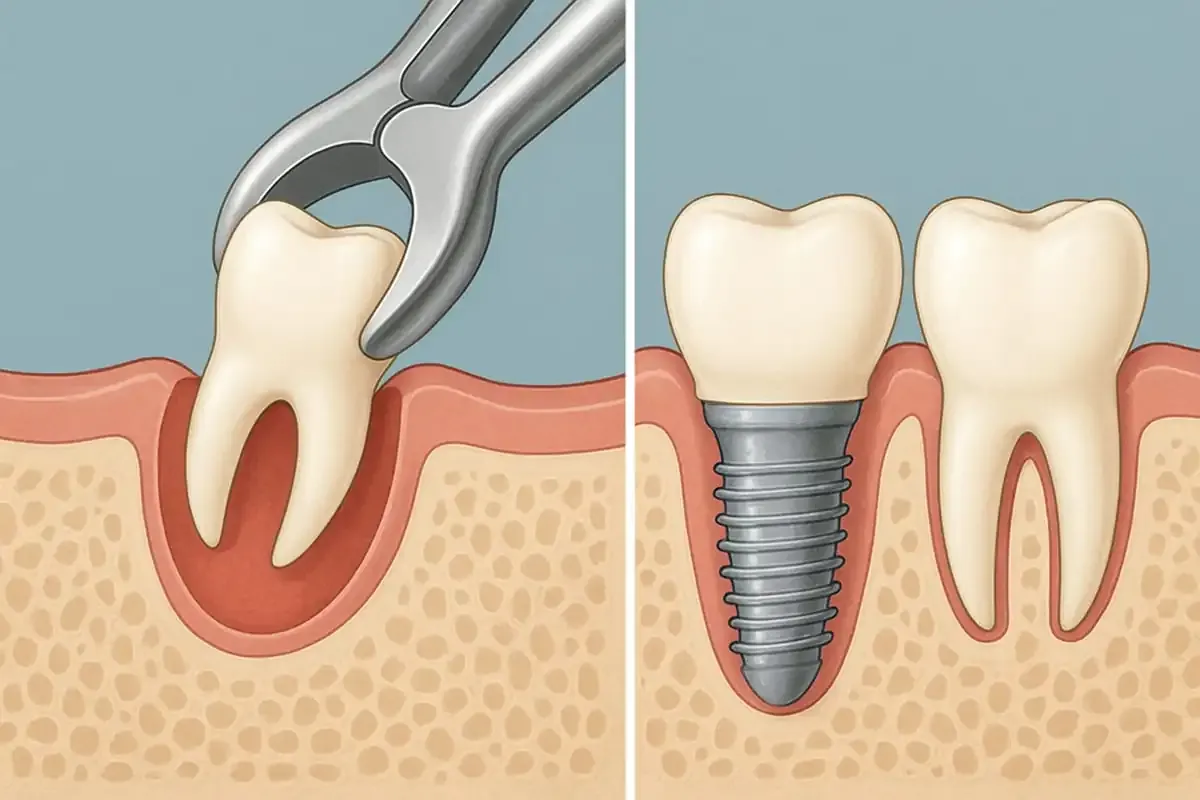
Getting a tooth extracted is a fairly common dental procedure in Thailand, especially for wisdom teeth or cases of severe decay. Thai dental clinics are known for their modern facilities, friendly service, and affordable prices, attracting both locals and international patients. However, even with skilled dentists, what happens *after* your tooth extraction plays a major role in how well you recover. Good aftercare ensures fast healing, prevents infection, and minimizes discomfort. To help you out, here’s a complete guide on what you should avoid after a tooth extraction treatment in Thailand.
### 1. Avoid Eating Hot, Spicy, or Crunchy Food
Thailand is famous for its delicious cuisine—think fiery som tum, spicy tom yum soup, and crispy fried dishes. But after tooth extraction, your mouth needs gentle care, not spicy excitement. Consuming spicy or extremely hot food can irritate the fresh wound and increase bleeding. Crunchy dishes like fried chicken, toasted bread, or sticky rice can get trapped in the extraction site and slow down healing.
For the first 24 to 48 hours, stick with soft and cool foods. Think yogurt, porridge, mashed potatoes, or banana smoothies. Once the swelling goes down and your dentist gives the green light, you can gradually enjoy your favorite Thai meals again.
### 2. Don’t Use a Straw or Rinse Too Hard
One of the most common mistakes people make is drinking through a straw after extraction. The sucking motion can loosen the blood clot that forms in the socket, leading to a painful condition called “dry socket.” Similarly, rinsing your mouth too forcefully or spitting repeatedly can also dislodge the clot.
After leaving the clinic, avoid using a straw for at least three to five days. If your dentist recommends rinsing, gently swish with warm saline water (salt and water) starting the next day. Just tilt your head and let the water move softly around your mouth without vigorous motion.
### 3. Avoid Smoking and Alcohol
If you’ve ever walked through Bangkok’s vibrant nightlife spots or the beach bars in Phuket, you know that a drink or a smoke is part of the social culture. But right after a tooth extraction, this is one thing you absolutely must avoid. Smoking not only delays healing but also increases the risk of infection, as tobacco chemicals restrict blood flow to the gums. Alcohol, on the other hand, can interfere with pain medications and delay tissue recovery.
For best results, try to avoid both smoking and drinking alcohol for at least 72 hours—or longer if your dentist advises. Your mouth will thank you, and you’ll heal much faster.
### 4. Don’t Forget to Rest
Many travelers plan their dental appointments in Thailand as part of a short holiday. It might be tempting to hit the beach right after your treatment or explore local markets the same day. But tooth extraction, particularly surgical ones, can take a toll on your body. You might experience slight bleeding, swelling, or fatigue afterward.
Take it easy for at least 24 hours. Rest in your hotel or home, keep your head elevated with a pillow, and avoid strenuous activities. Avoid bending forward or lifting anything heavy too
soon. Resting well gives your body the energy it needs to recover properly.
### 5. Avoid Touching the Wound Area
It’s quite natural to be curious about how your mouth feels after extraction. But using your tongue or fingers to poke the site can introduce bacteria and delay healing. Keep your hands away, and resist the urge to check constantly in the mirror. If you feel swelling or discomfort, apply a cold compress on the cheek side for 10–15 minutes at a time within the first few hours after extraction.
If any swelling or pain persists for more than a few days, don’t try to self-medicate; instead, contact your Thai dentist for a quick follow-up. Most clinics are happy to assist, even if you’re just visiting the country for dental tourism.
### 6. Don’t Skip the Medication or Instructions
After your procedure, your dentist will likely prescribe antibiotics, pain relievers, or antiseptic mouthwash. In Thailand, many dental clinics give detailed instructions in English, making it easy to understand. Still, it’s crucial that you don’t overlook these directions.
Finish the full course of antibiotics, even if you feel fine after a day or two. Take painkillers only as prescribed, and avoid switching to over-the-counter medications without consulting the dentist. Your dentist might also suggest a follow-up appointment to ensure proper healing—don’t skip it. Staying consistent with your aftercare routine gives you long-term dental health benefits.
### 7. Avoid Extreme Temperature Changes
Thailand’s climate can shift quickly between cool air-conditioned buildings and humid outdoor heat. Try not to expose your face and mouth to extreme temperature changes in the initial healing period. Sudden temperature shifts can make the gums more sensitive or cause discomfort.
Drink water at room temperature and avoid very hot or icy beverages for the first few days. Lukewarm soup, soft fruits, and room-temperature drinks are the way to go.
### 8. Don’t Panic About Minor Bleeding
A small amount of bleeding or oozing after extraction is normal. Many patients panic when they see blood in their saliva, especially those not familiar with dental treatments. What you should avoid, however, is excessive rinsing or chewing on the wound.
Instead, bite gently on the gauze your dentist provided for 30–45 minutes to help the bleeding stop. If the bleeding continues beyond a few hours, replace the gauze with a clean one or use a tea bag—the tannic acid can help form a clot. If heavy bleeding persists, contact your dental clinic right away.
### Final Thoughts
Recovering from a tooth extraction in Thailand can be smooth and comfortable if you take the right precautions. The key is to avoid anything that might disturb the healing process—no spicy food, no smoking, no hard rinsing, and plenty of rest. Following your Thai dentist’s instructions carefully will help you get back to enjoying local food, vibrant markets, and island adventures sooner.
A little patience, mindful care, and proper hygiene go a long way. Take it slow, eat soft, stay hydrated, and listen to your body. Within a few days, you’ll be smiling confidently again—ready for your next Thai meal or a sunset by the beach, pain-free and fully healed.