What to Eat After Thailand Tooth Extraction Procedure
What to Eat After Thailand Tooth Extraction Procedure
**What to Eat After Thailand Tooth Extraction Procedure**
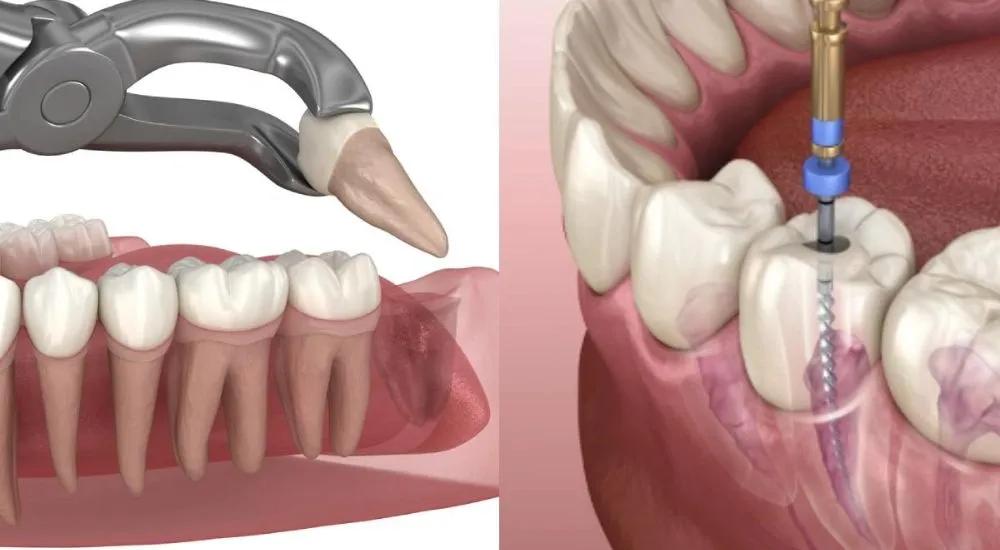
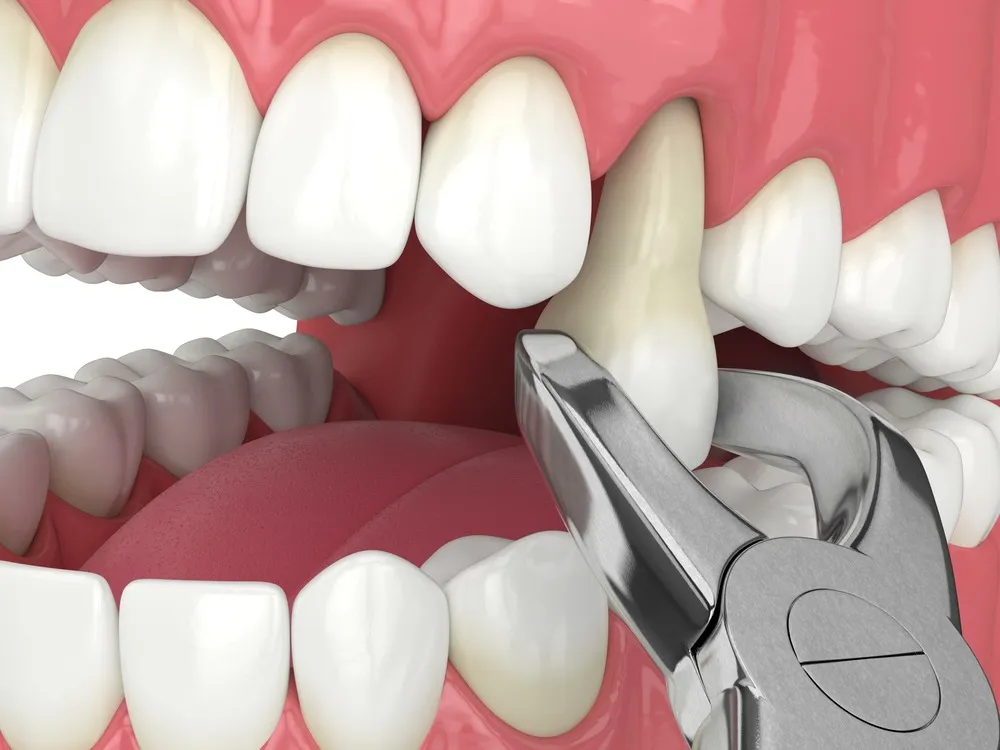
Getting a tooth extracted in Thailand is a common dental procedure, whether it’s done at a local clinic in Bangkok or a dental hospital in Chiang Mai. After the extraction, many patients wonder what they should eat during the recovery period. The right diet not only helps you heal faster but also keeps you comfortable and prevents complications like infection or dry socket. If you’ve just had your tooth pulled and you’re unsure what to eat, this guide will walk you through everything you need to know — with a friendly Thai touch.
---
### **Understanding the First 24 Hours**
Right after your tooth extraction, your mouth needs time to form a blood clot at the socket. This clot protects the exposed bone and nerves, so its crucial not to disturb it. During the first 24 hours:
- Avoid using a straw or spitting forcefully
- Stay away from hot foods or drinks
- Don’t smoke or drink alcohol
- Focus on soft, room-temperature foods
In Thai weather, it can be tempting to grab an iced coffee or chilled bubble tea, but try to hold off for at least a day. Sudden temperature changes can irritate your healing gums.
---
### **Soft Foods to Eat After Tooth Extraction**
In Thailand, you’re lucky — the cuisine has plenty of soft and comforting foods that are perfect for post-dental recovery. Here are some great options:
1. **Khao Tom (Rice Soup):** This gentle, fragrant soup is one of the best foods for healing after dental surgery. It’s easy to eat, filling, and you can control the temperature. Add minced pork, fish, or tofu for protein.
2. **Congee (Jok):** A thicker version of rice porridge, jok is a popular Thai breakfast and ideal for people who just had their tooth extracted. It’s smooth, warm, and soothing, especially when served plain or with soft egg.
3. **Mashed Pumpkin or Sweet Potato:** These are nutritious and naturally soft, offering vitamins that support healing. You can add a touch of coconut milk for a Thai-style flavor.
4. **Smoothies and Blended Fruits:** Once your mouth feels a bit better, go for smoothies with banana, papaya, or mango. These are gentle on the gums and rich in nutrients. Just avoid using a straw — drink directly from the cup.
5. **Soft Noodles (Sen Mee or Glass Noodles):** When cooked well and cut into small portions, soft noodles can be easy to chew. Avoid spicy broth or fried toppings until your wound has healed.
---
### **Foods to Avoid**
To ensure smooth recovery, you need to know what foods could irritate the wound or slow healing. Skip the following during the first week:
- **Spicy foods:** Classic Thai dishes like som tum or tom yum may be tempting, but chili and lime can sting the extraction site. Wait a few days before indulging again.
- **Crunchy or chewy foods:** Avoid items like crispy pork, sticky rice, nuts, or fried snacks. They can dislodge the blood clot or get stuck in
the wound.
- **Hot or steaming foods:** Give your gum tissue time to recover before consuming anything very hot, as it can increase swelling.
- **Acidic fruits and juices:** Pineapple, orange, and lemon juices should be avoided initially — they’re too sharp and can cause pain.
Instead, choose mild flavors and soft textures. This will make your recovery more comfortable and reduce the risk of irritation.
---
### **Hydration Matters**
Thailand’s warm climate means you can easily get dehydrated, especially if you’re avoiding certain drinks after surgery. Keep sipping water throughout the day, but remember — no straws. If plain water feels boring, try coconut water. It’s refreshing, naturally hydrating, and full of electrolytes that help with healing. Avoid sugary or carbonated drinks because they can slow recovery and increase infection risk.
---
### **Gradual Return to Regular Foods**
After two or three days, most patients start to feel much better. You can slowly reintroduce more variety into your meals. Start by eating soft-cooked vegetables, scrambled eggs, and stewed tofu. If you tolerate these well and don’t experience pain, you can move on to steamed fish or minced chicken.
Listen to your body. If chewing on one side feels uncomfortable, switch sides or stick to softer dishes a bit longer. A typical Thai recovery diet might progress like this:
- **Day 1-2:** Khao tom, jok, plain yogurt
- **Day 3-5:** Soft noodles, mashed veggies, egg dishes
- **Day 6 onwards:** Tender meat, boiled rice, mild curry without spice
Remember, every person heals at a different pace. Don’t rush back to hard or spicy foods just because you feel okay — let the wound close completely first.
---
### **Extra Tips from Thai Dentists**
Many dentists in Thailand recommend rinsing your mouth gently with warm salt water after the first 24 hours. Mix half a teaspoon of salt in a glass of lukewarm water and swish lightly after meals. This helps keep the area clean and prevents infection.
Also, always follow your dentist’s medication instructions carefully. Take pain relievers or antibiotics exactly as prescribed. If you notice unusual swelling, persistent bleeding, or severe pain after three days, it’s best to go back to your clinic for a quick check-up.
---
### **Final Thoughts**
Recovering from a tooth extraction in Thailand doesn’t have to be stressful or uncomfortable. With a little care and thoughtful food choices, your healing process can be smooth and even delicious. Remember to choose soft, mild, and nutritious meals — Thailand offers plenty of comforting options like khao tom, jok, and fruit smoothies that make recovery easier.
By eating wisely and allowing your body to heal at its own pace, you’ll be able to get back to enjoying your favorite Thai meals — spicy pad kra pao and all — in no time. Take it slow, stay hydrated, and your smile will be back to normal before you know it.