What Are the Risks of Thailand Tooth Extraction for Tourists
What Are the Risks of Thailand Tooth Extraction for Tourists
**What Are the Risks of Thailand Tooth Extraction for Tourists**
Thailand has long been famous for its beautiful beaches, delicious street food, and warm hospitality. But in recent years, another reason has been drawing travelers from all over the world — affordable dental care. From Bangkok to Chiang Mai and Phuket, dental clinics are offering everything from teeth whitening to root canals at prices much lower than in Western countries. Among the most common procedures for tourists is tooth extraction. While it might seem simple, tooth extraction still carries certain risks, especially when it’s done abroad. Understanding these risks can help visitors make informed decisions and enjoy a safer experience during their dental trip to Thailand.
### 1. Understanding Tooth Extraction in Thailand
In general, tooth extraction involves removing a damaged, decayed, or impacted tooth from the mouth. In Thailand, dental clinics typically follow international standards and employ highly trained dentists, many of whom have studied or practiced in countries like Australia, the UK, or the US. However, as with any medical procedure, conditions can vary from one clinic to another. While some clinics in major cities are equipped with the latest dental technology, others may not maintain the same level of hygiene or equipment quality.
Tourists are often attracted by the low cost — sometimes one-third or even one-fourth of what they’d pay back home. But low price shouldn’t be the only deciding factor. Ensuring that the clinic meets proper health and safety standards is crucial.
### 2. Common Risks During and After Tooth Extraction
Even with modern equipment and skilled dentists, tooth extractions come with their own set of risks. Here are the most common ones tourists should know:
**Infection:**
One of the biggest concerns after a tooth extraction is infection. This can occur if bacteria enter the extraction site, especially when proper sterilization or aftercare instructions aren’t followed. While many Thai dental clinics maintain excellent hygiene, tourists who visit smaller, lesser-known clinics might face a higher risk of infection if the sterilization process isn’t up to standard.
**Excessive Bleeding:**
Some bleeding is normal after a tooth extraction, but excessive or prolonged bleeding can signal a problem. This may happen if the patient has an underlying medical condition, takes certain medications, or fails to follow post-procedure instructions like avoiding smoking or hot food.
**Dry Socket (Alveolar Osteitis):**
This is one of the most painful complications following an extraction. It occurs when the blood clot that’s supposed to protect the bone and nerves at the extraction site gets dislodged or dissolves too soon. The exposed area becomes inflamed and may cause intense pain radiating to the ear or jaw.
**Nerve Damage:**
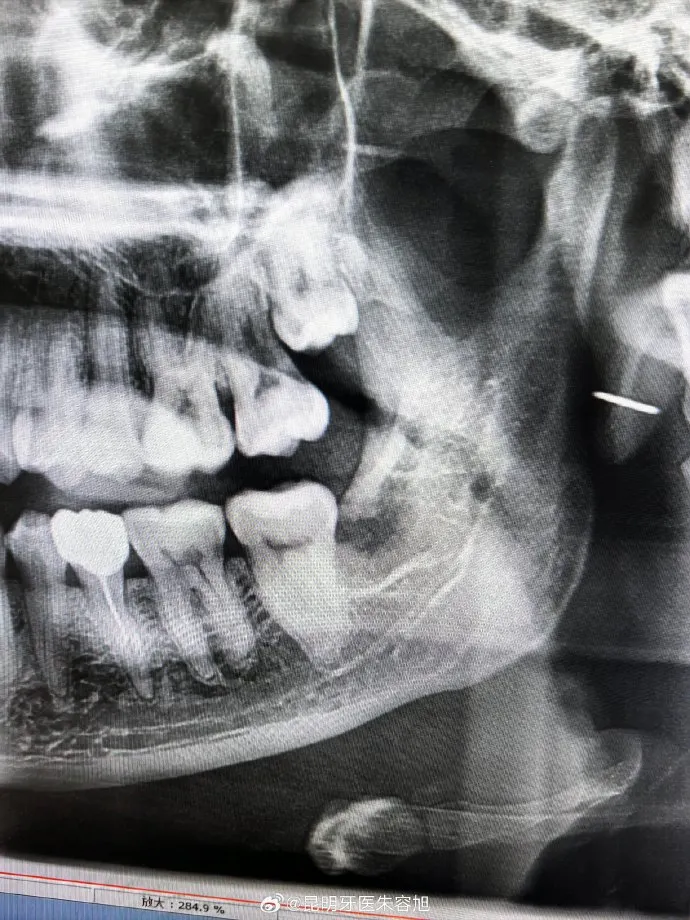
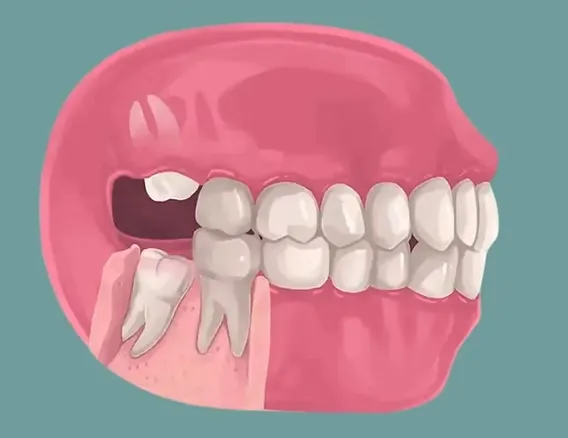
Though rare, nerve injury can happen, especially when removing impacted wisdom teeth. This could result in temporary or sometimes permanent numbness in the tongue, lips, or chin. Choosing an experienced oral surgeon reduces this risk significantly.
**Allergic Reactions and Anesthesia Complications:**
Tourists should always inform their dentist about allergies or previous reactions to anesthesia. Differences in medication brands or dosages can occas
ionally cause unexpected allergic responses.
### 3. Factors That Increase Risk for Tourists
Not every tourist is at the same level of risk when having a tooth extracted in Thailand. Certain factors can make complications more likely.
**Medical History Communication:**
Language barriers may sometimes lead to incomplete communication about a patient’s medical history. If a dentist isn’t aware of existing conditions such as diabetes, heart disease, or blood disorders, they may not take necessary precautions.
**Aftercare and Follow-up Limitations:**
Unlike local patients, tourists often cannot stay long enough for proper follow-up treatment. If swelling, infection, or pain develops after they return home, finding continued care can be challenging and more expensive.
**Unverified Clinics or “Walk-in” Services:**
In tourist-friendly areas like Pattaya or Phuket, some small clinics cater mainly to short-term visitors. While cheap and convenient, these places might not always have properly licensed dentists or updated equipment. It’s always best to check reviews, certifications, and professional memberships before booking.
### 4. How to Minimize the Risks
While risks exist, many tourists have positive experiences with tooth extractions and other dental treatments in Thailand. Here are practical tips to ensure a safe and satisfactory outcome:
- **Do thorough research:** Look for clinics with international accreditation or positive reviews from both locals and foreigners.
- **Consult before traveling:** Contact the clinic via email or video call to discuss your dental issues and possible treatment plans in advance.
- **Share your medical history:** Provide full details about your health, allergies, and medications.
- **Check for English-speaking dentists:** This helps avoid misunderstandings about the procedure or aftercare.
- **Follow aftercare instructions carefully:** Dentists will usually advise patients to rest, avoid hot foods, and not smoke or drink alcohol for at least 24–48 hours.
- **Plan for recovery time:** Avoid scheduling your extraction right before a flight or long journey. Allow time for healing before moving between destinations.
### 5. Balancing Cost and Care Quality
Dentistry in Thailand can certainly offer great value, but tourists should balance affordability with safety. Reputable clinics may charge a bit more than smaller ones, but the added cost often reflects better technology, sterilization, and comprehensive patient care. Remember, saving a few thousand baht isn’t worth risking an infection or prolonged pain.
### 6. Final Thoughts
Tooth extraction in Thailand can be a smooth, professional, and affordable experience — but only when done thoughtfully. Tourists should approach dental care just as they would in their home country: by choosing qualified dentists, asking the right questions, and carefully following post-procedure guidelines. Thailand’s dental industry has a strong reputation for quality, yet, as with any medical service, caution and informed decisions are key.
For travelers combining tourism with dental treatment, a little preparation goes a long way. By understanding the potential risks and taking steps to minimize them, you can return home not only with happy memories of Thailand but also with a healthy, pain-free smile.