Thailand Tooth Extraction Care for Patients With Severe Tooth Damage
Thailand Tooth Extraction Care for Patients With Severe Tooth Damage
**Thailand Tooth Extraction Care for Patients With Severe Tooth Damage**
Tooth extraction may sound intimidating, but it’s a common dental procedure in Thailand, especially for patients suffering from severe tooth damage or decay. Whether caused by advanced cavities, gum disease, or dental trauma, removing a problematic tooth can be the first step toward restoring overall oral health. In Thailand, many dental clinics are known for their gentle and professional approach, making the process comfortable and worry-free. Let’s explore what you should know about tooth extraction care in Thailand, from preparation to aftercare, to ensure a smooth recovery.
### Understanding When Tooth Extraction Is Necessary
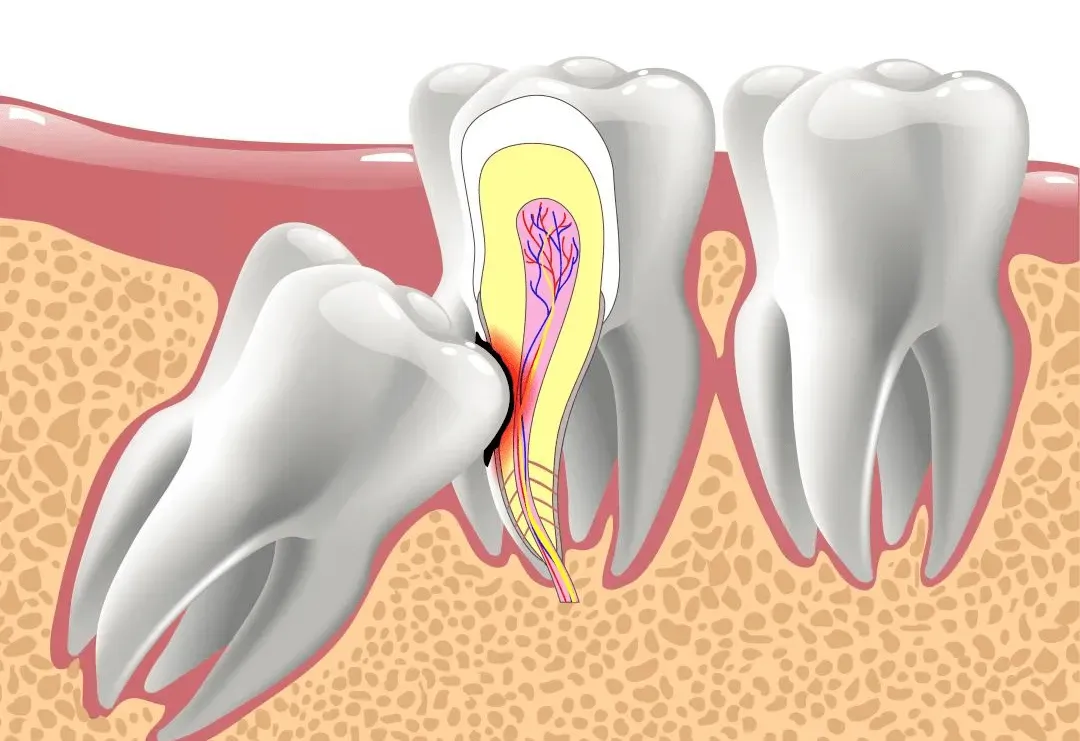
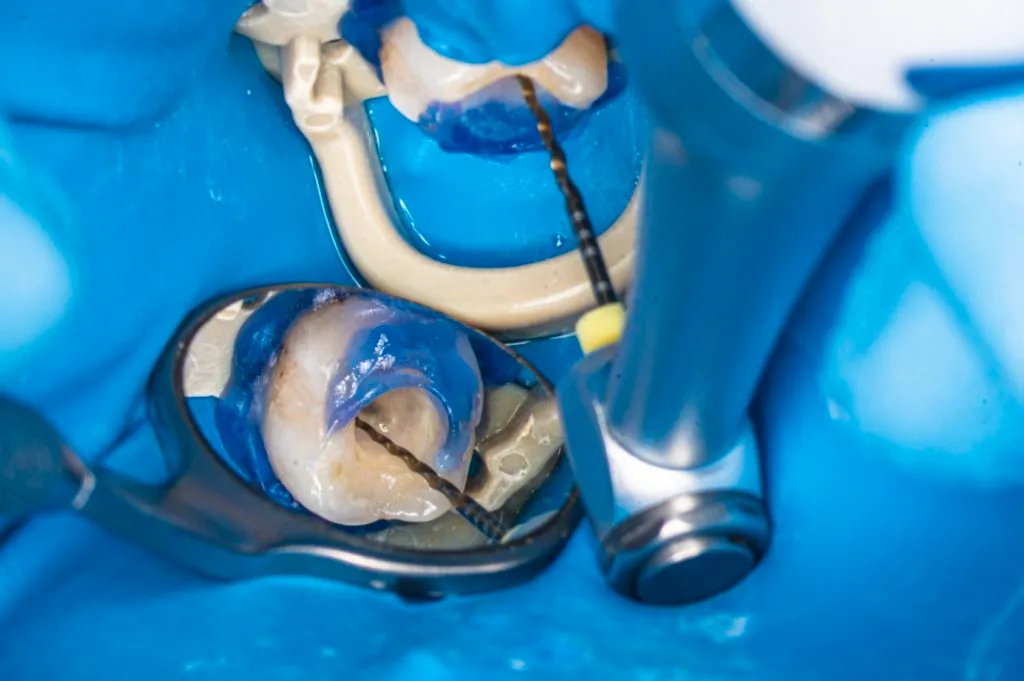
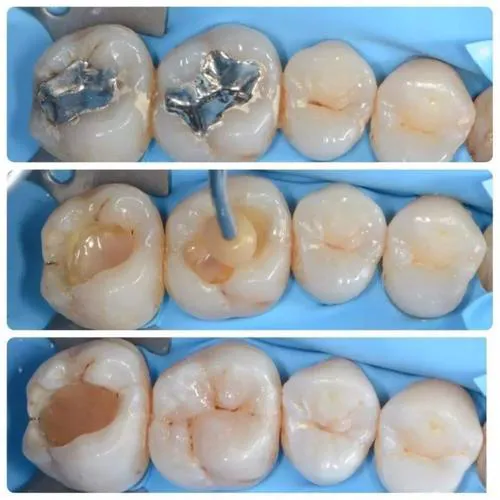
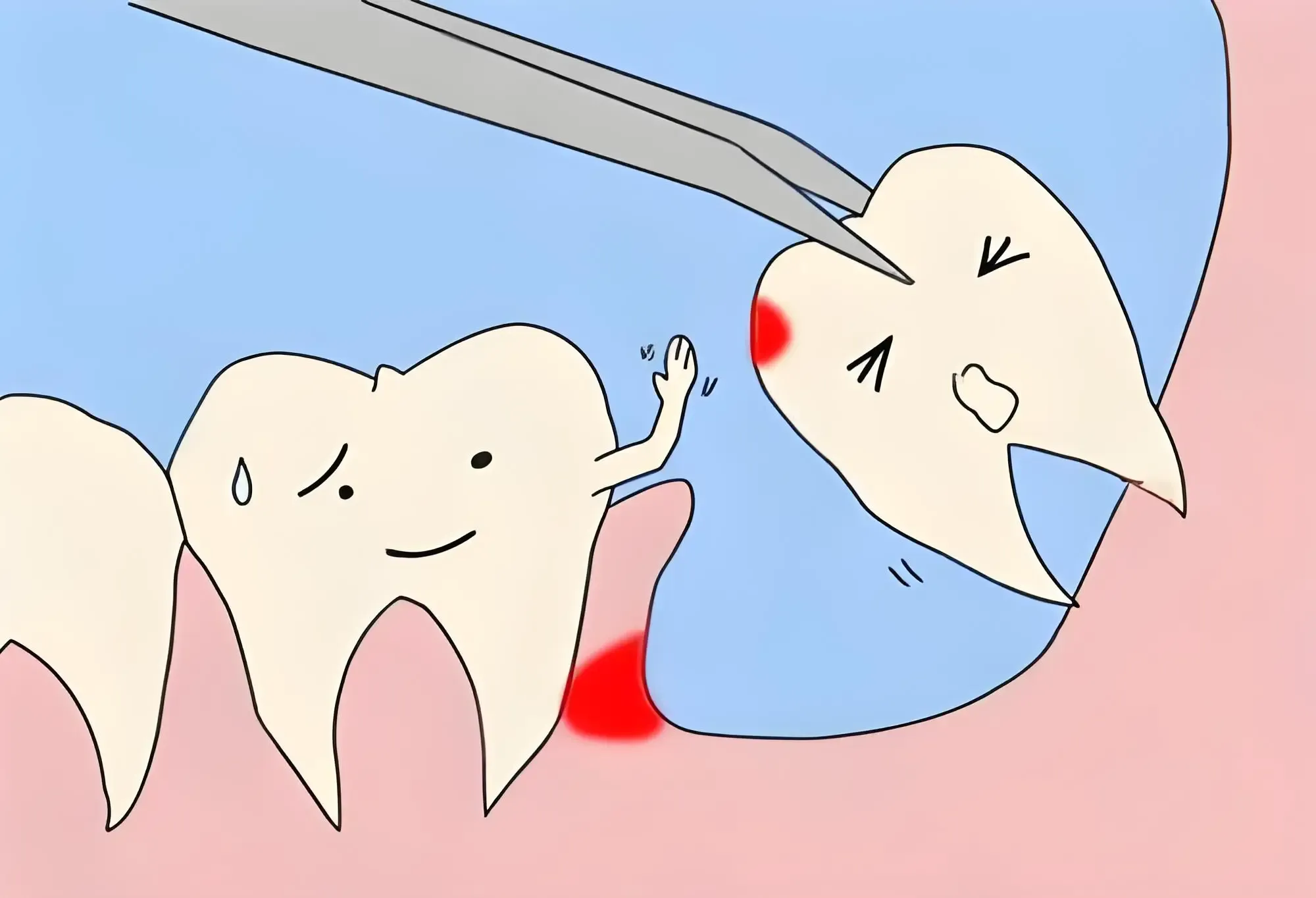
In many cases, dentists try to save a tooth through fillings, root canal treatment, or crowns. However, if the damage is too extensive, extraction becomes the best option. Common reasons for extraction include deep decay that reaches the pulp, broken teeth that can’t be restored, teeth affected by severe gum disease, or overcrowding before orthodontic treatment.
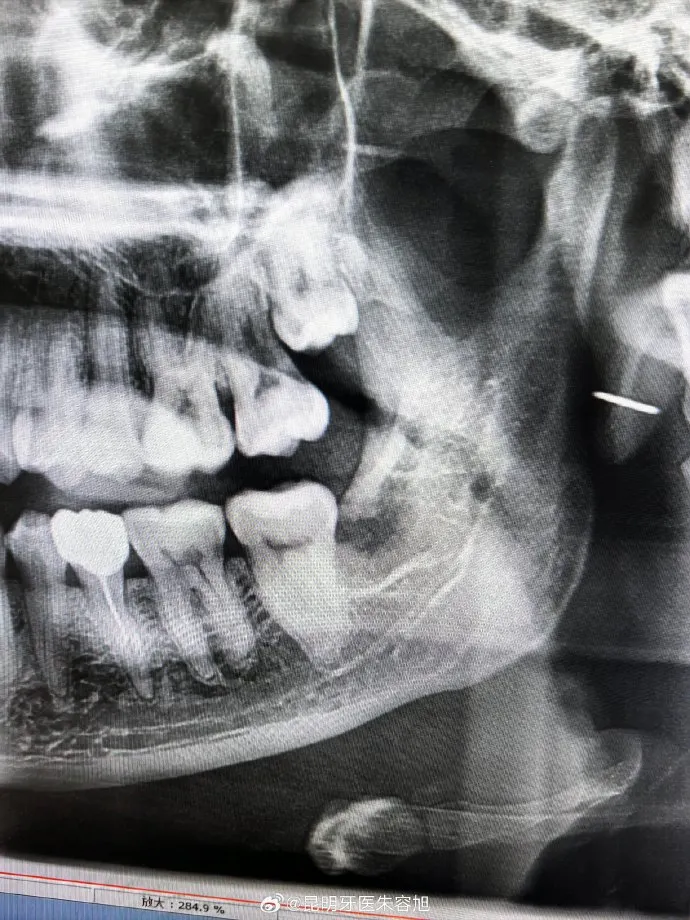
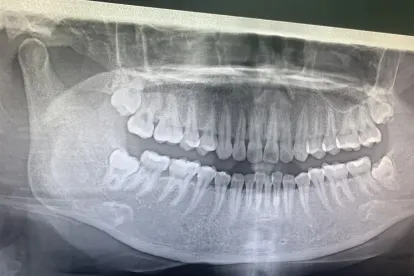
Thai dentists follow international standards, using X-rays and careful assessments to decide whether an extraction is necessary. Patients can expect clear explanations before the procedure, along with recommendations for future restoration options such as dental implants or bridges.
### What to Expect During a Tooth Extraction in Thailand
Modern dental clinics in Thailand emphasize patient comfort and safety. Before extraction, the dentist will administer local anesthesia, ensuring that you feel no pain during the procedure. For patients who feel nervous, some clinics in major cities like Bangkok, Chiang Mai, or Phuket also offer sedation options.
The procedure itself usually takes between 20 to 45 minutes, depending on the tooth’s condition. Simple extractions are straightforward, while impacted or fractured teeth may require a minor surgical procedure. Throughout the process, Thai dentists maintain a calm, caring atmosphere, explaining each step so you feel confident and at ease.
### Immediate Aftercare: The First 24 Hours
After the tooth has been removed, proper care is crucial for healing and preventing complications. The dentist will place a clean gauze pad over the socket to help stop bleeding, and you’ll be advised to bite down gently for about 30 minutes. It’s normal to see slight bleeding or swelling afterward, but these symptoms usually improve within a day or two.
Avoid rinsing your mouth forcefully or drinking through a straw right after extraction, as these actions can dislodge the blood clot that forms in the socket. Instead, rest and allow your body to heal. Most Thai dentists recommend over-the-counter pain relievers or prescribe mild medication if necessary.
### Soft Diet and Hydration
For the first few days, it’s best to eat soft foods such as congee, banana, boiled eggs, or smoothies. Thai-style rice soup (jok) is a great local option—gentle on the mouth and easy to swallow. Try to avoid spicy, crunchy, or extremely hot foods until the extraction site has started to recover. Staying hydrated is equally important, but drink wate
r slowly and avoid alcohol or smoking, which can delay healing.
### Keeping the Area Clean
Good oral hygiene after extraction is essential, but it should be done carefully. You can brush your teeth as usual, just avoid the extraction area for the first day. The day after surgery, rinse gently with a warm saltwater solution—one teaspoon of salt mixed with a glass of lukewarm water—two to three times per day. This helps reduce bacteria and keeps the mouth fresh without disturbing the healing clot.
In Thailand, some clinics provide post-procedure mouth rinses containing mild antiseptics. These can be used if your dentist recommends them, but avoid using commercial mouthwash with alcohol in the first week, as it may cause irritation.
### Watch for Signs of Complications
While complications are rare when following proper instructions, it’s good to know what to look out for. If you experience severe pain, heavy bleeding, fever, or swelling that continues beyond three days, contact your dentist immediately. These could be signs of an infection or a condition known as dry socket.
Thai dental clinics are generally very responsive to patient concerns, and many offer follow-up visits as part of their service. Don’t hesitate to schedule a check-up if you feel that something doesn’t seem right.
### Long-Term Oral Health After Extraction
Once your extraction site heals, your dentist may discuss tooth replacement options to maintain chewing function and prevent bone loss. In Thailand, dental implants, bridges, and partial dentures are common solutions, with costs often more affordable than in Western countries. Many international patients travel to Thailand for these treatments because of the combination of high-quality dental care and reasonable pricing.
It’s also important to focus on prevention so you can avoid future extractions. Regular check-ups every six months, daily brushing and flossing, and limiting sugary foods all help keep your teeth strong and healthy.
### Choosing the Right Dental Clinic in Thailand
One of Thailand’s strengths in dental care is the wide range of modern clinics that cater to both local and international patients. When choosing a clinic, look for one that is licensed, well-reviewed, and transparent about its fees. Major cities like Bangkok, Chiang Mai, and Pattaya have many dental centers equipped with advanced imaging technology and staffed by English-speaking dentists. Visiting an accredited clinic ensures you’ll receive care that meets both Thai and international standards.
### Final Thoughts
Tooth extraction might seem like a big step, but in Thailand, the process is handled with professionalism, compassion, and attention to detail. Whether you’re a local resident or a visiting patient, you can trust Thai dental professionals to ensure comfort before, during, and after the procedure. Following proper aftercare steps—resting, maintaining good oral hygiene, eating soft foods, and attending follow-up visits—will help you heal smoothly and return to your normal routine quickly.
When handled with care, a tooth extraction is not the end of your smile—it’s the beginning of a healthier one.