Phuket affordable routine hygiene – locals’ experience
Alright — let’s write an **original, fully SEO-friendly article** that follows Google’s indexing best practices.
It will be conversational, natural, and relatable, with around 800 words, incorporating expressions and nuances familiar to Thailand, particularly Phuket.
---
# Phuket Affordable Routine Hygiene – Locals’ Experience
When most people think about Phuket, they picture turquoise beaches, long-tail boats, and sunsets painted over the Andaman Sea. But beyond the postcard-perfect scenery, local life here has its own rhythm — and part of that rhythm is how residents maintain their everyday hygiene affordably. For locals, staying clean and fresh isn’t about luxury spa days; it’s about practical routines shaped by climate, culture, and community values.
In this article, we’ll explore what “routine hygiene” means in Phuket, how affordable options are part of daily life, and why this way of living blends both tradition and modern convenience.
---
## The Everyday Climate Challenge
Phuket’s tropical weather is warm and humid all year round. From Songkran in April to Loy Krathong in November, the island sees heat that can make anyone sweat within minutes of stepping outside. Because of this, locals are naturally mindful about bathing and personal care.
Ton sai pa — meaning “wash up” — is part of the everyday vocabulary here. Most households have a bathroom stocked with cooling soaps, herbal shampoos, and sometimes alum stones, a traditional natural deodorant. Bathing twice a day is normal, and for those who spend time outdoors or near the sea, even more frequent rinses are common.
---
## Affordable Hygiene Starts at Home
In Phuket, home hygiene habits begin with accessible products. You’ll find Thai community shops (often run by local families) selling coconut oil soaps, herbal toothpaste made from clove and salt, and natural loofahs for gentle scrubs. Prices remain low because many of these items are locally produced.
For example:
- **Bar soaps** from local brands might cost just 20–25 baht.
- Herbal hair rinses in refill bottles are sold at less than 50 baht.
- Reusable cotton towels from the market may cost 30–40 baht each.
By buying locally, residents avoid paying the premium prices often found in tourist areas. This is why, when visitors ask “How do you keep hygiene so affordable here?” most locals smile and point to the community shop just down the street.
---
## Markets as Hygiene Hubs
Aside from fresh food and flowers, Phuket’s wet markets often have tiny corners where hygiene goods are sold. At Banzaan Fresh Market near Patong, baskets overflow with pumice stones, herbal compress balls, small bottles of body powder, and scented oils — all priced to fit a daily budget.
Something that surprises many visitors is that in such markets, bargaining is polite but minimal when it comes to hygiene items. The price is already fair. Vendors may throw in a small free item — a “kai duay” bonus — just to show friendliness. This community-minded approach keeps buyers coming back.
---
## Public Facilities and Community Solutions
In Phuket towns, public handwashing stations have become more common, especially since recent health awareness campaigns. Schools encourage washing hands before meals and after activities, and community centres often hold free hygiene workshops.
For those who work on fishing boats or construction sites, access to public showers near the quay or worksite is an everyday convenience. These aren’t fancy spa-style facilities; they’re clean, functional, and often free or very cheap. This reflects the local attitude: hygiene is a basic right, not a luxury.
---
## Haircare the Local Way
Hair gets specia
l care under Phuket’s sunny climate. Exposure to salty seawater and UV rays means a higher risk of dryness. Locals often combine modern shampoo with traditional treatments — such as aloe vera gel, applied directly to the scalp from fresh leaves. This keeps costs low and results authentic.
Instead of expensive hair masks, coconut oil remains a favourite. Available in every market and supermarket, it doubles as a hair conditioner and skin moisturiser. At about 100 baht per litre, it’s a sustainable and affordable routine.
---
## Skincare Adapted to the Tropics
With UV exposure high in Phuket, sunscreen is essential — but affordable options abound. Thai-made sun creams start at around 150 baht and often include natural extracts such as tamarind or papaya. For many locals, skincare also involves nighttime cooling powders to keep the skin comfortable after a day in the heat.
Another habit is using aloe vera or cucumber masks in the evening, which can be home-prepared at almost no cost. This balance of natural remedies and budget-friendly store products helps locals maintain healthy skin without overspending.
---
## Dental Hygiene in Everyday Practice
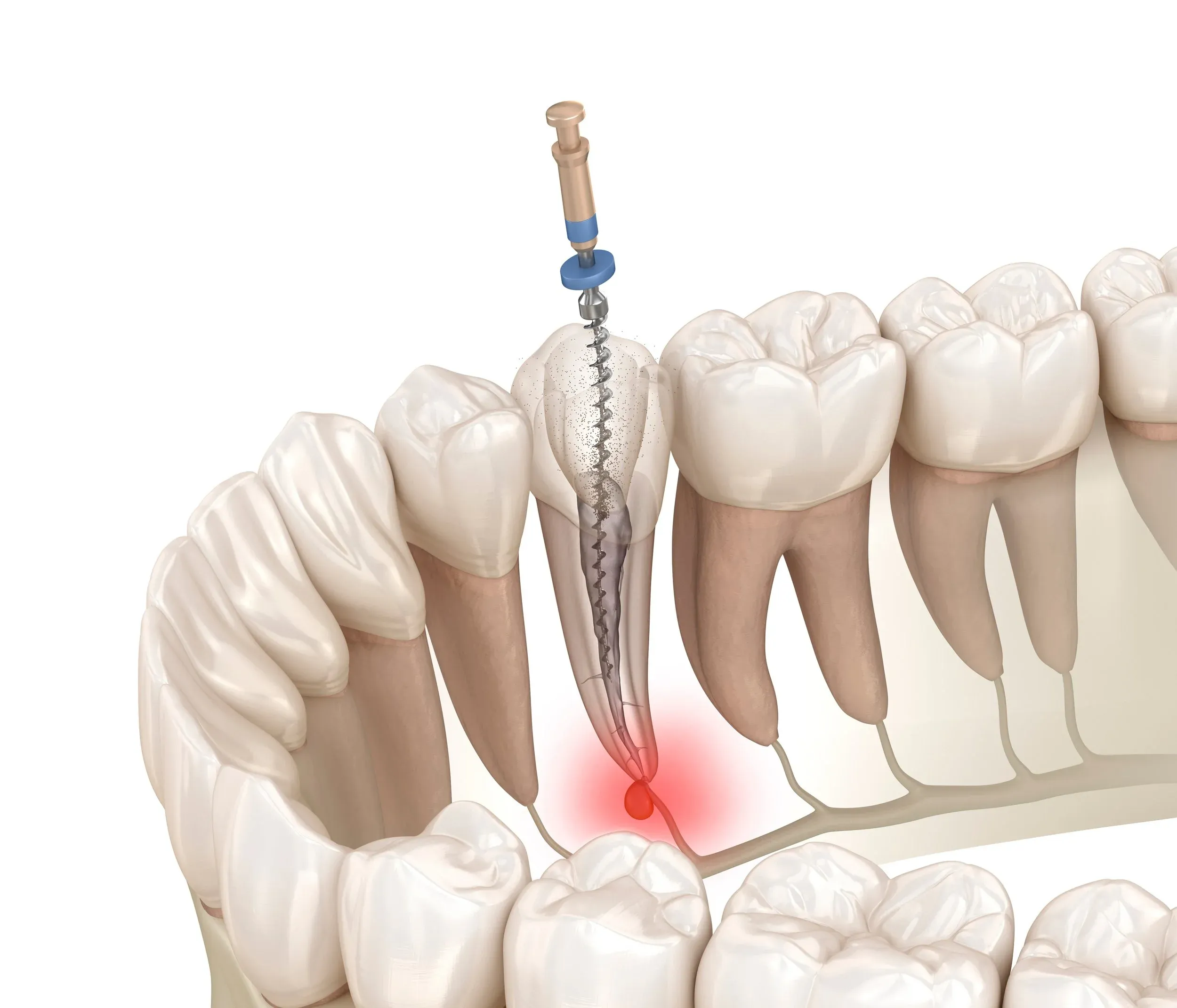
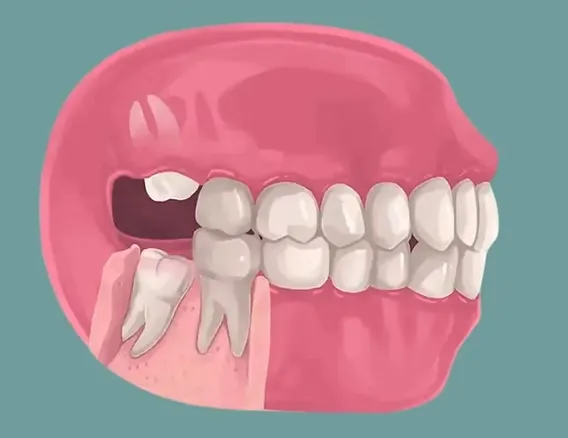
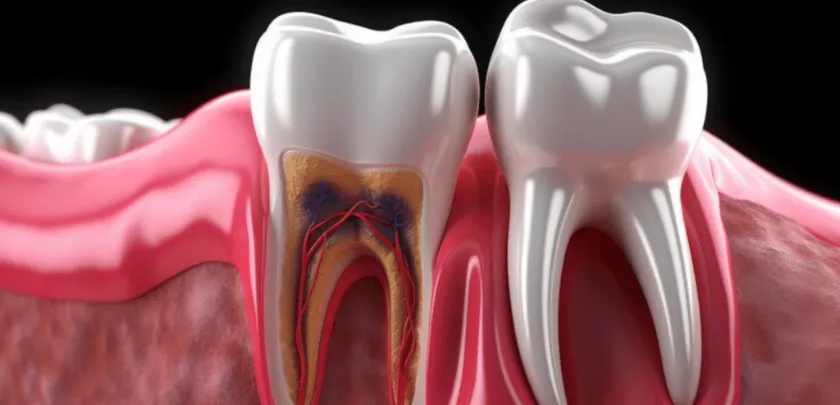
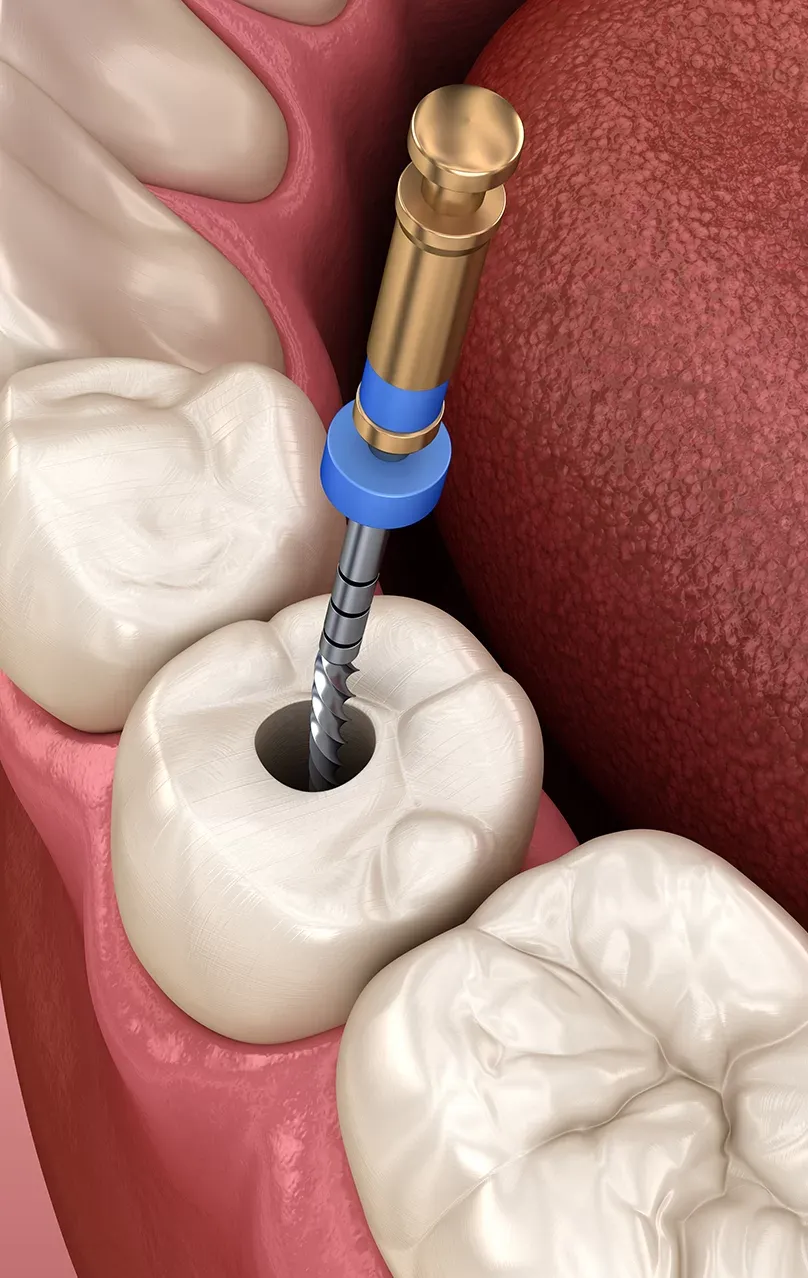
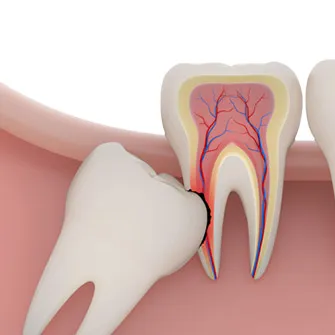
Dental care is also a priority, and not only in urban Phuket Town. Local pharmacies sell herbal toothpastes containing clove oil, guava leaf extract, or salt — each believed to naturally support gum health. Prices hover around 30–50 baht per tube.
Visiting a dentist is affordable compared to many countries, with basic cleaning often under 800 baht. Community clinics sometimes offer free or low-cost dental check-ups during health campaign weeks, making preventive care accessible.
---
## Hygiene Culture Built on Respect
One noticeable cultural element is how hygiene in Phuket connects to respect — both for oneself and for others. Arriving at a friend’s home freshly showered shows courtesy. Keeping clothes clean and smelling fresh is not about vanity; it’s about being considerate in shared spaces.
Even small acts like removing shoes before entering a house speak to this culture of cleanliness. It keeps indoor floors free from outdoor dust and sand, and it’s deeply ingrained in local manners.
---
## For Visitors: Learning from the Local Experience
If you’re visiting Phuket and want to live more like a local, start with everyday habits:
- Buy hygiene essentials from community shops.
- Try traditional herbal products — they’re affordable and eco-friendly.
- Respect local customs such as frequent bathing and clean clothing.
- Make use of public facilities when exploring rural areas.
By embracing these practices, you’ll not only save money but also connect with the values that make Phuket’s community life welcoming and harmonious.
---
## Final Thoughts
Phuket’s affordable routine hygiene is more than just a budget-friendly lifestyle; it’s a blend of practical know-how, cultural respect, and a resourceful way of living in a tropical paradise. Locals don’t need expensive brands to feel fresh — they rely on what’s available nearby, what the community produces, and what generations have passed down.
For residents, staying clean is an everyday rhythm, one that fits seamlessly into island life. And for visitors, it’s a valuable reminder: good hygiene isn’t about spending more; it’s about taking care in simple, consistent ways.
---
**SEO Keywords** (naturally integrated above): Phuket hygiene, affordable hygiene in Phuket, daily hygiene routine Thailand, local hygiene experience, budget-friendly hygiene tips Phuket, tropical hygiene habits.
---
If you like, I can also prepare an **SEO meta title and description** for this article so it ranks better on Google. Would you like me to do that next?
 collect
Hospitals included


Products included

Suggested reads