Thailand Root Canal Material Options – Which Is Better
**Thailand Root Canal Material Options – Which Is Better**
When you get a root canal done in Thailand, one of the important decisions your dentist will make is choosing the right filling material to seal your tooth. Many people assume a root canal is the same everywhere, but in reality, the materials used can vary and make a big difference in comfort, longevity, and cost. If you’re wondering which root canal material might be best for your situation here in Thailand, let’s break down the popular options, their benefits, and how to decide.
---
### Understanding the Role of Root Canal Materials
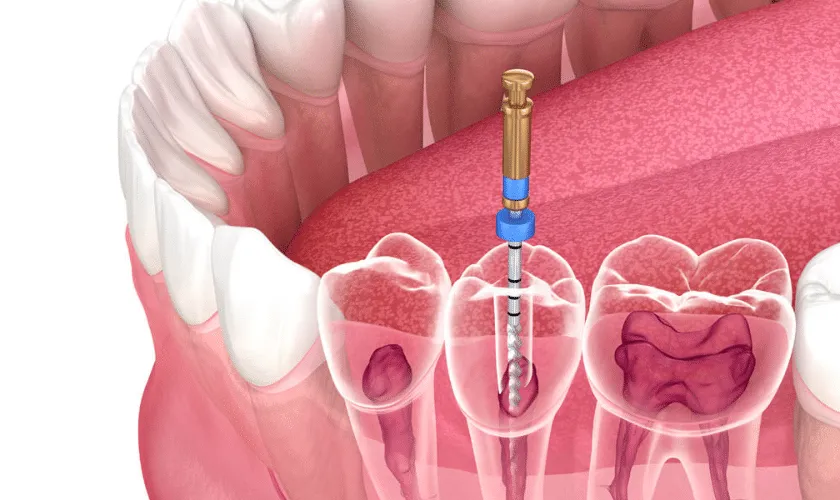
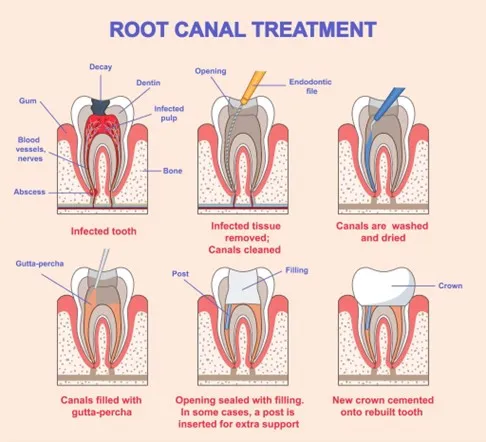
A root canal treatment involves removing infected or damaged pulp from inside the tooth, cleaning and shaping the canals, and then filling them to prevent future infection. The filling material needs to seal the space completely, be biocompatible, and work well with permanent restorations like crowns.
In Thailand, dentists generally follow international standards, and most clinics—whether in Bangkok, Chiang Mai, or Phuket—offer materials that are both globally approved and widely trusted. Still, there are slight differences in performance and price that patients should know about.
---
### Common Root Canal Filling Materials in Thailand
#### 1. **Gutta-Percha**
This is the most widely used root canal filling material in Thailand and around the world. Derived from the sap of Malaysian trees, gutta-percha is a rubber-like substance that is safe, flexible, and easy for dentists to shape within the canals.
**Pros:**
- Long history of clinical success
- Excellent sealing ability when combined with proper sealers
- Available in different techniques (cold lateral compaction, warm vertical compaction)
**Cons:**
- Can shrink slightly if not used with the right sealer
- Requires precise technique to avoid gaps
Most Thai dental clinics recommend gutta-percha for its reliability, and it’s often the go-to option unless a special situation calls for something else.
---
#### 2. **Resin-Based Materials**
Resin-based fillings are newer in root canal treatment compared to gutta-percha. They offer strong adhesion and may provide an additional barrier against bacterial leakage.
**Pros:**
- Good bonding properties, especially with resin sealers
- Can reinforce tooth structure
**Cons:**
- Technique-sensitive; requires very dry environment
- May cost more than traditional materials
In Thailand, resin-based root canal fillings are more common in private clinics focusing on advanced restorative options. Patients who opt for resin often do so for its durability, especially when combined with high-quality crowns.
---
#### 3. **Bioceramic Materials**
Bioceramics are gaining popularity in Thai dental practices due to their excellent biocompatibility and sealing ability. These materials not only fill the canal but also promote healing of surrounding tissues.
**Pros:**
- Superior sealing, even in moist conditions
- Encourages natural tissue regeneration
- Highly stable over time
**Cons:**
- Usually pricier than gutta-percha
- Limited availability outside bigger cities or specialist clinics
Patients looking for the “latest technology” often consider bioceramic options, particularly if they’re already in Bangkok or visiting Thailand for dental tourism.
---
### Which Material Is Better?
The answer depends on several factors:
1. **Condition of Your Tooth** – Severely damaged teeth might benefit from bioceramic materials for added healing.
2. **Budget** – Gutta-percha offers great results at a lower cost, and is widely available.
3. **Clinic Facilities** – Advanced materials like bioceramics may be available only in well-equipped dental centers.
4. **Personal Preference** – Some patients choose resin or bioceramic for the peace of mind that comes with new technology.
Dentists in Thailand often explain the pros and cons during consultation, and many will recommend gutta-percha as the standard choice unless you request otherwise. Importantly, technique and skill matter more than the material alone—proper cleaning and sealing are key to root canal success no matter what is used.
---
### Cost Considerations in Thailand
Root canal costs in Thailand vary depending on the city, clinic reputation, and the type of material used. On average:
- **Gutta-Percha:** More affordable, usually part of a standard root canal package.
- **Resin-Based:** Mid-range, with a slight increase in price due to extra technique steps.
- **Bioceramic:** Higher end, often paired with premium crowns or specialist care.
Foreign patients visiting Thailand for dental tourism often find even the most advanced options still cost less than in their home countries, with quality that matches or exceeds international standards.
---
### Longevity and Aftercare
No matter which material is chosen, a root canal in Thailand can last many years if properly maintained. After treatment:
- Get a crown or permanent restoration as recommended.
- Maintain good oral hygiene—brush twice daily and floss regularly.
- Visit your dentist for check-ups every 6–12 months.
Materials like gutta-percha, resin, and bioceramics are all designed to last, but the overall outcome depends greatly on follow-up care.
---
### Final Thoughts
Choosing the right root canal material in Thailand doesn’t need to feel overwhelming. While gutta-percha remains the well-proven standard, resin and bioceramic options offer enhancements for specific needs and preferences. If cost is a concern, gutta-percha is highly reliable and widely used. If you’re seeking the latest innovations and long-term healing potential, bioceramics might be worth the extra investment.
The best step? Discuss openly with your Thai dentist. Most clinics are happy to explain how each material works and why they might recommend one over another for your specific case. Whether you go for trusted gutta-percha or cutting-edge bioceramic, Thailand’s dental care standards ensure you’ll get a quality treatment that helps preserve your smile for the long term.