Thailand Root Canal Procedures Explained Step-by-Step
**Thailand Root Canal Procedures Explained Step-by-Step**
When it comes to dental care in Thailand, root canal treatments are one of the most common ways to save a tooth that has been damaged by deep decay or infection. Many people visiting Thailand for dental work are pleasantly surprised by the high standards, modern equipment, and friendly approach of Thai dentists. Whether you are a local or an international patient, understanding how the process works step-by-step can help you feel more relaxed and prepared before you sit in the dental chair.
---
### **Understanding What a Root Canal Is**
A root canal is a dental procedure designed to remove infected tissue from inside a tooth, clean the area, and seal it to prevent future problems. In Thailand, dentists often describe it as “treating the inside of the tooth” to save it instead of removing it. The aim is to relieve pain, stop the spread of infection, and keep your natural tooth in place for normal chewing and appearance.
---
### **Why You Might Need a Root Canal in Thailand**
Common reasons include:
- Severe toothache when chewing or touching the tooth
- Lingering sensitivity to hot or cold
- Swelling around the gums
- A tooth that has become dark in color
- Deep decay or damage from trauma
In Thailand, dentists tend to focus not only on diagnosing the problem but also on giving patients clear explanations in easy-to-understand terms. You might hear them say, “We clean the tooth so it can be healthy again,” which helps reduce anxiety.
---
### **Step-by-Step Guide to the Root Canal Procedure in Thailand**
**Step 1: Consultation and X-ray**
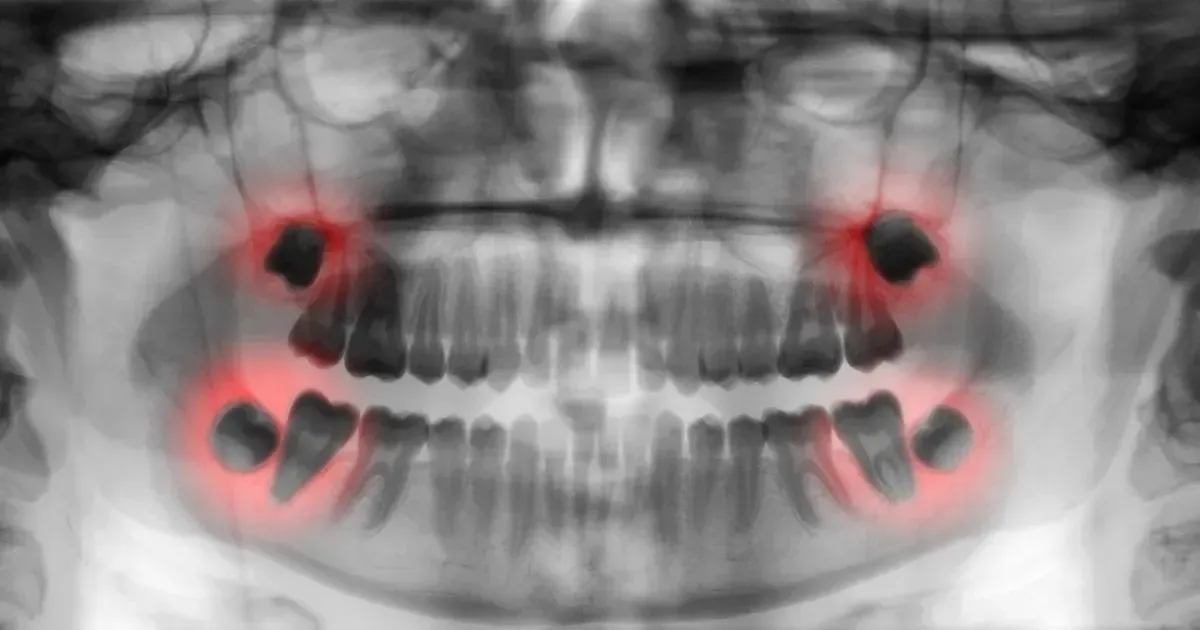
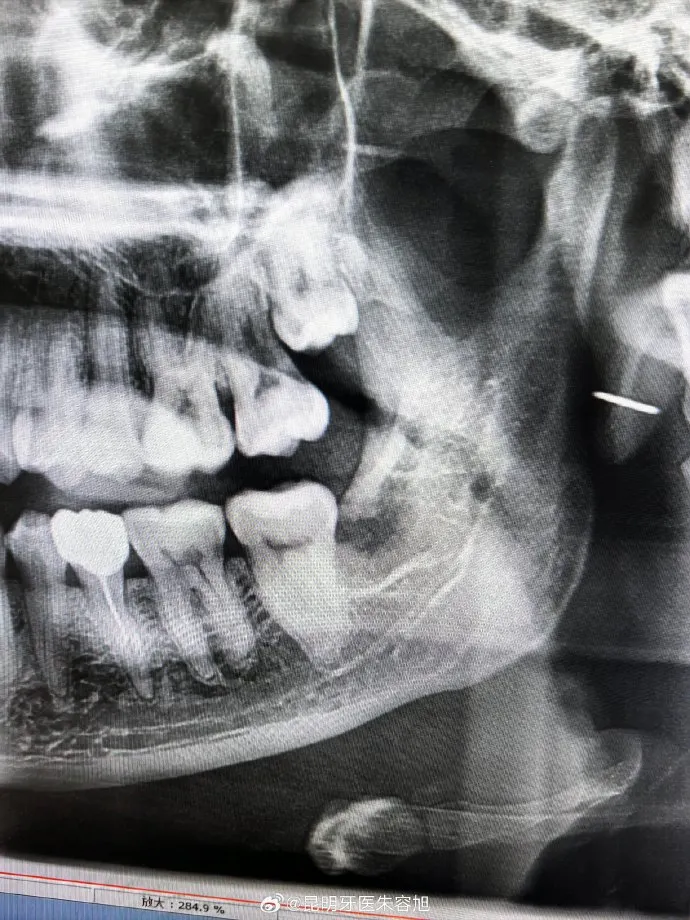
The process begins with a detailed consultation. Your dentist will ask about your symptoms, examine your mouth, and take an X-ray to see the structure of the tooth and detect any infection in the root area. In many Thai clinics, this step feels very personal, as dentists take time to talk with you calmly and reassure you that the process will be comfortable.
**Step 2: Local Anesthesia**
Once the dentist confirms you need a root canal, they will administer local anesthesia. Thai dentists are generally gentle and will check that you are fully numb before beginning. It’s common to hear phrases like “Jep nit noi” (just a little pain) to reassure you that the injection will be quick and mild.
**Step 3: Opening the Tooth**
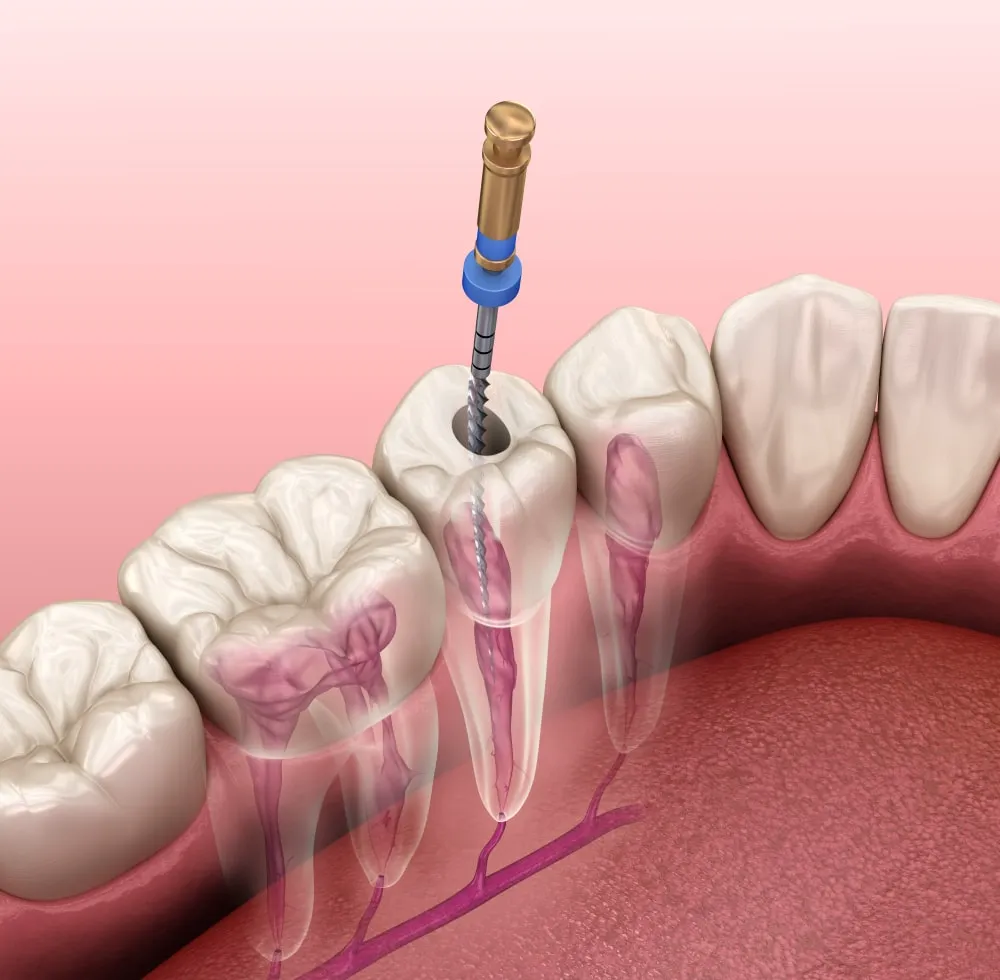
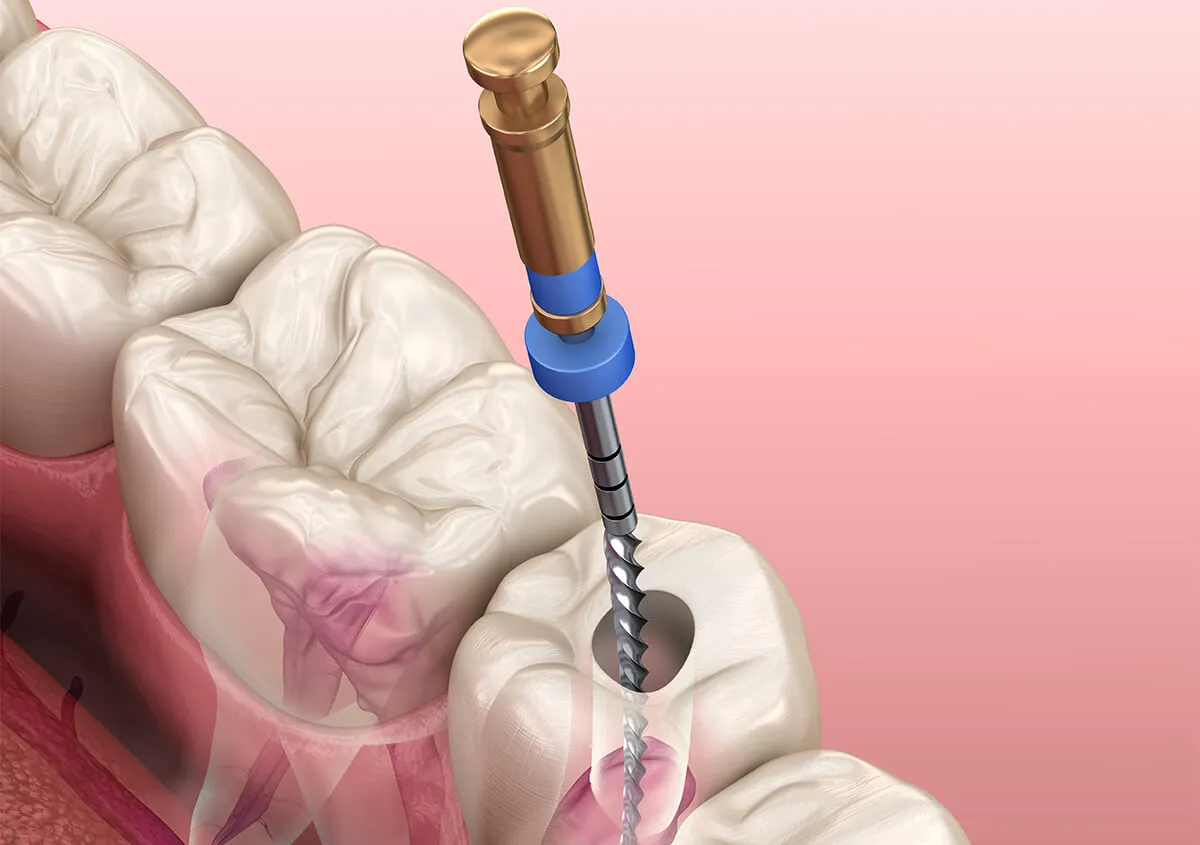
The dentist will create a small opening in the tooth to access the pulp chamber. This is done with precision tools, and you won’t feel any pain because of the anesthesia. The opening allows the dentist to reach the infected pulp — the soft tissue inside the tooth — and remove it.
**Step 4: Cleaning and Shaping the Canal**
This is one of the most important steps. The dentist will use fine instruments to clean out bacteria, dead tissue, and debris from the tooth’s canals. They will also shape the canals for filling. In Thailand, many clinics use modern rotary tools for faster, smoother cleaning, which means less time in the chair for you.
**Step 5: Disinfecting the Area**
After the canals are cleaned, an antibacterial solution will be applied to make sure all germs are gone. Thai dental professionals are very attentive to hygiene and often explain this step by saying it’s “to keep your tooth clean inside.”
**Step 6: Sealing the Tooth**
The dentist will fill the canals with a special material called gutta-percha, which prevents bacteria from re-entering. This filling is placed carefully to create a seal inside the tooth. In some cases, a temporary filling is used, especially if multiple visits are needed.
**Step 7: Tooth Restoration**
Most root canal-treated teeth need a crown or permanent filling to restore strength and appearance. In Thailand, crowns are often made of high-quality materials, and dentists help you choose between options such as porcelain, zirconia, or metal-ceramic based on your needs and budget. The restoration is essential for protecting the treated tooth from future damage.
---
### **Recovery and Aftercare Tips in Thailand**
After the procedure, Thai dentists usually give clear instructions for aftercare:
- Avoid chewing on the treated side until the final restoration is placed.
- Take prescribed antibiotics or painkillers as directed.
- Return for follow-up visits to monitor healing.
Because dental care in Thailand often has a warm, patient-focused approach, you may find your dentist or dental assistant giving friendly reminders like “Be careful with hot and hard food” and offering supportive advice about maintaining good oral hygiene.
---
### **Cost of Root Canal Treatment in Thailand**
One of the main reasons Thailand is popular for dental work is the cost. A root canal here is generally more affordable compared to many Western countries. Prices vary depending on the tooth type and clinic location, but the savings are significant. Clinics in Bangkok, Chiang Mai, and Phuket often have transparent pricing, and some even post their fee schedules online.
---
### **Why Choose Thailand for a Root Canal?**
- **Highly trained dentists** — Many Thai dentists have international certifications.
- **Modern equipment** — Clinics often use advanced technology comparable to western dental offices.
- **Friendly service** — Thai hospitality extends to the dental chair, making patients feel welcome.
- **Cost-effective** — Quality treatment at lower prices.
---
### **Final Thoughts**
A root canal may sound intimidating, but in Thailand, the procedure is generally smooth, comfortable, and highly successful thanks to experienced professionals and well-equipped clinics. By knowing exactly what to expect step-by-step, you can approach your dental treatment with confidence and peace of mind.
If you are in Thailand and suspect you might need a root canal, don’t delay. With timely care, your tooth can be saved, your pain relieved, and your smile protected — all with the signature warmth and skill that Thai dentists are known for.