**What Happens on Day 1 of Root Canal Treatment in Thailand**
If you’ve been dealing with tooth pain or sensitivity that just won’t go away, your dentist in Thailand may recommend a root canal. Many patients feel nervous when they hear the words “root canal,” but knowing what to expect, especially from Day 1, can make the whole experience less stressful. Dental treatments in Thailand are known for high standards, modern technology, and affordable prices compared to many other countries, so if you’re planning to get yours done here, you’ll likely find the process smooth and professional. Here’s a clear guide to what usually happens on the first day of root canal treatment in Thailand.
---
### **Arrival and First Impressions**
Most dental clinics in Thailand, whether in Bangkok, Chiang Mai, or Phuket, place a lot of importance on a welcoming atmosphere. As you arrive for your appointment, you’ll notice the balance between friendly service and efficient care. The receptionist will check you in and guide you through any necessary paperwork, including medical history and consent forms. This step is important because your dentist needs to understand your overall health before starting any invasive treatment.
In Thai clinics, hospitality often extends beyond just a smile—staff will make sure you are comfortable, offer you water, and sometimes even explain the procedure details in both Thai and English, especially in clinics catering to international patients.
---
### **Assessment and Consultation**
Before the actual root canal starts, your dentist will carry out a thorough examination. This usually involves:
- **Dental X-rays**: These help in seeing the extent of the infection or damage inside the tooth. In Thailand, many clinics use digital X-ray systems for quick results and minimal radiation exposure.
- **Discussion of symptoms**: Your dentist will ask about your pain level, how long you’ve been experiencing discomfort, and any triggers like hot or cold drinks.
- **Treatment explanation**: Thai dental professionals tend to explain each step carefully, making sure you understand what’s going on. They’ll also talk about costs and the time frame for completion, since root canal treatment usually requires more than one visit.
The consultation is a chance for you to ask questions—don’t hesitate to clarify anything about the procedure or aftercare.
---
### **Numbing the Tooth Area**
On Day 1, the primary goal is to relieve discomfort and start cleaning out the infection. To ensure you don’t feel pain during the process, your dentist will inject local anaesthesia around the affected tooth. Thai dentists are known for their gentle approach to injections, often applying a topical numbing gel first. Patients usually describe the sensation as just a small pinch, after which the entire tooth area becomes numb.
Once the numbness sets in, your dentist will check to make sure you feel no pain before moving forward.
---
### **Opening the Tooth**
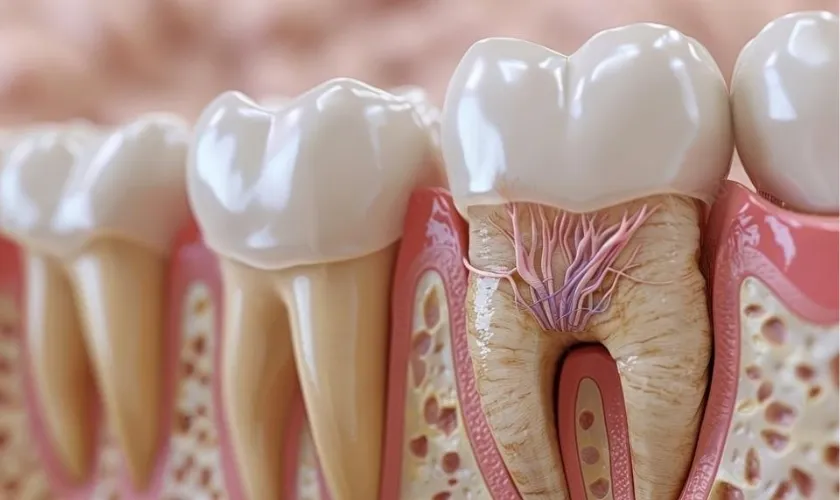
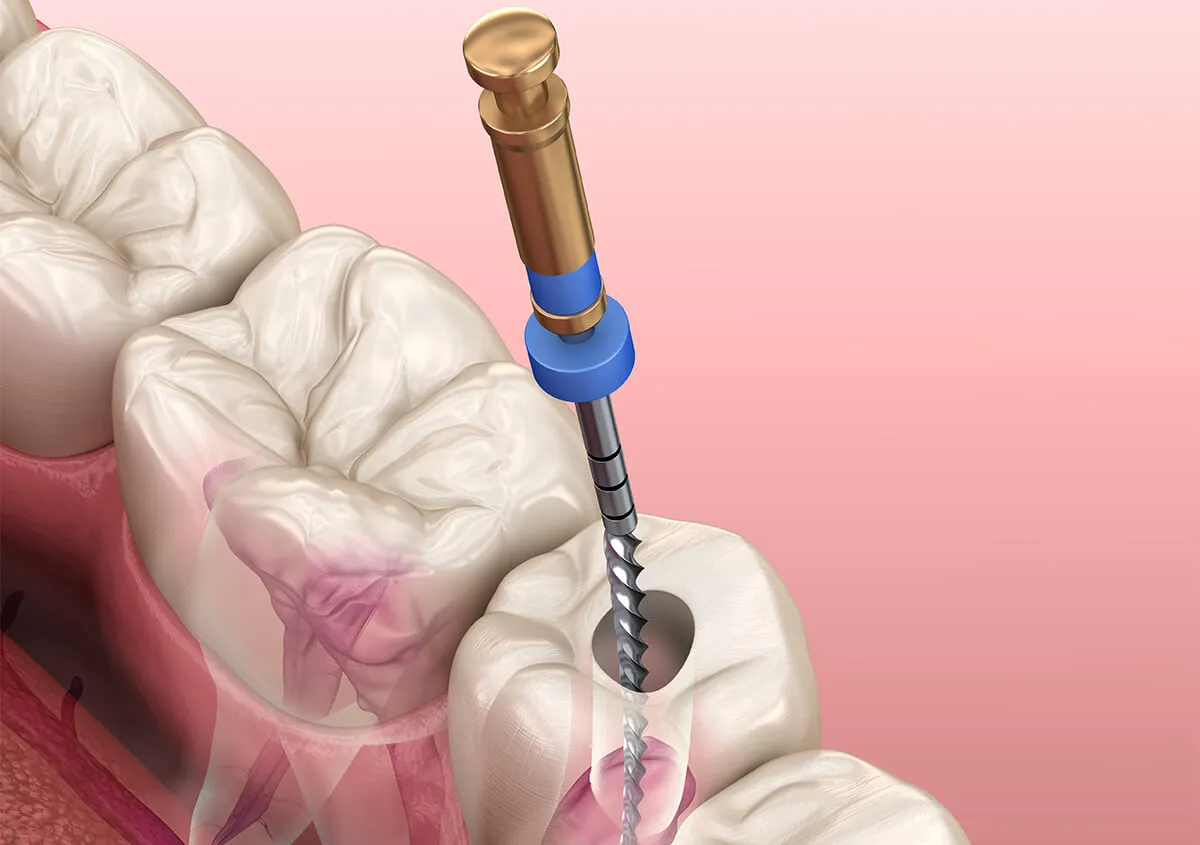
When the tooth is fully numb, the dentist uses a small drill to make an opening in the crown (top) of the tooth. This allows access to the inside, where the pulp—the soft tissue containing nerves and blood vessels—resides.
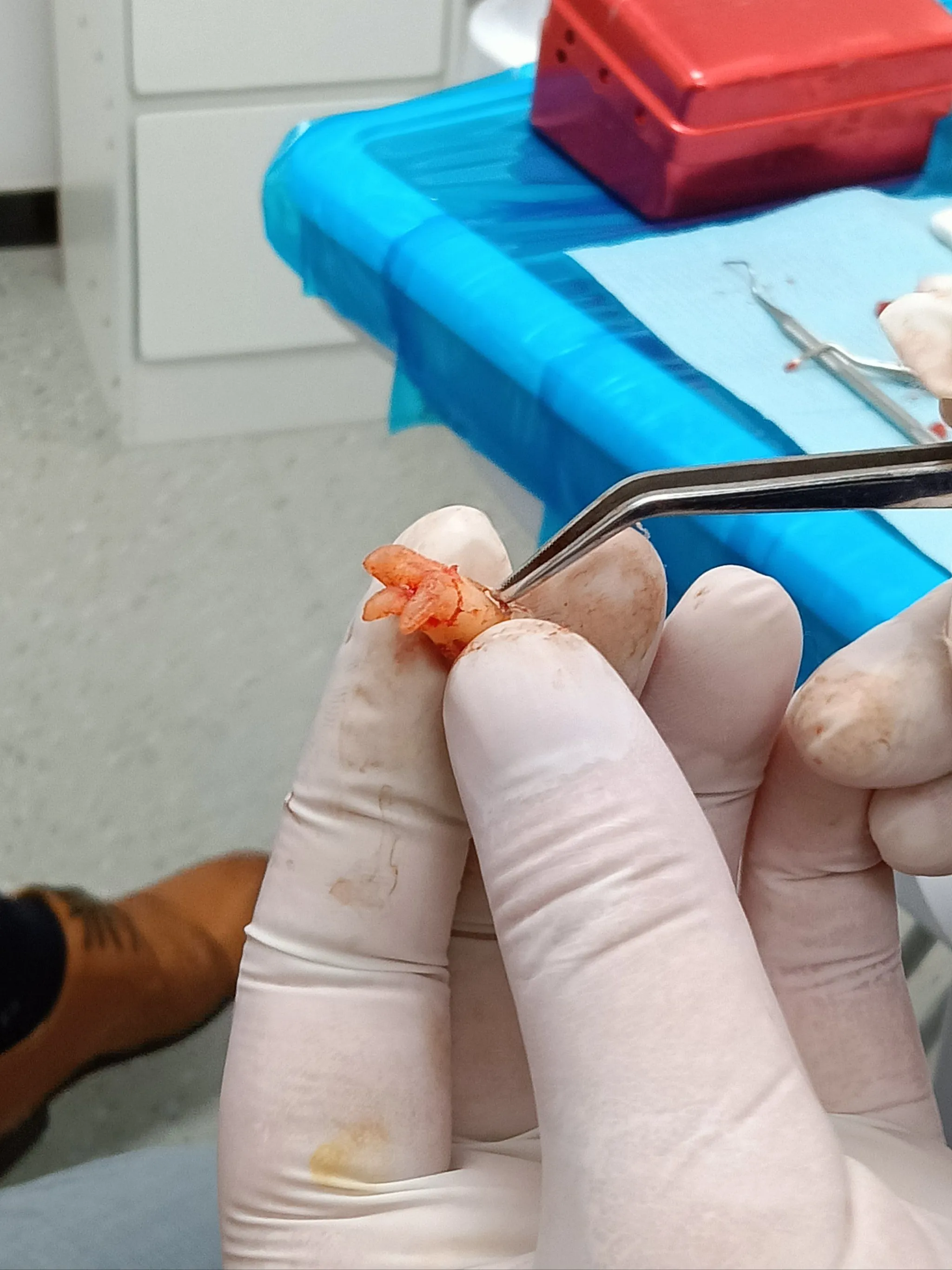
On Day 1, the focus is on removing as much infected or damaged pulp tissue as possible. Using very fine instruments, the dentist will clean and shape the canals inside the tooth roots. If the infection is severe, this initial cleaning can help reduce bacteria and prevent further damage.
---
### **Managing Infection and Discomfort**
In cases where the infection is advanced, Thai dentists will often place a medicinal dressing inside the canals after cleaning. This helps eliminate remaining bacteria and promotes healing between visits. They may also prescribe antibiotics or pain relief medication to keep you comfortable until your next appointment.
One thing patients appreciate in Thailand is that dentists prioritize gentle care. You’ll likely feel pressure during the procedure, but since the area is numb, most patients don’t experience sharp pain.
---
### **Temporary Filling**
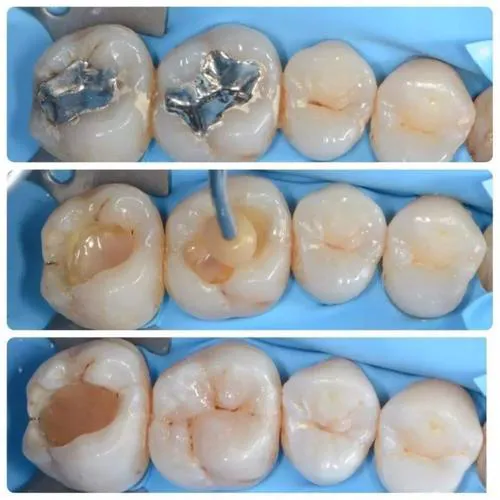
At the end of Day 1, since the tooth is not yet fully treated, it will be sealed with a temporary filling. This is to protect the canals from bacteria and food particles until your next visit. The temporary filling is usually strong enough to last for several days or weeks, but you’ll be advised to avoid chewing hard food on that side of your mouth.
In Thailand, many dentists will schedule your follow-up within 1–2 weeks, depending on how your tooth responds to the initial treatment. If swelling or pain worsens, you are encouraged to return sooner.
---
### **Post-Treatment Instructions**
Before you leave the clinic, your dentist or dental assistant will go over some simple aftercare tips, such as:
- Avoid chewing on the treated tooth until it’s permanently restored.
- Take any prescribed antibiotics exactly as instructed.
- Use over-the-counter painkillers if you feel mild discomfort after the anaesthesia wears off.
- Keep up your usual dental hygiene routine, but brush gently near the treated tooth.
Some clinics will even follow up via phone or messaging apps like Line—something quite common in Thailand—to check on your recovery.
---
### **How Day 1 Sets the Stage for Success**
Root canal treatment in Thailand is typically done over two or more visits, depending on the complexity of the case. Day 1 is mainly about removing infection, relieving pain, and stabilizing the tooth so further work can be done safely. Thanks to advanced equipment and patient-focused care, most people leave the clinic feeling much better than when they arrived.
Choosing a Thai dental clinic also means you’ll likely benefit from reasonable pricing compared to Western countries without compromising quality. Many dentists have international training, and English communication is often available, especially in tourist-friendly cities.
---
### **Final Thoughts**
Day 1 of a root canal treatment in Thailand is more straightforward than you might think. From the moment you arrive, the focus is on comfort, clarity, and effective infection control. The process involves consultation, numbing, cleaning out the tooth, and sealing it temporarily—all with an emphasis on gentle care and patient safety.
If you’re getting a root canal in Thailand, understanding this first step will help ease your nerves and give you confidence that your tooth is on its way to recovery. With skilled dentists and warm Thai hospitality, the journey to a pain-free smile starts right here.
 collect
Hospitals included




Products included