Thailand Soft Food Diet After Root Canal – What to Eat
**Thailand Soft Food Diet After Root Canal – What to Eat**
If you’ve just had a root canal done in Thailand, you’re probably feeling equal parts relieved and cautious. Relieved that the toothache is finally gone, and cautious because you don’t want to mess up the recovery process. Dentists here will often advise having a “soft food diet” for a few days after the procedure to ensure your tooth and surrounding area heal well, and to avoid discomfort while chewing. But what exactly does that mean, and what are some Thai-friendly options you can enjoy without worrying about pain or damage? Let’s break it down.
---
### Why Soft Foods Are Important After Root Canal
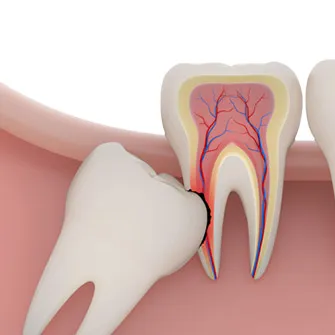
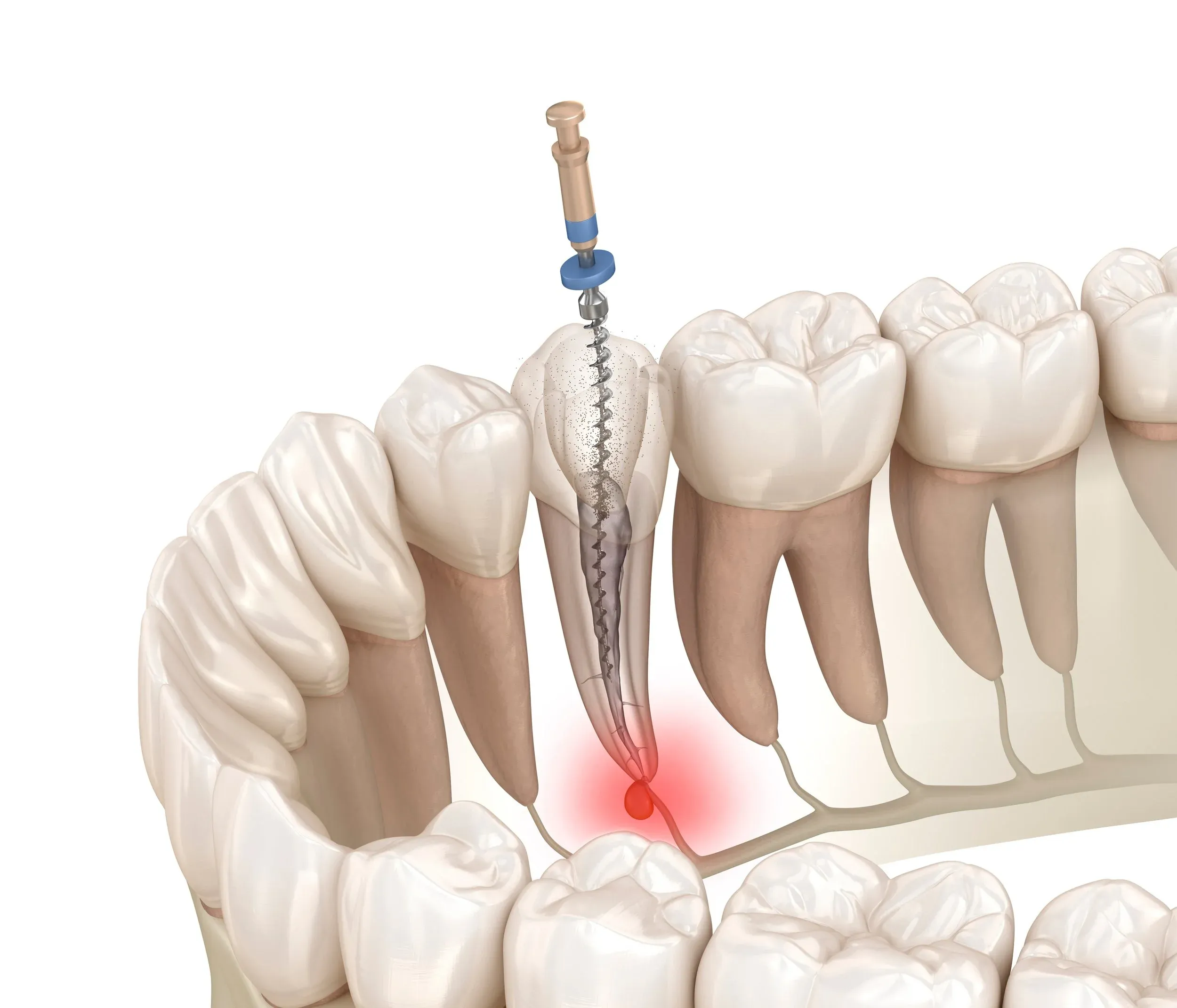
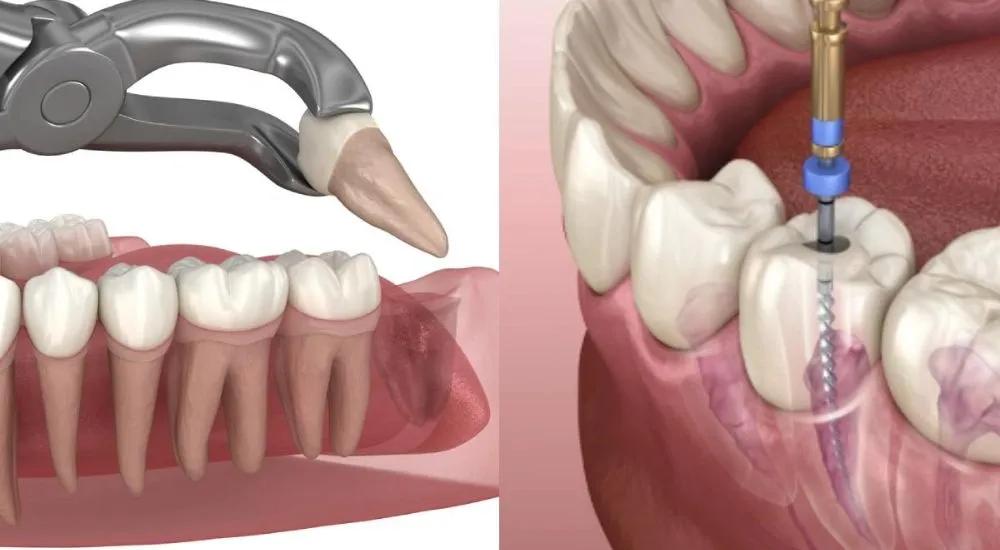
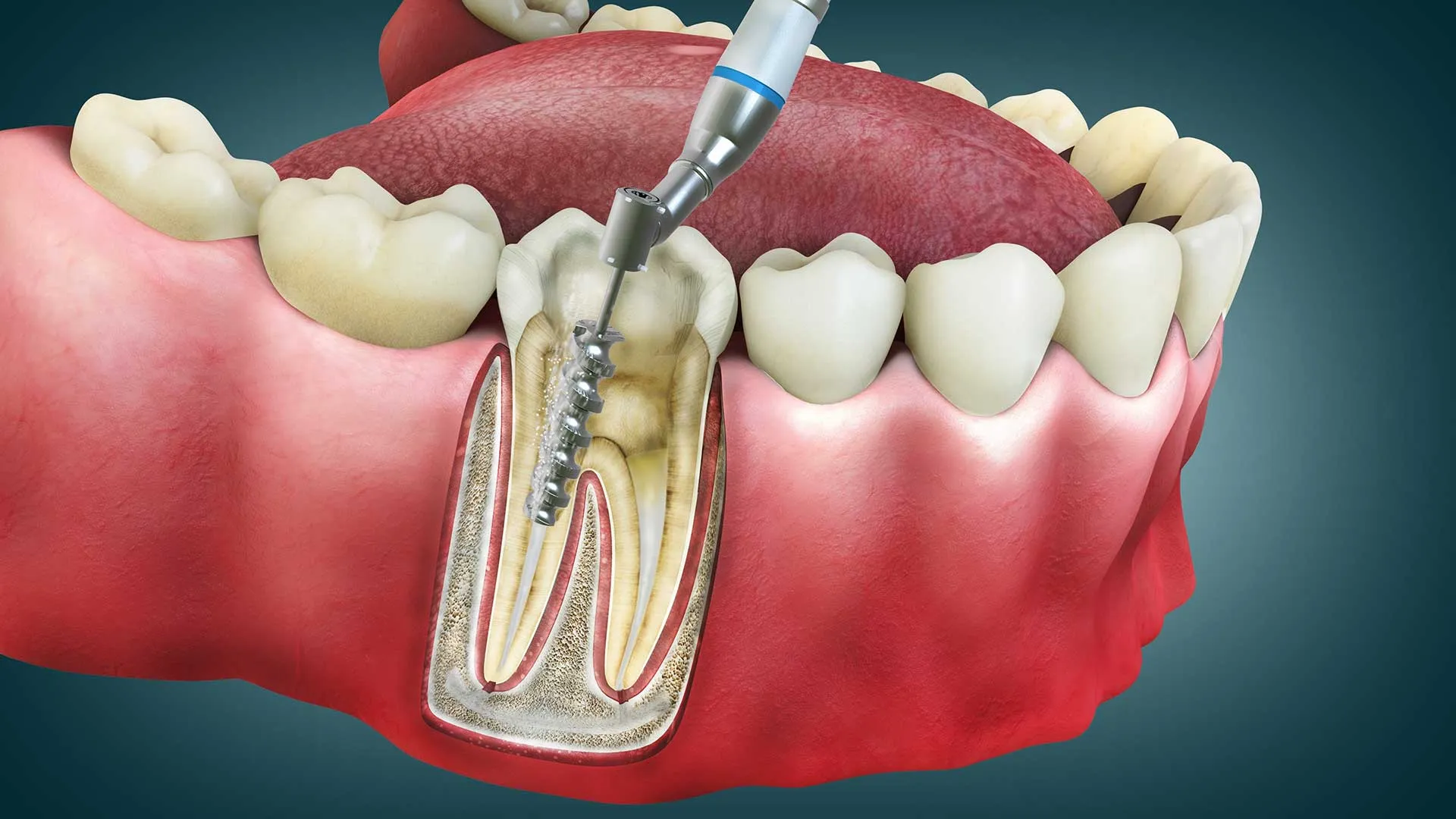
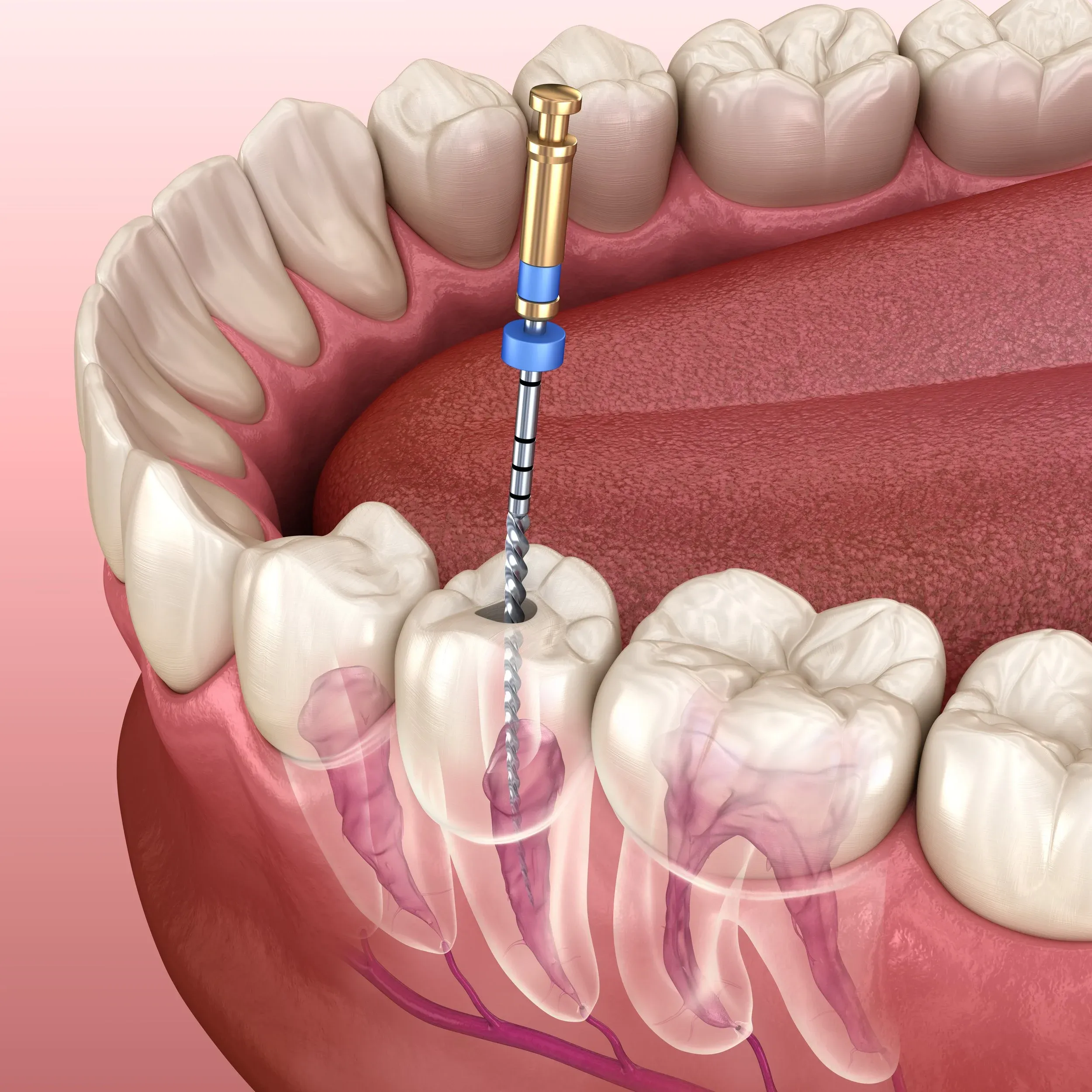
A root canal involves cleaning out the infected pulp inside your tooth and sealing the space to protect it. After the treatment, your tooth might still feel sensitive, and the surrounding gums can be a bit sore. Chewing hard, crunchy, or sticky foods too soon can put unnecessary pressure on the tooth, and in some cases, it might even lead to cracks or complications before the permanent crown is placed.
Soft foods are gentle on the healing tooth and gums. They require minimal chewing, reducing strain and lowering the chance of discomfort. By following a soft food diet for a few days, you give your mouth the best chance to recover quickly and comfortably.
---
### Thai-Inspired Soft Food Ideas
Thailand has a rich variety of easy-to-eat, comforting dishes that fit perfectly into a post-root canal recovery plan. Here’s a list of options you can find in most Thai homes or restaurants, along with why they’re ideal.
1. **Jok (Rice Porridge)**
One of Thailand’s ultimate comfort foods, jok is a smooth rice porridge that’s easy to spoon and swallow. You can add minced pork or chicken, but cook it until tender and avoid large solid chunks. Traditionally flavored with ginger, spring onions, and a splash of light soy sauce, it’s warm, soothing, and gentle on sensitive teeth.
2. **Khao Tom (Boiled Rice Soup)**
Similar to jok but with a lighter broth, khao tom is a great choice if you prefer a soupier base. The soft rice grains and slow-cooked meat or seafood make chewing minimal. Ginger slices and garlic can help warm the body and promote circulation — something locals also believe aids in recovery.
3. **Soft Boiled Eggs or Steamed Eggs**
Eggs are packed with protein, and when cooked softly, they require almost no chewing. Steamed egg, or “kai toon,” is a Thai classic with a custard-like texture that slips down easily and is gentle on your teeth.
4. **Mashed Sweet Potatoes or Pumpkin**
Soft, naturally sweet, and filling. Many Thai kitchens steam pumpkin or sweet potatoes until very soft, mash them, and season lightly. This can be eaten as a side dish or blended into soups.
5. **Fresh Banana or Ripe Papaya**
Ripe fruit with a soft flesh is your friend. Banana and papaya are common in Thailand and require zero effort to chew. They’re also rich in vitamins and dietary fiber, which help keep your digestion smooth during recovery.
6. **Soft Tofu Soup**
Tofu is a common ingredient in Thai-Chinese cooking. Soft tofu simmered in light broth — sometimes with seaweed or soft vegetables — is not only nourishing but very easy to eat without putting stress on your teeth.
---
### Foods to Avoid
While it’s tempting to eat your favorite snacks right after the pain is gone, certain foods should be avoided for at least several days after a root canal:
- **Crunchy items** like grilled peanuts, crispy fried chicken skin, or hard crackers.
- **Sticky sweets** such as caramel, sticky rice desserts, or chewing gum.
- **Spicy dishes** that can irritate sensitive gums if your mouth still feels sore, though mild chili is fine for some people.
- **Very hot or very cold drinks**, which might trigger sensitivity in your treated tooth.
---
### Tips for Eating Comfortably Post-Root Canal
1. **Use the opposite side of your mouth**
If your root canal was on one side, chew on the other side to avoid direct pressure.
2. **Cut food into small pieces**
The smaller the bites, the less chewing needed, and the easier it is on your gums.
3. **Eat slowly and mindfully**
Rushing through meals could lead to biting down too hard without realizing.
4. **Stay hydrated**
Drinking enough water supports healing and helps wash away any food particles.
---
### Cultural Note: Eating Soft Foods in Thailand
In Thailand, serving warm, easily digestible dishes after dental work or illness is part of caring for someone. Friends or family might prepare jok or a simple broth for you, sometimes adding herbs believed to support recovery, like coriander or ginger. It’s common for people to say “กินอาหารอ่อน ๆ” (kin ahan on-on) — which means “eat soft food” — as friendly advice for anyone recovering from dental treatment.
This cultural touch makes recovery feel less like a strict medical order and more like a shared experience. By choosing Thai-inspired soft foods, you’re not only following dentist recommendations but also embracing a familiar comfort that’s part of daily life here.
---
### Final Thoughts
A root canal isn’t something most people look forward to, but once it’s done, eating the right foods can make the recovery much smoother. In Thailand, a soft food diet doesn’t mean bland or boring. The wide range of gentle, flavorful dishes — from warm rice porridge to silky steamed eggs — ensures you can enjoy your meals while giving your tooth the rest it needs.
Stick to easy-to-chew options, avoid overly hot, cold, or hard foods, and pay attention to how your mouth feels. Within a few days, most people find they can gradually reintroduce their regular diet. Listening to your dentist’s advice and taking care in those first crucial days will keep your smile healthy and your recovery quick.
By following these simple guidelines, your post-root canal meals won’t just be safe — they’ll be delicious, comforting, and filled with the taste of Thailand.