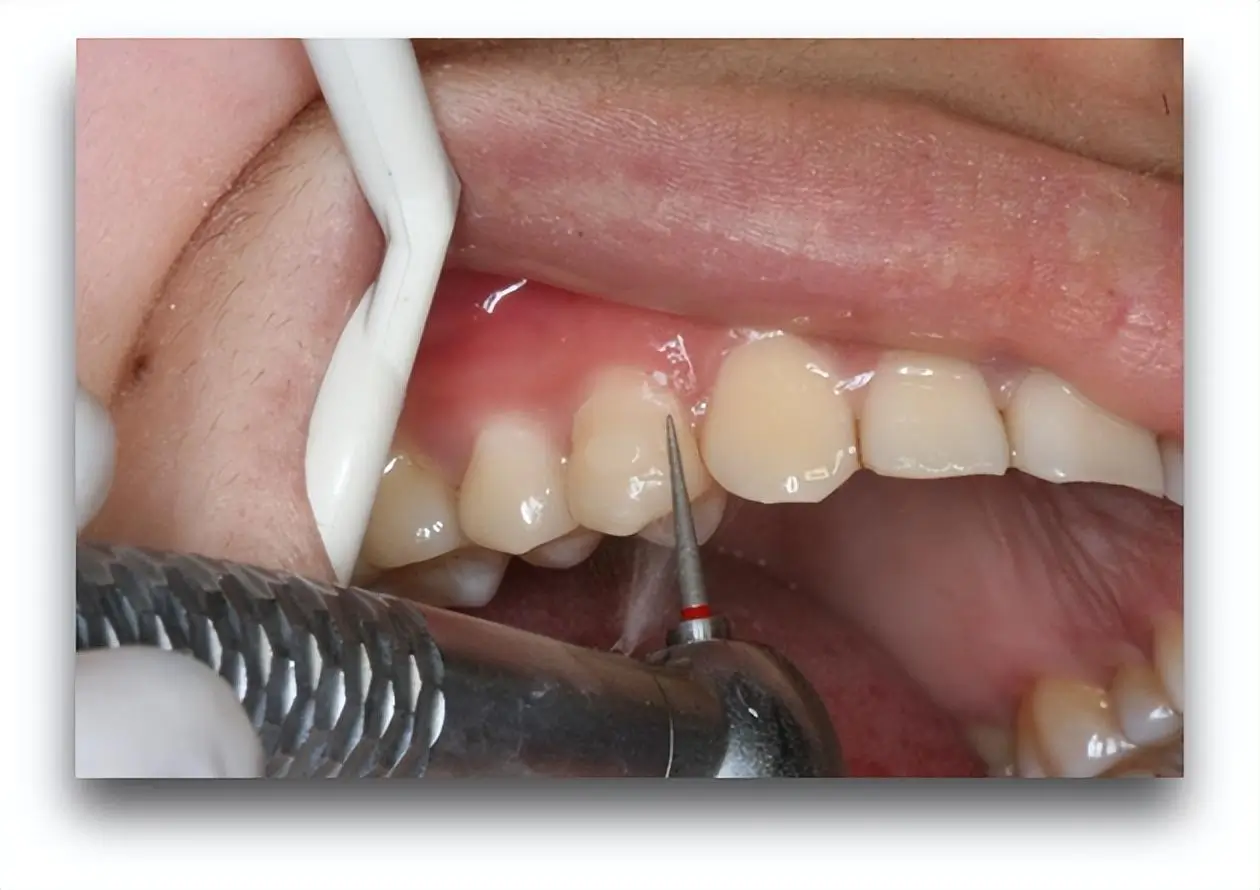
Thailand Root Canal Infection Symptoms You Should Know
**Thailand Root Canal Infection Symptoms You Should Know**
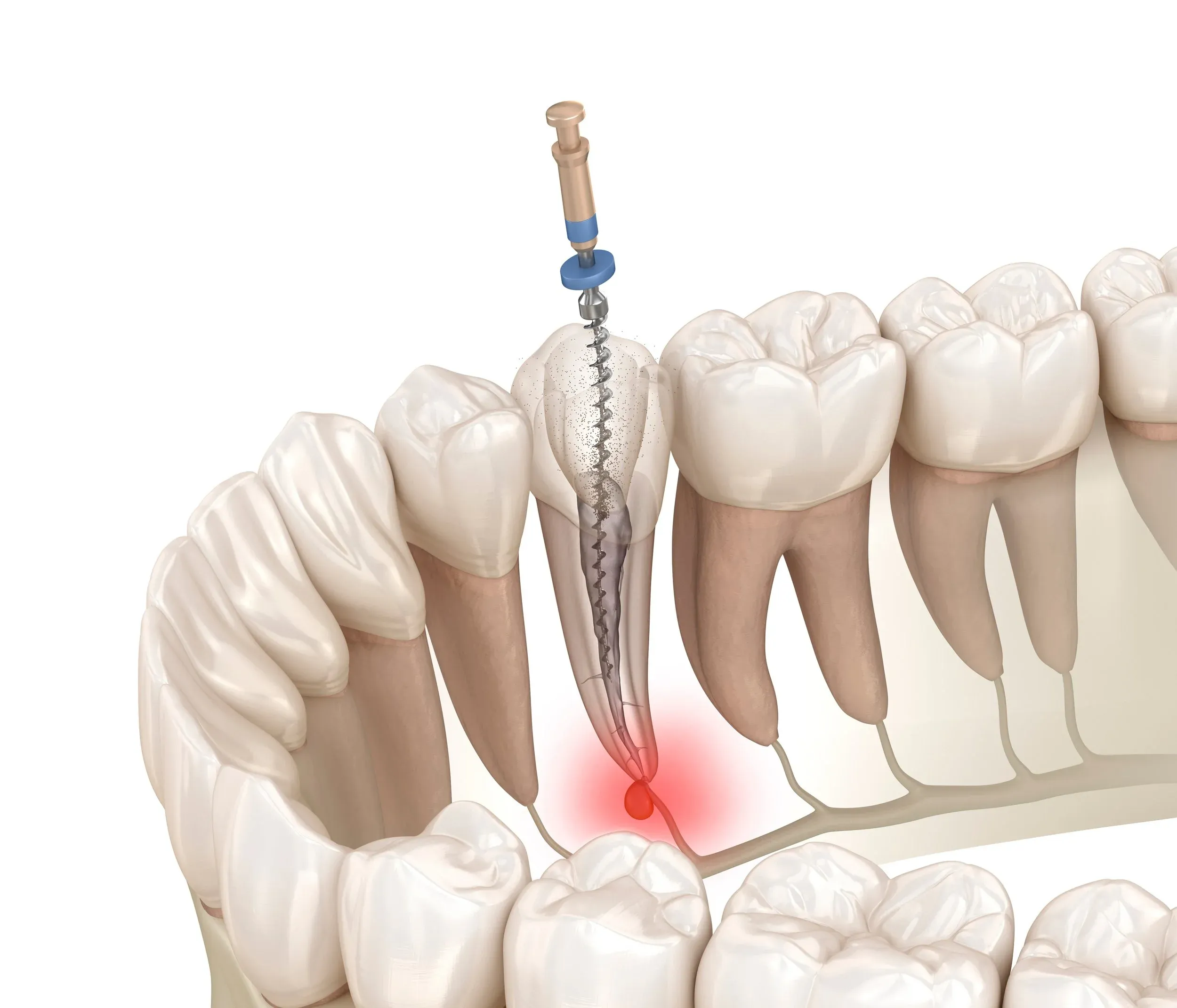
A root canal is a common dental treatment in Thailand, especially for people dealing with deep cavities or damaged teeth. While the procedure itself is designed to save a tooth and protect your oral health, sometimes complications can arise. One of these complications is a root canal infection, which can cause discomfort and, if left untreated, lead to more serious dental problems. Understanding the symptoms early can help you get timely treatment from your dentist and avoid expensive or painful procedures later on.
In Thailand, where the warm weather and popular street foods often mean frequent snacking, oral health maintenance is essential. Sugar-rich desserts like coconut sticky rice or sweet iced drinks can contribute to cavities, and if a tooth becomes severely decayed, a root canal might be necessary. However, after the procedure, knowing the signs of infection is just as important as following your dentist’s aftercare instructions.
---
### **1. Persistent Pain That Doesn’t Improve**
It’s normal to feel some soreness after a root canal, but severe or persistent pain is a warning sign. Infections can occur if bacteria remain inside the tooth or enter after the procedure. If your pain lasts more than a few days, or gets worse when you bite down, you should make an appointment with your Thai dentist as soon as possible. In places like Bangkok or Chiang Mai, many dental clinics offer emergency services, so don’t wait until the pain becomes unbearable.
---
### **2. Swelling Around the Gum or Face**
Swelling is another key symptom of a root canal infection. You might notice puffiness in your gum tissue, jaw, or even your cheeks. In Thailand’s humid climate, swelling can feel more uncomfortable, especially if it’s accompanied by redness and warmth. This is often a sign that bacteria are causing inflammation beneath the surface. Left untreated, swelling can spread, leading to more serious complications that may require antibiotics or additional procedures.
---
### **3. Extreme Sensitivity to Hot or Cold**
If your tooth becomes suddenly sensitive to hot soup or iced drinks after a root canal, it could indicate infection or nerve problems. Infections can make the tissues around the tooth more reactive to temperature changes. Many Thais enjoy chilled beverages or hot noodle soups, so sensitivity that limits your eating habits shouldn’t be ignored. Discuss such symptoms with your dentist to determine whether an infection is the cause.
---
### **4. Discharge or Pus Formation**
One of the more obvious signs of a root canal infection is the presence of pus around the tooth or gums. This discharge could have an unpleasant taste, and you might notice a small pimple-like bump on your gum called a dental abscess. In Thailand, where spicy food is common, a sudden bad taste or lingering foul odor can feel particularly disturbing. Pus means bacteria are thriving and need to be treated immediately.
---
### **5. Fever and General Feeling of Illness**
An untreated infection can trigger your body’s immune response, causing fever, chills, and tiredness. If you start to feel unwell following a r

oot canal — especially with gum pain or swelling — you should suspect a possible infection. In Thailand, where tropical illnesses are common, it’s easy to mistake these symptoms for flu or seasonal sickness. That’s why it’s important to check for any coinciding oral discomfort.
---
### **6. Gum Discoloration or Dark Spots**
Healthy gums are usually pink, but infection can cause them to appear dark red or even bluish. You might also notice spots near the treated tooth. In tropical climates like Thailand’s, gum inflammation can worsen quickly if oral hygiene routines are disrupted — for instance, during travel or holiday festivals. Early detection of color changes can help prevent the infection from spreading deeper into the jawbone.
---
### **7. Foul Breath That Doesn’t Go Away**
Temporary bad breath after dental work can happen, but if you notice a strong, persistent odor that doesn’t improve with brushing or mouthwash, it could be linked to bacterial activity inside the treated tooth. In Thailand, where food culture includes aromatic spices and herbs, foul breath caused by dental issues is often more noticeable. Tackling the root cause rather than masking it with chewing gum is the key.
---
### **How to Prevent Root Canal Infections in Thailand**
While many dental clinics in Thailand maintain high hygiene standards and advanced technology, prevention still depends on your own care routine. Here are a few tips:
- **Follow all post-treatment instructions:** Your Thai dentist will likely recommend avoiding certain foods, keeping the tooth clean, and using antibacterial mouth rinses.
- **Proper oral hygiene:** Brush at least twice daily and floss carefully, especially near the treated tooth.
- **Schedule regular check-ups:** Whether you’re in Bangkok, Phuket, or a smaller town, routine visits help spot early signs of trouble.
- **Eat mindfully:** Limit overly sweet or sticky foods that can encourage bacterial growth.
- **Stay hydrated:** Drinking plenty of water throughout Thailand’s hot days helps flush away food particles and bacteria.
---
### **What to Do if You Suspect an Infection**
If you notice any of these symptoms after your root canal, don’t delay — infections can worsen quickly. Call your dentist and explain your symptoms clearly. In urban Thai areas, you can often get same-day appointments. In rural regions, make arrangements to travel to the nearest city clinic for professional assessment.
Antibiotics, additional cleaning, or even retreatment may be necessary to eliminate the infection. The sooner you act, the better your chances of keeping the tooth and preventing complications.
---
**Final Thoughts**
A root canal can save your tooth, but staying alert to possible infections is essential for protecting your health. In Thailand’s climate and with its rich food culture, maintaining oral hygiene and being aware of the warning signs will help you enjoy both your meals and your smile without worry. If something feels off after your dental treatment, trust your instincts and seek professional care immediately. Early action not only prevents pain but also saves you money and preserves your dental health in the long run.
 collect
Hospitals included



Products included