How Thai Dentists Seal Root Canals to Prevent Reinfection
How Thai Dentists Seal Root Canals to Prevent Reinfection
**How Thai Dentists Seal Root Canals to Prevent Reinfection**
When you hear someone in Thailand talk about having a “bad tooth” fixed, quite often they’re referring to a root canal treatment. In dentistry, a root canal saves the tooth by removing infected pulp and sealing it to block further problems. But the secret to long-term success lies in how the dentist seals it. Here in Thailand, dentists not only follow global best practices but also adapt them to local needs, making sure patients leave the clinic with peace of mind—and no lingering pain.
### Understanding Root Canal Treatment in the Thai Context
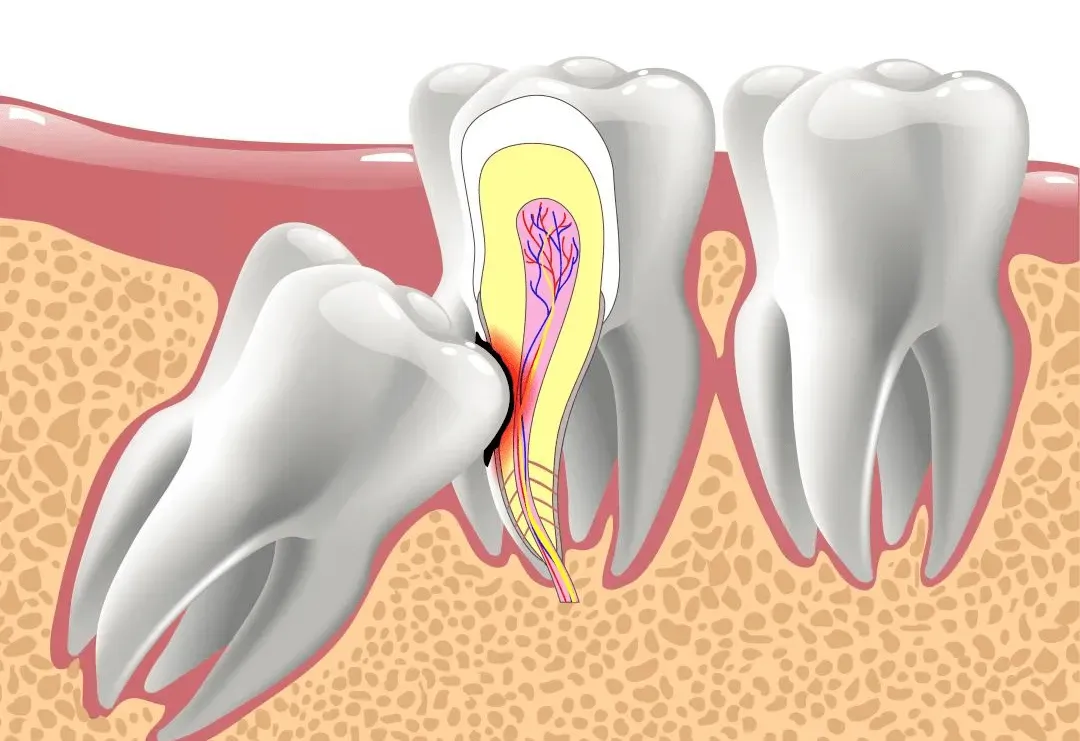
A root canal is needed when the dental pulp inside the tooth becomes infected due to deep decay, cracks, or trauma. In Thailand, many patients seek treatment only when discomfort becomes unbearable. This means dentists often need to deal with advanced infection. The process starts with careful cleaning of the canals, which can be narrow and tricky, followed by the most important stage—the sealing.
Thai dentists usually explain the whole procedure to patients in simple terms. They know dental anxiety is common here, so they take time to reassure patients. You might hear them say, “We will close the area so bacteria can’t come back,” which perfectly sums up the sealing process.
### Step-by-Step Sealing Process Used by Thai Dentists
1. **Complete Cleaning of the Canals**
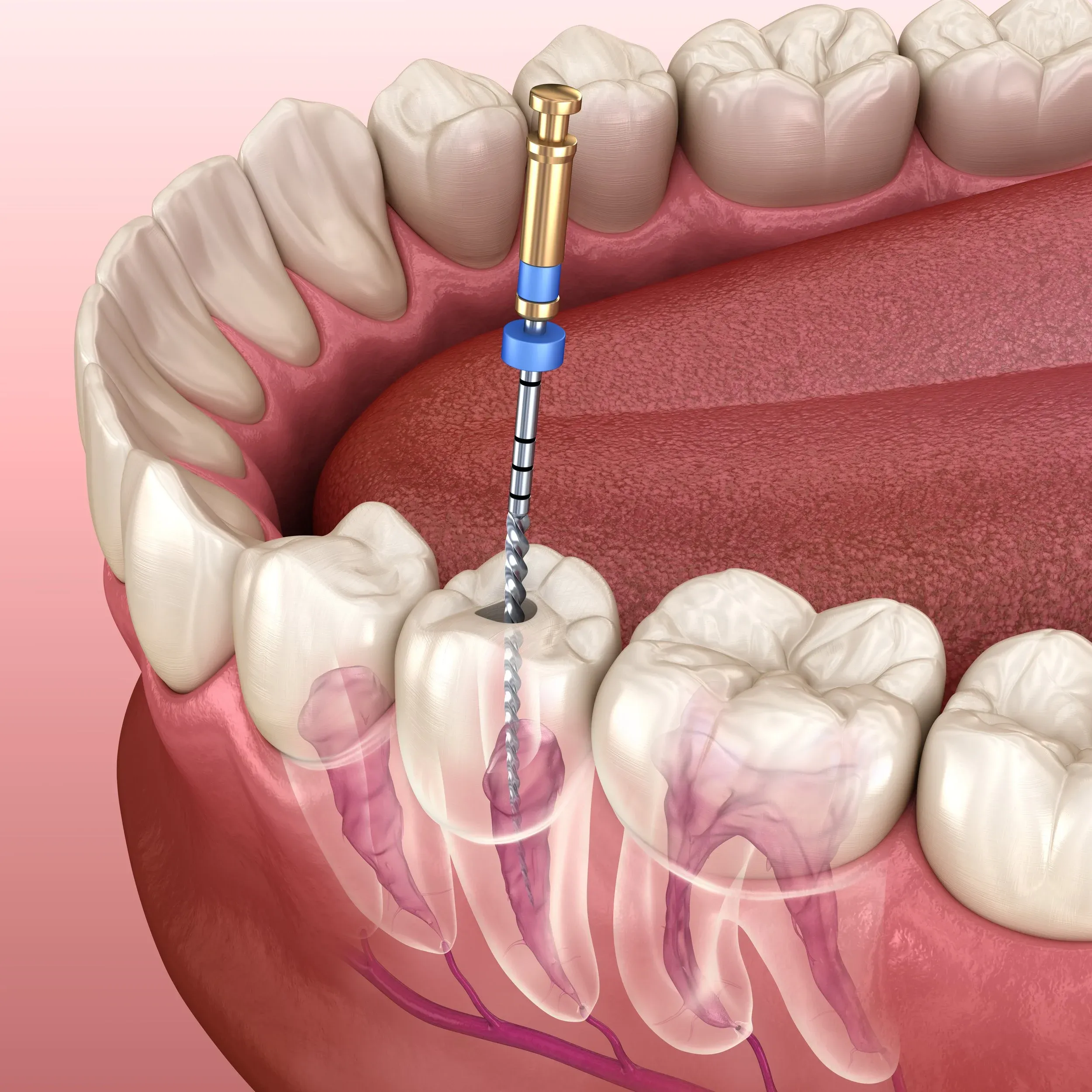
After removing the infected pulp, dentists ensure the canals are thoroughly disinfected. In Thailand, sodium hypochlorite solution is a common choice for irrigation. This clears bacteria and prepares the tooth interior for the sealant material.
2. **Shaping the Canals**
Local dentists use fine rotary instruments or hand files to shape the canals to an ideal taper. This is important for snug, effective sealing. Shaping also prevents any voids where bacteria could hide and cause reinfection later.
3. **Choosing the Right Filling Material**
The preferred filling for sealing is gutta-percha—a biocompatible, rubber-like material. In Thai clinics, gutta-percha is often combined with a sealer paste to fill every tiny space. The sealer might differ slightly in brand or formulation compared to overseas, but all aim to block bacteria thoroughly.
4. **Warm Vertical or Lateral Condensation**
Many Thai dentists are skilled in the warm vertical condensation technique, in which heated gutta-percha is gently pressed into the canal for a tight fit. Others use lateral condensation, adding more material against the walls. Both methods create a dense, uninterrupted seal.
5. **Final Restoration**
Once the canal is sealed, the dentist places a temporary or permanent crown or filling. In Thailand’s humid climate, protecting the top of the tooth is just as important—moisture and micro-leakage can undo the best root canal work if the surface isn’t well sealed.
### Why Sealing is So Important in Thailand’s Climate
Thailand’s tropical climate can make oral health conditions progress faster if teeth are left untreated. Warm temperatures and high humidity encourage bacterial growth, which means an unsealed or poorly sealed root canal might get reinfected more easily here than in cooler countries.
That’s why Thai dentists focus heavily on the sealing stage. They ens
ure every curve and branch of the root canal is completely filled. They also recommend patients follow up for regular checks. Reinfection not only causes pain but can also lead to tooth loss, jawbone problems, and extra treatment costs.
### The Role of Patient Compliance
Dentists can do a perfect sealing job, but it’s also up to you to take care after treatment. In Thailand, dentists often give simple post-treatment advice: avoid biting hard on the treated tooth for a few days, keep up daily brushing, and don’t skip your scheduled crown fitting.
Unfortunately, some patients stop visiting the clinic once pain is gone, leaving the tooth incomplete without a crown. This allows bacteria to re-enter through the chewing surfaces. Dentists here always emphasize that a sealed root canal is only truly protected when combined with a strong final restoration.
### Modern Technology in Thai Dental Clinics
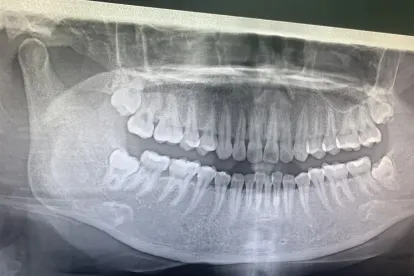
Thailand’s urban clinics are well-equipped with modern imaging tools like digital X-rays and cone beam CT scans. These help dentists see complex canals and confirm proper filling depth. Some also use electronic apex locators to ensure sealing reaches exactly the end of the canals without going beyond.
In high-end dental centres, you may find advanced thermoplastic obturation systems, which heat gutta-percha for an even better seal. While the techniques match international standards, the patient experience often feels warmer and more personal thanks to Thailand’s service-oriented culture.
### Prevention of Reinfection—More Than Just Sealing
Sealing blocks bacteria, but dentists here also look at the bigger picture. They address gum health, give dietary advice, and in some cases, recommend antibacterial mouth rinses to lower the overall risk of bacterial growth around the tooth.
Thai dentists understand that certain local eating habits—like enjoying sticky sweets or spicy street food—can encourage bacterial buildup if oral hygiene isn’t consistent. So they talk to patients in relatable ways, often drawing comparisons to everyday foods and routines so advice sticks in the mind.
### Long-Term Outlook After Root Canal Sealing
With proper sealing, a treated tooth in Thailand can last for many years. Reinfection rates drop dramatically when patients follow up for restorations and maintenance. Dentists encourage annual check-ups—even if you feel fine—to catch any early signs of trouble.
In fact, some clinics offer reminder calls or messages to help patients keep track of appointments. This friendly approach keeps patients engaged in their dental care and ensures sealing success isn’t compromised by neglect.
### Final Thoughts
A successful root canal in Thailand is more than just removing infection—it’s about sealing the canals with precision, protecting the tooth against a challenging tropical environment, and making sure patients finish all treatment steps. Thai dentists combine skill, modern equipment, and culturally sensitive communication to help people keep their natural teeth for the long term.
If you ever need a root canal here, knowing how Thai dentists seal the tooth will give you confidence. The careful techniques and attention to detail mean your tooth can stay healthy, pain-free, and fully functional—without fear of reinfection.