Thailand Root Canal Pain Management – What Really Works
Thailand Root Canal Pain Management – What Really Works
**Thailand Root Canal Pain Management – What Really Works**
If you’ve ever needed a root canal in Thailand, you probably already know—it’s a phrase that makes people’s hearts race. Even though modern dentistry has come a long way, many patients still worry about the pain during and after the treatment. The good news is, in clinics across Bangkok, Chiang Mai, Phuket, and other Thai cities, dentists now use advanced techniques to ensure that a root canal is as comfortable and stress-free as possible.
In this article, we’ll take a realistic look at what really works when it comes to managing root canal pain in Thailand, from the moment you step into the dental chair to the recovery period at home. Whether you’re a local or an expat living in the Land of Smiles, this guide will help you understand what to expect and how to minimize discomfort.
---
### Why Root Canals Hurt – and Why They Often Don’t Anymore
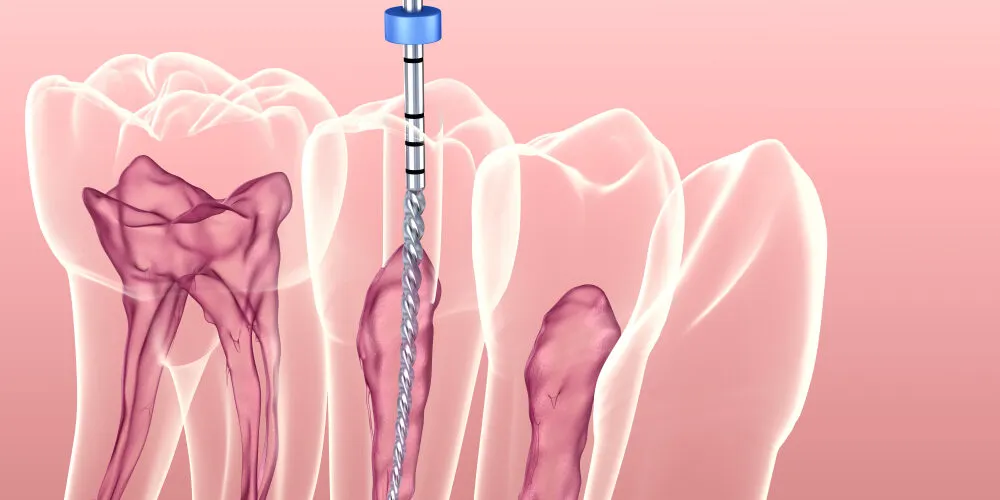
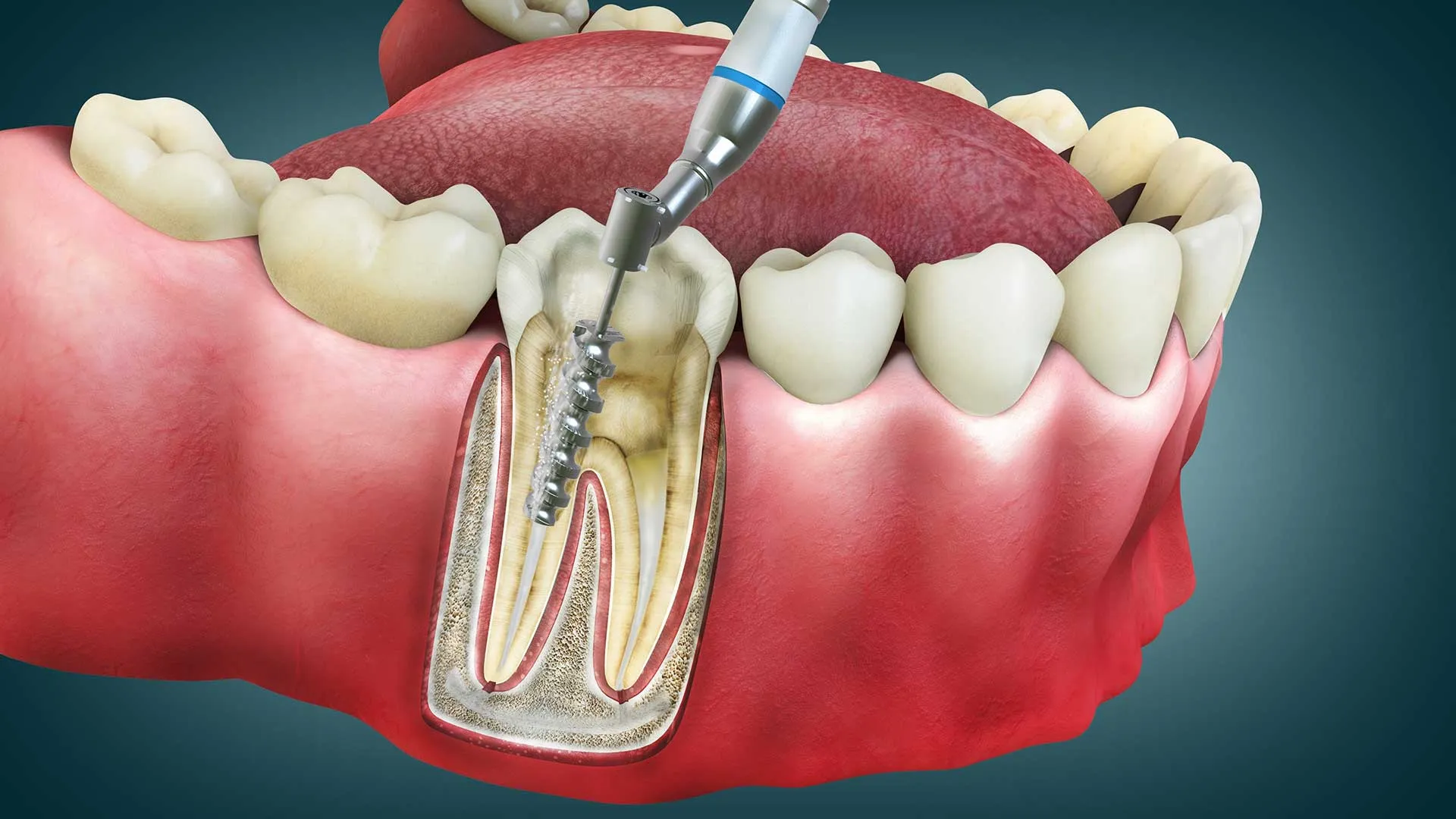
A root canal is done to remove infected or inflamed pulp inside the tooth. In the past, dental technology and anesthesia were less advanced, so patients felt more discomfort. Today, Thai dental clinics, even in smaller towns, often have digital X-rays, rotary instruments, and strong local anesthesia tailored to each patient. This means that during the actual procedure, most people in Thailand feel minimal to no pain—just a bit of pressure or vibration.
Pain usually occurs after the procedure, when the tissue around the treated tooth is inflamed. This is normal and can be managed easily with the right steps.
---
### Pre-Treatment Comfort in Thai Clinics
One important thing to note about dental care in Thailand is the emphasis on patient comfort. Thai dentists are generally friendly and approachable, making it easier for patients to share concerns. A dentist may explain each step before starting, and many clinics offer stress-reducing touches like warm lighting, soothing music, or even herbal compresses for relaxation.
If you’re anxious, it’s perfectly fine to tell your dentist. In Thailand, it’s common to say “mai yaak jeb” (I don’t want pain), and your dentist will adjust anesthesia accordingly.
---
### Pain Management During the Procedure
**Local Anesthesia** – Almost all Thai dental clinics use strong local anesthetics, ensuring the tooth and surrounding area are completely numb. You might feel pressure, but no sharp pain.
**Conscious Sedation** – In bigger cities like Bangkok or Chiang Mai, some clinics offer mild sedation options, especially for patients with dental phobia.
**Gentle Technique** – Thai dentists often emphasize “sabai sabai” (comfortable, relaxed) handling. Minimizing harsh movements and keeping the mouth well-supported reduces strain.
---
### Pain Relief After the Root Canal
Most discomfort occurs in the hours or days after the procedure. Here’s what really works in Thailand:
**1. Over-the-Counter Pain Killers**
Paracetamol is widely available in Thailand and works well for mild post-treatment soreness. For more intense discomfort, ibuprofen can help reduce
inflammation. Ask your dentist which is best for you.
**2. Prescription Medications**
If infection is severe, the dentist may prescribe stronger pain relief or antibiotics. Always finish any prescribed course to avoid recurrent pain.
**3. Cold Compress Application**
Placing a cold pack against your cheek for 10–15 minutes at a time can help reduce swelling. In Thailand’s warm climate, this also feels refreshing.
**4. Avoiding Hard or Spicy Foods**
Thailand is famous for its spicy dishes, but right after a root canal, overly spicy or hard food can irritate healing tissue. Choose “soft and sabai” meals—like rice porridge (khao tom) or steamed fish—for a few days.
**5. Gentle Oral Care**
Keep brushing and flossing carefully, but avoid direct pressure on the treated tooth for the first couple of days. Using lukewarm water for rinsing instead of very cold or hot water will feel more comfortable.
---
### How Long Does Pain Usually Last?
In most Thai cases, mild discomfort fades within two to three days. If pain suddenly increases, or if swelling becomes severe, contact your dentist immediately. Dental professionals in Thailand are used to providing quick follow-up care, often without an extra consultation fee.
---
### Extra Tips for a Smooth Recovery in Thailand
- **Stay Hydrated** – The Thai climate can be dehydrating. Drink plenty of water to help the body recover faster.
- **Rest Well** – Avoid unnecessary face strain, such as chewing on the treated side or talking excessively right after the procedure.
- **Follow Local Dietary Wisdom** – Many Thai families believe in eating “cooling” foods like fresh cucumber and avoiding “heaty” dishes while recovering—these traditions often align with reducing inflammation.
---
### Choosing the Right Dentist in Thailand
For minimal pain and best results, choose a clinic with:
- Modern equipment and sterilization procedures
- Clear communication about treatment steps
- Positive patient reviews, especially concerning comfort
- Convenient location for follow-up visits
Dental care in Thailand is known for being relatively affordable compared to Western countries, without compromising quality. Many dentists are internationally trained and speak excellent English, making it easier for expats and travellers to feel at ease.
---
### The Bottom Line
Root canal pain is no longer the nightmare it used to be, especially in Thailand’s modern dental clinics. The combination of advanced technology, careful patient communication, and approachable Thai culture makes the entire experience much more comfortable.
With the right dentist, good anesthesia, and smart aftercare—like choosing soft, mild Thai foods and taking recommended medication—you can expect minimal discomfort and a fast return to your daily “sabai sabai” life.
If you’re facing a root canal in Thailand, remember this: pain management is highly effective here, and with proper care, you’ll soon be back enjoying your favorite pad Thai or mango sticky rice without a second thought.