Thailand Root Canal vs Extraction – Cost and Long-Term Comparison
Thailand Root Canal vs Extraction – Cost and Long-Term Comparison
**Thailand Root Canal vs Extraction – Cost and Long-Term Comparison**
When faced with severe tooth pain in Thailand, the choice between a root canal and a tooth extraction often comes down to cost, comfort, and the long-term impact on your oral health. For many residents and visitors who need dental treatment here, understanding the pros and cons of each option can help you make an informed decision that suits both your wallet and your lifestyle.
### Understanding the Basics
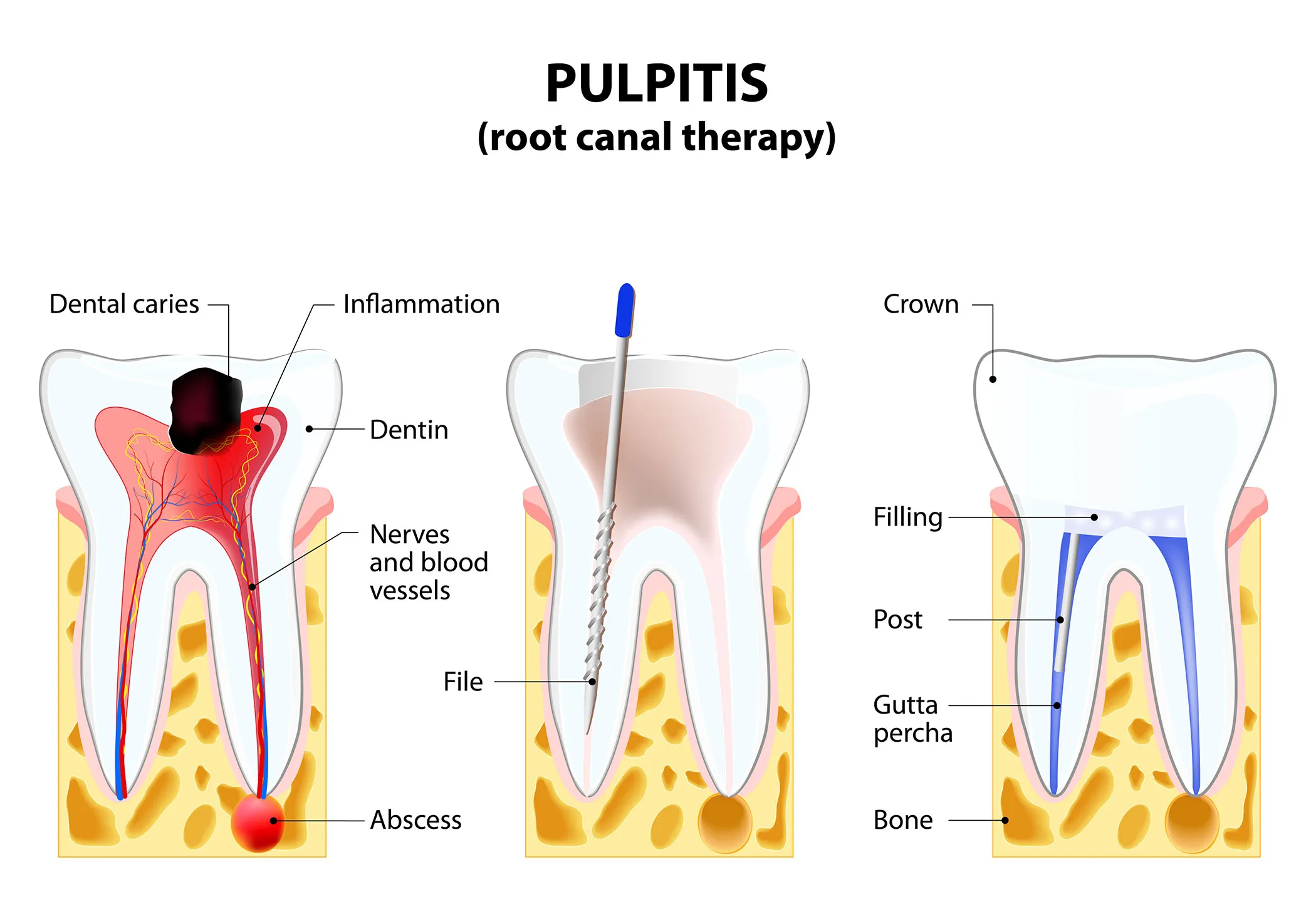
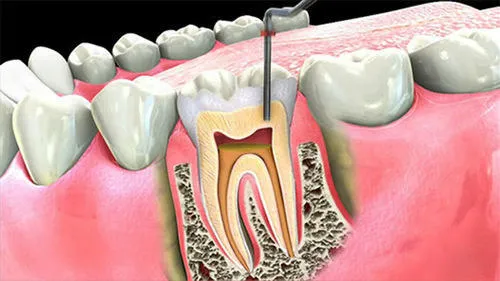
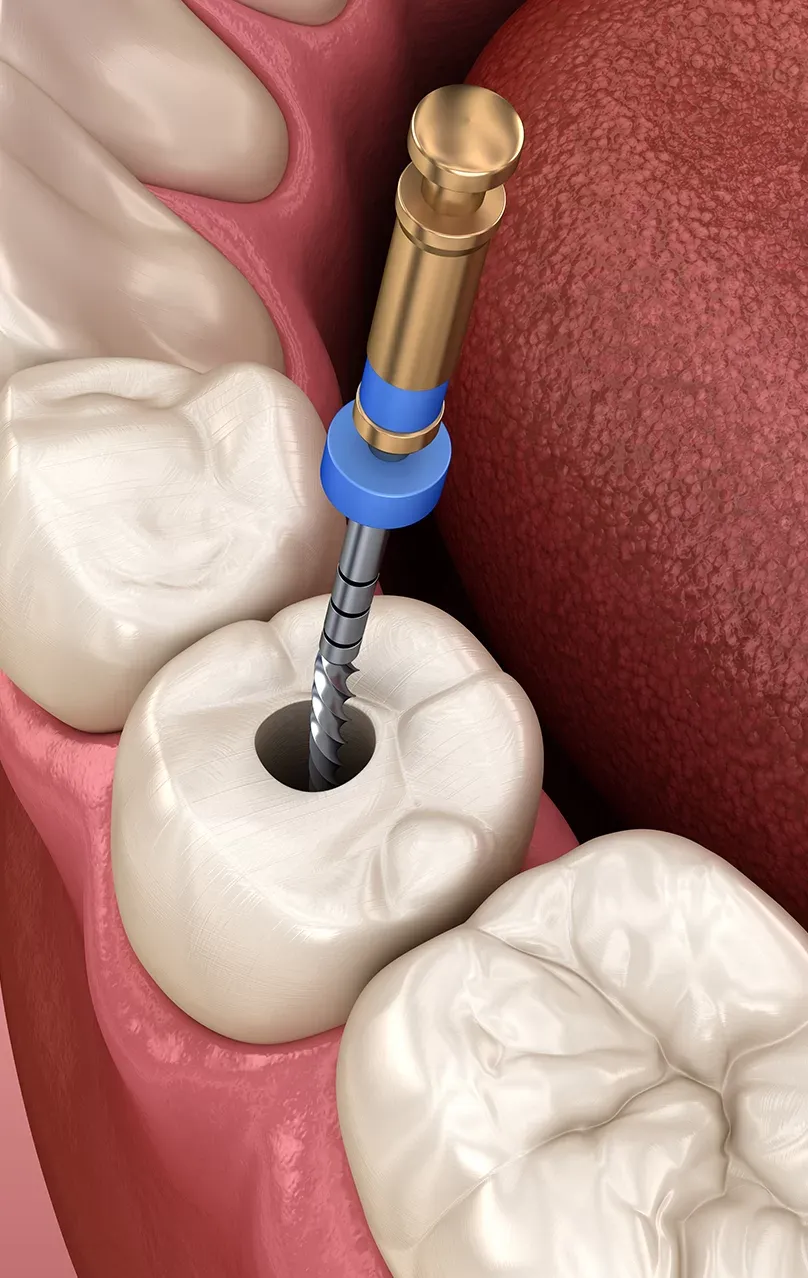
A **root canal**, or endodontic treatment, is a procedure that removes infected pulp from inside a tooth, cleans the canal, and seals it to prevent further infection. It’s designed to save your natural tooth so you can continue to chew and smile without gaps.
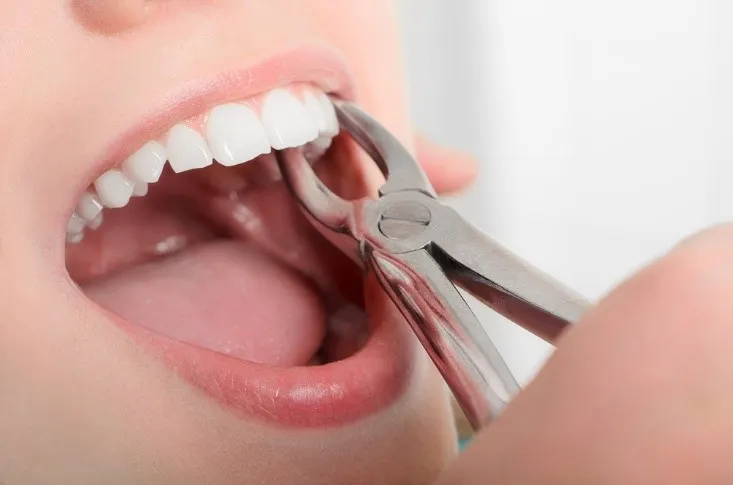
A **tooth extraction** is the removal of the entire tooth from its socket. This is usually recommended when the tooth is too damaged to be repaired. After extraction, you may need additional procedures like dental implants, bridges, or dentures to replace the missing tooth if you want to maintain proper function and appearance.
### Cost Comparison in Thailand
One of the reasons dental care in Thailand is popular among locals and medical tourists is the relatively affordable pricing compared to Western countries. However, root canals and extractions come with different price ranges.
- **Root Canal**: In Thailand, the cost of a root canal generally depends on the tooth’s position and the complexity of treatment. Front teeth are cheaper to treat, while molars are more costly because they have multiple canals. On average, you might expect to pay around **THB 4,000–8,000** for a single tooth. This often excludes the price of a dental crown, which can add another **THB 5,000–12,000** depending on materials used.
- **Extraction**: A basic extraction can cost as little as **THB 1,000–3,000**. More complex surgical extractions, especially for impacted wisdom teeth, can range from **THB 3,000–6,000**. If you choose to replace the tooth afterward, dental implants in Thailand can cost **THB 50,000–75,000** per tooth, while bridges and dentures generally cost less but still add to the overall expense.
At first glance, extractions seem cheaper. But when you factor in tooth replacement to avoid long-term issues like shifting teeth or jawbone loss, the total cost can quickly surpass the price of a root canal.
### Long-Term Considerations
**1. Oral Function and Comfort**
Keeping your natural tooth through a root canal allows you to maintain normal chewing forces and a natural bite. Extractions can lead to gaps that make eating certain foods more difficult unless replaced. Many Thais appreciate retaining natural teeth because it not only helps with eating sticky rice or tougher meats but also preserves facial contours.
**2. Aesthetic Appeal**
For front teeth, most people
prefer to save the tooth if possible. A crown after a root canal blends in with your natural smile. Missing teeth—especially visible ones—may affect confidence, and replacement options can feel artificial if not done well.
**3. Jawbone and Gum Health**
When a tooth is removed, the jawbone in that area can begin to shrink over time due to lack of stimulation. This is less of a concern with a preserved tooth. In Thailand’s humid climate, gum health becomes even more important because infections can develop faster without proper oral hygiene.
**4. Longevity of Results**
A well-done root canal followed by a good quality crown can last over 10 years with proper care. Tooth extractions, while permanent, require replacement options that might need maintenance or replacement every 7–15 years depending on the material.
### Lifestyle and Cultural Factors in Thailand
In Thai culture, a beautiful smile is often seen as a social asset, whether you’re greeting friends with a “wai” or serving customers in hospitality roles. Many locals prefer treatments that preserve the look and feel of natural teeth.
Dental clinics in Bangkok, Chiang Mai, and Phuket often see patients opting for root canals even if they cost a bit more, especially when the tooth is visible during speech or smiles. However, for wisdom teeth or severely decayed molars at the back, extraction is often considered the faster, more economical choice.
### Decision-Making Tips
- **Assess the Tooth’s Role**: If it’s critical for chewing or visible when you smile, lean toward saving it with a root canal.
- **Calculate Total Costs**: Include crowns or replacement teeth in your cost comparison, not just the initial procedure.
- **Consult Trusted Dentists**: Thailand has many reputable clinics with English-speaking dentists in major cities; get a second opinion before making a final choice.
- **Consider Future Maintenance**: Think about whether you’re willing to maintain a crown over time versus dealing with a bridge, denture, or implant.
### Final Thoughts
Choosing between a root canal and an extraction in Thailand isn’t just about the price tag today—it’s about protecting your oral health, preserving your smile, and avoiding bigger expenses later. Root canals can seem expensive at first, but they often save you from more costly replacement procedures down the line. Extractions may be quick and cheap, but without proper planning for replacement, they can lead to long-term issues with chewing, appearance, and bone health.
Whichever option you choose, Thailand’s dental professionals generally offer high-quality treatment at a fraction of the cost in many Western countries. Just make sure you weigh the immediate savings against the potential long-term impact, and opt for the solution that aligns best with your health, lifestyle, and budget.