Thailand Post-Root Canal Sensitivity – How Long Is Normal
Thailand Post-Root Canal Sensitivity – How Long Is Normal
**Thailand Post-Root Canal Sensitivity – How Long Is Normal**
If you’ve recently had a root canal in Thailand, you might be wondering why your tooth still feels sensitive afterwards. For many people, visiting the dentist can be a stressful experience, and it’s natural to expect everything to feel perfectly fine right after treatment. But in reality, a certain level of sensitivity after a root canal is quite common – and often perfectly normal. Understanding why it happens, how long it lasts, and what you can do about it can help you feel more at ease during recovery.
### Why Sensitivity After Root Canal Happens
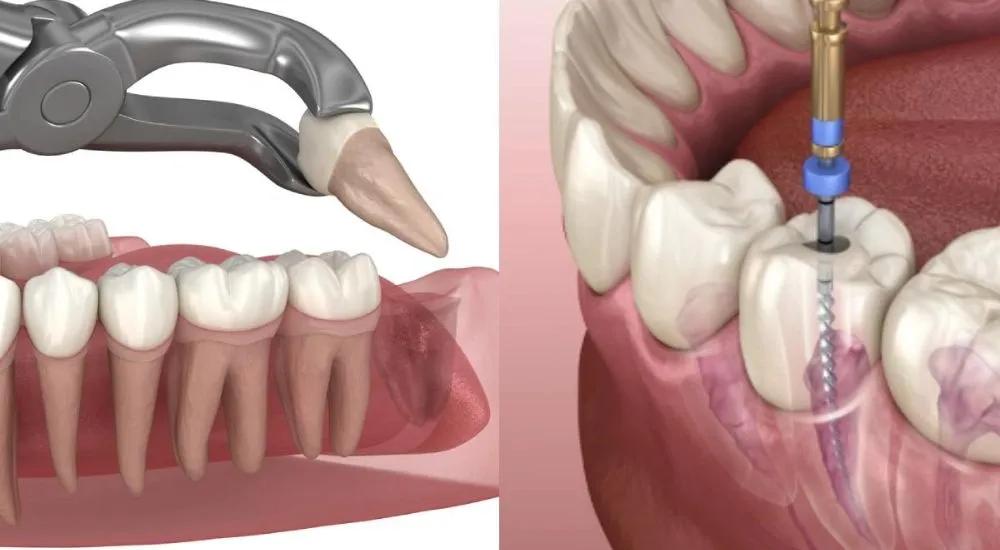
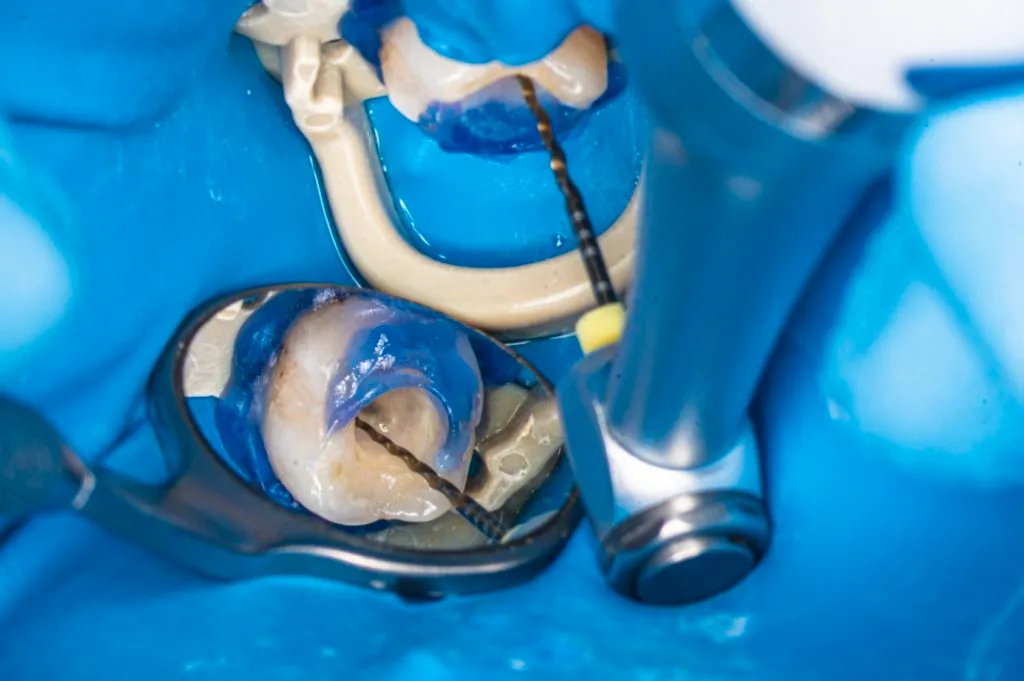
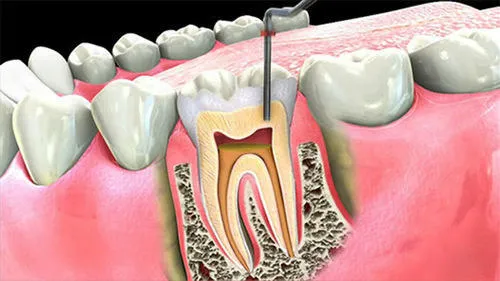
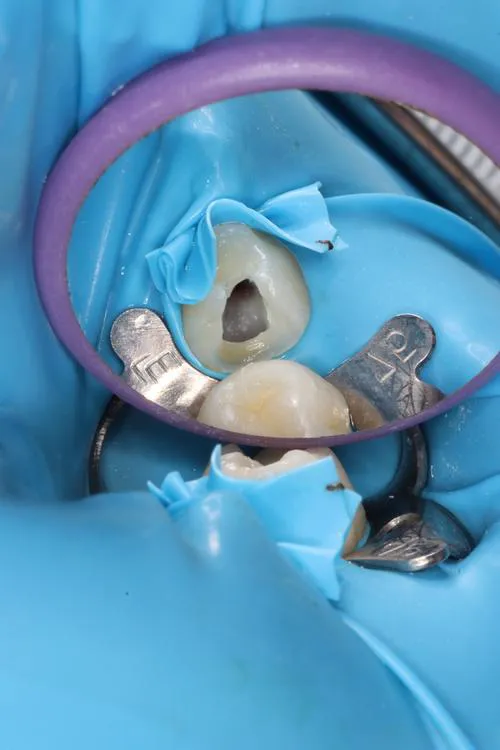
A root canal treatment involves removing infected or damaged pulp from inside the tooth, then cleaning, shaping, and sealing the space. While dentists in Thailand often apply advanced techniques and modern equipment, the procedure still involves working deep inside the tooth structure.
After the treatment, surrounding tissues – including ligaments, nerves, and gums – may be slightly irritated. This irritation can cause mild tenderness when you chew, bite, or touch the tooth. Even though the nerve inside the tooth has been removed, the nerve endings around the tooth and in the jaw continue to exist and may react to the procedure.
Other possible reasons for post-treatment sensitivity can include:
- **Inflammation in surrounding tissue** due to dental instruments and cleaning process
- **Temporary inflammation at the root tip** called apical periodontitis
- **Bite adjustment needed**, if the filling or crown is a little high
- **Healing process** – where your body is repairing minor trauma from treatment
### How Long Is Normal for Sensitivity to Last?
In Thailand, most dentists advise that mild sensitivity, especially when biting or chewing, can last from a few days to about two weeks after a root canal. Very often, the discomfort decreases gradually over time.
Here’s what’s generally considered the normal range:
- **1–3 days**: Slight tenderness and sensitivity. Can be managed easily with over-the-counter pain relief like paracetamol or ibuprofen.
- **Up to 2 weeks**: Mild discomfort that’s slowly reducing. Eating softer Thai foods, such as jasmine rice, clear soups, or steamed fish, can help during this time.
- **Beyond 2 weeks**: If sensitivity still feels strong, or you notice swelling or pain increasing, it’s best to return to your dentist for a check-up.
For most people, sensitivity after a root canal is temporary. Once the tissue inflammation settles and your bite adjusts, you should be able to enjoy your regular meals without discomfort.
### Tips to Reduce Sensitivity and Heal Faster
Thai dental professionals often recommend a few practical steps to support recovery and keep sensitivity minimal:
1. **Follow your dentist’s aftercare instructions**
If you were advised to avoid certain foods or habits, make sure you follow this fully. Your tooth structure is still stabilising after the procedure.
2. **Eat soft and non-spicy mea
ls** in the first week
Even though Thai cuisine is famous for its chilli heat, try to avoid very spicy dishes initially, as they can irritate sensitive gums or make discomfort more noticeable.
3. **Use a soft toothbrush**
Switching to a softer-bristled toothbrush can prevent unnecessary pressure around the treated tooth.
4. **Avoid chewing on the treated side**
Give that side of your mouth a rest until sensitivity reduces. This avoids extra strain on the healing tooth.
5. **Take prescribed medication as directed**
If your dentist gave you antibiotics or pain relief, take them exactly as instructed to avoid complications.
6. **Keep follow-up appointments**
In Thailand, many dental clinics offer scheduled checks after a root canal to ensure healing is on track. These visits are important to detect and fix any early issues.
### When Sensitivity Might Be a Concern
While most sensitivity after a root canal is harmless and temporary, certain signs can indicate that further attention is needed:
- Pain that gets worse instead of better
- Swelling around the tooth or gums
- A throbbing sensation
- Fever or general unwell feeling
- Difficulty chewing beyond the first couple of weeks
These symptoms could point to issues such as a lingering infection, a cracked tooth structure, or bite misalignment. In Thailand’s larger cities like Bangkok or Chiang Mai, dental clinics can easily perform an X-ray or adjustment to address these problems quickly.
### The Role of Thai Dentistry Standards
Many patients are reassured by the fact that dental standards in Thailand are high, with many dentists trained internationally. Clinics in places like Sukhumvit or Phuket use digital X-rays and advanced rotary instruments to make root canal procedures as comfortable and precise as possible. Post-treatment sensitivity is usually well-managed, and clear aftercare instructions are provided in both Thai and English for foreign residents and visitors.
This means that when sensitivity lasts within the normal recovery window, it is most often just part of the body’s natural healing process. By following your dentist’s advice, maintaining good oral hygiene, and staying patient, you’re likely to find the sensitivity fading sooner than you expect.
### Final Thoughts
If you’ve had a root canal in Thailand and are feeling sensitivity afterwards, remember – it’s usually temporary and part of recovery. For most people, mild tenderness lasts just a few days to two weeks, gradually improving over time.
The key to smooth recovery is listening to your body, avoiding unnecessary strain on the treated tooth, and keeping in touch with your dentist if anything feels unusual. Thai dental care combines modern techniques with a friendly, patient-centred approach, so you’ll always have support if discomfort lingers.
With the right care, you’ll soon be able to enjoy your favourite Thai meals again – without worrying about tooth sensitivity. And that’s a smile worth waiting for.