Thailand Broken Instrument Removal – How Specialists Handle It
**Thailand Broken Instrument Removal – How Specialists Handle It**
When it comes to dental care in Thailand, many people immediately think of routine procedures like fillings, whitening, or orthodontics. Yet, there is one dental situation that patients rarely consider until it happens — the removal of a broken instrument inside the tooth. While this might sound unusual, it’s a real scenario that dentists in Thailand handle with skill and precision, especially during root canal treatments. Knowing how specialists deal with this can ease worries and help you understand what to expect.
### What Is a Broken Instrument in Dentistry?
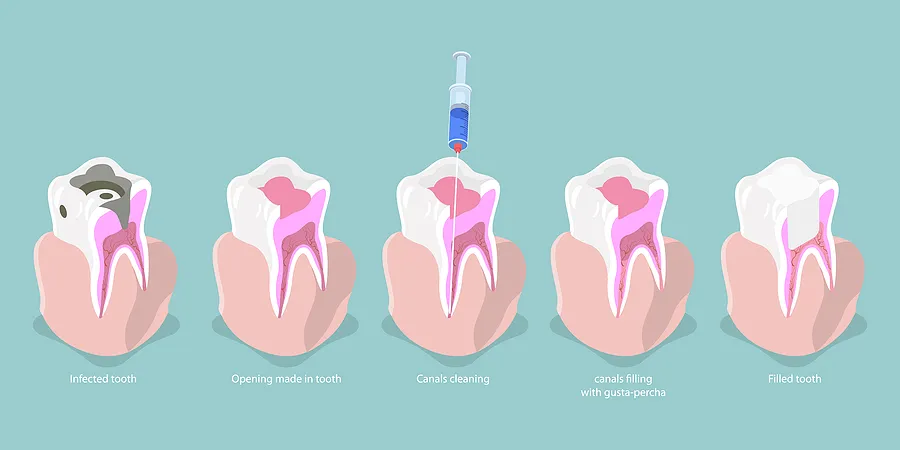
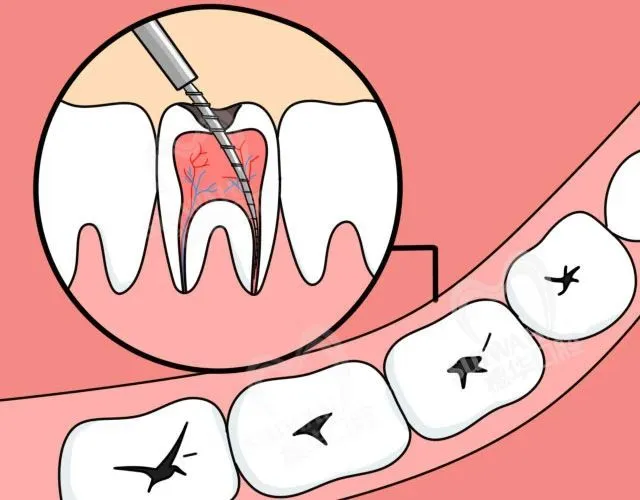
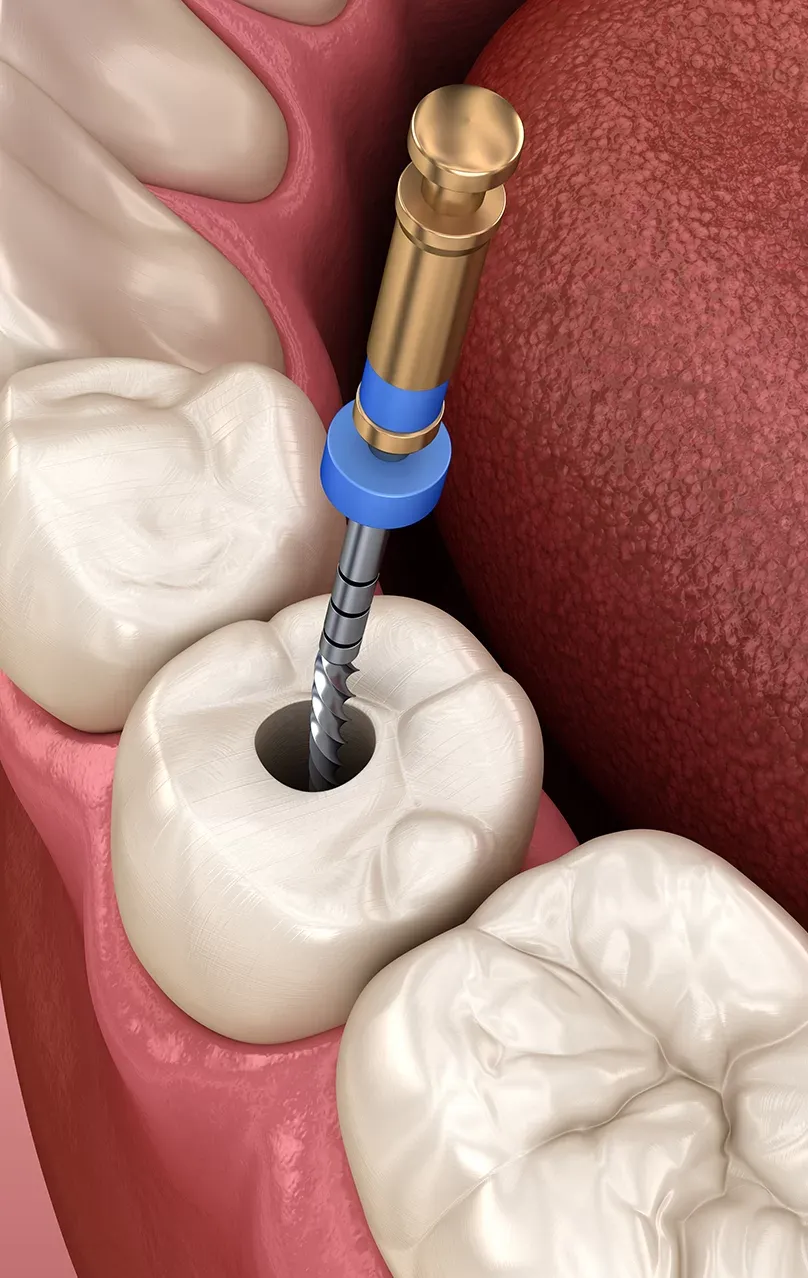
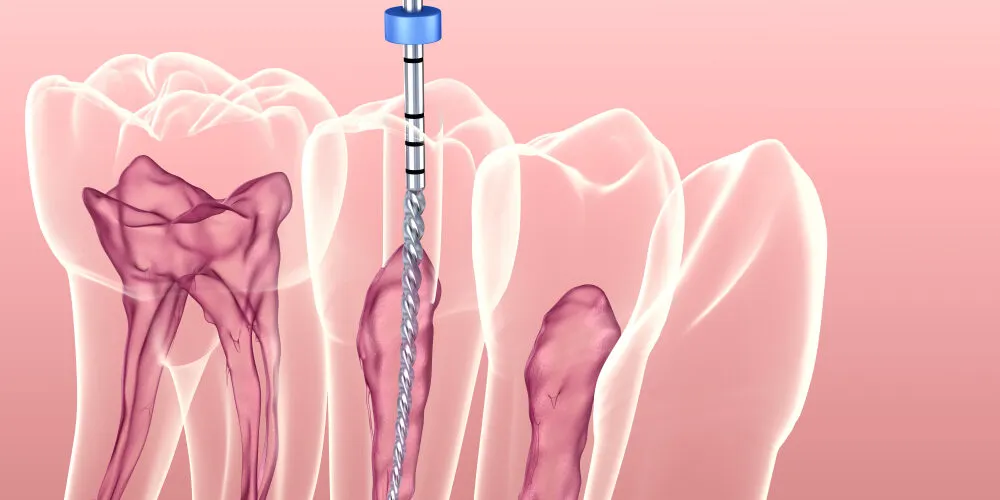
During root canal treatment, dentists use very fine and delicate instruments to clean and shape the inside of the tooth’s root canal. These instruments are often made of metal and are designed to reach deep into the narrow, twisting canals. However, because of their small size and the complexity of the procedure, an instrument can sometimes fracture inside the canal. This is what dental professionals call a “broken instrument.”
A broken file or tool in the canal is not necessarily a cause for alarm, but it does present a challenge. The goal is always to complete the treatment successfully and ensure the tooth remains healthy. That’s where the expertise of specialists in Thailand comes in.
### Why Does This Happen?
Dental instruments, especially nickel-titanium files, are built to be strong yet flexible. However, canals can be curved, calcified, or extremely narrow. In cases where the tooth is severely infected or damaged, extra force may be required, increasing the risk of a fracture. Other factors such as previous dental work, patient anatomy, or even microscopic manufacturing defects can contribute to breakage.
That’s why in Thailand, especially in well-known dental hubs like Bangkok, Chiang Mai, and Phuket, many clinics use advanced equipment and techniques to minimize the risk. Still, if breakage occurs, specialists have procedures to deal with it effectively.
### How Specialists in Thailand Handle Broken Instrument Removal
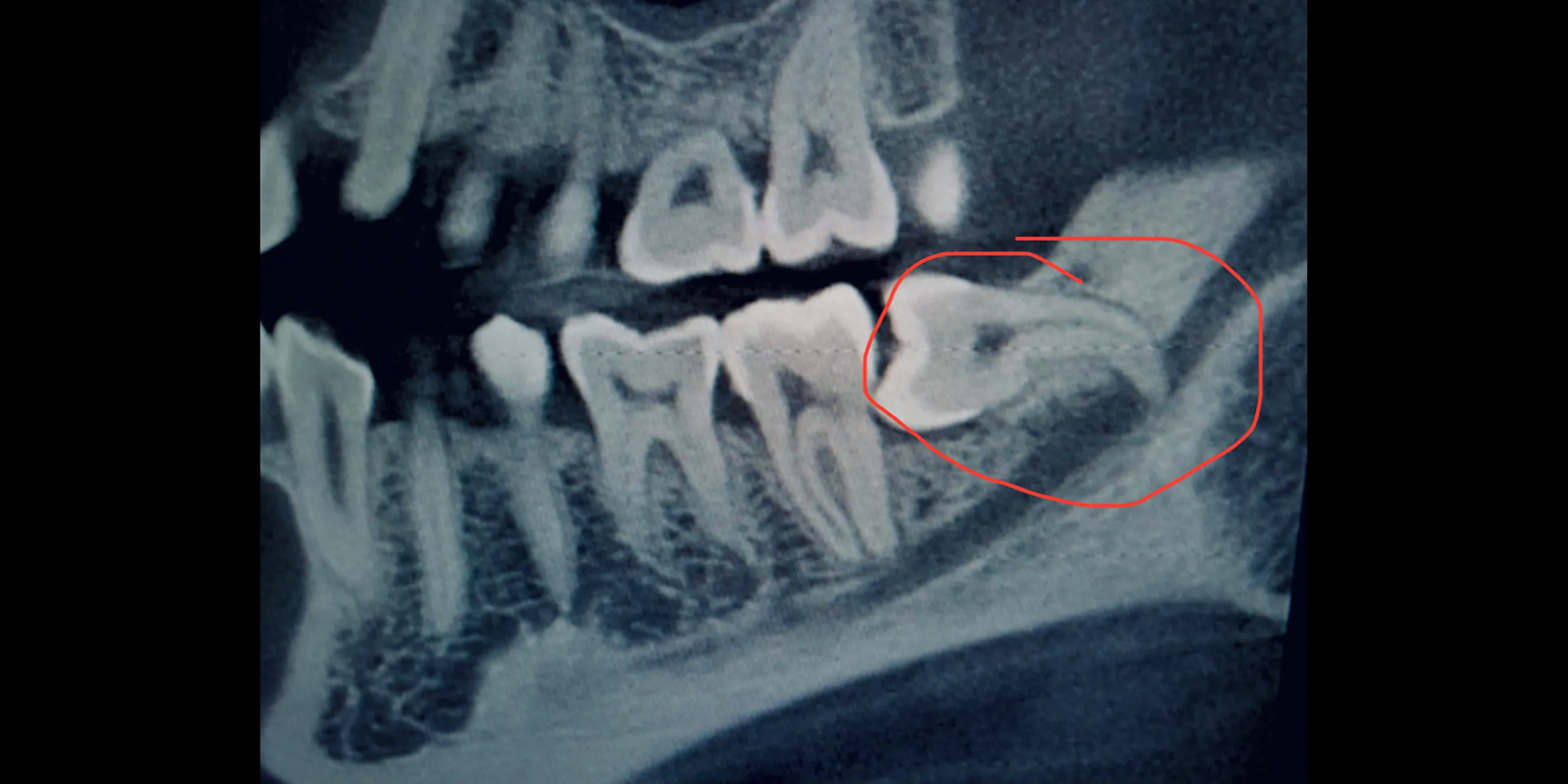
When a broken instrument is detected, the first step is diagnosis. In Thailand’s modern dental clinics, specialists rely on digital X-rays or cone-beam CT scans to pinpoint the exact location of the fragment. Locating it accurately makes the removal process safer and more predictable.
From there, the removal process may involve:
1. **Microscopic Assistance**
Endodontists (root canal specialists) in Thailand often use dental operating microscopes to magnify the canal area. This allows them to see the fragment clearly and work with precision.
2. **Ultrasonic Tools**
Ultrasonic tips are specially designed to vibrate at high speeds, gently loosening the broken piece without damaging surrounding tissue. This is a common method used in advanced Thai dental practices.
3. **Special Retrieval Systems**
Certain clinics have instrument retrieval kits, including micro-tweezers and loops that can hook or grip the fragment for removal.
4. **Bypassing the Fragment**
In some cases, if removal poses a risk to the tooth structure, the specialist may carefully work around the broken piece, cleaning and sealing the canal effectively so that the tooth remains healthy.
### Patient Comfort and Local Approach
Thailand’s dental specialists put a strong f
ocus on patient comfort. Broken instrument removal is typically performed under local anesthesia, so the patient feels little to no discomfort during treatment. Clinics also tend to have a warm and friendly atmosphere — something that Thailand is famous for — helping patients feel at ease. You may even hear the dentist or nurse offer a reassuring **“mai pen rai”** (meaning “it’s okay, don’t worry”), which is a typical Thai way to calm concerns.
Many clinics also provide detailed explanations in both Thai and English, ensuring that foreign patients and locals alike fully understand the procedure. The welcoming approach is part of what makes dental care in Thailand so appealing to medical tourists.
### Prevention and Best Practices
Of course, the best outcome is to avoid instrument breakage altogether. Thai dental specialists follow strict prevention measures:
- Using high-quality, well-maintained instruments
- Regularly replacing tools to avoid metal fatigue
- Applying minimal force and taking extra care with complex canals
- Using modern rotary systems and irrigation techniques to reduce stress on instruments
For patients, choosing a reputable clinic and experienced endodontist is the most important step. Checking reviews, credentials, and the technology available in the clinic can give peace of mind before undergoing treatment.
### Cost and Accessibility in Thailand
The cost of broken instrument removal in Thailand varies depending on complexity and location. On average, a root canal with instrument removal by a specialist may range from ฿8,000 to ฿18,000, depending on whether it’s a front tooth or molar. In busy urban centers like Bangkok, prices may be slightly higher due to the use of advanced technology.
Compared to many Western countries, the price remains competitive, which is why dental tourism continues to grow. Both locals and foreigners appreciate that high-quality care is accessible without breaking the bank.
### Recovery and Follow-Up Care
After the procedure, most patients can resume normal activities within hours. Mild tenderness in the treated area may occur for a day or two, but it’s usually manageable with over-the-counter pain relief. Dentists in Thailand often schedule a follow-up visit to check healing progress and ensure no infection remains.
Maintaining good oral hygiene after treatment — regular brushing, flossing, and professional cleaning — helps the tooth stay strong in the long run. Your dentist will likely remind you to come in for periodic check-ups, especially for teeth that have undergone complex procedures like broken instrument removal.
### Final Thoughts
Finding out that a dental instrument has broken inside your tooth can sound worrying, but in Thailand, highly trained specialists handle these situations with skill and care. From advanced imaging to precise removal techniques, they apply both science and compassion to achieve the best results. Whether you are a local resident or a dental tourist, knowing how broken instrument removal works can help you feel more confident if the need ever arises.
Thailand has earned a reputation not only for its beautiful landscapes and warm hospitality but also for its high-quality medical and dental services. In the hands of a Thai dental specialist, even a tricky situation like this can be handled smoothly — and with a smile.
 collect
Hospitals included




Products included




Suggested reads