Thailand Root Canal Long-Term Success Tips
Thailand Root Canal Long-Term Success Tips
**Thailand Root Canal Long-Term Success Tips**
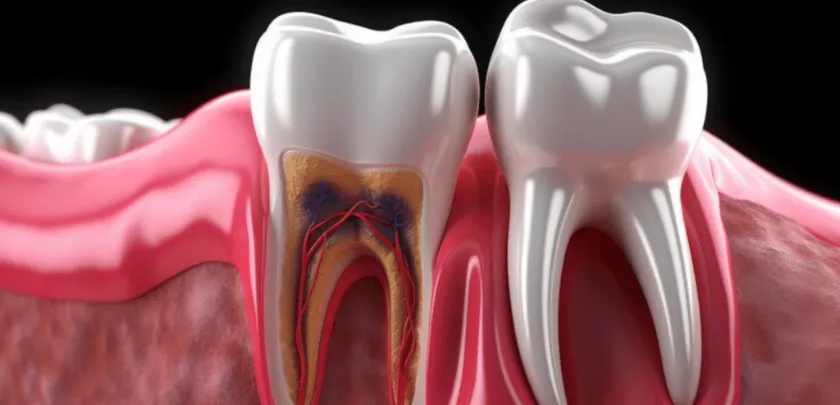
If you’re living in Thailand or planning dental treatment here, you might already know that root canal therapy is one of the most common and effective ways to save a damaged or infected tooth. With modern technology and skilled Thai dentists, the procedure has become much more comfortable than it used to be. But getting a root canal is just the first step—the real challenge is making sure your treated tooth stays healthy for many years. Here are some practical, everyday tips shared by locals and dental professionals in Thailand to help you enjoy long-term success after a root canal.
**1. Choose a reputable dental clinic from the start**
The longevity of your root canal largely depends on how well it’s performed. In Thailand, you’ll find high-quality dental clinics in Bangkok, Chiang Mai, Phuket, and even smaller cities. Look for clinics that have endodontic specialists (dentists who focus on root canals) and invest in modern equipment like digital X-rays and rotary tools. Many expats and locals rely on word-of-mouth recommendations, online reviews, and dental associations like the Thai Dental Council to select the right place. Starting with the right clinic can make a big difference to your long-term results.
**2. Follow post-treatment care instructions carefully**
After your procedure, your dentist will probably give you specific guidelines—don’t skip these. In Thailand, dentists often advise avoiding chewing hard foods on the treated tooth for a few days, and keeping the area clean with gentle brushing and regular rinsing. If antibiotics or pain medication are prescribed, complete the full course as recommended. Skipping medication or ignoring instructions can increase the risk of infection and compromise the tooth’s recovery.
**3. Get a crown for extra protection**
A root canal saves the tooth, but the tooth itself can become fragile over time. Most Thai dentists recommend placing a crown after the procedure to protect it from fractures. Dental crowns in Thailand are available in materials like porcelain, zirconia, and metal-ceramic blends, with prices varying depending on the city and clinic. While you might feel tempted to delay for budget reasons, investing in a crown as soon as possible greatly improves the long-term success of your treatment.
**4. Maintain good oral hygiene with local-friendly habits**
Brushing twice daily and flossing once a day are universal rules, but living in Thailand comes with unique challenges. Sweet iced coffee, Thai milk tea, sticky rice desserts, and tropical fruits are delicious, but they can increase sugar exposure and feed harmful bacteria. Rinse your mouth or drink plain water after enjoying these treats to reduce the risk of decay. Many Thais also carry portable toothbrush kits for use after meals, which can help maintain consistent oral hygiene throughout the day.
**5. Schedule regular check-ups**
Even if your tooth feels fine, it’s important to see the dentist at least
every six months. Dental check-ups in Thailand are affordable compared to many Western countries, and many clinics offer packages that include cleaning, polishing, and detailed examinations. Regular visits allow your dentist to catch any early signs of problems—like cracks, gum issues, or infections—before they turn serious.
**6. Watch out for unusual symptoms**
Pain, swelling, or sensitivity after a root canal can happen, but if it continues or worsens, don’t wait too long to get it checked. In Thailand, you can often walk into a clinic without an appointment for urgent dental care. Quick action can prevent complications and save you the cost and discomfort of more complex treatment.
**7. Protect your teeth from stress and grinding**
Teeth grinding (bruxism) can slowly damage a treated tooth. If you notice jaw tension or your partner hears grinding at night, ask your dentist about a night guard. In Thailand, night guards are inexpensive compared to many other countries, and can be custom-made within a few days. This simple step can protect not only your root canal tooth but your overall dental health.
**8. Maintain overall health**
Oral health is closely connected to general health. A balanced Thai diet—rich in vegetables, fresh herbs, and fish—helps reduce inflammation and supports healing. Stay hydrated, especially in Thailand’s warm climate, to keep your mouth moist and reduce bacterial growth. Managing conditions like diabetes is also important, as uncontrolled blood sugar can slow recovery and increase infection risk.
**9. Be mindful when eating street food**
Thailand is famous for its street food culture, and while it’s perfectly fine to enjoy, be careful with overly hard or crunchy items immediately after your root canal—like deep-fried pork skin, hard nuts, or certain seafood shells. Opt for softer foods like curries, soups, and steamed dishes during your recovery period. This reduces accidental stress on the treated tooth and helps you heal faster.
**10. Keep records of your treatment**
In Thailand, it’s not uncommon for expats or frequent travellers to move between cities or even countries. Keep a record of your root canal details, including X-rays and notes from your dentist. If you ever need follow-up treatment, having these records makes it much easier for another dentist to understand your history and provide the right care.
**Conclusion**
A root canal doesn’t have to be something you worry about once it’s done. By choosing the right clinic, following your dentist’s advice, protecting your tooth with a crown, and maintaining healthy habits that suit the Thai lifestyle, you can enjoy a strong, pain-free smile for years. When in doubt, remember that a quick visit to a trusted Thai dental clinic is always a smart move—because in Thailand, good dental care is both accessible and affordable.
For long-term success, it’s all about a mix of professional treatment and everyday attention. Your tooth has been saved—now it’s up to you to help it thrive.