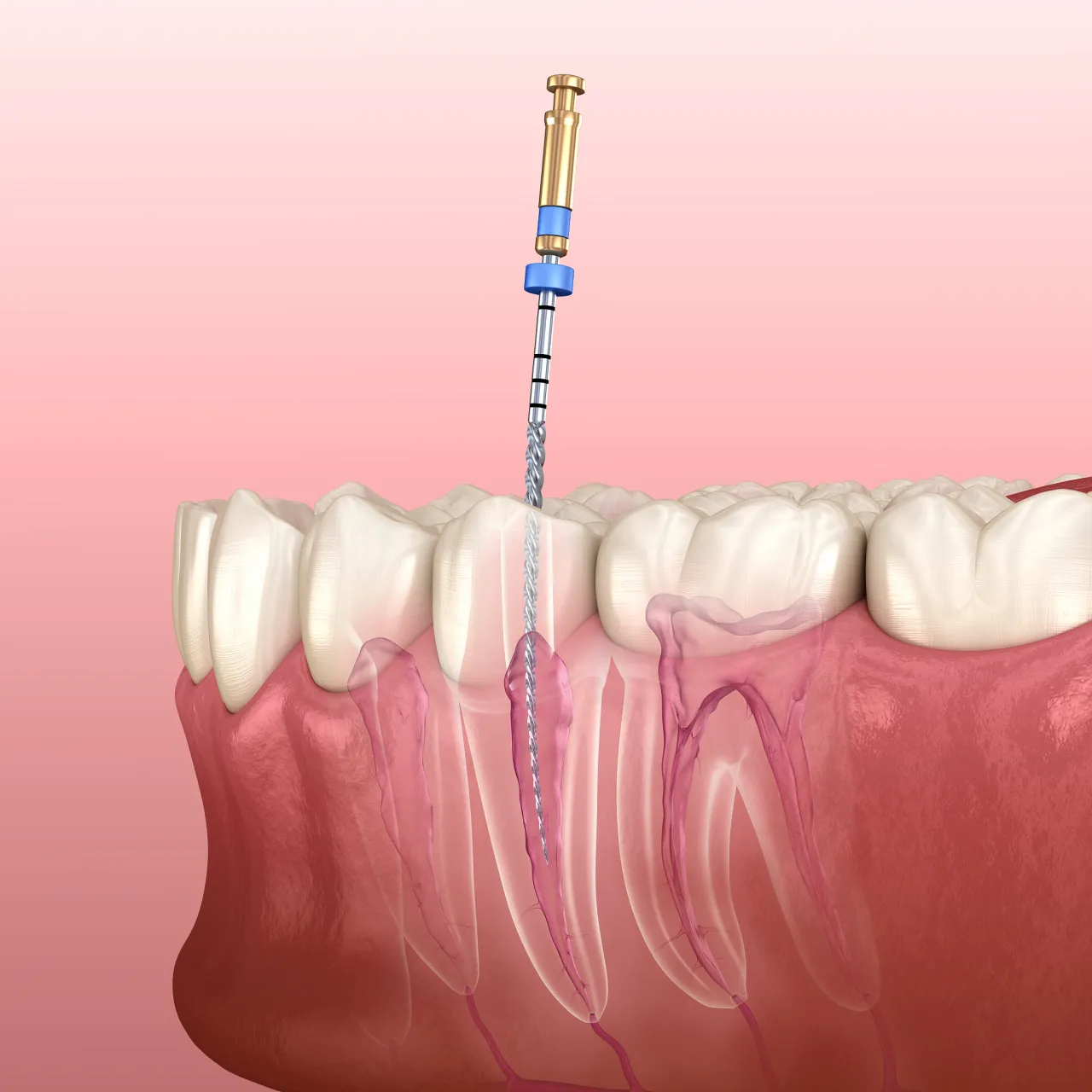
Thailand Root Canal for Elderly Patients
**Thailand Root Canal for Elderly Patients**
When it comes to dental care in the golden years, Thailand has become an increasingly popular destination. Known not just for its warm hospitality and delicious food, Thailand today is also recognised for its advanced dental services at affordable prices. Among these services, root canal treatment for elderly patients has gained attention for its quality and accessibility.
**Why Root Canal Treatment Matters for the Elderly**
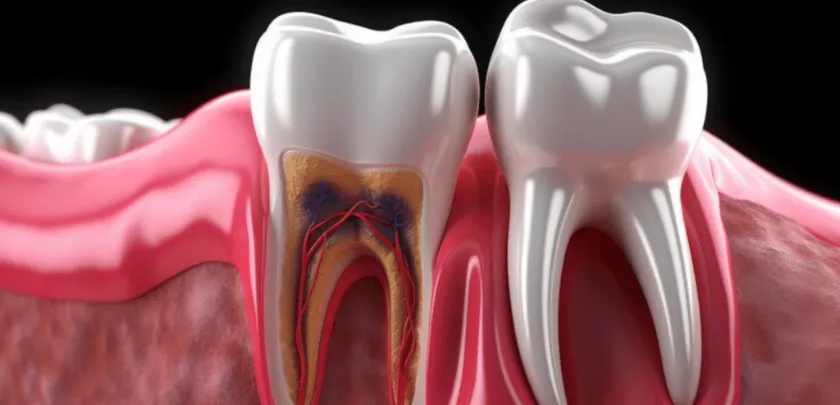
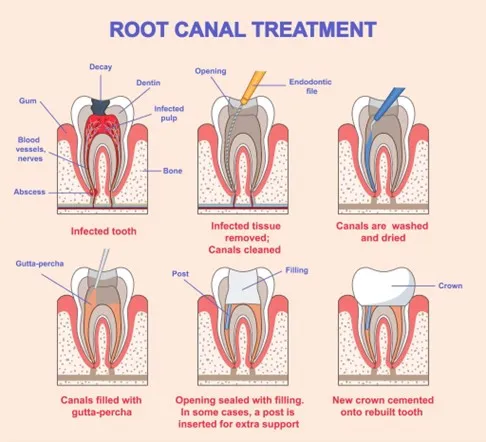
As we age, our teeth become more vulnerable to decay, fractures, and nerve infections. For elderly patients, these problems can be even more challenging due to existing medical conditions or limited mobility. A root canal might be necessary when the pulp inside the tooth becomes infected or inflamed. Without timely treatment, this infection can lead to severe pain, swelling, and even the loss of the tooth.
For seniors, keeping natural teeth for as long as possible is important for proper chewing, clear speech, and overall quality of life. Many elderly patients worry about dental procedures, but modern root canal treatment in Thailand is designed to be as comfortable and stress-free as possible.
**Dental Care in Thailand – A Combination of Skill and Kindness**
One reason elderly patients trust Thai dental clinics is the combination of professional skill and warm patient care. Thai dentists are known for their gentle approach, often taking extra time to explain procedures in simple terms. This cultural emphasis on kindness and patience makes a big difference, especially for seniors who may feel anxious about treatment.
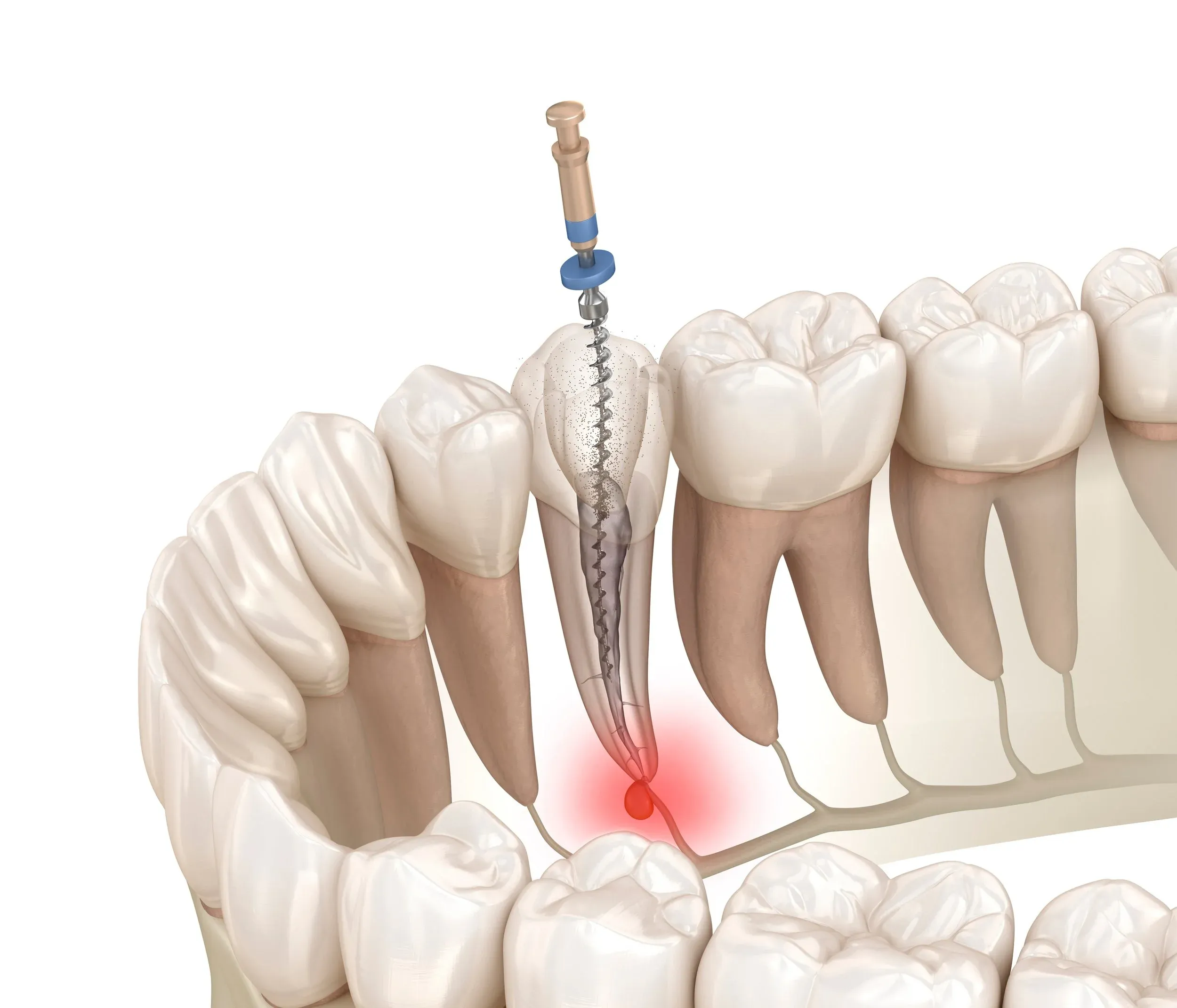
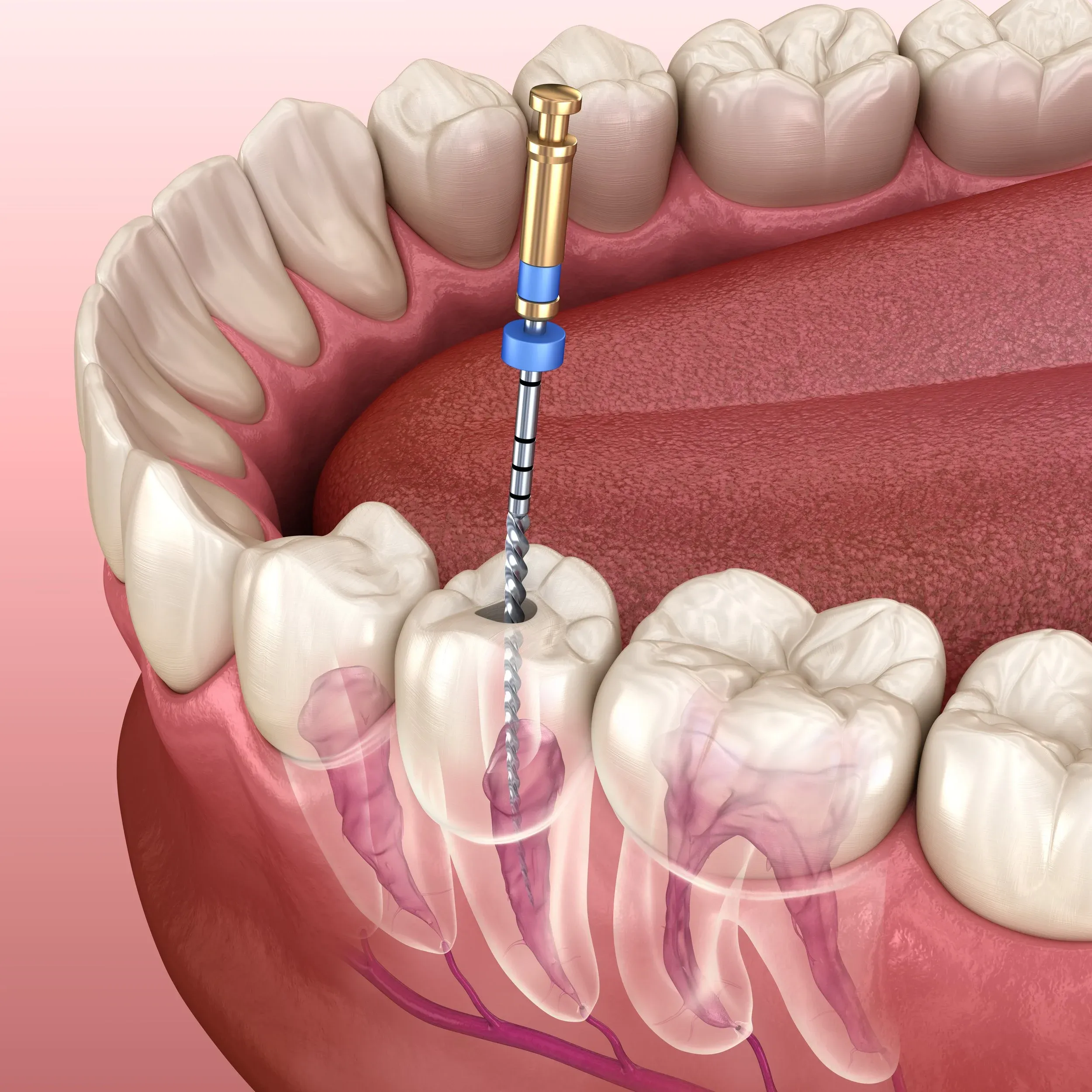
Many clinics in Thailand use state-of-the-art equipment, including digital X-rays and rotary instruments, which make the root canal process faster and more precise. This is especially beneficial for elderly patients, reducing the time spent in the dental chair and minimising discomfort.
**Affordability Without Compromising Quality**
Cost is often a major concern for elderly patients, especially for those on fixed incomes. In countries like Thailand, dental services tend to be significantly more affordable than in Western nations, while maintaining international standards of hygiene and care. This balance between affordability and quality is one reason why many retirees either living in Thailand or visiting for dental tourism opt for treatments here.
For example, a root canal procedure in Thailand typically costs less than half of what it might in the United States or Australia. Still, the materials used—such as dental fillings, crowns, and sterilisation systems—are often imported from Europe, Japan, or the USA, ensuring high durability and safety.
**Special Considerations for Elderly Patients**
Dentists in Thailand often adapt root canal treatments to suit the needs of elderly patients. This might involve shorter appointments, the use of local anaesthesia tailored for seniors, or extra care when handling fragile teeth. Medical history is taken seriously, and clinics will ask about conditions like
diabetes, hypertension, or heart disease before starting any treatment.
Some elderly patients worry about recovery time and pain management. In Thailand, aftercare instructions are usually provided in clear, friendly language. Dentists may also recommend soft Thai foods, such as boiled rice or congee, to make eating easier after the procedure.
**The Role of Dental Tourism**
Thailand’s dental tourism industry has grown rapidly, attracting patients from around the world. For elderly travellers, this often means combining dental care with a relaxing holiday. Cities like Bangkok, Chiang Mai, and Phuket are home to internationally accredited dental centres, some of which specialise in treating older patients.
Dental tourism packages can include airport transfers, hotel stays, and even wellness activities, making the experience smoother and less stressful. Elderly patients who choose this route often find the slower pace and friendly Thai hospitality helpful for recovery after a root canal.
**Choosing the Right Clinic in Thailand**
The key to successful treatment lies in selecting the right dental clinic. When searching for a clinic, elderly patients should look for:
- **Experience with older patients:** Dentists who understand age-related dental issues can provide better outcomes.
- **International accreditation or certifications:** These assure high standards of safety and hygiene.
- **Clear communication:** The ability to explain procedures in English or other languages common among expats helps build confidence.
- **Transparent pricing:** Seniors appreciate knowing the full cost before treatment, with no surprise fees.
Online reviews, recommendations from expat communities, and consultation calls can help in making an informed choice.
**Maintaining Oral Health After a Root Canal**
After completing a root canal, elderly patients should continue to focus on oral hygiene to avoid further complications. In Thailand, dentists often suggest:
- Gentle brushing twice a day with a soft-bristled toothbrush
- Rinsing with an antibacterial mouthwash
- Regular dental check-ups every 6–12 months
- Avoiding very hard or sticky foods that can damage restored teeth
Many clinics also provide follow-up reminders or loyalty programs, encouraging seniors to keep up with preventive care.
**Embracing a Comfortable Dental Experience**
For elderly patients, dental treatment can be a source of stress, but in Thailand, the mix of professional care, modern technology, and genuine compassion can make all the difference. Root canal therapy here is not just about saving a tooth—it’s about preserving comfort, confidence, and the ability to enjoy life’s simple pleasures.
Whether a local resident or a retiree travelling for treatment, elderly patients in Thailand can expect a friendly smile, a careful touch, and a focus on wellbeing. With the right clinic and clear communication, a root canal can be a straightforward step towards better dental health and a happier, more confident smile.
---
 collect
Hospitals included




Products included


Suggested reads