Thailand Root Canal for Tooth Sensitivity
**Thailand Root Canal for Tooth Sensitivity**
If you’ve ever winced while sipping iced coffee in Bangkok or felt a sharp pain eating spicy tom yum soup in Chiang Mai, you know how tooth sensitivity can turn everyday pleasures into uncomfortable experiences. Many people in Thailand live with sensitive teeth for years, thinking it’s just a minor inconvenience. But in some cases, tooth sensitivity can be a sign of something more serious—such as damage deep inside the tooth that requires a root canal.
Root canal treatment in Thailand is a well-established dental service, offered by both local clinics and premium international dental centres. Whether you live here or are visiting for dental tourism, understanding when and why a root canal might be the solution for tooth sensitivity can help you make the right decision for your oral health.
---
### What Causes Tooth Sensitivity in Thailand?
Tooth sensitivity happens when the protective enamel layer becomes thin or the gum recedes, exposing the dentin underneath. In Thailand’s tropical climate, many people enjoy cold drinks, sweet desserts, and acidic foods, which can gradually wear down enamel. Other common causes include:
- **Cavities (tooth decay):** Untreated decay can reach the inner pulp of the tooth.
- **Cracked or fractured teeth:** Chewing on hard snacks like crispy pork or sticky rice can sometimes cause tiny cracks.
- **Worn fillings:** Old fillings may leak and expose the sensitive inner layers.
- **Gum disease:** Common in adults, gum recession can leave roots exposed.
Sometimes, sensitivity is temporary and can be managed with special toothpaste or lifestyle changes. But if the discomfort is persistent and worsening, it could mean the nerve inside the tooth is inflamed or infected—this is when a root canal may be necessary.
---
### When Tooth Sensitivity Leads to a Root Canal
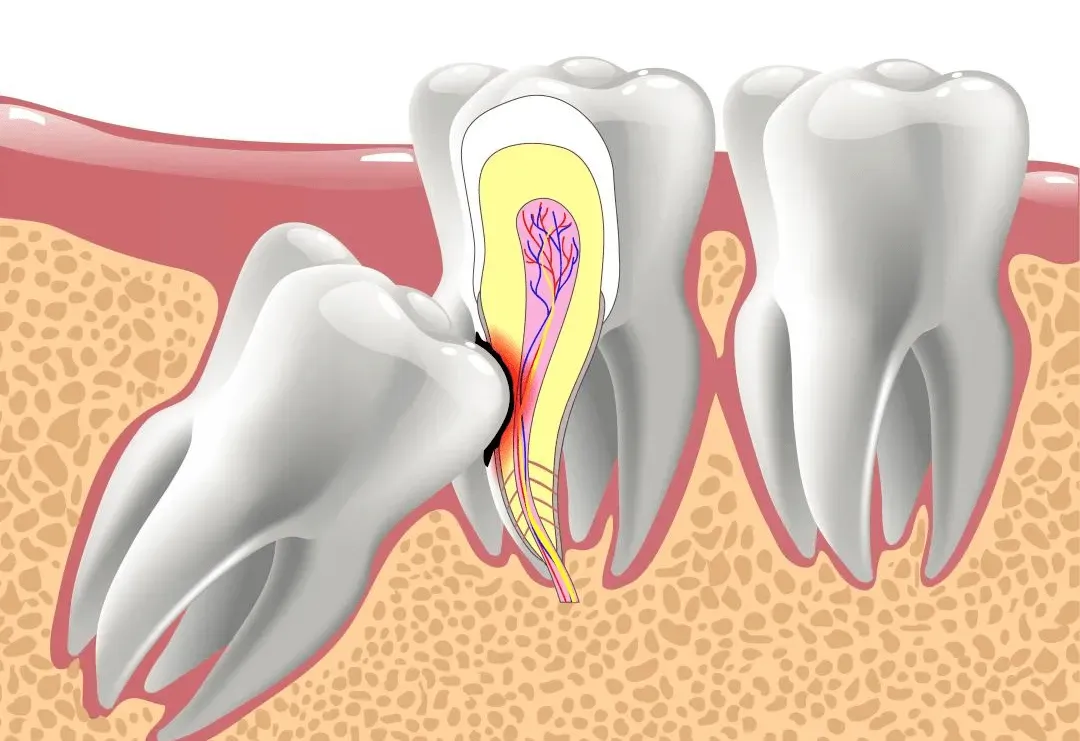
Many patients in Thailand visit a dentist only when the pain becomes unbearable. However, if tooth sensitivity is combined with swelling, deep decay, or prolonged discomfort when eating hot and cold foods, it could be a sign that the pulp (the soft tissue inside the tooth) is damaged.
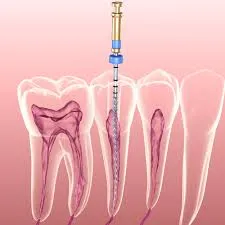
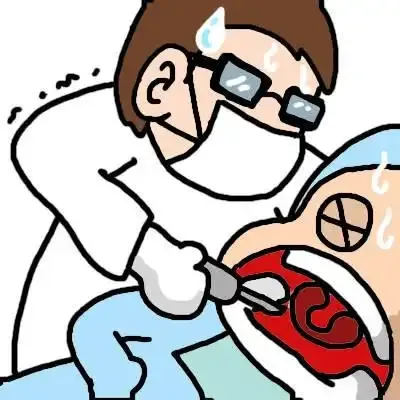
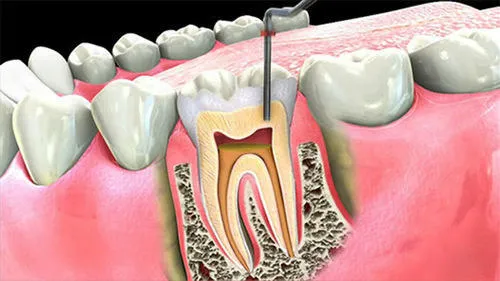
A root canal removes this infected or inflamed pulp, cleans the inside of the tooth, and seals it to prevent further problems. It isn’t a treatment for every case of sensitivity—sometimes a filling or desensitizing treatment is enough. But if the nerve is involved, a root canal can save the tooth and stop the pain for good.
---
### The Root Canal Process in Thailand
Dental clinics in Thailand follow international standards when performing root canals. Whether you go to a small local practice or a large Bangkok dental hospital, the steps are similar:
1. **Diagnosis and X-rays:** The dentist will examine your tooth and take an X-ray to see the extent of the damage.
2. **Local anaesthesia:** You’ll be given a numbing injection so you don’t feel pain during the procedure.
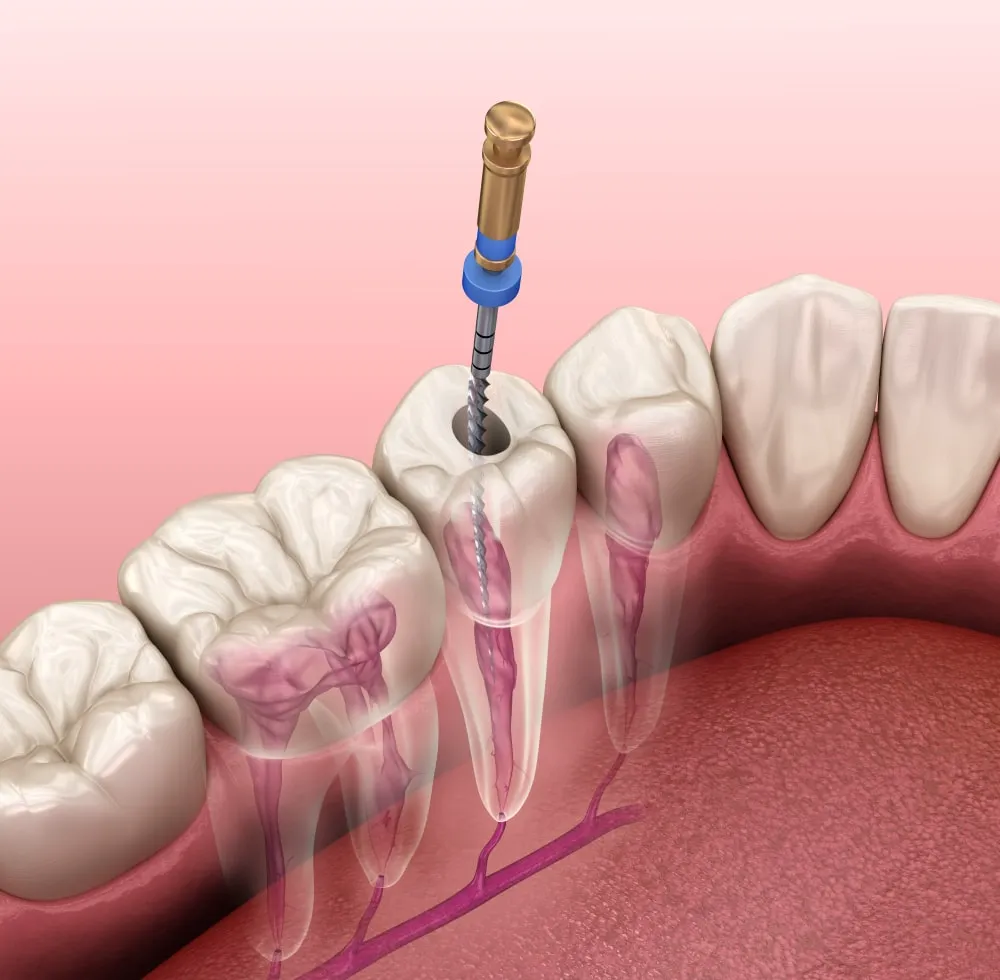
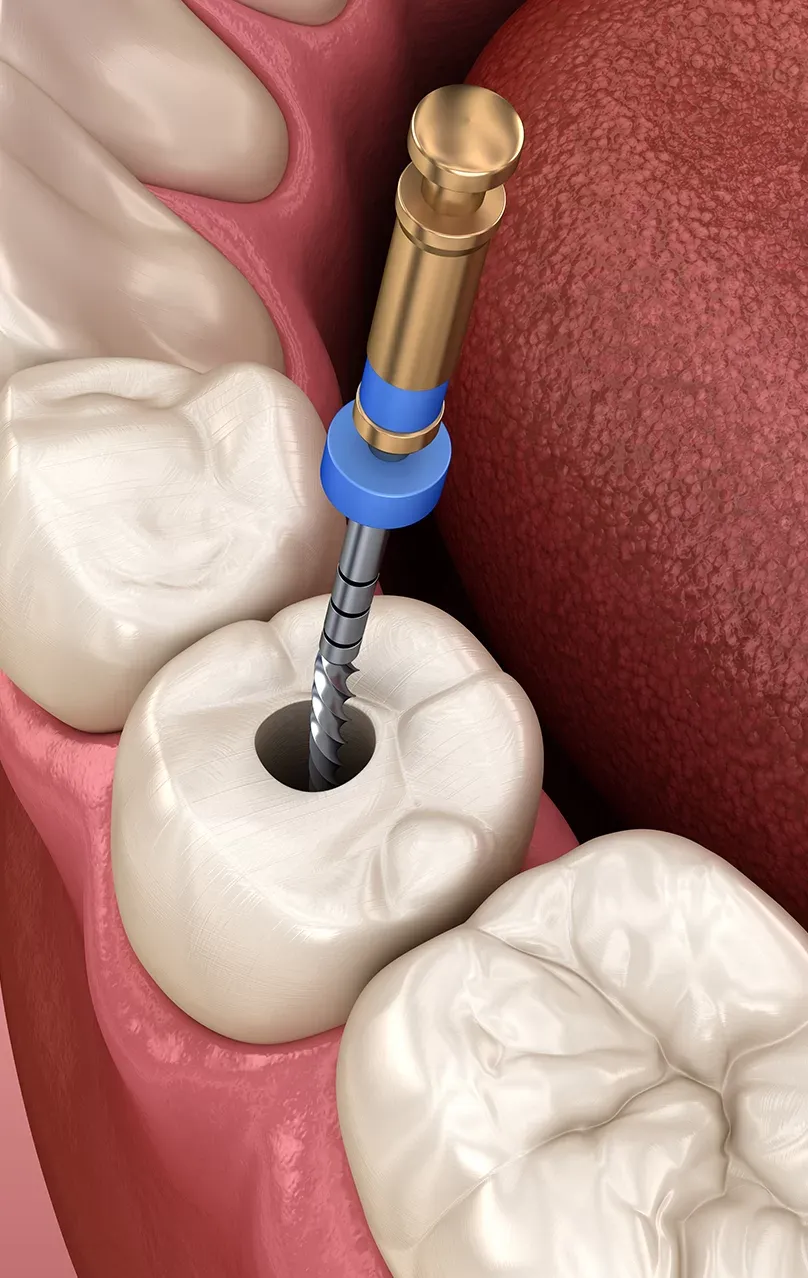
3. **Pulp removal:** The dentist will make a small opening and remove the damaged pulp.
4. **Cleaning and shaping:** Using fine instruments, the inside of the tooth is cleaned and shaped for filling.
5. **Filling and sealing:** A special material is placed to fill the canal, then a temporary or permanent filling closes the tooth.
6. **Final restoration:** Often, a crown is placed to protect the tooth and restore its function.
In Thailand, dentists often explain the process

clearly to patients, using simple and friendly language. It’s normal to hear them say things like *“Don’t worry, you will feel nothing except a bit of pressure”* or *“We will finish in one or two visits.”*
---
### Cost of Root Canal in Thailand
Compared to Western countries, root canal treatment in Thailand is relatively affordable, which is one reason dental tourism is so popular. Prices can vary depending on:
- Type of tooth (front teeth are usually cheaper than molars)
- Location of the clinic (Bangkok and Phuket tend to be more expensive than smaller towns)
- Whether you need a crown afterwards
On average, a root canal in Thailand can range from **4,000 to 12,000 THB**, while a crown may add **8,000 to 15,000 THB** depending on materials. Many clinics offer package deals for foreigners, including airport transfers and hotel bookings.
---
### Benefits of Getting a Root Canal in Thailand
- **Highly trained dentists:** Many Thai dentists have studied abroad or attend advanced training courses regularly.
- **Modern technology:** Clinics use digital X-rays, rotary instruments, and high-quality filling materials.
- **Comfortable environment:** Dental offices often have calming décor and friendly staff, helping you feel relaxed.
- **Value for money:** Even private clinics with English-speaking staff are affordable compared to overseas.
For expats or tourists, combining your dental treatment with travel means you can take advantage of Thailand’s cultural charms—recover in a beach resort in Krabi or enjoy gentle sightseeing in Chiang Mai after your procedure.
---
### Recovery and Aftercare
After a root canal, Thai dentists usually advise avoiding hard chewing on the treated tooth until the final crown is placed. Mild tenderness is normal and can be managed with over-the-counter pain relief. In Thailand’s hot weather, you should drink plenty of water and avoid very cold or very sweet drinks in the first week, as teeth may still be sensitive.
Regular check-ups are important. Many clinics will schedule a follow-up visit to make sure the tooth is healing well. If you live outside Thailand, consider booking this appointment before you leave.
---
### Preventing Tooth Sensitivity
If you want to avoid needing a root canal in the future, adopt good dental habits such as:
- Brushing twice daily with fluoride toothpaste
- Using a soft-bristled toothbrush to protect enamel and gums
- Flossing to remove food particles between teeth
- Limiting very acidic or sugary foods and drinks
- Visiting a dentist every six months for cleaning and check-ups
In Thailand, it’s common to enjoy sweet iced tea, tropical fruits like pineapple and mango, and spicy dishes—but balancing these with proper care is key to keeping teeth healthy.
---
### Final Thoughts
Living in or visiting Thailand shouldn’t mean putting up with tooth sensitivity. If your discomfort is persistent, see a dentist as soon as possible. A root canal might sound intimidating, but in the hands of skilled Thai dental professionals, it’s a straightforward and highly effective way to save your tooth and restore comfort.
Your smile is part of enjoying Thailand’s vibrant lifestyle, from laughing with friends over street food to posing for holiday photos in beautiful temples. Taking care of your dental health ensures you can enjoy every moment—without that sharp twinge reminding you something’s wrong.
 collect
Hospitals included



Products included
Suggested reads