Root Canal Aftercare Tips from Thai Dentists
Root Canal Aftercare Tips from Thai Dentists
**Root Canal Aftercare Tips from Thai Dentists**
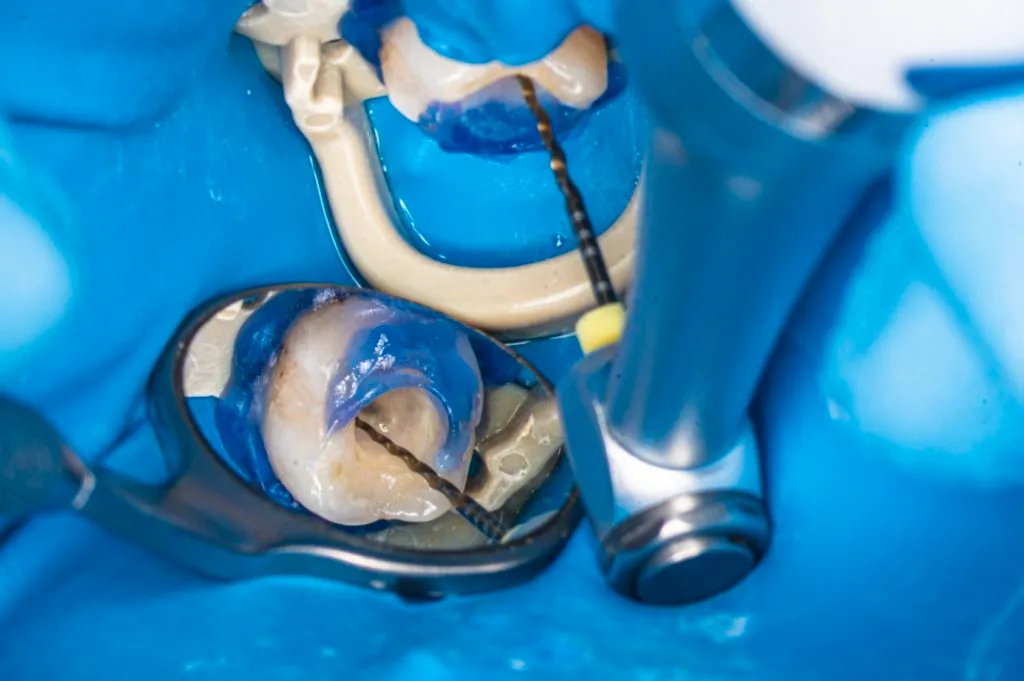
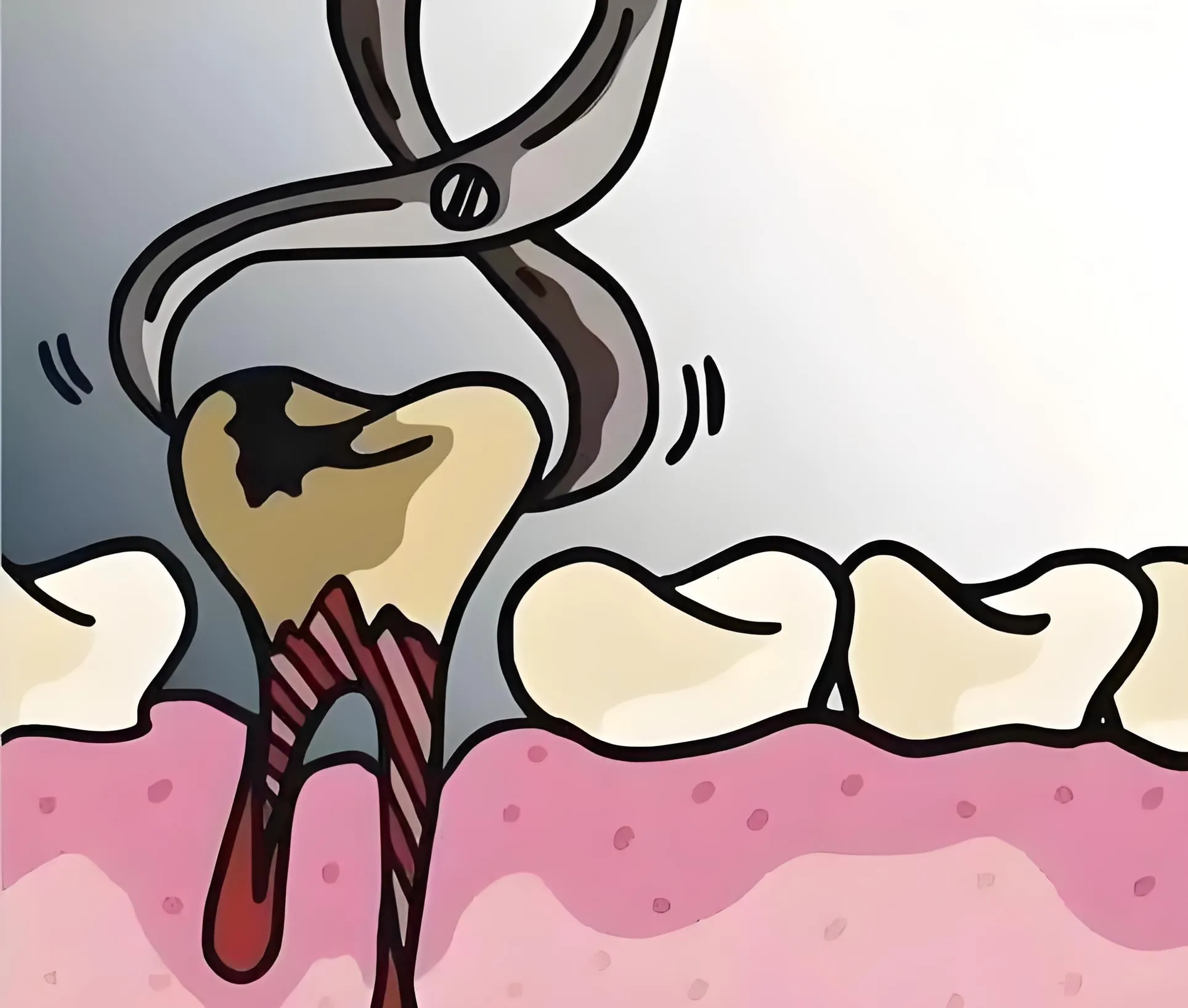
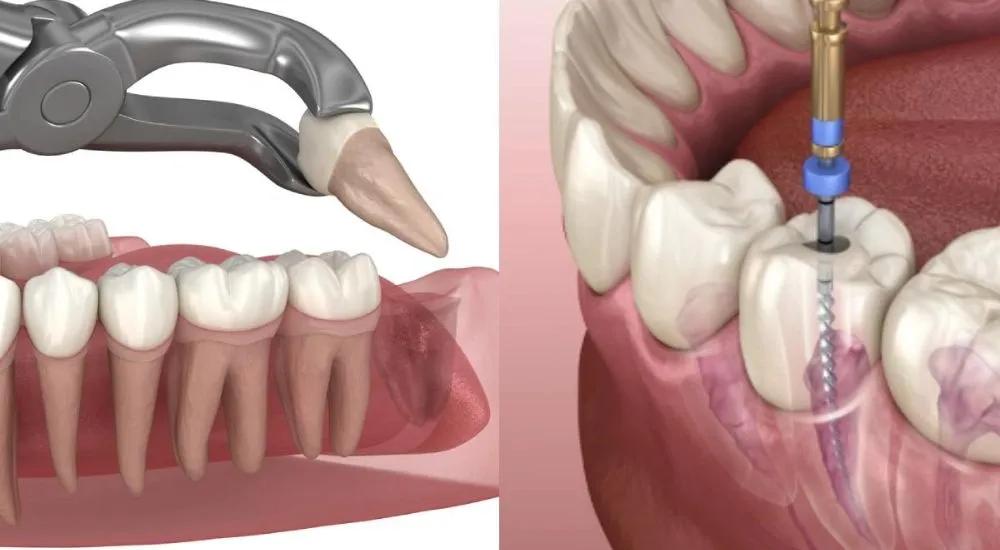
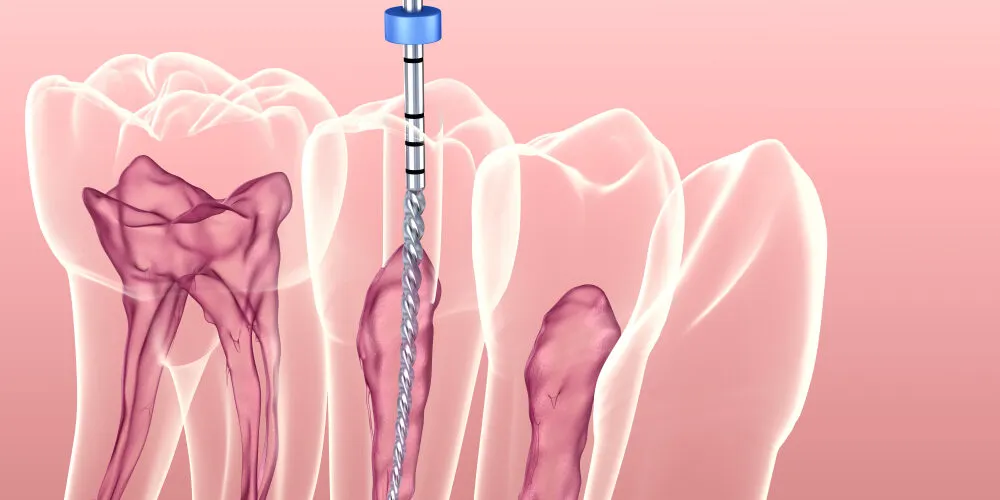
For many people in Thailand, hearing the words “root canal” can sound a little intimidating. But local dentists often point out that this common treatment is nothing to fear if you understand the process and how to care for your tooth afterward. Whether you’ve had your procedure done in bustling Bangkok or a relaxed Chiang Mai clinic, the days after treatment are crucial for healing and long‑term success. Here are some practical root canal aftercare tips, based on advice from Thai dental professionals, to help you recover smoothly and keep your smile healthy.
---
### **1. Follow Your Dentist’s Instructions Carefully**
Thai dentists stress that your dentist’s post‑treatment guidelines are the first and most important step. Each clinic may have slightly different advice depending on your tooth’s condition, so it’s best to stick with the instructions you’ve been given. Often, you’ll be told to avoid chewing directly on the treated tooth until a crown or permanent filling is placed. This protects it from damage while the surrounding tissue heals.
---
### **2. Manage Pain and Sensitivity the Right Way**
It’s common to feel a bit sore for a few days after a root canal, especially when biting down. Most Thai dentists recommend over‑the‑counter pain relief such as paracetamol or ibuprofen, taken as directed. If your dentist prescribes medication, follow the dosage carefully. Applying a cold compress to your cheek for short intervals can also help reduce discomfort and swelling. Many patients in Thailand find sipping room‑temperature water soothing, avoiding extremes of hot or iced drinks during the healing period.
---
### **3. Watch What You Eat for a Few Days**
After a root canal, Thai dentists often advise choosing soft foods that require minimal chewing. Popular local options include boiled rice soup (khao tom), soft fruits like ripe banana, and steamed vegetables. Avoid sticky, crunchy, or very spicy foods that could irritate the area or damage temporary fillings. Once your tooth feels stronger and your dentist approves, you can gradually return to your normal diet.
---
### **4. Keep Up Good Oral Hygiene – But Be Gentle**
Oral cleanliness is extremely important after a root canal, but it’s wise to be gentle around the treated tooth. Brush twice daily with a soft‑bristled toothbrush and use gentle strokes. Many Thai dentists recommend using fluoride toothpaste to strengthen enamel. Flossing is still vital, though take care not to snap the floss aggressively in areas that feel sensitive. You can rinse with a non‑alcoholic mouthwash or warm saline solution to keep the mouth fresh and lower the risk of infection.
---
### **5. Avoid Heavy Chewing on the Treated Side**
Until the final crown or filling is placed, the treated tooth is more prone to breakage. If you bite into something hard like sugarcane or r
oasted nuts, it can crack. Thai dentists often remind patients that even temporary fillings need to be protected. Try chewing more on the opposite side until your tooth is fully restored, especially if you enjoy local crunchy snacks or sticky desserts like khanom cheep.
---
### **6. Attend Follow‑Up Appointments without Delay**
One common mistake patients make is skipping the final treatment step. In Thailand, completing all scheduled visits is essential to protect your tooth from re‑infection. Your dentist will check that the root canal has healed properly and place a permanent crown or filling for strength. This follow‑up also gives your dentist a chance to spot early signs of any problem before it becomes serious.
---
### **7. Stay Alert for Warning Signs**
Sometimes, despite good care, you might experience complications. Thai dentists advise contacting your clinic immediately if you notice intense swelling, severe pain that doesn’t improve, or unusual discharge from around the tooth. A slight tenderness is normal, but sharp, worsening pain can be a sign of reinfection or fracture. Getting help early often makes treatment faster and less costly.
---
### **8. Maintain Your Regular Dental Routine**
A root canal is a rescue treatment for a tooth that has been badly damaged, but it doesn’t mean your job is done. To avoid future problems, keep up with your six‑monthly check‑ups and professional cleanings — a practice most Thai dental clinics encourage. Preventive care is a lot easier and more comfortable than undergoing another root canal later.
---
### **Why Thai Dentists Focus on Patient Comfort**
One thing many people notice when visiting a dental clinic in Thailand is the combination of professional care and a friendly approach. Thai dentists often take time to explain each step, offer reassurance, and adapt advice to suit local lifestyles and diets. By understanding the cultural habits of Thai patients — such as enjoying spicy food, chewing betel nut, or sipping iced drinks — they can tailor aftercare tips that feel practical and achievable.
---
### **Key Takeaway**
Root canal treatment can save a damaged tooth and restore your ability to chew and speak comfortably. By following your Thai dentist’s aftercare advice, managing discomfort sensibly, avoiding risky foods, and keeping up with your appointments, you greatly increase the chances of long‑term success. Remember, the goal isn’t just to fix one tooth — it’s to keep your whole mouth healthy for years to come.
If you ever feel uncertain during recovery, reach out to your dentist directly. In Thailand, professional dental help is widely available, and most clinics are happy to offer guidance in both Thai and English. With the right care and a little patience, your treated tooth can function just like the rest, letting you enjoy your favorite Thai foods and maintain confidence in your smile.