Thailand Root Canal for Infected Molars
Thailand Root Canal for Infected Molars
**Thailand Root Canal for Infected Molars**
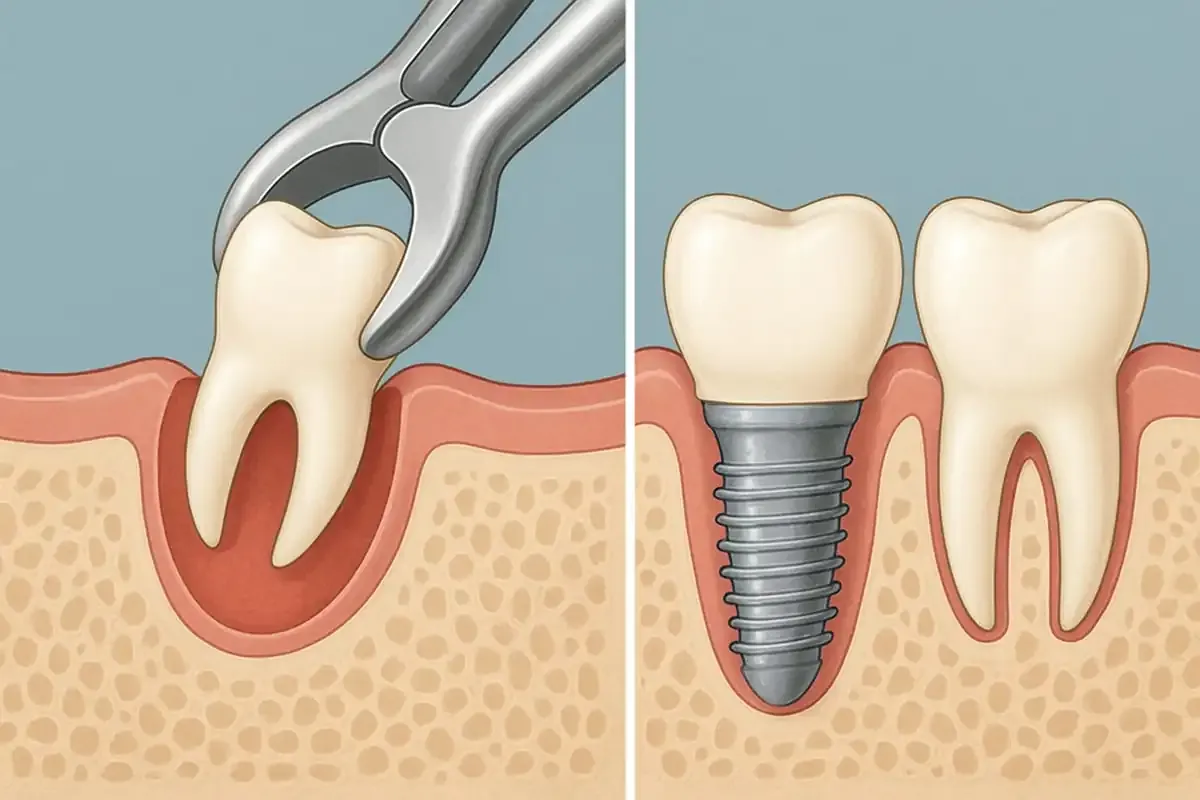
When a molar becomes badly infected, the pain can feel almost unbearable. Many people in Thailand know this situation well — a dull ache turning sharp when you bite down, or a lingering throbbing that keeps you awake at night. In cases like this, one of the most effective treatments is a root canal. Understanding what a root canal involves, why it’s often necessary, and how it’s done in Thailand can make the whole experience a lot less stressful.
---
### Understanding Root Canal Treatment
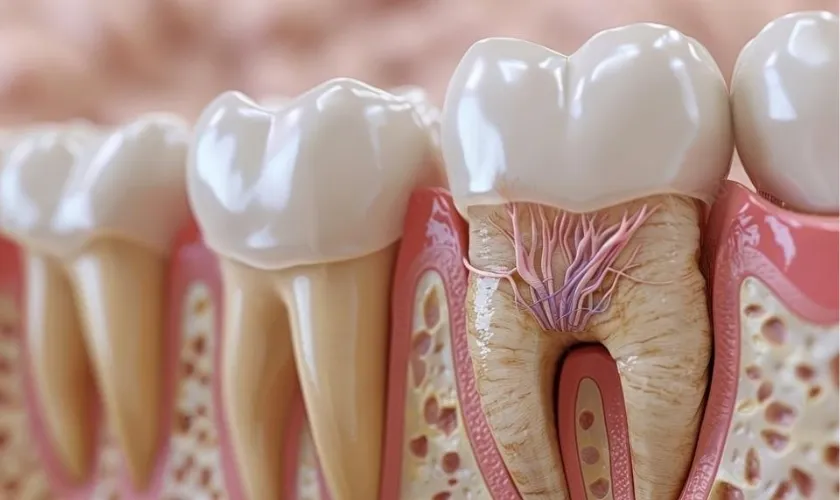
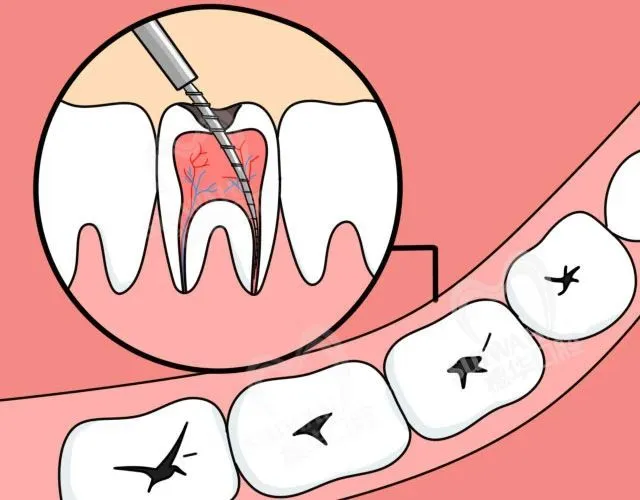
A root canal is a dental procedure used to treat infection inside a tooth. The molars — those large teeth at the back of the mouth — have multiple roots, and when infection reaches the center of the tooth (called the pulp), it can spread quickly. This is not just about pain; if left untreated, an infected molar can cause swelling, abscess formation, and even affect other areas of your health.
In Thailand, dentists performing root canals follow international standards while also making sure patients feel comfortable during the process. The main goal is to save your natural tooth rather than remove it.
---
### Common Causes of Infected Molars
For many patients here, the root cause (pun intended) is untreated tooth decay or a cracked tooth. Sometimes dental accidents, like biting down on a very hard piece of food, can damage the tooth and allow bacteria to enter. Other times, gum disease can play a role, letting infection spread deeper.
A common phrase you hear at clinics around Bangkok or Chiang Mai is *“don’t wait until it’s swollen”*. That’s good advice — acting early can save you time, money, and discomfort.
---
### Signs You Might Need a Root Canal
If you notice these symptoms, it’s worth making an appointment at your local dental clinic in Thailand:
- Persistent toothache, especially when biting or chewing
- Sensitivity to hot or cold lasting more than a few seconds
- Swelling around the jaw or cheek
- Darkening of the tooth’s surface
- Tenderness in the gums near the affected tooth
Even if the pain fades after a while, the infection may still be present. Some patients think the problem “went away,” but in truth, the nerve inside the tooth might have died, and the bacteria can still spread silently.
---
### How Root Canal Treatment Works in Thailand
When you arrive at the clinic, the dentist will first perform an examination and may take an X-ray to see the shape of your roots and the extent of the infection.
The process generally follows these steps:
1. **Local anaesthesia** – In Thailand, dentists are known for being gentle with anaesthesia. They make sure you’re comfortable so you won’t feel pain during the procedure.
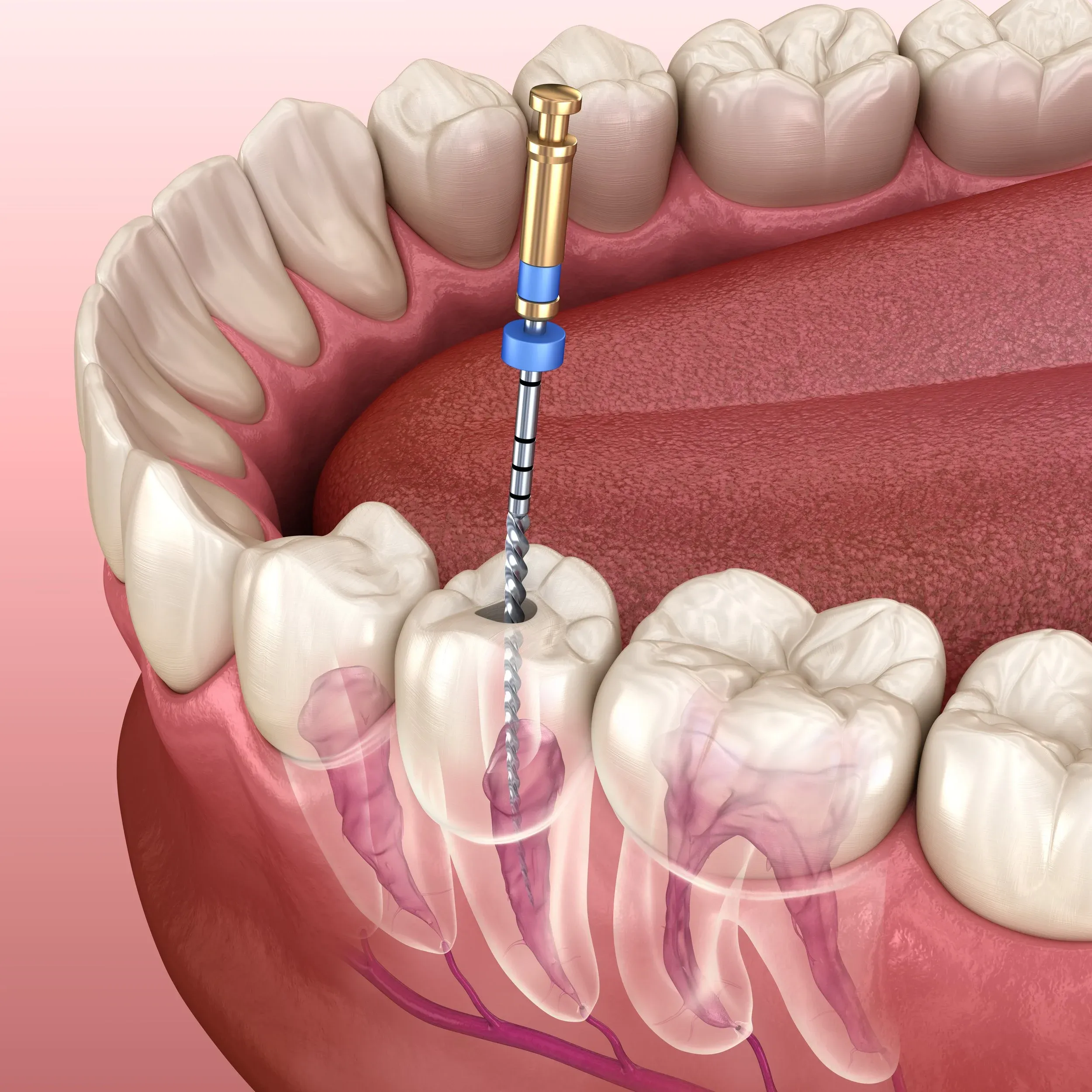
2. **Access opening** – A small opening is made in the top of the molar to reach the pulp.
3. **Cleaning and
shaping** – The infected pulp tissue is removed. Special instruments clean the inside of the canals and shape them for filling.
4. **Disinfection** – The dentist will use antimicrobial solutions to kill any remaining bacteria.
5. **Filling the root canals** – The cleaned spaces are filled with a safe, biocompatible material to seal them.
6. **Temporary or permanent filling** – Depending on your case, you might get a temporary filling first, followed by a permanent crown later to strengthen the tooth.
---
### Why Choose Thailand for Root Canal Treatment
Thailand has built a strong reputation for dental tourism. Many clinics, especially in Bangkok, Phuket, and Chiang Mai, are equipped with modern technology and staffed by dentists trained both locally and abroad. The cost of root canal treatment here is often more affordable than in Europe or North America, while still maintaining high-quality standards.
Moreover, Thai hospitality plays a big role. Dentists and dental assistants often take time to explain every step clearly, using terms that patients can easily understand. It’s common to hear friendly reassurances like *“mai tong gluad, jing-jing”* (don’t worry, really) before the treatment starts.
---
### Recovery and Aftercare
After the root canal, some mild soreness is normal for a few days. Dentists usually advise:
- Avoid chewing on the treated tooth until it has a permanent crown.
- Maintain good oral hygiene — brush and floss regularly.
- Follow any medication advice, such as antibiotics or pain relievers.
- Return for follow-up visits to ensure healing is on track.
In Thailand, follow-ups are straightforward. Many clinics offer appointment reminders via LINE or phone, making it convenient even for busy schedules.
---
### Preventing Future Infections
Root canals save teeth, but prevention is always better. Here are some tips that work well for those living in Thailand:
- Limit sugary drinks — iced coffee and milk tea are popular here but can contribute to decay.
- Rinse with water after enjoying street food, especially sweet snacks.
- Schedule dental check-ups twice a year, even if you feel fine.
- Wear a mouthguard if you play contact sports or grind your teeth at night.
---
### Final Thoughts
Needing a root canal can feel intimidating, especially if it’s your first time. But in Thailand, you can expect modern equipment, skilled dentists, and a caring approach to treatment. By addressing an infected molar early, you avoid more serious problems and keep your natural tooth intact for years to come.
If you have symptoms that match what we’ve discussed, don’t postpone getting help. Whether you live in Bangkok or are visiting Chiang Mai, there’s a good chance a quality dental clinic is just around the corner — ready to bring you relief and restore your smile.