Thailand Root Canal After Failed Filling

Thailand Root Canal After Failed Filling
**Thailand Root Canal After Failed Filling**
Dental care in Thailand is well-known for being affordable, professional, and accessible, especially for both locals and expats living in the Land of Smiles. Yet, even with the best preventive care, dental problems can develop over time. One common situation many people face is dealing with a tooth that has been filled but later begins to hurt again. When a filling fails, sometimes the next step recommended by a Thai dentist is a root canal treatment. Understanding why this happens and what to expect in Thailand can help you feel more confident about the process.
### Why a Filling Can Fail
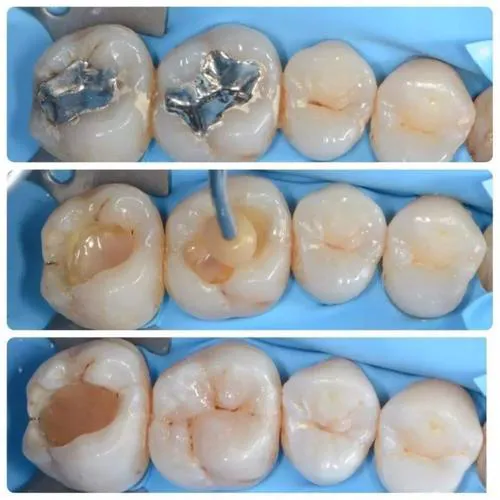
A filling is designed to repair a tooth that has been damaged by decay or minor fracture. In Thailand, dental clinics commonly use materials like composite resin or amalgam for fillings, depending on the patient’s needs. However, a filling can fail for several reasons:
- **Decay under the filling:** If bacteria manage to seep under the filling, decay may continue unnoticed until it reaches the inner pulp of the tooth.
- **Wear and tear:** Chewing, grinding teeth at night, or biting on hard foods like crispy fried chicken or sticky rice can cause fillings to crack or wear down.
- **Poor fit or bonding issues:** At times, especially if the filling was done years ago, the seal may no longer be tight.
- **Trauma to the tooth:** Accidents, sports injuries, or biting on bones can cause damage even to a filled tooth.
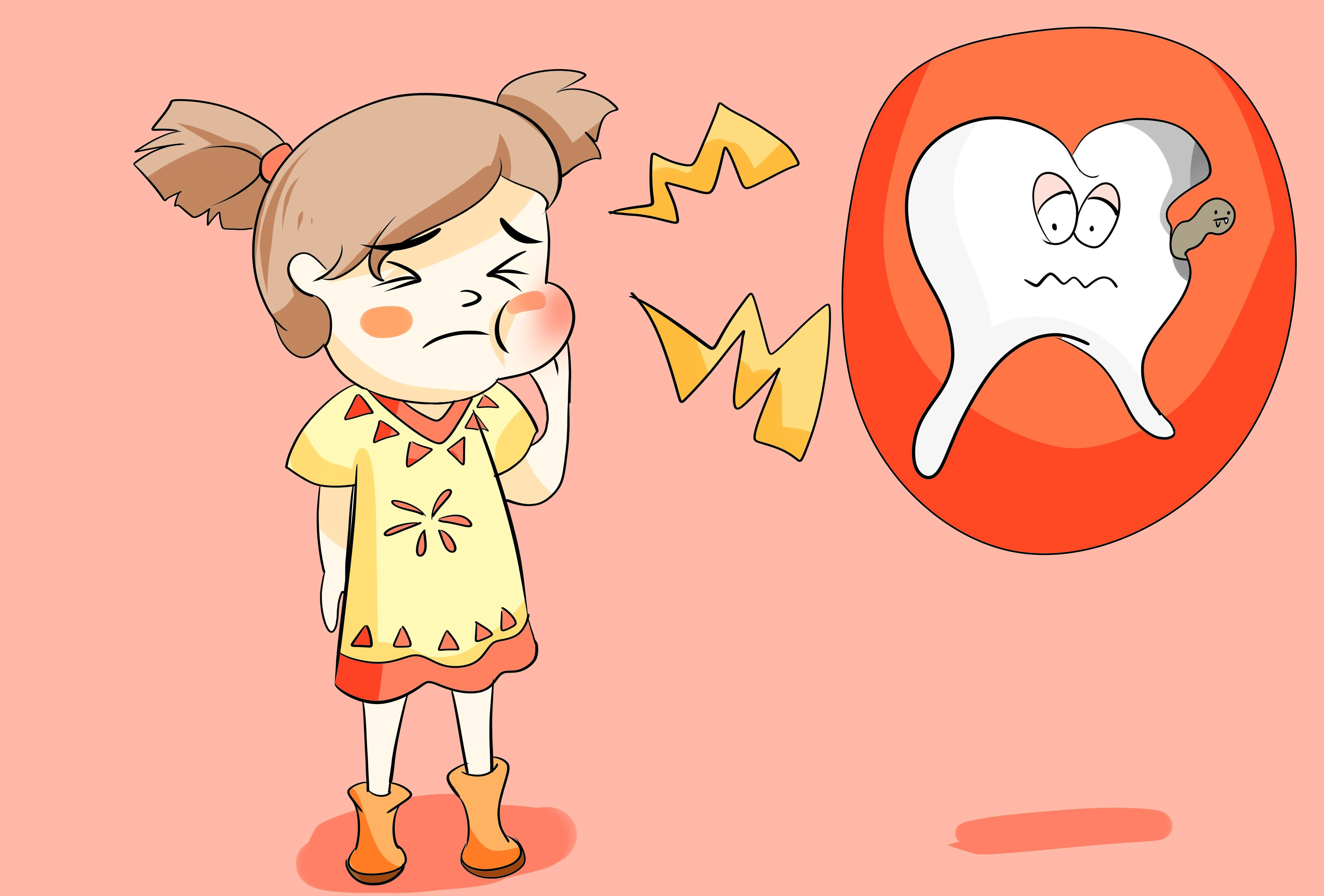
When a filling fails, the tooth’s nerve can become irritated or infected. Symptoms often include sharp or lingering pain, sensitivity to hot and cold, or swelling around the gum.
### Why a Root Canal May Be Needed
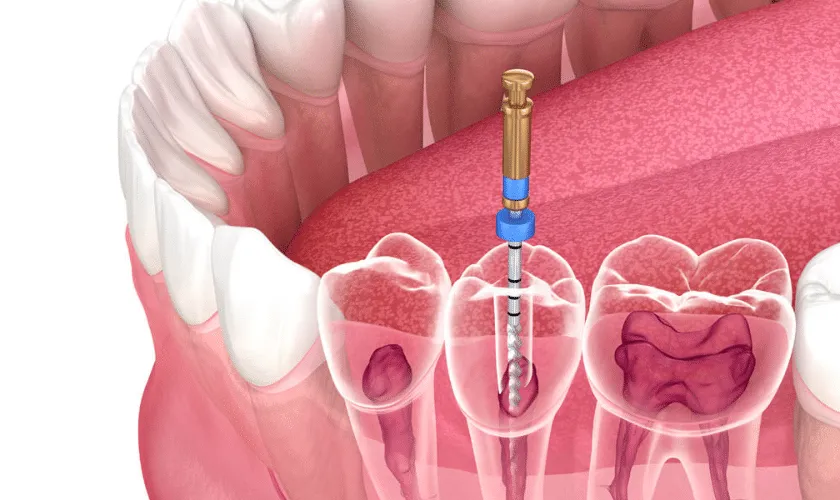
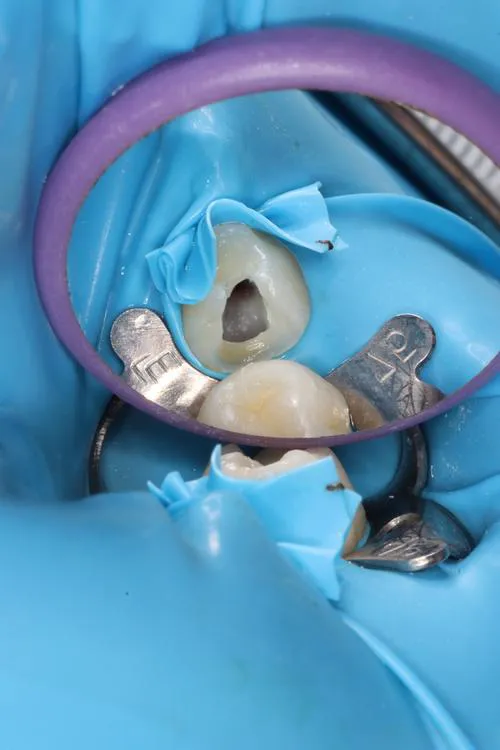
In Thailand, dentists generally suggest a root canal when the inner pulp of the tooth is inflamed or infected. If your filling has failed and bacteria have reached the pulp, a simple refilling won’t be enough. A root canal involves removing the damaged pulp, cleaning the inside of the tooth, and sealing it to prevent further decay.
Without this treatment, the infection can spread, leading to severe pain and even affecting nearby teeth. For many patients, the thought of a root canal may sound scary, but Thai dental clinics often use modern technology and gentle techniques to make it much more comfortable than expected.
### The Root Canal Experience in Thailand
Whether you go to a small local clinic in Chiang Mai or a modern dental center in Bangkok, the process of a root canal usually follows these steps:
1. **Consultation and X-ray:** Your dentist will take an X-ray to see how deep the damage goes.
2. **Local anesthesia:** The area will be numbed, so you won’t feel pain during the procedure.
3. **Cleaning and shaping:** The infected pulp is removed, and the inner canals of the tooth are cleaned and shaped.
4. **Filling the canals:** A special filling material is placed into the cleaned canals to seal them completely.
5. **Restoration:** In many cases, a crown is placed on the tooth to
restore strength and function, especially for molars used in heavy chewing.
Treatment often takes one to three visits, depending on the tooth’s condition and the clinic’s scheduling.
### Costs and Quality of Care
One reason Thailand is famous for dental tourism is the balance between cost and quality. Root canal treatments are generally more affordable than in many Western countries, sometimes costing less than half of what you would pay abroad. The exact price depends on the complexity and location of the tooth, but many clinics provide clear estimates before starting the procedure.
Thai dentists often train both locally and internationally, and many speak good English, making communication easier for foreigners. Cities like Bangkok, Pattaya, Chiang Mai, and Phuket have dental clinics equipped with advanced tools, ensuring professional standards are met.
### Recovery and Aftercare
After a root canal in Thailand, most people can return to normal activities quickly, though some mild soreness may be felt for a day or two. Your dentist will likely advise you to avoid chewing hard foods on the treated tooth until the final crown or restoration is placed. Good oral hygiene is essential—brush twice a day, floss daily, and visit your dentist for regular check-ups.
For expats and visitors, it’s worth keeping in mind that while emergency dental care is available, scheduling follow-up visits before you leave Thailand is important to ensure your tooth heals properly.
### Preventing Future Problems
A failed filling leading to a root canal can be stressful and inconvenient, but it can also serve as a reminder to take dental maintenance seriously. In Thailand, preventive care is not only affordable but widely available. Regular cleaning, fluoride treatments, and early check-ups can catch problems before they become severe.
Here are a few tips you can follow:
- Get fillings checked annually, especially if they are more than a few years old.
- Wear a mouthguard if you grind teeth or play contact sports.
- Eat sticky and hard foods in moderation to prevent pressure on dental work.
- Maintain proper brushing and flossing habits.
### Final Thoughts
A root canal in Thailand after a failed filling is not uncommon, and with modern dental care available in nearly every city, it’s a manageable situation. The procedure can restore your tooth’s health, save your smile, and prevent the need for extraction. Whether you’re a local or an expat enjoying life in Thailand, knowing about this treatment, its process, and the high-quality care you can expect will help you approach it with confidence.
In the end, taking prompt action when a filling fails can save you time, money, and discomfort. Thailand’s combination of skilled dentists, reasonable costs, and friendly service makes it an ideal place for handling even complex dental issues like root canals. Your dental health is worth the attention—so don’t delay getting it checked if your tooth begins to hurt again.