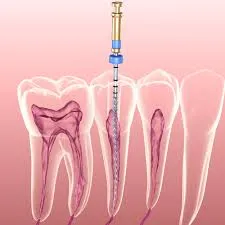
Thailand Root Canal Reopening Procedure
**Thailand Root Canal Reopening Procedure**
When it comes to dental care, Thailand is well-known for its professional dentists, modern clinics, and approachable service. For many people who have previously had a root canal done, there may come a time when the treatment needs to be reopened and redone. This is often called a “root canal retreatment” or “root canal reopening.” Understanding how this procedure works in Thailand, what to expect, and how to prepare can help you feel more confident before stepping into the dental chair.
### Why a Root Canal May Need Reopening
A root canal is designed to remove infected or damaged pulp tissue inside a tooth, clean out the canals, and seal them to prevent bacteria from coming back. In most cases, this treatment works well for many years. However, certain situations may require a reopening:
- **Persistent infection** – Sometimes bacteria can remain hidden in complex tooth structures.
- **New decay** – If decay develops around the crown or filling, it can allow bacteria to re-enter.
- **Broken or loose dental work** – Damaged crowns or fillings can expose the treated area.
- **Complicated root anatomy** – Extra small canals might have been missed in the first treatment.
In Thailand, dentists often use advanced imaging equipment, such as digital X-rays and 3D scanners, to identify these problems clearly before deciding on retreatment.
### What Happens During the Root Canal Reopening Procedure in Thailand
The procedure for reopening a root canal in Thailand usually follows several key steps:
1. **Initial examination** – The dentist will take a detailed look at your tooth, check your dental history, and take new X-rays to understand the current condition.
2. **Planning the retreatment** – The process is carefully planned to minimize discomfort and preserve as much tooth structure as possible.
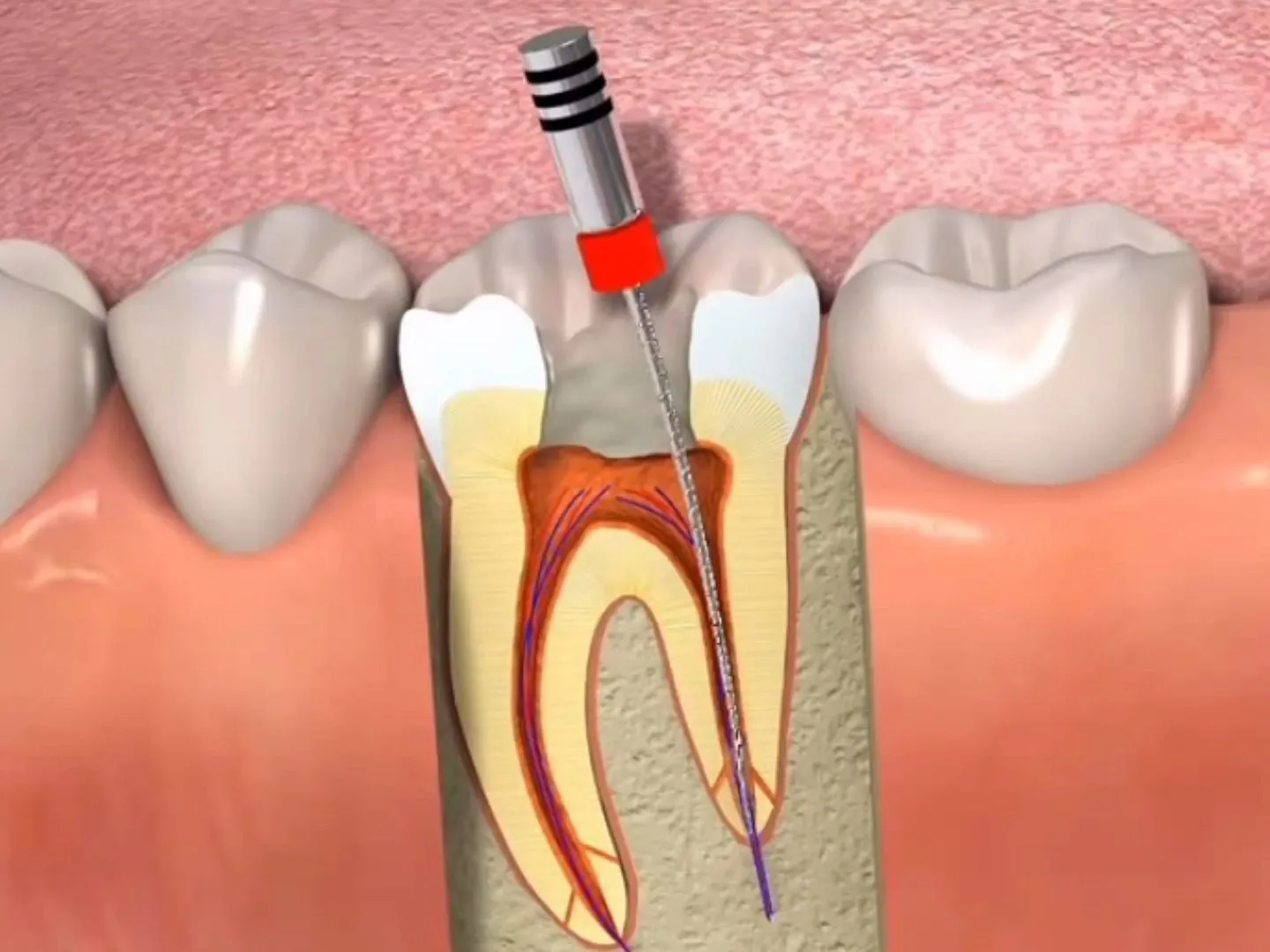
3. **Removing the old filling material** – The dentist will gently remove the crown or filling, then take out the old root canal filling material.
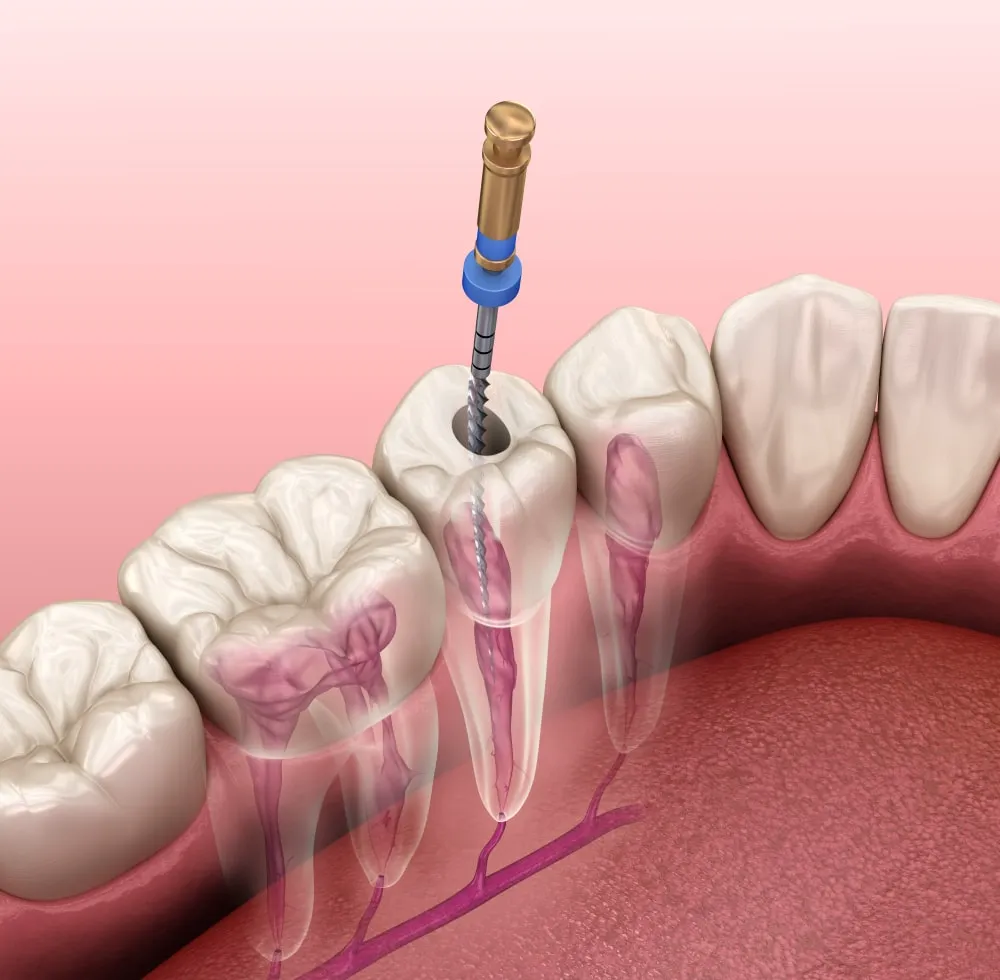
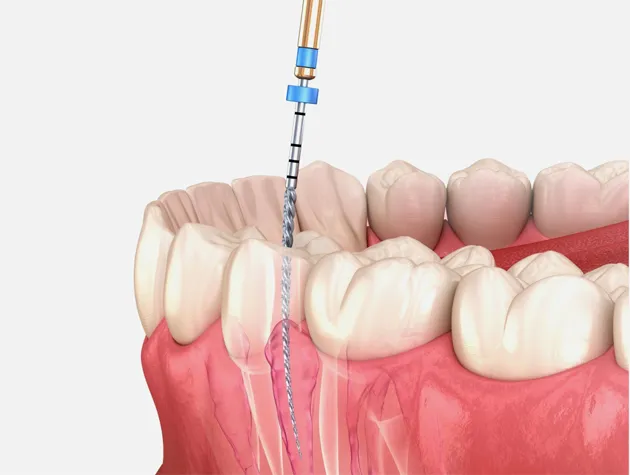
4. **Cleaning and shaping the canals** – Using fine instruments, the dentist will thoroughly clean the canals again, removing bacteria and debris.
5. **Refilling and sealing the tooth** – Once the canals are disinfected, they are filled with a new, high-quality sealing material to block bacteria.
6. **Restoring the tooth** – A new crown or filling will be placed to protect the tooth and restore function.
Many Thai dental clinics follow international standards in sterilization and use modern tools such as rotary instruments and operating microscopes. This ensures precision and greater treatment success.
### Comfort and Pain Management
One thing patients appreciate in Thailand is the dentist’s gentle approach. Local anesthesia is used to keep you comfortable throughout the procedure, and for those who feel nervous, some clinics offer sedation options. Thai dental staff are generally warm and approachable, explaining each step so you know exactly what is happening. This friendly communication style helps eas
e patient anxiety.
### Time Frame and Number of Visits
A root canal reopening in Thailand may be done in one or two visits, depending on the complexity of the case. Simple cases can be completed in a single long appointment, while more complicated infections may require a follow-up visit to ensure complete healing before the tooth is sealed.
### Cost of Root Canal Reopening in Thailand
While exact prices vary by clinic location, tooth position, and case complexity, root canal retreatment in Thailand is generally more affordable compared to many Western countries. In Bangkok, Chiang Mai, and Phuket, prices are competitive without compromising quality. The cost usually includes X-rays, professional cleaning, filling material, and crown restoration if needed.
For foreigners visiting Thailand for dental care, many clinics offer packages that combine treatment with assistance in appointment scheduling, transportation, and even hotel recommendations.
### Aftercare and Recovery
After the procedure, you may experience mild sensitivity or discomfort for a few days, which can be managed with over-the-counter pain relievers. Your dentist will likely recommend:
- Avoid biting hard foods on the treated tooth until the final crown is placed
- Maintain excellent oral hygiene, brushing and flossing daily
- Come for follow-up appointments as scheduled
- Report any unusual symptoms, such as swelling or severe pain, immediately
Good aftercare plays an important role in preventing future dental problems. Many Thai dentists will also guide you on diet adjustments and dental habits suitable for tropical weather and local food culture.
### Choosing a Dental Clinic in Thailand
If you need a root canal reopening, do a bit of research before selecting a clinic. Consider:
- **Dentist qualifications** – Look for clinics that list dentists’ international training and specializations.
- **Equipment** – Check if they have modern dental imaging and sterilization systems.
- **Reviews and testimonials** – Reading other patients’ experiences can give insight into service quality.
- **Communication** – English-speaking dentists and staff make the process much smoother for foreign patients.
Reputable clinics in Thailand are often certified or recognized by national dental associations and follow strict health standards.
### Final Thoughts
A root canal reopening may sound intimidating, but in Thailand, patients benefit from skilled dentists, friendly service, and reasonable costs. With proper diagnosis, modern techniques, and attentive aftercare, the procedure can save your natural tooth and restore your smile’s health and comfort.
Whether you are a local resident or an international visitor, getting this treatment in Thailand means combining world-class dental care with the country’s warm hospitality. By understanding the process, preparing in advance, and choosing the right clinic, you can have a positive, stress-free experience and enjoy the benefits of a healthy, pain-free tooth for years to come.
 collect
Hospitals included



Products included

Suggested reads