Thailand Root Canal for Blackened Tooth
Thailand Root Canal for Blackened Tooth
**Thailand Root Canal for Blackened Tooth**
When you notice one of your teeth turning dark or black, it’s easy to feel anxious. In Thailand, many people experience this issue due to untreated cavities, dental trauma, or previous infections. A blackened tooth is often a sign that the inner part of the tooth — called the pulp — may be damaged or infected. One of the most effective treatments for saving such a tooth is a root canal. In this article, we’ll explore why root canal therapy in Thailand is a trusted solution, what to expect during the process, and how to care for your tooth afterwards.
---
**Why a Tooth Turns Black**
A tooth doesn’t usually turn black overnight. Common reasons include:
1. **Deep Decay** – When cavities reach the inner layers of the tooth, they destroy tissue and cause discoloration.
2. **Physical Injury** – A strong knock to the tooth while eating, playing sports, or in an accident can damage blood vessels, leading to darkening over time.
3. **Old Fillings or Dental Work** – Sometimes older dental materials can leave a tooth looking darker.
4. **Internal Infection** – If bacteria reach the pulp, the tissue dies, and the tooth loses its natural color.
In Thai dental clinics, dentists often see blackened teeth in patients who have postponed treatment due to fear or cost concerns. However, waiting too long can make the problem worse, sometimes leading to tooth loss.
---
**Root Canal in Thailand – A Reliable Solution**
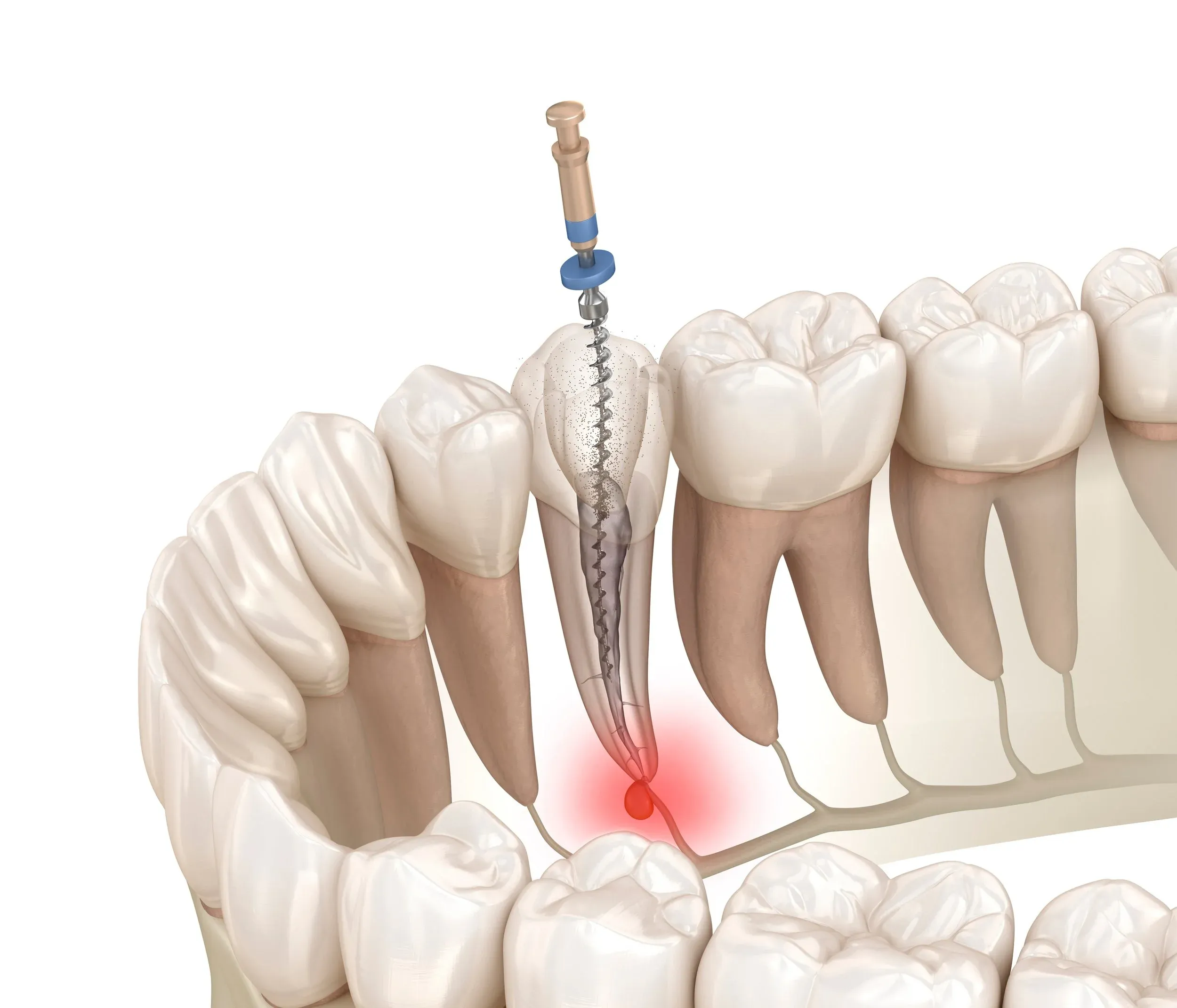
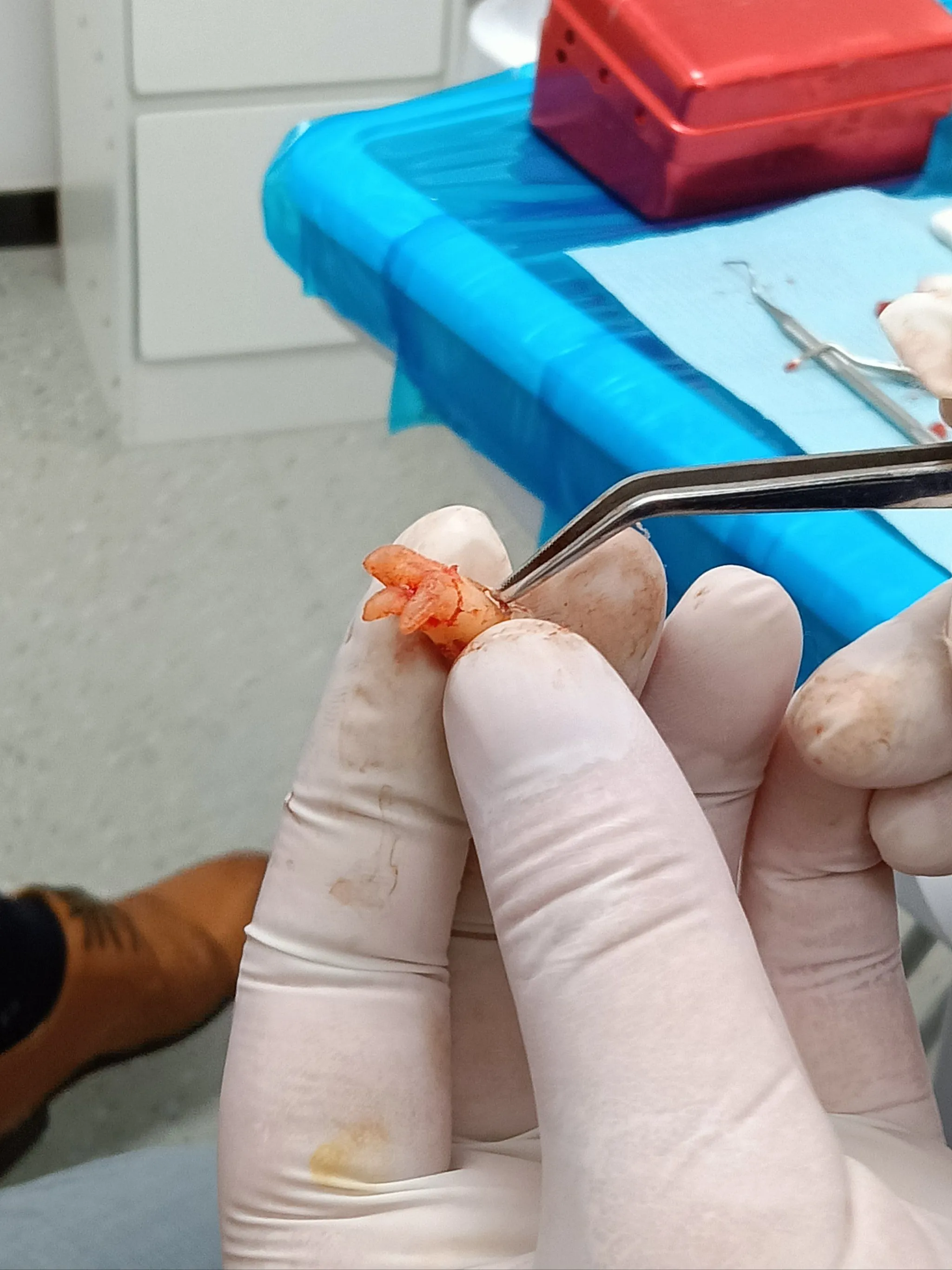
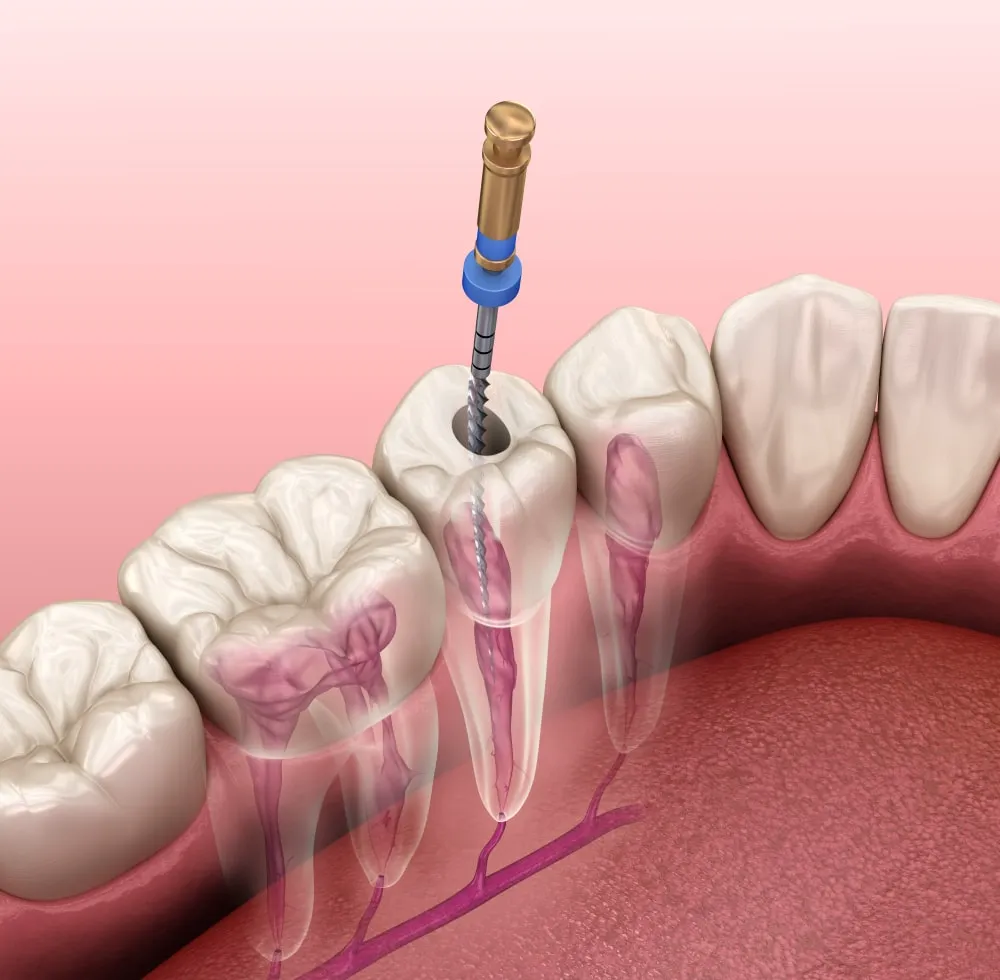
Root canal treatment, known by locals simply as “root canal,” is a procedure that removes infected pulp, cleans the root canals, and seals the tooth to prevent future problems. In Thailand, dental practices in cities like Bangkok, Chiang Mai, and Phuket are well known for providing high-quality root canal services at affordable rates compared to many Western countries.
The procedure helps save your natural tooth instead of extracting it. A blackened tooth that’s structurally sound can still function normally after a root canal, and with additional cosmetic work, it can look as good as before.
---
**Step-by-Step Process**
Here’s what usually happens during a root canal in Thailand:
1. **Consultation & X-Ray** – The dentist examines the tooth and takes an X-ray to see the extent of damage.
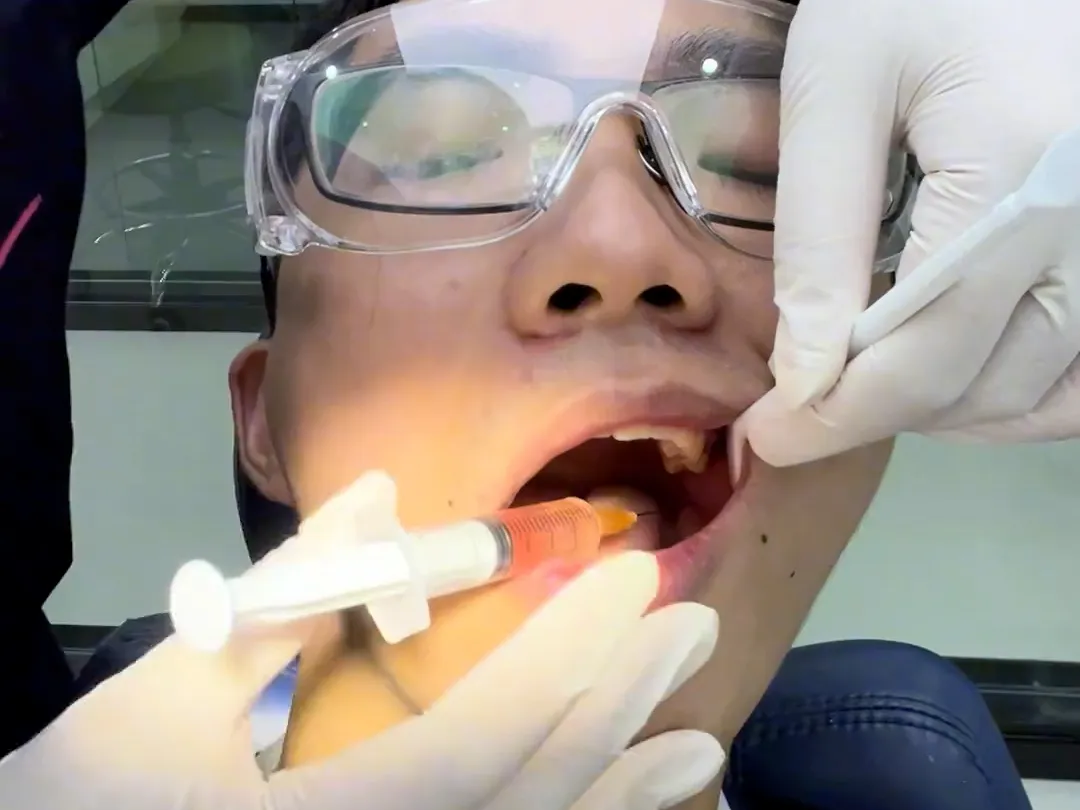
2. **Anesthesia** – Local anesthesia is given so you feel comfortable and pain-free during the procedure.
3. **Access Opening** – The dentist makes a small opening in the tooth to reach the infected pulp.
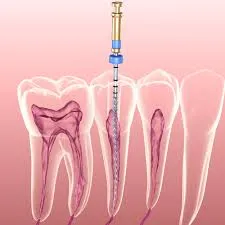
4. **Cleaning & Shaping** – Specialized tools are used to remove infected tissue and shape the root canal space.
5. **Disinfection** – The canal is thoroughly cleaned with antibacterial solutions to remove harmful bacteria.
6. **Filling & Sealing** – The cleaned space is filled with a biocompatible material to seal it.
7. **Restoration** – Often, a crown is placed afterwards to strengthen the tooth and improve appearance.
Many Thai
dentists explain each step in simple terms so patients feel at ease, especially those coming for their first root canal.
---
**Cost of Root Canal in Thailand**
One of the reasons medical tourism is popular in Thailand is the affordable yet high-quality dental care. A root canal for a single tooth can cost between 5,000 to 10,000 THB, depending on location, clinic reputation, and the complexity of the case. Adding a crown may cost extra, but many patients find this worthwhile for long-term protection and aesthetics.
---
**Why Choose Thailand for Dental Care?**
Besides lower costs, here are a few reasons patients choose Thailand:
- **Experienced Dentists** – Many Thai dentists have international training and speak English fluently.
- **Modern Facilities** – Clinics are equipped with advanced dental technology.
- **Hospitality & Comfort** – Thai service culture makes patients feel cared for from the moment they walk in.
- **Convenient Appointments** – Flexible scheduling, including weekends in many clinics.
For travelers, combining dental treatment with a holiday in Thailand is an appealing option.
---
**Post-Treatment Care**
After a root canal, caring for your tooth properly ensures it lasts for years. Dentists in Thailand usually recommend:
- Avoid chewing hard or sticky foods on the treated tooth until a crown is placed.
- Brush and floss daily to keep gums and surrounding teeth healthy.
- Attend follow-up appointments to check healing progress.
- Report any pain or unusual sensations immediately to your dentist.
With good oral hygiene, a tooth treated with a root canal can last a lifetime.
---
**Preventing Tooth Discoloration and Future Problems**
While root canal therapy can effectively save a blackened tooth, prevention is always better than cure. In Thailand, it’s common for people to visit the dentist every six months for cleaning and check-ups. Practicing daily oral care and addressing issues early can prevent teeth from turning black in the first place.
Tips include:
- Brush twice a day with fluoride toothpaste.
- Rinse after meals, especially if eating sweet or acidic Thai dishes.
- Wear a mouthguard during sports.
- Avoid biting on hard objects like ice cubes (common in local iced drinks).
---
**Final Thoughts**
Seeing a blackened tooth in the mirror can be worrying, but it’s not the end of the story for your smile. In Thailand, root canal treatment offers a safe, effective way to restore the function and appearance of your tooth. With skilled dentists, advanced technology, and patient-focused care, you can preserve your natural teeth and enjoy a healthy, confident smile once again.
If you notice discoloration or pain, don’t delay — book a consultation at a trusted Thai dental clinic. Early treatment could mean the difference between saving or losing your tooth, and in Thailand, you can do it with expert hands and warm service.