Thailand Irrigation Techniques for Root Canal
**Thailand Irrigation Techniques for Root Canal**
In Thailand, dentistry has made impressive strides in recent years, blending advanced technology with approaches that suit the local environment and patient needs. One area where this progress is particularly visible is root canal treatment. While the term “irrigation” may sound ordinary, in endodontics it plays a central role in ensuring successful results—and Thai dental clinics have developed techniques that are both effective and patient-friendly.
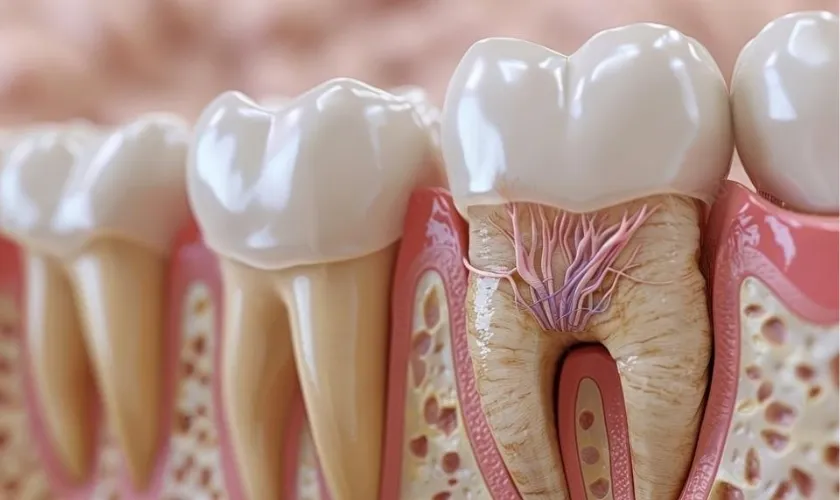
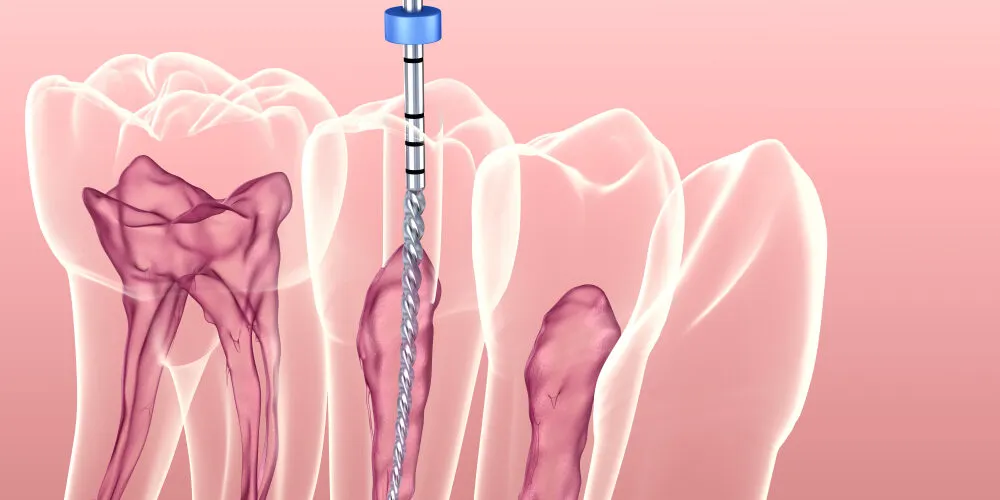
Root canal irrigation refers to the process of flushing out debris, bacteria, and infected tissue from the canals inside a tooth. It is not just a matter of washing; it is a carefully managed procedure using specific solutions, delivered with precision, to clean areas that mechanical instruments cannot reach. In Thailand, dentists often take into account factors like the climate, local patient preferences, and access to certain materials when planning their irrigation strategy.
### Why Irrigation Matters in Thai Dental Practice
Thai dentists face a common challenge with root canals: tropical climates can contribute to faster bacterial growth and higher risks of infection. Combined with dietary habits—such as frequent consumption of sweet iced drinks or street food rich in carbohydrates—oral bacteria can spread quickly once a tooth pulp is compromised. Irrigation, therefore, is not just a technical step in treatment; it’s an essential safeguard against reinfection.
In many clinics, patients are also quite focused on comfort. A successful irrigation technique must be efficient, thorough, and gentle enough to avoid discomfort. This is why Thai dental practitioners adapt international protocols to suit local needs, ensuring the procedure remains stress-free while delivering maximum cleanliness within the tooth.
### Common Irrigation Solutions Used in Thailand
While global dentistry heavily relies on sodium hypochlorite as the main irrigation solution, many Thai dentists add other options in certain cases:
- **Sodium Hypochlorite (NaOCl)** — Widely used for its strong antibacterial properties and ability to dissolve organic tissue. Clinics in Bangkok, Chiang Mai, and Phuket often prepare fresh, appropriately diluted solutions to avoid excess irritation.
- **Chlorhexidine (CHX)** — Commonly used when patients might be sensitive to sodium hypochlorite. Its broad-spectrum antibacterial action is valued for long-lasting results.
- **EDTA (Ethylenediaminetetraacetic acid)** — This is used to remove the smear layer from canal walls, allowing deep penetration of disinfecting agents.
- **Sterile Saline** — In rural clinics or for patients with allergies, sterile saline is sometimes used as a gentler flushing agent, though it lacks the strong antibacterial effect of other solutions.
It’s quite common for Thai dentists to combine these solutions sequentially, adjusting concentrations depending on the patient’s age, medical history, and the severity of infection.
### Technique Variations Across Thailand
Thailand’s dental industry embraces both traditional syringe irrigation and modern methods like ultrasonic activation.
1. **Conventional Syringe Irrigation**
Dentists use side-vented needles with gentle pressure to introduce the solution into the canal. This method is straightforward, cost-effective
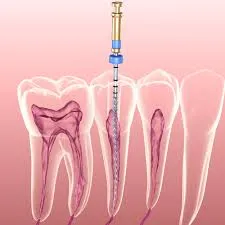
, and widely practiced even in smaller provincial clinics.
2. **Ultrasonic Activation**
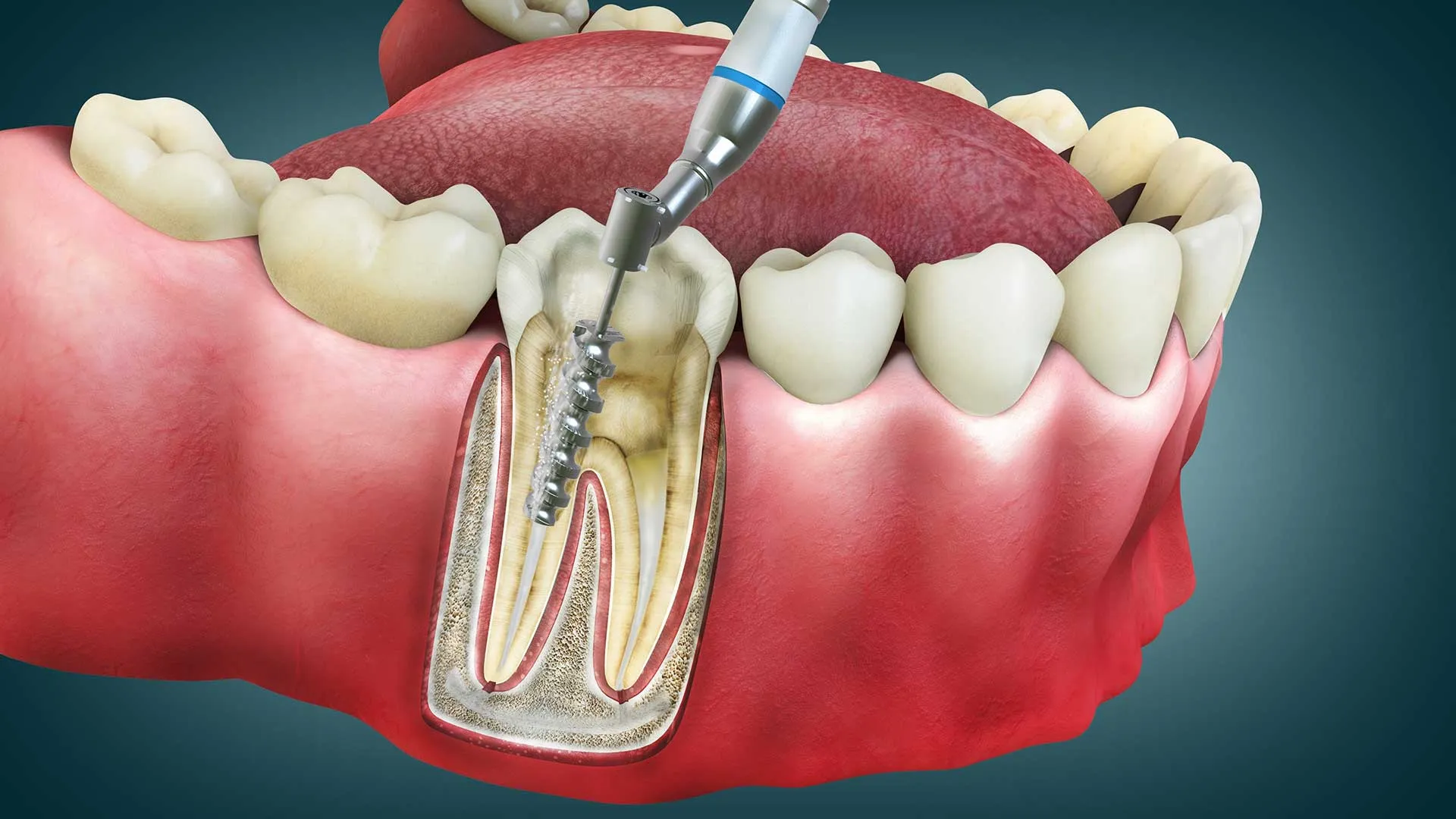
Many urban dental centers, especially in Bangkok and Pattaya, have adopted ultrasonic devices that agitate the irrigant inside the canal. This creates microbubbles that help break down biofilm and remove debris more thoroughly.
3. **Negative Pressure Irrigation**
Some high-end dental practices use systems that draw irrigant down the canal and back out simultaneously, minimizing the risk of pushing bacteria towards the apex. This technique is valuable when treating complex cases or teeth with narrow, curved canals.
4. **Warm Irrigation Solutions**
Some Thai dentists heat the irrigant slightly before use. Warm solutions can increase the effectiveness of sodium hypochlorite, making tissue dissolution easier without increasing concentration.
### Patient Experience and Local Preferences
In Thailand, patient satisfaction often comes from feeling comfortable during treatment. Dentists therefore pay close attention to temperature control, taste management of solutions, and communication. For example, sodium hypochlorite has a strong taste and smell—some clinics mask this with flavored rinses before and after irrigation.
It is also common in Thailand for dentists to explain each step of the process in simple terms, often using relatable comparisons to familiar cleaning practices. This friendly and transparent communication helps patients relax, which is especially important for those new to root canal treatments.
### Infection Control Standards
Thai dental clinics maintain strict infection control protocols, in line with guidelines from the Dental Council of Thailand and international organizations. Irrigation syringes and tips are disposable or properly sterilized between patients, and solutions are freshly prepared. The focus is on avoiding cross-contamination while ensuring complete canal cleanliness before the filling stage.
### The Future of Irrigation in Thailand
Technology is advancing fast in Thailand’s dental sector. There is growing interest in laser-assisted irrigation, where light energy helps activate solutions and destroy bacteria in hard-to-reach areas. Another emerging technique is the use of biocompatible natural irrigants, like herbal extracts, which some research suggests may be suitable for patients with high sensitivity.
As Thai dental schools continue to train graduates in both traditional and modern irrigation methods, the overall standard of care is expected to rise. Patients will benefit from treatments that are effective, comfortable, and tailored to local conditions.
### Conclusion
Root canal irrigation in Thailand reflects the country’s unique blend of modern dentistry and cultural adaptability. From conventional syringes in community clinics to ultrasonic devices in urban centers, Thai dentists have refined techniques that meet local expectations while adhering to strict medical standards. Clean canals mean healthier smiles, and with the right irrigation approach, Thai dentistry continues to deliver lasting results for patients from all walks of life.
In the tropical climate and vibrant lifestyle of Thailand, keeping root canal treatments effective requires skill, precision, and an understanding of local needs—and irrigation remains the key step in achieving that.
 collect
Hospitals included




Products included

Suggested reads