Thailand Root Canal for Hot and Cold Pain
**Thailand Root Canal for Hot and Cold Pain**
If you’ve ever felt a sharp sting when sipping iced coffee or a burning sensation after enjoying hot tom yum soup, it’s a sign that your teeth may be in trouble. In Thailand, where food and drinks often swing between boiling hot and refreshingly cold, tooth sensitivity is a common complaint. Sometimes, though, this isn’t just minor sensitivity—it’s a deeper issue that might require a root canal treatment. Understanding how a root canal works in Thailand, and why hot and cold pain can be a sign you need one, can help you protect your teeth and your comfort.
### Why Hot and Cold Pain Matters
In a tropical country like Thailand, we all enjoy iced drinks, fresh fruit smoothies, and steaming soups. When teeth are healthy, they can handle these temperature contrasts without a problem. However, if the inner layer of your tooth—known as dental pulp—gets infected or damaged, exposure to heat or cold can trigger sharp, lasting pain. This is different from short-term sensitivity caused by enamel wear; root canal-related pain often lingers even after the temperature stimulus is gone.
Dental pulp contains nerves and blood vessels, and when it becomes inflamed due to decay, cracks, or repeated dental work, it sends strong pain signals. Hot and cold discomfort that lasts more than a few seconds is one of the tell-tale signs Thai dentists look for when diagnosing whether a root canal is needed.
### Common Causes in Thailand
Thailand’s food culture plays a role in dental health. Here are a few common reasons people in the country develop pulp problems leading to root canals:
1. **Spicy and Acidic Cuisine** – While delicious, curries, chili sauces, and sour tamarind can be harsh on enamel if oral hygiene isn’t maintained.
2. **Sugary Drinks** – Iced milk tea, Thai coffee, and bubble tea are favourites, but sugar feeds bacteria that cause decay.
3. **Old Dental Fillings** – Worn fillings, common among adults, can allow bacteria to reach deeper tooth layers.
4. **Accidental Fractures** – Biting on something hard, like crispy pork, can crack a tooth and expose its inner pulp.
### What Is a Root Canal Treatment?
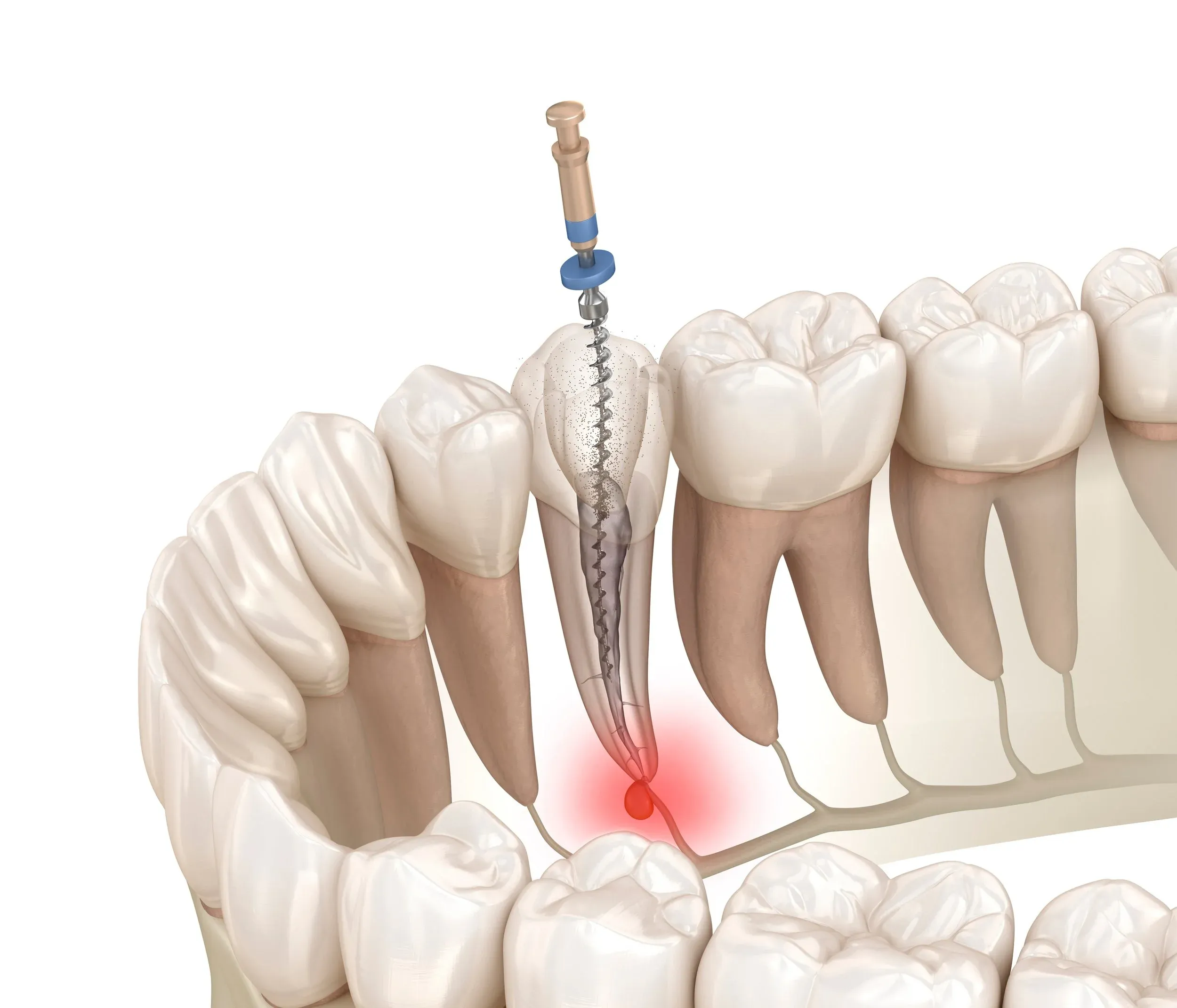
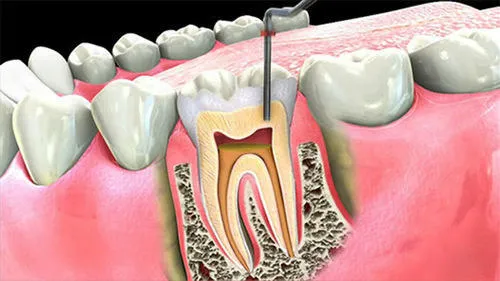
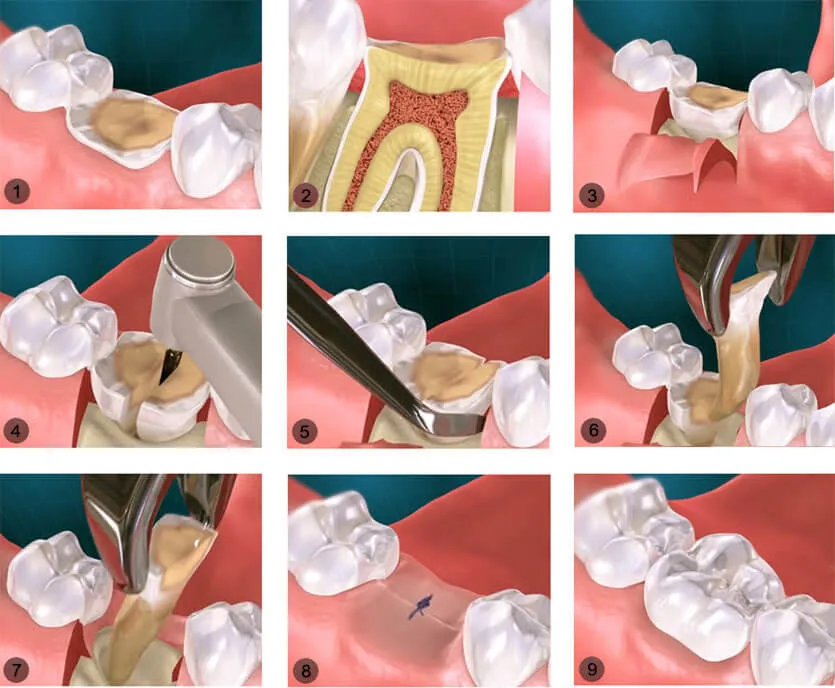
A root canal is a dental procedure designed to remove infected pulp from inside a tooth. The dentist cleans out the canals within the roots, disinfects them, and then fills and seals the space to prevent bacteria from returning. In Thailand, this procedure is done under local anaesthesia, so you won’t feel pain during treatment.
Root canal work in Thailand is often recommended by general dentists, but it can also be performed by specialists called endodontists. Many dental clinics in Bangkok, Chiang Mai, and Phuket have modern equipment, such as digital X-rays and rotary instruments, making the treatment faster and more comfortable than ever before.
### Signs You Might Need a Root Canal
Hot and cold pain is one of the most common signals, but there are other signs you should watch out for:
- Pain when chewing or touching the tooth
- Darkening of the tooth colour
- Swelling in the gums around the tooth
- A pimple-like spot on the gums
- Long-lasting sensitivity, even after removing hot or cold food from the mouth
In Thailand, dentists often
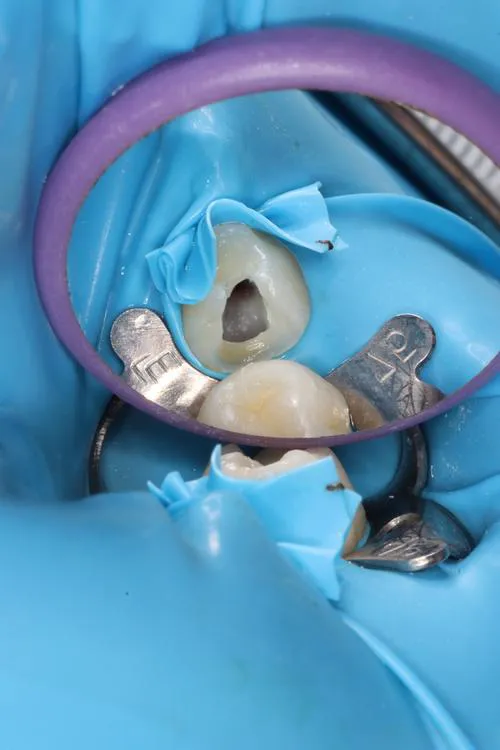
recommend early intervention to prevent infection from spreading.
### The Root Canal Process in Thailand
If you go to a Thai dental clinic with hot and cold pain, here’s what typically happens:
1. **Consultation and X-ray** – The dentist will examine your tooth and take an X-ray to see the extent of pulp damage.
2. **Anaesthesia** – A local anaesthetic ensures you’re comfortable throughout the procedure.
3. **Cleaning the Canal** – The infected pulp tissue is removed carefully, and the canal is thoroughly cleaned.
4. **Filling and Sealing** – A special material fills the canals, and a temporary filling is placed on top.
5. **Restoration** – In most cases, a crown is fitted later to restore strength to the treated tooth.
The treatment is often completed over one to two visits, depending on the complexity.
### Cost of Root Canal in Thailand
Dental costs in Thailand are generally more affordable compared to Western countries, making it a popular destination for dental tourism. On average, a root canal treatment for a molar ranges from 6,000 to 12,000 THB, depending on the clinic’s reputation, location, and the tooth’s complexity. Crowns, which are often needed afterward, cost extra.
Many expats and tourists choose dental clinics in Thailand because of the combination of reasonable prices and high quality care. Bangkok and Chiang Mai, in particular, have world-class dental centres serving both locals and foreigners.
### Recovery and Aftercare
After a root canal, some mild discomfort is normal for a few days. Thai dentists typically recommend avoiding very hot or cold foods right after the procedure, allowing your tooth to settle. Following good oral hygiene—brushing twice a day, flossing, and using mouthwash—will ensure the treated tooth remains healthy.
Also, keeping up with regular dental visits is important in Thailand’s food-friendly lifestyle, as eating habits can expose teeth to recurring stress.
### Preventing Hot and Cold Dental Pain
While root canals are effective, prevention is always better. To keep your teeth strong in Thailand’s climate and cuisine:
- Limit sugary drinks and rinse your mouth with water afterward
- Avoid using teeth as tools to open bottles or bite through hard packaging
- Wear a mouthguard if you play sports
- Visit your dentist every six months for a check-up
By adapting your habits, you can reduce the risk of developing severe sensitivity or pulp damage in the first place.
### Final Thoughts
Hot and cold pain in your teeth can be more than just a temporary annoyance—it can be a warning sign of deeper problems. In Thailand, where both steamy bowls of noodle soup and icy fruit shakes are part of everyday life, our teeth are constantly challenged by temperature changes. If you experience sharp, lingering discomfort, visiting a Thai dental clinic for a check-up could save you from more serious complications.
Root canal treatment is a reliable solution offered across Thailand, with modern techniques making it a comfortable and effective way to preserve your natural smile. By paying attention to your body’s signals and seeking timely care, you can continue enjoying the vibrant flavours of Thai cuisine without wincing from hot and cold pain.
 collect
Hospitals included



Products included




Suggested reads