Thailand Root Canal for Nerve Exposure
**Thailand Root Canal for Nerve Exposure**
If you’ve ever experienced a sharp, lingering pain in your tooth while drinking something cold or hot, you might be dealing with nerve exposure. In Thailand, dental clinics often receive patients with this problem, and one of the most common treatments is a root canal. For many people, hearing the words “root canal” may sound intimidating, but in reality, modern dental technology in Thailand has made this procedure far more comfortable and efficient than you might expect. Understanding what nerve exposure means and how root canal therapy works in Thailand can help you feel more confident about seeking the right treatment.
**What Is Nerve Exposure?**
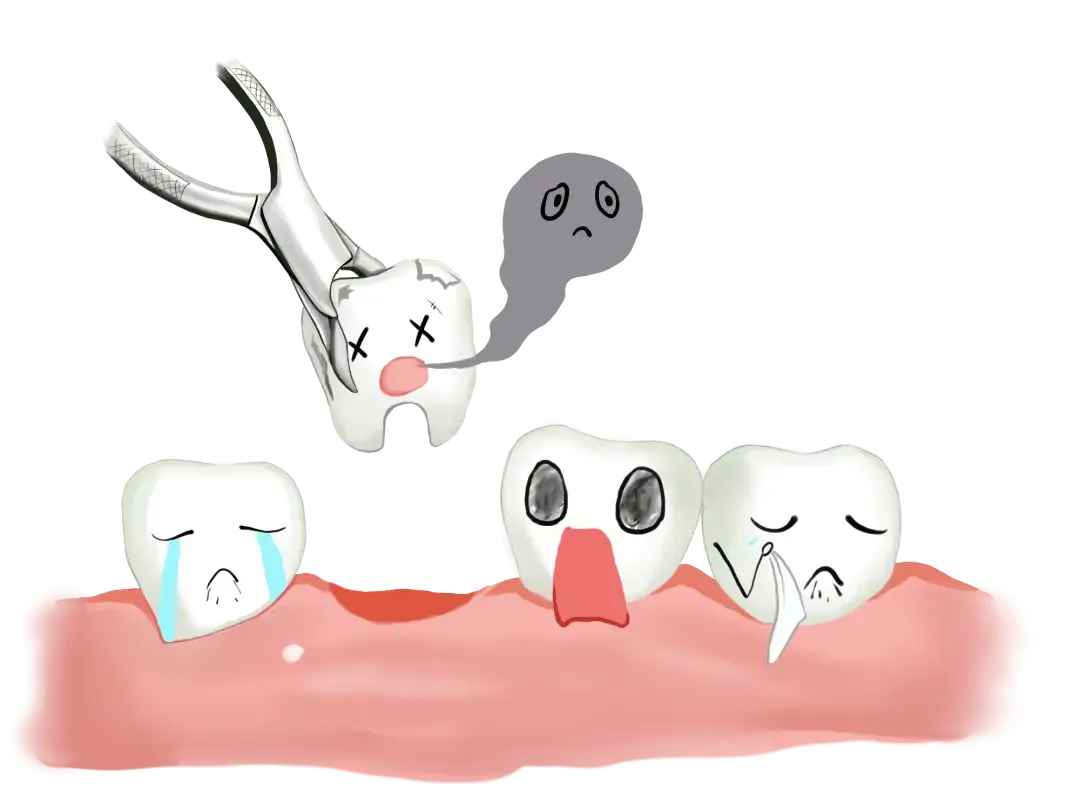
Nerve exposure happens when the inner layer of your tooth, called the pulp, is exposed due to deep decay, cracks, trauma, or severe wear. The pulp contains nerves and blood vessels, so when it’s exposed, the tooth becomes extremely sensitive and painful. Many patients in Thailand describe it as a “deep ache” or “sharp electric-like pain” that doesn’t go away easily. This condition needs prompt treatment because leaving it untreated can lead to severe infection, swelling, and even tooth loss.
**Why Root Canal Treatment Is Recommended**
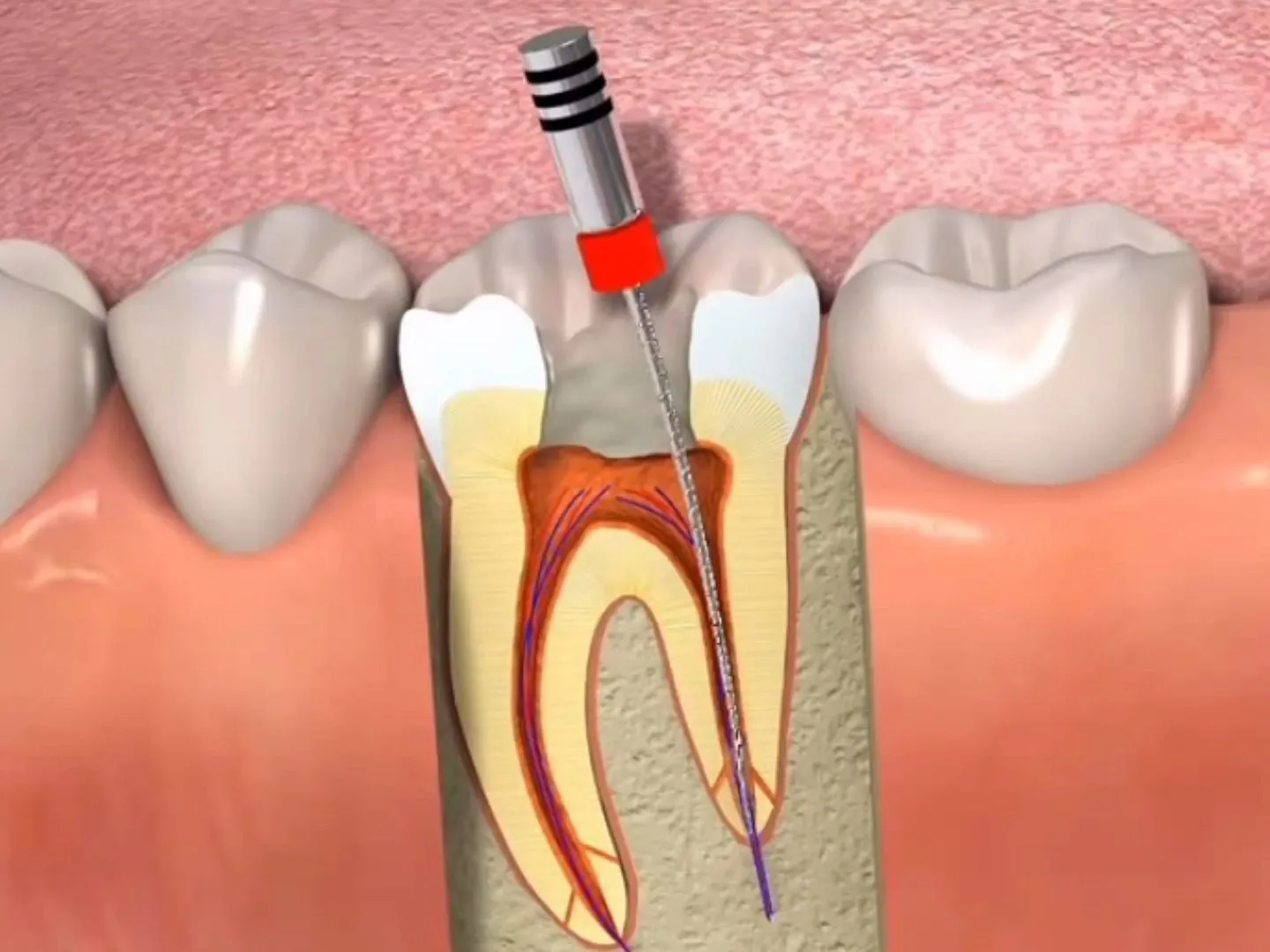
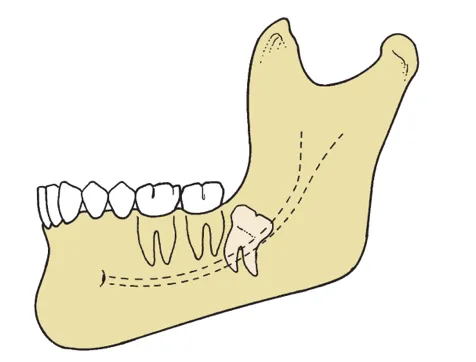
In Thailand’s dental care approach, root canal therapy is the standard treatment for nerve exposure when the pulp is infected or damaged beyond natural repair. The procedure involves removing the infected or exposed nerve tissue, cleaning and disinfecting the root canals, and then sealing the tooth to prevent future problems. This restores the tooth’s function while keeping your natural tooth structure intact. Many dental professionals in Thailand explain it as “saving your tooth from extraction.” Compared to pulling a tooth, a root canal allows you to chew normally without needing complex replacement options.
**Step-by-Step Root Canal Process in Thailand**
Thai dental clinics usually follow a straightforward, patient-friendly process:
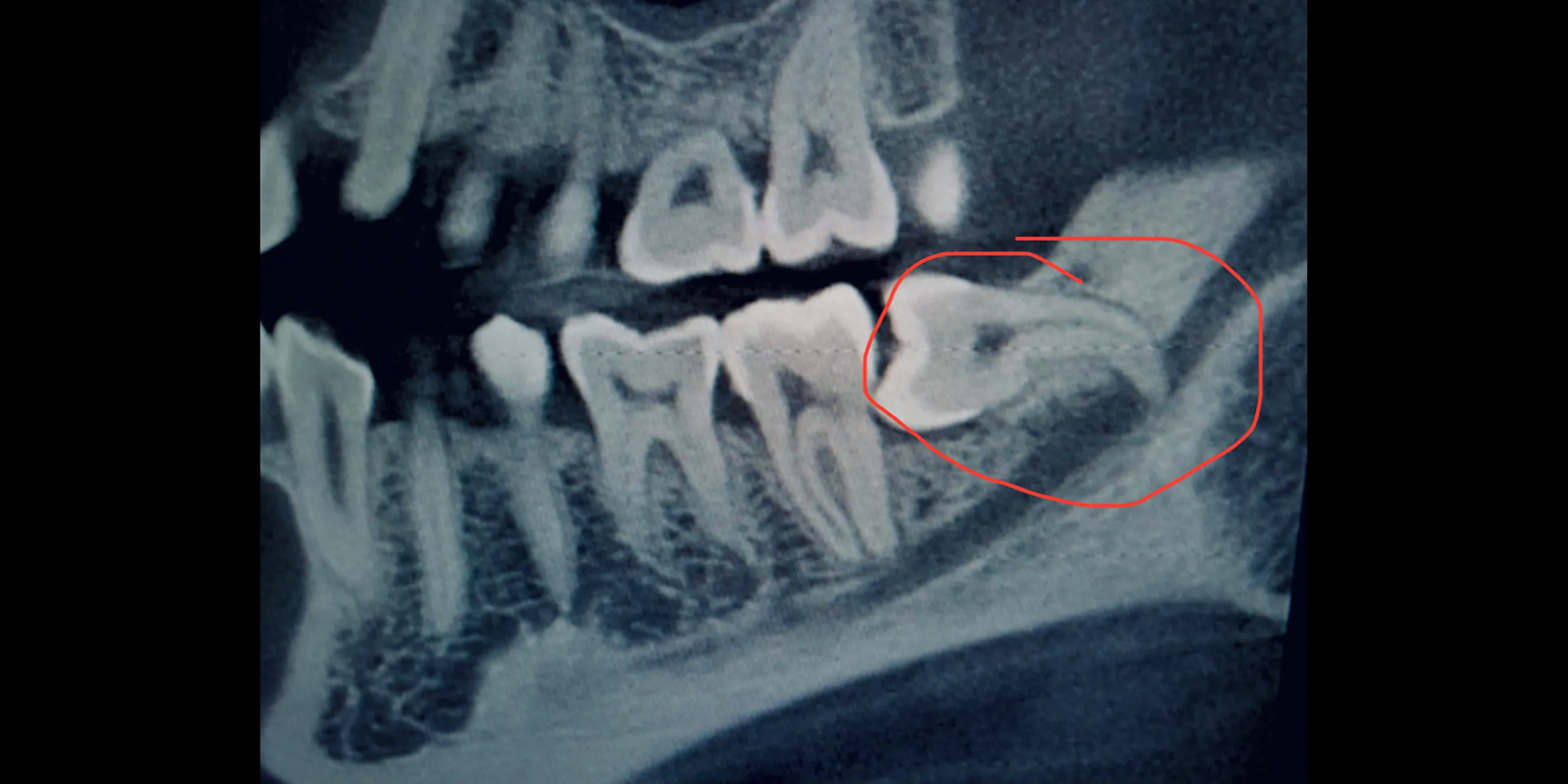
1. **Diagnosis and X-ray** – The dentist examines the tooth and takes an X-ray to see the extent of the nerve exposure and any infection spread.
2. **Local anesthesia** – In Thailand, dentists make sure you’re comfortable by using effective local anesthetics, so you don’t feel pain during the procedure.
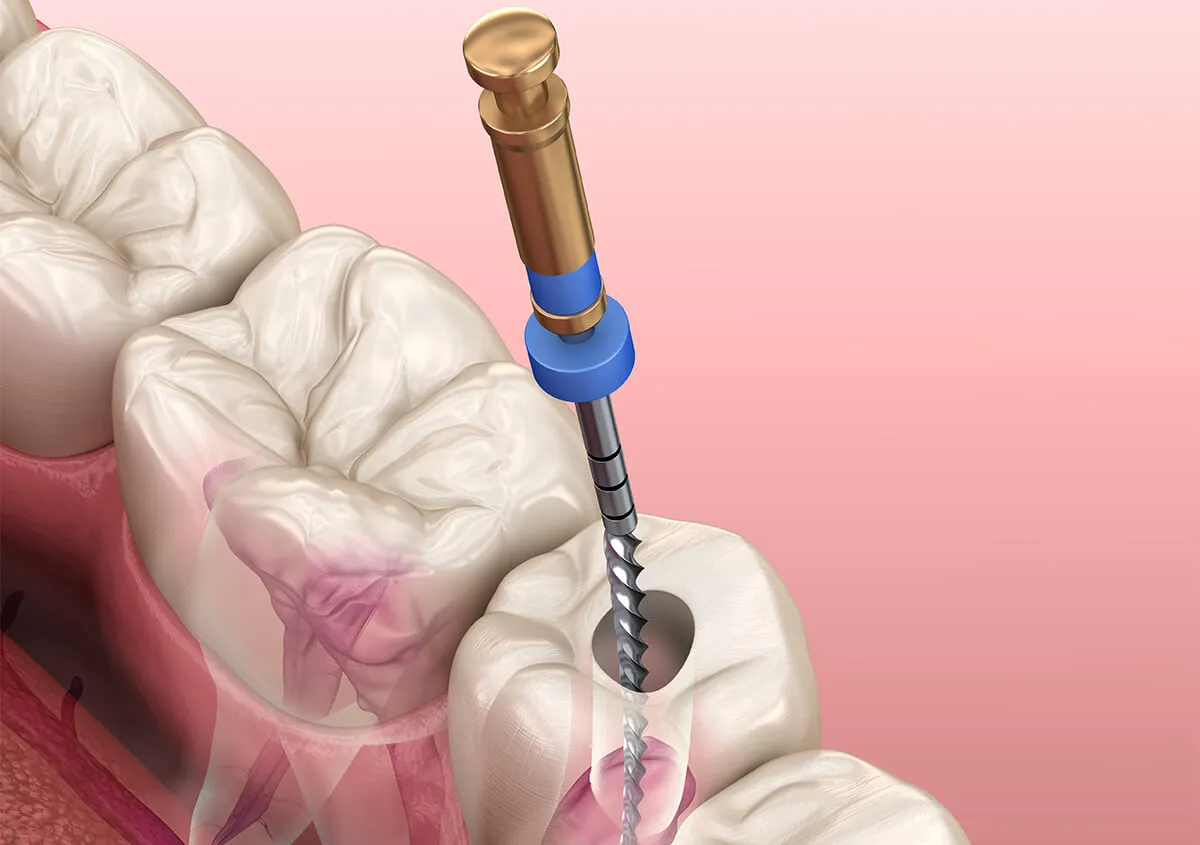
3. **Access and Cleaning** – A small opening is made in the tooth to reach the pulp chamber and root canals. The damaged nerve tissue is removed, and special instruments clean the inside thoroughly.
4. **Disinfection** – The root canals are cleaned with medicinal solutions to kill bacteria and prevent reinfection.
5. **Sealing** – The cleaned canals are filled with a biocompatible material, typically gutta-percha, to seal them off.
6. **Restoration** – Finally, the tooth is restored with a filling or crown to protect it from damage and maintain normal function.
**Comfort and Techn
ology in Thai Dental Clinics**
One thing that stands out in Thailand is how modern and patient-focused dental clinics have become. From Chiang Mai to Bangkok and Phuket, many clinics use advanced equipment like digital X-rays, rotary endodontic tools, and dental microscopes. This not only increases accuracy but also reduces treatment time. Thai dentists are known for their warm communication style, often explaining each step to make patients feel at ease.
**Cost of Root Canal Treatment in Thailand**
Compared to many Western countries, the cost of a root canal in Thailand is usually more affordable, even in high-quality international dental clinics. Prices vary depending on the tooth’s complexity and whether a crown is required afterward. Molars are generally more expensive to treat because they have more canals, but overall, patients often find the cost reasonable, especially considering the standard of care.
**Recovery and Aftercare**
After your root canal, you might feel slight tenderness for a day or two as the tooth heals. Clinics in Thailand usually provide clear aftercare instructions, which may include avoiding chewing hard foods on the treated tooth until the final restoration is complete. Most patients can return to normal activities immediately, and the pain relief is often noticeable right after treatment.
**Preventing Nerve Exposure**
While root canal therapy can effectively save a damaged tooth, prevention is always better. Regular dental check-ups, professional cleaning, and good oral hygiene can help avoid deep decay and cracks. In Thailand, dentists often recommend brushing twice a day with fluoride toothpaste, flossing daily, and being mindful when eating very hard foods or extremely cold and hot drinks.
**Choosing the Right Dental Clinic in Thailand**
If you’re dealing with tooth pain and suspect nerve exposure, it’s important to see a qualified dentist quickly. Look for clinics with licensed dentists who have experience in endodontics (root canal treatment) and positive patient reviews. Many clinics in Bangkok, Chiang Mai, and Pattaya serve both local and international patients, offering English-speaking staff to help with communication.
**Final Thoughts**
Nerve exposure in a tooth can be alarming, but in Thailand, you have access to affordable, advanced, and compassionate care. Root canal therapy here is a safe way to relieve pain, stop infection, and keep your natural smile healthy. The sooner you take action and visit a trusted dental clinic, the higher the chances of saving your tooth without complications.
For anyone living in or visiting Thailand, knowing about root canal treatment for nerve exposure can keep a dental emergency from turning into a bigger problem. Taking care of your teeth is not just about avoiding discomfort—it’s about maintaining overall health and enjoying the confident smile you deserve.
 collect
Hospitals included




Products included

Suggested reads