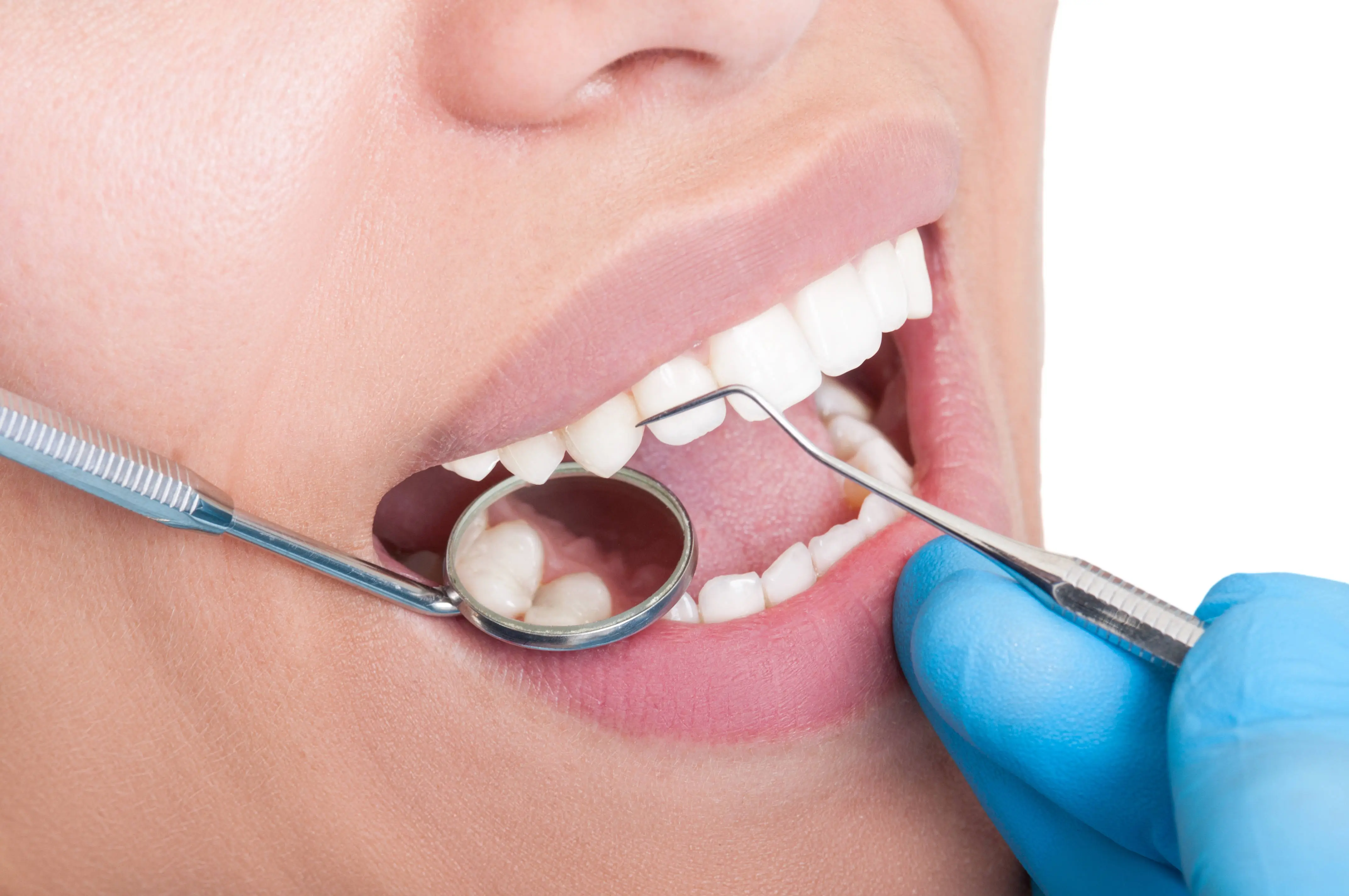
Thailand Root Canal After Filling Pain
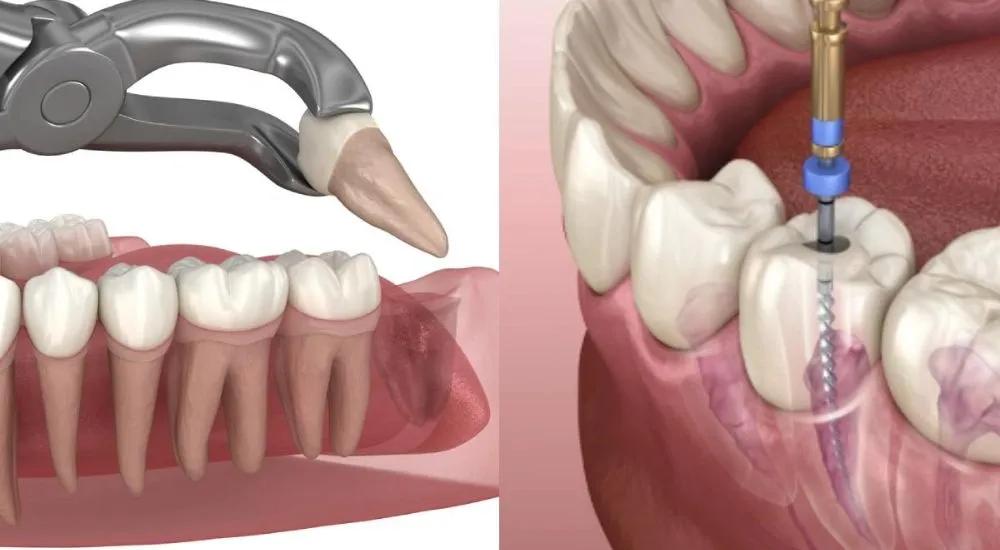
Thailand Root Canal After Filling Pain
**Thailand Root Canal After Filling Pain – What You Need to Know**
If you’ve recently had a dental filling in Thailand and are now experiencing discomfort, you’re not alone. Many people wonder why pain sometimes continues after a filling, and when it’s a sign that a root canal might be needed. Dental care in Thailand is known for being high-quality and affordable, but like anywhere else, sometimes a filling is only part of the solution. Let’s look at what’s going on, why it happens, and how you can address it.
---
### Understanding Dental Fillings and Pain
A dental filling is meant to fix damage caused by tooth decay. Dentists in Thailand use modern equipment and materials, often offering options like composite resin (tooth-colored) or amalgam fillings. After the procedure, it’s normal to have some sensitivity to temperature or pressure for a few days. However, if the pain lingers beyond a couple of weeks or gets worse, it could be a sign the tooth’s nerve has been affected.
This is where root canal treatment might come into the conversation. A filling fixes the outer structure of the tooth, but if decay has reached deep inside to the pulp — the soft tissue containing nerves and blood vessels — a root canal is sometimes the only way to fully resolve the problem.
---
### Common Reasons for Pain After a Filling
1. **Inflammation of the Nerve**
Even if the cavity was cleaned thoroughly, working close to the nerve can cause irritation. This inflammation may settle with time, but if the pulp is severely damaged, the pain can persist.
2. **High Bite Pressure**
In Thailand, dentists usually check your bite after a filling with carbon paper, but small adjustments are sometimes needed. If the new filling is slightly higher than your natural bite, chewing can put extra pressure on the tooth, causing soreness.
3. **Deep Decay Close to the Pulp**
If decay was advanced, bacteria might have already reached the pulp before treatment. Initially, you may feel better, but infection inside the tooth can cause continuous discomfort, leading to the need for a root canal.
4. **Cracks or Hidden Decay**
Sometimes an X-ray before filling might miss a tiny crack or deeper damage. As a result, the tooth may still hurt even after being filled.
---
### When a Root Canal Is Necessary
Dentists in Thailand will normally try conservative treatment first, but signs that a root canal may be required include:
- **Sharp pain when biting or chewing** that doesn’t improve
- **Lingering sensitivity** to hot and cold for more than a few minutes
- **Swelling** around the affected tooth or nearby gums
- **Pain spreading** to the jaw or ear area
A root canal in Thailand involves removing the infected or inflamed pulp, cleaning out the root canals, and sealing them to prevent future infection. Modern clinics often use rotary instruments and digital X-rays, making the process faster and more comfortable.
---
### The Exp
erience of a Root Canal in Thailand
One of the reasons Thailand has become a dental tourism hub is the combination of advanced technology and friendly service. Whether you’re in Bangkok, Chiang Mai, or Pattaya, many clinics treat both locals and foreigners, and English-speaking dentists are easy to find.
Root canal treatment typically takes one to three visits, depending on complexity.
- **First visit:** Cleaning out the damaged pulp and applying medication if needed
- **Second visit:** Shaping and disinfecting the canal, then filling it
- **Final step:** Placing a crown if the tooth structure is weakened
Prices are generally more affordable compared to Western countries, and quality is on par with international standards.
---
### How to Manage Pain Before and After Treatment
If you’re still deciding whether you need a root canal, you can take steps to manage discomfort:
- **Avoid hard foods** on the affected tooth
- **Use a soft toothbrush** to reduce irritation
- **Rinse with warm salt water** to keep the area clean
- **Take over-the-counter pain relievers** as recommended by a dentist
In Thailand, pharmacies are widely available, and pharmacists often speak English. They can guide you on safe medications while you arrange a dental visit.
---
### Preventing Future Issues
Good oral care is the best way to avoid repeat problems. In Thailand, routine dental check-ups are affordable, and many clinics offer promotions for cleaning and exams. Here are some tips:
- Brush twice a day with fluoride toothpaste
- Floss daily to remove food particles between teeth
- Limit sugary snacks and drinks, especially Thai iced tea or sweet desserts
- Get a professional cleaning every six months
---
### Why Quick Action Matters
Pain after a filling can be frustrating, especially if you thought the issue was solved. But ignoring symptoms might allow infection to spread, eventually leading to swelling or even tooth loss. The sooner you visit a dentist, the better your chance of saving the natural tooth through a root canal or other treatment.
Thailand’s dental system offers quick appointments, even for walk-in patients. This means you can often see a dentist the same day your pain becomes unbearable, saving you time and reducing stress.
---
### Final Thoughts
A filling aims to repair and protect your tooth, but sometimes deeper problems remain. If you’re in Thailand and experiencing pain after a filling, don’t delay seeking proper care. Local dentists have the skills, tools, and experience to identify whether your discomfort is temporary or if a root canal might be necessary.
Taking action early not only preserves your dental health, but also ensures you can continue enjoying Thailand’s food, lifestyle, and smiles without pain holding you back. When it comes to oral health, prompt treatment, regular check-ups, and a bit of extra care after dental work can make all the difference.
---