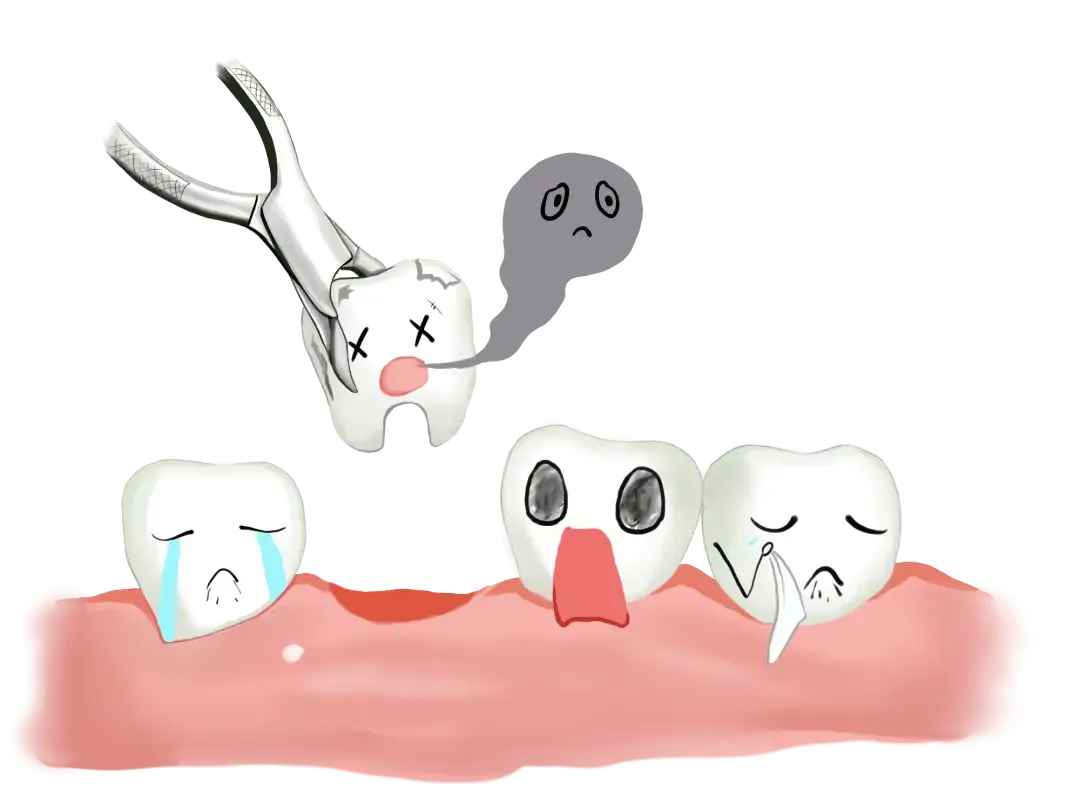
Thailand Root Canal for Deep Cavities
**Thailand Root Canal for Deep Cavities**
When a toothache turns into something more serious, many people in Thailand find themselves facing the possibility of a root canal. Deep cavities, if left untreated, can cause infections inside the tooth that may not only be painful but can also affect your overall health. In Thailand, dental care has become increasingly advanced, offering high-quality root canal treatments that combine professional techniques with a warm, patient-friendly approach.
### Understanding Deep Cavities and Why They Matter
A cavity starts when bacteria in your mouth produce acids that wear away the enamel. At first, it might just be a small hole on the surface of the tooth. But if you ignore it, the decay can spread deeper, reaching the pulp — the soft inner part containing nerves and blood vessels. Once the pulp is infected, the discomfort can be intense, often leading to sensitivity, swelling, or constant pain.
In Thailand, dentists often remind patients that pain is a warning sign. Instead of waiting for the pain to go away, it’s better to get checked early. If the decay has reached the pulp, the recommended treatment is usually a root canal to save the tooth from extraction.
### What Is a Root Canal?
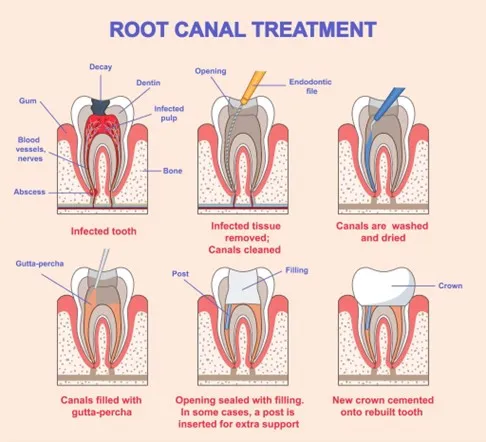
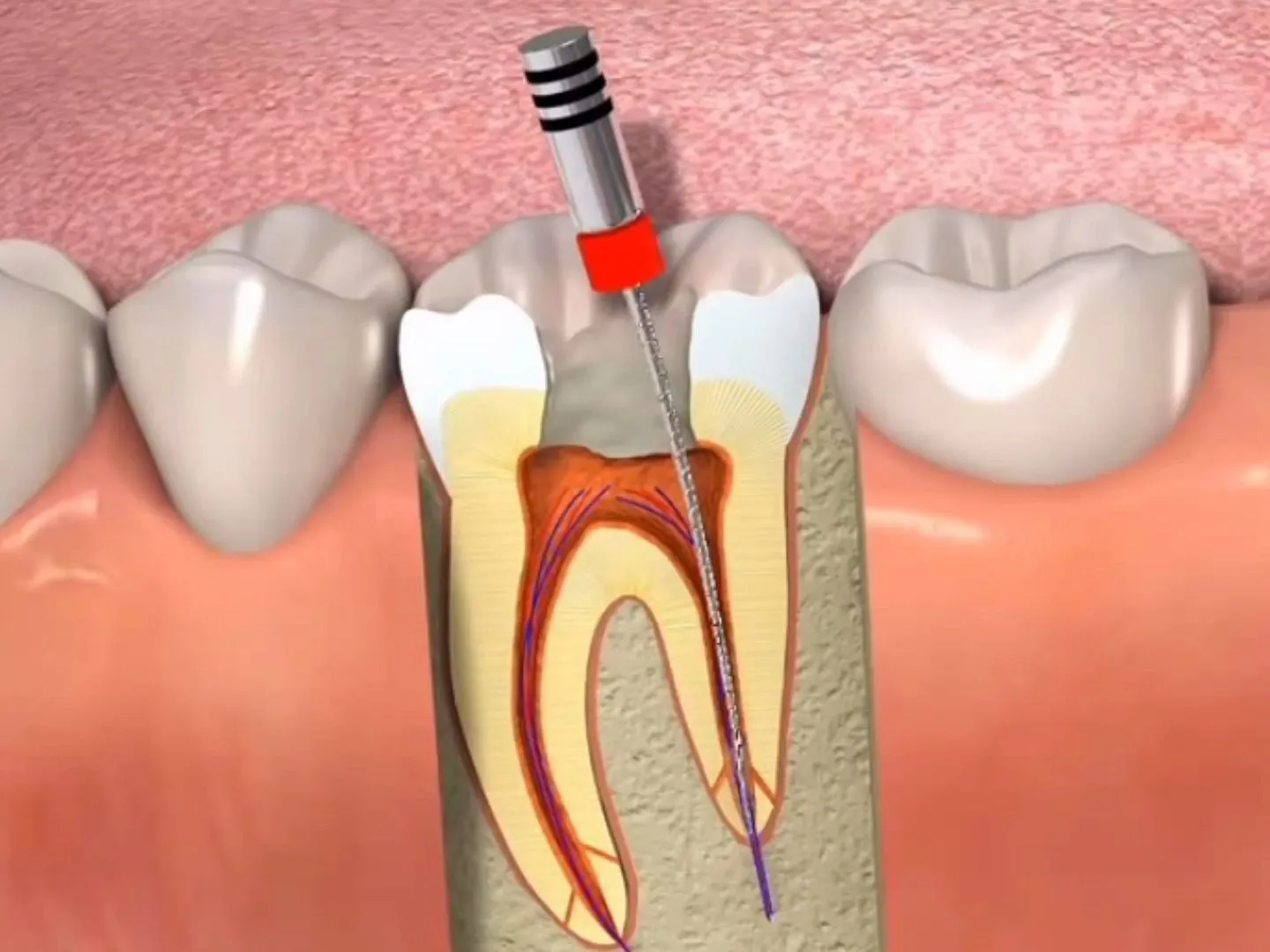
A root canal is a dental procedure that removes the infected pulp from inside the tooth, cleans the canal thoroughly, and seals it to prevent future infection. This allows you to keep the natural tooth structure and maintain proper chewing function. In Thai dental clinics, root canal treatments are done with modern technology like digital X-rays and rotary instruments, making the process smoother and more comfortable for patients.
### The Step-by-Step Process in Thailand
If you are getting a root canal here, the procedure will generally follow a series of steps:
1. **Diagnosis** – The dentist uses X-rays and an oral exam to locate the exact area of decay and infection.
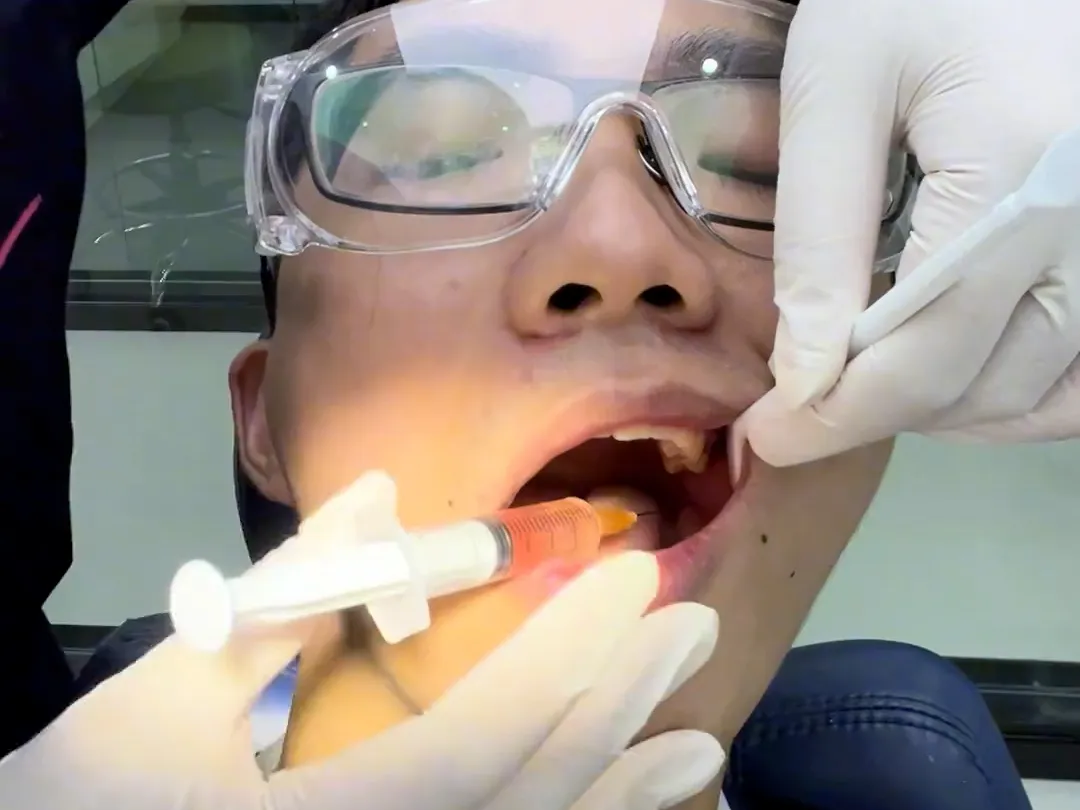
2. **Anesthesia** – Local anesthesia is given to ensure the process is painless. Thai dentists often reassure patients throughout the treatment to keep anxiety low.
3. **Cleaning Out the Pulp** – The dentist makes a small opening in the tooth and carefully removes the damaged pulp.
4. **Shaping the Canal** – Special tools are used to clean and shape the canals to prepare them for filling.
5. **Sealing the Tooth** – A biocompatible material is placed inside to seal the canal, preventing bacteria from entering.
6. **Restoration** – Finally, a crown or filling is placed to restore full function and protect the tooth structure.
### Why Many Patients Choose Thailand for Root Canals
Thailand has become a popular destination for dental treatments, not only for locals but also for visitors from other countries. Here’s why:
- **Qualified Dentists** – Many Thai dentists have international training and specialize in endodontics (root cana
l therapy).
- **Reasonable Costs** – Compared to Western countries, root canal treatment in Thailand can be more affordable while still meeting high standards.
- **Modern Facilities** – Clinics in Bangkok, Chiang Mai, Phuket, and other cities are equipped with advanced technology.
- **Friendly Care** – Thai culture values hospitality, and dentists often take time to explain each step to patients in a way that feels reassuring.
### How to Know if You Need a Root Canal
It’s common in Thailand for dentists to educate patients about early signs of trouble. If you experience:
- Strong tooth pain that doesn’t go away
- Sensitivity to hot or cold food
- Swelling around the gum
- Discomfort when chewing
- Darkening of the tooth
…then it’s best to visit a dental clinic quickly. Prompt treatment can prevent complications and help you avoid tooth extraction.
### Recovery and Aftercare
After a root canal in Thailand, most patients can return to normal activities within a day. Mild soreness can occur, but over-the-counter pain relief is usually enough. Dentists recommend avoiding hard or sticky foods until the permanent crown is fitted. Good oral hygiene — brushing twice daily, flossing, and regular dental check-ups — is essential to keep your teeth healthy and prevent future cavities.
### Preventing Deep Cavities in the Future
Even though root canal treatments are effective, prevention is always better. In Thailand, dental professionals often encourage:
- Regular professional cleaning every 6 months
- Using fluoride toothpaste to strengthen enamel
- Reducing sugary snacks and drinks
- Drinking plenty of water to wash away food particles
- Avoiding the habit of ignoring minor toothaches
By paying attention to your oral health, you can enjoy the delicious Thai cuisine — from spicy tom yum soup to sweet mango sticky rice — without worrying about tooth pain.
### Choosing the Right Clinic for Root Canal Treatment
When selecting a clinic in Thailand, consider the dentist’s qualifications, patient reviews, and clinic facilities. Many clinics welcome international patients and offer services in English, making communication easier. Advanced clinics may also offer sedation options for patients who feel nervous, ensuring the experience is as stress-free as possible.
### Final Thoughts
Deep cavities are a serious dental problem, but with timely root canal treatment, you can save your tooth and continue living comfortably. Thailand offers skilled dentists, modern technology, and a caring environment that makes dental care much less intimidating. Whether you live here or are visiting, knowing where to find professional root canal services can make all the difference.
By acting early and choosing quality treatment, you can protect your smile — and enjoy every bite of your favorite Thai food without discomfort.
---
 collect
Hospitals included




Products included




Suggested reads