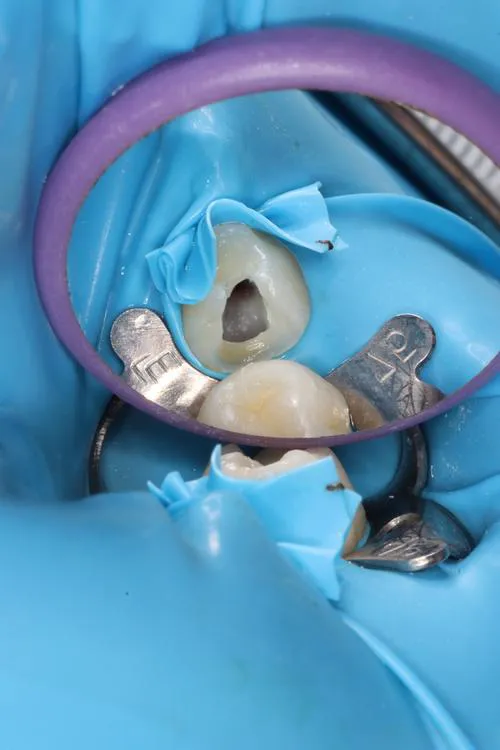
Thailand Root Canal for Tooth Trauma
**Thailand Root Canal for Tooth Trauma**
When it comes to dental care in Thailand, one of the most common treatments offered for severe tooth damage is the root canal. This procedure is especially important for people who have suffered tooth trauma—whether from an accident, sports injury, or biting into something hard. In Thailand, root canal therapy is well known not only for its high professional standard, but also for its affordability compared to many Western countries. Let’s explore why this treatment is often recommended, how it works, and what you can expect if you choose to have it done in Thailand.
---
### Understanding Tooth Trauma and When a Root Canal is Needed
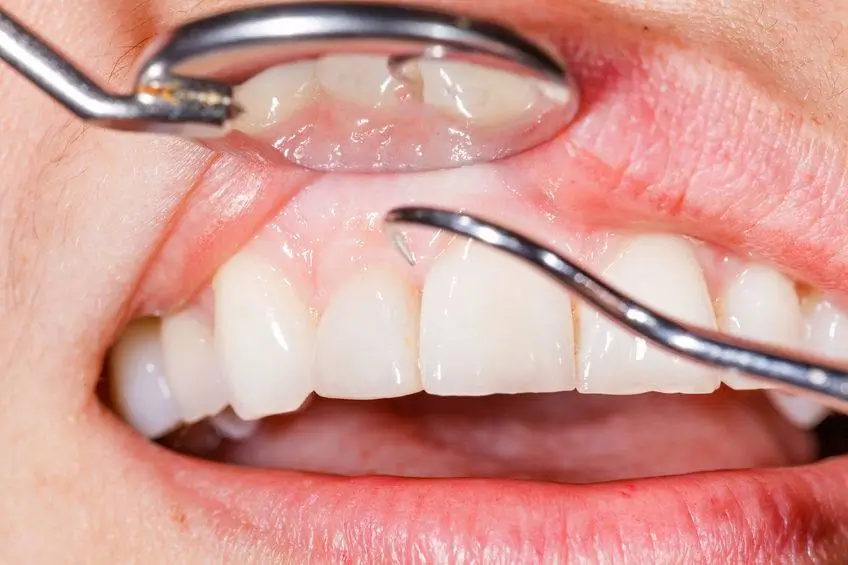
Tooth trauma can happen suddenly. Maybe you were enjoying some spicy som tum and bit into an unexpected piece of crab shell, or maybe you fell off your motorbike while navigating Bangkok’s busy streets. Whatever the cause, if the inner pulp of your tooth is damaged, you may experience pain, swelling, or sensitivity to hot and cold. In many cases, the tooth may look fine on the outside, but inside, the pulp—made up of nerves and blood vessels—could be inflamed or infected.
Dentists in Thailand often recommend a root canal when the pulp cannot heal on its own. Without treatment, the infection could spread, leading to tooth loss or even affecting overall health. A root canal removes the damaged pulp, cleans the inside of the tooth, and seals it to prevent future problems.
---
### The Root Canal Process in Thailand
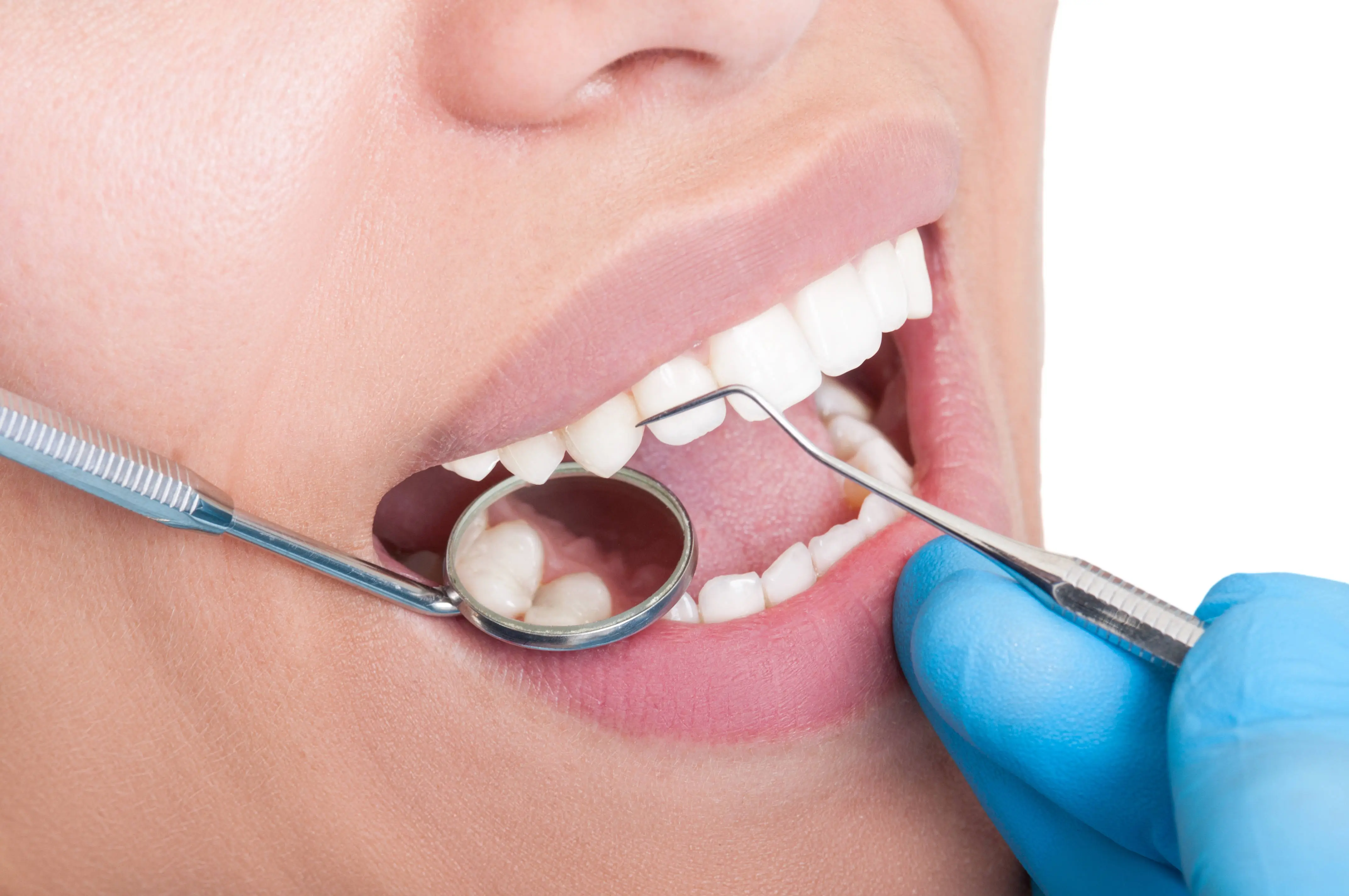
Thai dental clinics follow international standards for root canal procedures, especially in well-known dental hubs like Bangkok, Chiang Mai, and Phuket. Here’s what you can expect from the process:
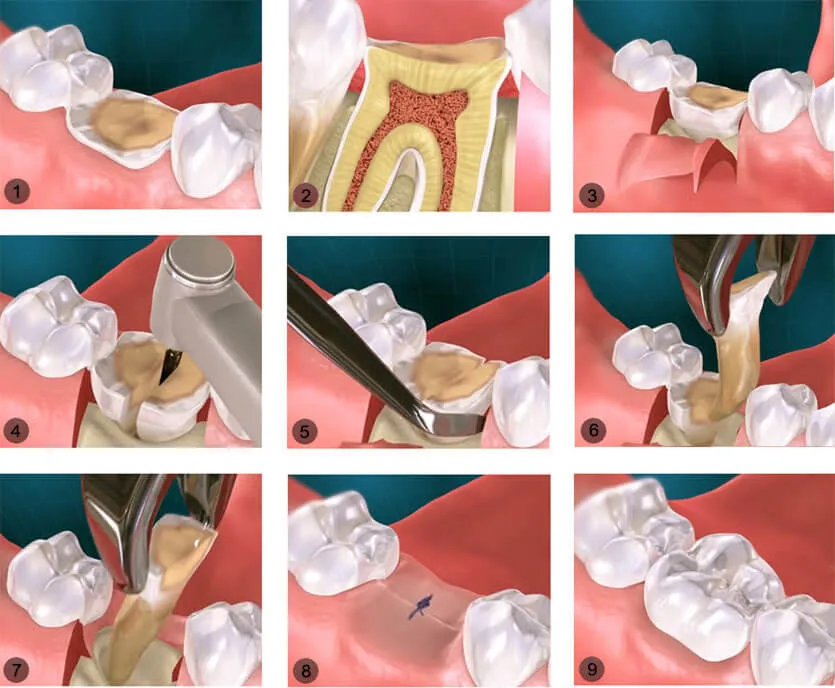
1. **Consultation and X-ray**
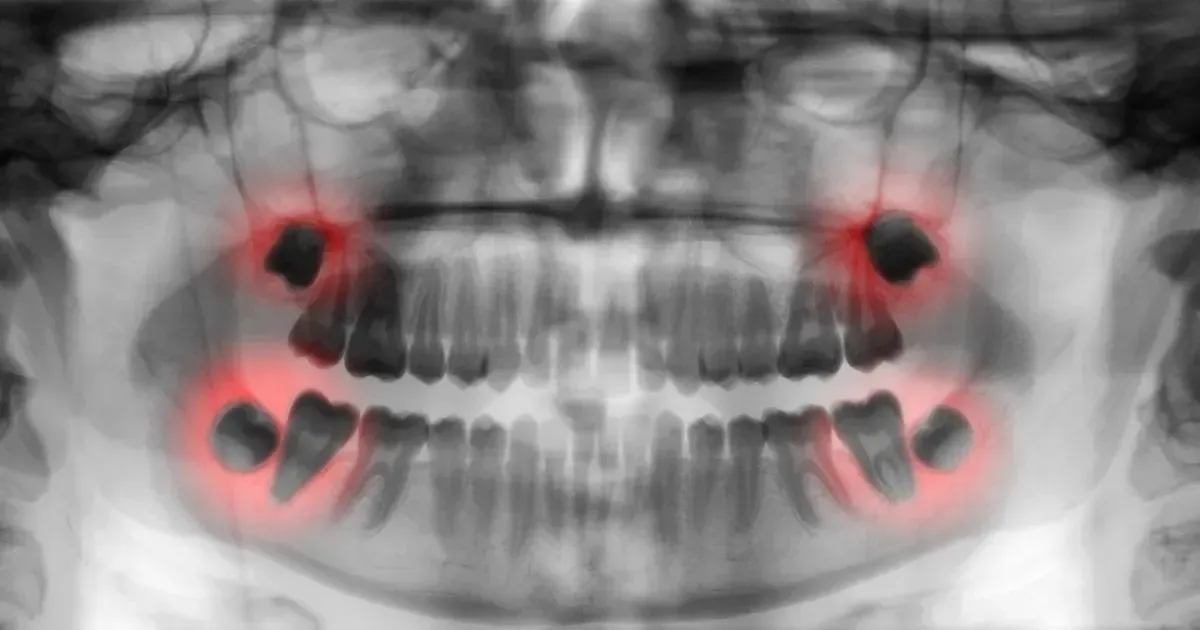
You will first meet with the dentist, who will examine the injured tooth and take X-rays to understand the extent of the damage. Many Thai dentists explain the procedure step by step, making sure patients feel comfortable and informed.
2. **Local Anaesthesia**
Root canals are generally painless thanks to modern anaesthesia. Your dentist will numb the area so you won’t feel discomfort during the treatment.
3. **Pulp Removal and Cleaning**
Using precision tools, the dentist removes the damaged or infected pulp. The inside of the tooth is then thoroughly cleaned and disinfected.
4. **Sealing the Tooth**
After cleaning, the space inside the tooth is filled with a special material—usually gutta-percha—to prevent bacteria from entering.
5. **Restoration**
In most cases, a crown is placed over the tooth to protect it and restore full function. Thai dental labs are known for producing durable crowns, often using high-quality ceramic or porcelain.
---
### Why Thailand is a Popular Choice for Root Canal Therapy
**1. Skilled Dentists**
Thailand has a strong reputation for dental expertise. Many dentists have studied abroad, in countries like Australia, the USA, or the UK, and bring back advanced techniques

to local clinics.
**2. Advanced Technology**
Modern Thai dental clinics are well equipped with digital X-rays, rotary endodontic systems, and microscope-assisted treatments, ensuring precise results for root canal therapy.
**3. Affordable Prices**
The cost of a root canal in Thailand is significantly lower than in many Western countries, without compromising on quality. This makes the country an attractive destination for dental tourism.
**4. Warm Hospitality**
Thai dentists and clinic staff are known for their gentle, patient-centered approach. They understand that dental treatment can be stressful and make every effort to create a welcoming atmosphere.
---
### Recovery and Aftercare in Thailand
After your root canal, you may feel minor tenderness for a few days. Dentists will usually recommend avoiding particularly hard or sticky foods—so maybe skip that sticky rice dessert until your tooth fully heals. If you received a temporary crown, you’ll need to return for the permanent crown within the specified time.
Thailand’s clinics often provide a detailed aftercare plan, which might include:
- Using a soft toothbrush and gentle brushing technique.
- Rinsing with antiseptic mouthwash.
- Taking prescribed antibiotics or pain relievers if recommended.
- Scheduling follow-up visits to check healing progress.
---
### Prevention Tips to Avoid Tooth Trauma
While accidents cannot always be avoided, you can take steps to reduce the risk of tooth injury and the need for a root canal:
- Wear a mouthguard during sports activities.
- Be cautious when eating hard foods like crispy pork or dried shrimp.
- Avoid using your teeth to open packaging or crack nuts.
- Maintain regular dental check-ups—even if you feel no pain.
---
### Dental Tourism: Combining Treatment with Travel
For visitors, having a root canal in Thailand offers the unique advantage of combining treatment with a tropical holiday. Many patients schedule their procedure and then spend recovery time enjoying gentle activities—perhaps a trip to a floating market, a temple visit in Chiang Mai, or a relaxing beach stay in Phuket. Since most dental treatments require only short appointments, you can easily fit them into your travel itinerary.
---
### Conclusion
Tooth trauma can be both painful and worrying, but with Thailand’s professional dental care and accessible treatment prices, a root canal can save your tooth and restore comfort. Whether you are a local resident or a visitor seeking quality treatment, Thai dentists offer a blend of international expertise, modern technology, and warm hospitality. By addressing tooth trauma quickly and following your dentist’s aftercare guidance, you can protect your dental health for years to come.
If you ever find yourself with a damaged tooth in Thailand, don’t wait until the pain gets worse—visit a trusted dental clinic and consider root canal therapy as a reliable, effective solution. Your smile will thank you.
 collect
Hospitals included




Products included


Suggested reads