Thailand Root Canal Tooth Strengthening Tips
Thailand Root Canal Tooth Strengthening Tips
**Thailand Root Canal Tooth Strengthening Tips**
Root canal treatment is a common dental procedure in Thailand, especially in busy cities like Bangkok, Chiang Mai, and Phuket where quality dental care is easily accessible. Many locals and expats choose root canal therapy to save a tooth instead of having it extracted. However, once the treatment is done, the real work begins—keeping that tooth strong for the long term. If you’ve recently had a root canal in Thailand, these practical and culturally familiar tips will help you maintain a healthy, confident smile.
---
### Understanding Your Root Canal
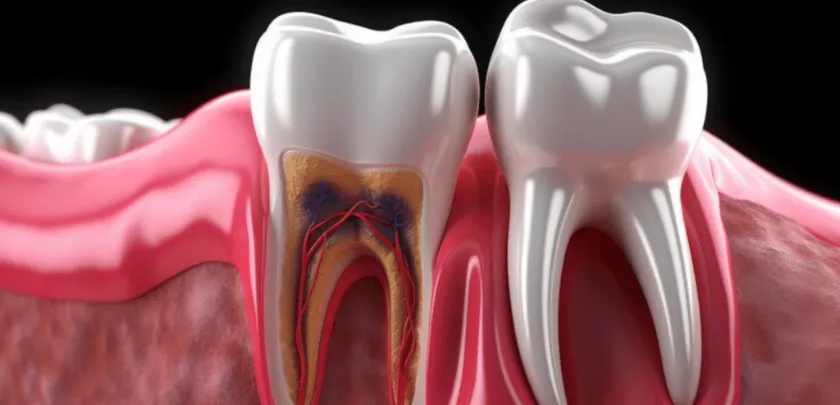
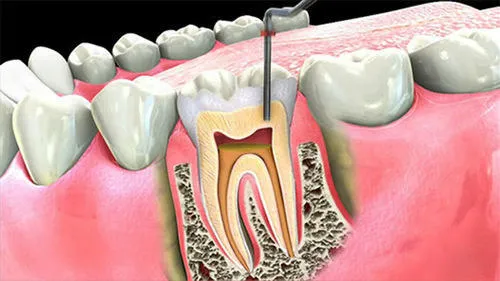
A root canal in Thailand works the same way as anywhere else—it removes infected pulp inside the tooth, cleans the canal, and seals it to prevent further damage. Thai dentists often explain it in simple terms: “We clean inside, remove the problem, and protect the tooth.” The good news is, once treated, the tooth can last for years, sometimes even decades, as long as you care for it properly.
However, a tooth that has undergone root canal therapy is more fragile than a healthy tooth. This is because it no longer has living pulp to nourish it, and the structure may be weakened from decay or drilling. That’s why strengthening it afterward is not only smart—it’s necessary.
---
### 1. Get a Crown as Soon as Possible
In Thailand, dentists often recommend placing a dental crown over a root canal tooth quickly—sometimes within one to two weeks after the procedure. The crown acts like a protective helmet, safeguarding the tooth from cracks and breakage.
Crowns come in different materials:
- **Porcelain fused to metal** – Strong and common in Thai clinics.
- **Full porcelain or ceramic** – Natural-looking, often chosen for front teeth.
- **Zirconia** – Durable and popular with patients seeking a long-term solution.
If you delay getting the crown, the tooth remains vulnerable. Even biting into something as simple as sticky rice or a crunchy mango can cause damage.
---
### 2. Practice Gentle Chewing at First
Thai street food is irresistible, but after a root canal, ease back into your favorites. Avoid chewing hard foods—like dried squid, deep-fried pork, or crispy snacks—on the treated side. Instead, go for softer options such as steamed fish, ripe papaya, or boiled vegetables until your crown is in place.
This gradual approach is a tip many Thai dentists give: “Let the tooth rest before it works full-time again.”
---
### 3. Keep Up Excellent Oral Hygiene
Even though the root canal tooth can no longer feel pain, it still needs protection from bacteria. Brush twice a day with a fluoride toothpaste, and floss at least once daily. In Thailand, many people also use mouthwash in the evenings, especially after eating sweet desserts like mango sticky rice.
Pay extra attention to the gum area around the treated tooth. Healthy gums mean better stability and lower risk of reinfection.
---
### 4. Maintain Regular Dental Visits
In Thai
land, it’s common to visit the dentist every six months for a check-up. This habit is especially important after a root canal. Your dentist will monitor for:
- Signs of wear on your crown
- Gum health changes
- Possible cracking or leakage around the seals
Regular visits can also help detect related issues early. For example, if your bite changes slightly, your dentist can adjust it to prevent excess pressure on the restored tooth.
---
### 5. Watch What You Eat and Drink Long-Term
Thai cuisine is rich in flavors, but certain items can weaken your dental work over time. Limit foods and drinks that are overly sticky, excessively sugary, or very hard. For example:
- Reduce chewing betel nut (still practiced in some rural areas) as it can stain and damage teeth.
- Avoid biting ice cubes in iced coffee or Thai milk tea.
- Be mindful of high-sugar snacks during festival seasons like Songkran or Loy Krathong.
Instead, choose tooth-friendly snacks such as fresh fruit, yogurt, and unsalted cashews.
---
### 6. Protect Your Teeth During Sports or Night Grinding
If you enjoy sports like Muay Thai, football, or even beach volleyball, protect your teeth. A sports mouthguard is an inexpensive investment that can prevent sudden impact damage.
Similarly, if you grind your teeth at night—a habit many people develop unknowingly—ask your Thai dentist about a night guard. Grinding puts extra strain on teeth, and a root canal tooth can be more likely to crack under that pressure.
---
### 7. Balance Traditional Remedies with Modern Care
In Thailand, herbal rinses or chewing certain leaves like guava or clove may be believed to help with oral health. While these can be refreshing and sometimes reduce bacteria, they shouldn’t replace modern dental care. Think of them as supportive measures rather than a full solution. Your crown, hygiene routine, and professional check-ups are still the main defense.
---
### 8. Avoid Delaying Treatment for Problems
If you notice changes such as swelling, sensitivity in nearby teeth, or loosening of your crown, see a dentist as soon as possible. Thai dental clinics, especially in big cities, often offer same-day appointments for urgent cases.
Ignoring symptoms can lead to bigger issues like reinfection or abscesses, and the sooner they’re addressed, the easier they are to fix.
---
### Final Word
A root canal doesn’t mean the end of your tooth—it means a fresh start. With the right strengthening steps, going to the dentist in Thailand can be a smooth, positive experience, whether you live here or are just visiting.
Keep in mind:
- Protect the tooth with a crown.
- Chew gently until it’s fully restored.
- Maintain strict daily oral hygiene.
- Visit your dentist regularly.
- Be mindful about your diet and habits.
By following these simple but effective tips, you can enjoy your favorite Thai meals and smile with confidence, knowing your root canal tooth is well-protected for years to come.
---