Thailand Root Canal Cleaning Tools Explained
**Thailand Root Canal Cleaning Tools Explained**
When it comes to oral health, many people in Thailand today are becoming more aware of advanced dental treatments. One of these treatments, the root canal, has gained much attention due to its effectiveness in saving damaged teeth. If you’ve ever heard a Thai friend say they need “รักษารากฟัน” (root canal therapy), you might wonder what actually happens during that process, and more importantly, what tools are used. In this article, we’ll explain in simple terms the different root canal cleaning tools used in Thailand, so you can understand what’s going on inside your mouth during this common dental procedure.
### Why Root Canal Cleaning Is Important
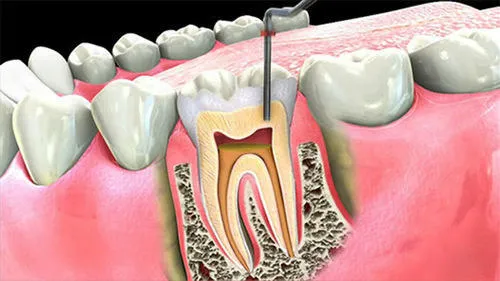
A root canal is not just about removing pain — it’s about saving your tooth. Inside each tooth is a soft tissue called the pulp, which contains nerves and blood vessels. When this pulp becomes infected due to decay, cracks, or injury, it can cause severe pain and swelling. If left untreated, the infection can spread, and the tooth might need to be removed. Root canal cleaning tools are used to remove the infected pulp carefully, clean the inside of the tooth, and make sure bacteria have no place to hide.
In Thailand, dentists follow strict hygiene and sterilization protocols according to the Ministry of Public Health and international dental standards. This means that every tool is properly cleaned and often disposable for single use, to ensure patient safety.
### Main Root Canal Cleaning Tools Used in Thailand
Root canal tools can be divided into a few main groups. While each dentist may have personal preferences and adopt new technologies, these are the most common tools you’ll find in Thai dental clinics.
#### 1. **Endodontic Hand Files**
These small, thin files look like tiny metal sticks with spiral grooves. Dentists use them to physically remove infected tissue inside the root canal. In Thailand, both stainless steel and nickel-titanium (NiTi) files are used. NiTi files are more flexible, which makes them ideal for teeth with curved roots — something common among Thai patients. These files are inserted into the root canal and rotated gently to scrape away diseased tissue and shape the canal for proper filling.
#### 2. **Rotary Instruments**
Instead of manual turning, some Thai dentists use rotary tools powered by small dental motors. These make the cleaning process faster and often more consistent, reducing time in the dental chair. The rotating motion also helps in shaping canals evenly, which is important for preventing future reinfection. Many clinics in Bangkok, Chiang Mai, and Phuket invest in these devices to provide more comfortable treatment for patients.
#### 3. **Irrigation Syringes and Tips**
Root canal cleaning is not just mechanical — fluid cleaning is equally important. Dentists use special syringes with thin tips to flush disinfectant solutions inside the canals. In Thailand, solutions like sodium hypochlorite or chlorhexidine are commonly used because they kill bacteria effectively. This flushing step removes small debris and ensures no microscopic infection remains.
#### 4. **Electronic Apex Locators**
One key challenge in root canal treatment is determining the exact length of the canal. An apex locator is a small electronic device that measures resistance inside the tooth to locate the root tip accurately. Thai dentists often combine
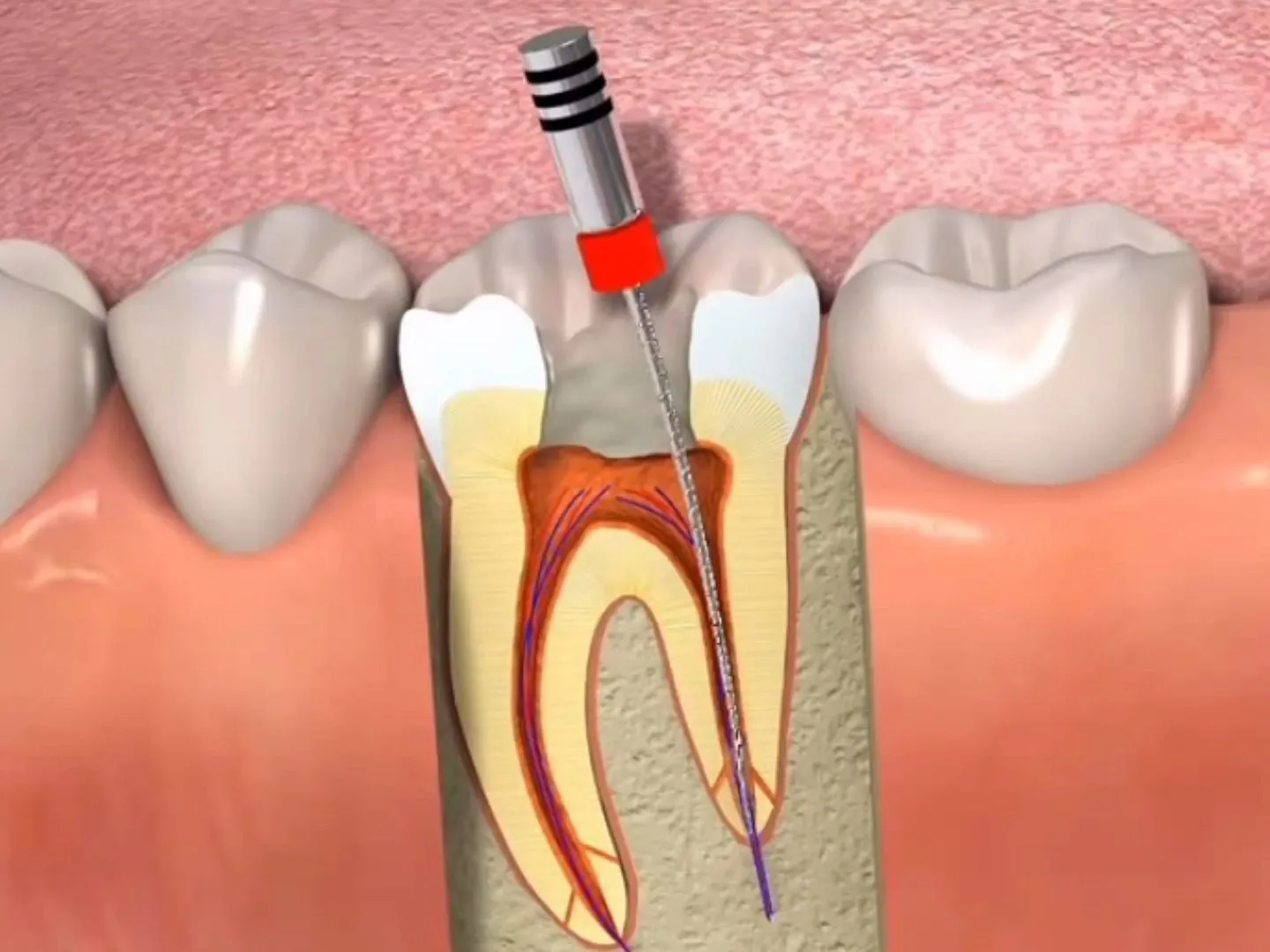
this with X-rays to get precise measurements, meaning they can clean the entire canal without over- or under-filing.
#### 5. **Magnification Tools**
Good visibility is crucial for success. Many modern clinics in Thailand use dental loupes (special magnifying glasses) or even dental microscopes to see the fine details inside a tooth. This allows dentists to find hidden canals or tiny cracks that could cause problems later.
#### 6. **Disposable Absorbent Points**
After cleaning and irrigation, dentists use absorbent paper points to dry the canal completely. In Thailand, these are single-use items to maintain hygiene standards. A completely dry canal ensures that the filling materials bond correctly.
### Safety and Technology in Thai Dental Clinics
Thailand’s dental care industry has developed rapidly over the past two decades. Apart from basic hand tools, many clinics have adopted digital imaging, computer-assisted design, and advanced sterilization technology. Patients visiting well-known Bangkok clinics or respected provincial hospitals often notice how clean and organized dental workspaces are, and how carefully dentists change gloves and open new tool packs.
### What to Expect as a Patient
If you are scheduled for a root canal treatment in Thailand, the process will usually follow these steps:
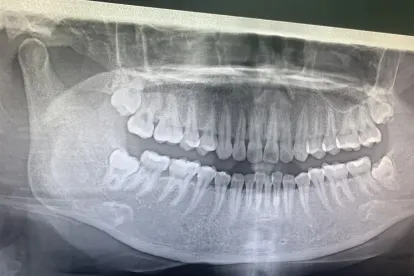
1. **Diagnosis and X-ray** – The dentist checks your tooth and takes X-rays for planning.
2. **Local anesthesia** – Your tooth and surrounding area are numbed.
3. **Access opening** – The dentist makes a small hole to access the pulp chamber.
4. **Cleaning with files and irrigation** – Using hand files, rotary instruments, and irrigating fluids, the dentist removes all infected pulp.
5. **Drying and shaping** – Absorbent points are used to dry the canal, and shaping tools prepare it for filling.
6. **Filling and sealing** – The cleaned canal is filled, usually with gutta-percha material, and sealed to prevent bacteria from entering.
7. **Restoration** – Finally, the dentist restores the tooth with a crown or filling for strength.
### Choosing the Right Clinic in Thailand
Because root canal treatment is a delicate procedure, it’s worth choosing a clinic with modern tools, experienced endodontists, and good patient reviews. In Thailand, many people check ratings online or ask friends for recommendations before booking an appointment. Provinces like Chiang Mai, Khon Kaen, and Surat Thani have clinics with high-quality equipment similar to those in Bangkok but often at lower prices.
### Final Thoughts
Root canal cleaning tools might seem intimidating, but they are simply precision instruments designed to save your tooth and protect your health. Thailand’s dental industry has invested heavily in advanced tools, whether it’s hand files for delicate shaping, irrigation syringes for thorough cleaning, or electronic devices for precise measurements.
By understanding what these tools do, you can feel more confident and informed during your dental visits. Whether you are a local resident or visiting Thailand for dental tourism, knowing how root canal cleaning works — and the instruments involved — makes the experience far less mysterious and much more reassuring.
If you’re facing tooth pain and suspect you might need a root canal, consult a reputable Thai dentist. With the right tools and skills, they can help keep your bright smile healthy for years to come.
 collect
Hospitals included




Products included



Suggested reads