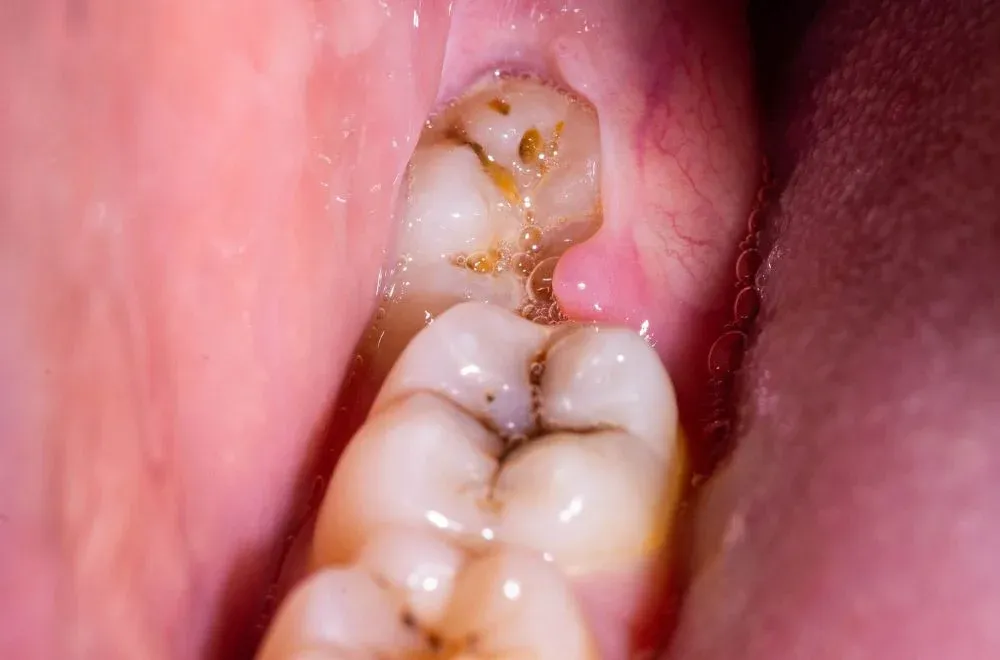
Thailand Root Canal Pain Management Options
**Thailand Root Canal Pain Management Options**
If you’ve ever had a toothache that kept you awake at night, you’ll know how quickly dental pain can disrupt your life. In Thailand, one of the most common and effective ways to treat severe tooth decay or infection is through a root canal. But even though it’s a routine dental procedure, many patients still worry about one thing – pain.
The good news is that modern dentistry in Thailand offers several pain management options before, during, and after a root canal, making the process far more comfortable than most people imagine. Whether you visit a local clinic in Bangkok or a specialist in Chiang Mai, you can find professional care that focuses on keeping you relaxed and pain-free throughout the treatment.
---
### Understanding Root Canal Treatment in Thailand
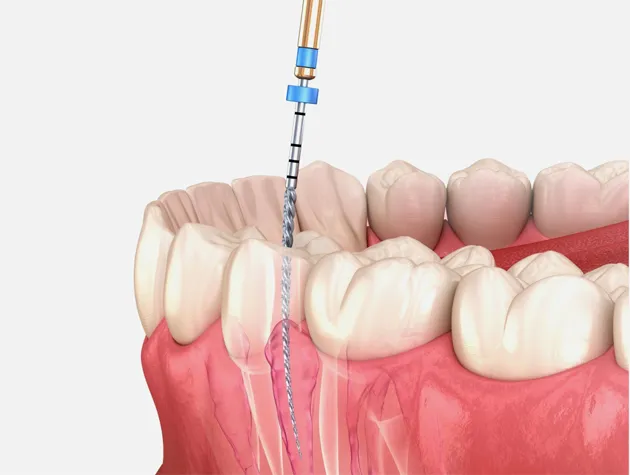
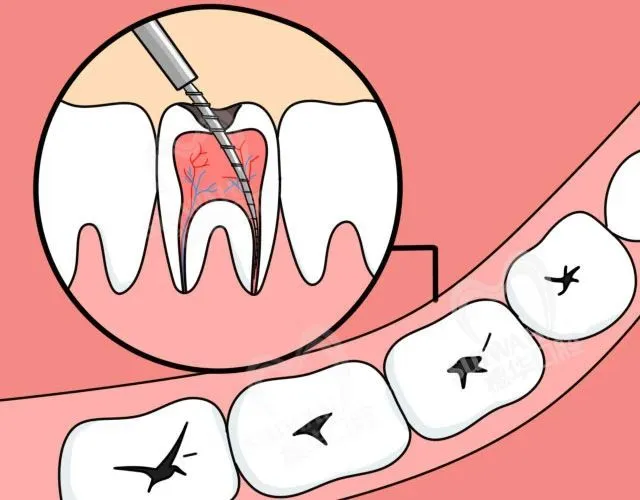
A root canal is a dental procedure that removes infected or damaged tissue from inside a tooth. After cleaning the canal, the dentist seals it to prevent further problems. This is often necessary when tooth decay has reached the pulp or when infection has set in.
In Thailand, root canals are performed by general dentists as well as endodontists (specialists in root canal treatment). Many clinics, whether in busy urban areas or smaller provinces, use advanced equipment such as digital X-rays and rotary tools to make the process smoother and more precise.
Pain management plays a big role in ensuring patients stay comfortable from start to finish. Thai dental professionals often take a patient-first approach, explaining each step in simple terms and offering different options depending on your needs.
---
### Pain Management Before the Root Canal
**1. Local Anesthesia**
Before the procedure begins, the dentist will administer a local anesthetic to numb the affected tooth and surrounding gums. This is the most common method across Thailand, and it works quickly to block pain signals to the brain. You’ll likely feel pressure during the treatment but not sharp pain.
**2. Sedation Dentistry**
For patients who feel anxious or fear dental procedures, some clinics offer sedation options. Mild oral sedation or nitrous oxide (“laughing gas”) can help you feel calm and less aware of the process. Although not every dental clinic in Thailand provides sedation, it is more commonly available in larger cities and dental hospitals.
**3. Pain and Anxiety Discussion**
Many Thai dentists spend extra time talking to patients before starting. They explain how the anesthesia works, what sensations to expect, and how long the numbness will last. This open, friendly communication helps reduce fear and makes the whole process feel more manageable.
---
### Pain Control During the Root Canal
**Advanced Tools and Techniques**
In Thailand, most modern clinics use rotary instruments for cleaning the canals. These are faster and more efficient than older manual tools, meaning less time in the dentist’s chair. Shorter treatment time naturally reduces discomfort.
**Numbness Monitoring**
Dentists ensure the anesthesia is still working during the procedure. If you feel anything more than pressure, they can pause and apply additional numbing injections. This commitment to patient comfort is a hallmark of good dental care in Thailand.
**Stress-Free Environment**
Many clinics play calm background music or offer amenities like neck pillows, ensu

ring both physical and mental comfort. The atmosphere can make a huge difference in how you perceive pain.
---
### Pain Management After the Root Canal
**1. Medication**
After the numbness wears off, it’s normal to feel mild soreness for a few days. Your dentist may prescribe pain relief medication or recommend over-the-counter options like ibuprofen, which you can easily find at local pharmacies.
**2. Anti-Inflammatory Care**
If swelling occurs, Thai dentists might advise a cold compress for the first 24 hours. You may also get antibiotics if there was a significant infection before the procedure. Completing the entire course is important to avoid further complications.
**3. Dietary Adjustments**
In Thailand, many dentists suggest eating soft foods for a few days after the treatment. Avoid very spicy, hot, or hard textures that could irritate the treated tooth. Dishes like soft-boiled rice or congee (jok) are popular, soothing options.
**4. Follow-Up Visits**
Clinics often arrange a check-up within a week or two to make sure healing is on track. If you notice unusual pain or swelling, contacting your dentist early ensures fast solutions.
---
### Tips for a More Comfortable Root Canal in Thailand
- **Choose an Experienced Dentist** – Check reviews and qualifications before booking. In bigger cities like Bangkok, Pattaya, or Phuket, you’ll find many clinics catering to local and international patients.
- **Communicate Openly** – Let your dentist know about any past painful dental experiences, or if you’re worried about pain. This helps them tailor their approach.
- **Don’t Delay Treatment** – Waiting can make the infection worse and increase discomfort later. Early action tends to be easier and less painful.
- **Follow Instructions Carefully** – Taking prescribed medication, avoiding certain foods, and keeping up with oral hygiene all help prevent post-treatment pain.
---
### Why Thailand Is a Good Choice for Comfortable Root Canal Care
Thailand is well known for its hospitality, and this extends to dental care. Whether you’re a local resident or an international visitor seeking treatment, you’ll likely find that dentists here focus strongly on patient comfort. Many clinics invest in modern equipment and ongoing training, which means procedures are efficient and gentle.
Prices in Thailand are also often more affordable compared to many Western countries, without sacrificing quality. Combined with the country’s warm approach to patient care, this makes managing root canal pain a much less stressful experience.
---
### The Bottom Line
Root canal treatment doesn’t have to be painful. In Thailand, patients benefit from a range of pain management options including effective local anesthesia, sedation where needed, modern tools, and aftercare focused on comfort and healing. From big city clinics to provincial dental offices, the emphasis is on gentle care and clear communication.
If you’re facing a root canal, remember that the temporary discomfort is worth the long-term relief. With skilled dentists, a friendly environment, and a treatment plan designed to reduce pain at every stage, you can protect your dental health without unnecessary stress.
By knowing your pain management options and choosing the right clinic, you can make your root canal experience in Thailand as smooth – and as comfortable – as possible.
 collect
Hospitals included




Products included

Suggested reads