Thailand Root Canal Procedure Walkthrough
**Thailand Root Canal Procedure Walkthrough**
If you’ve been told you need a root canal in Thailand, you might be feeling a little anxious. Don’t worry — dental care in Thailand is known for its high standards, friendly service, and affordable pricing compared to many other countries. Whether you live here or are visiting, understanding what happens during a root canal procedure can help you feel more confident and prepared.
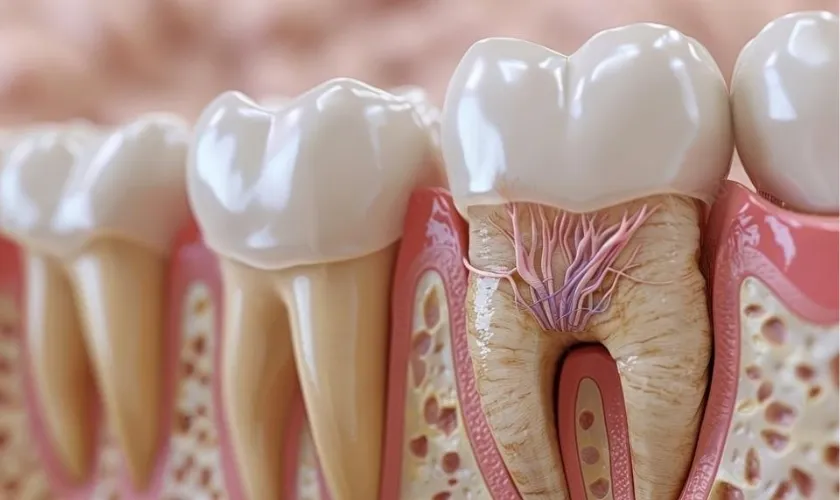
Root canal treatment is designed to save a tooth that has been badly damaged or infected. Instead of extracting the tooth, the dentist removes the infected pulp inside, cleans the area, and seals it to prevent future problems. In Thailand, this treatment is widely available in both private dental clinics and larger hospitals, often performed by specialists called endodontists.
---
### Step 1: Consultation and Diagnosis
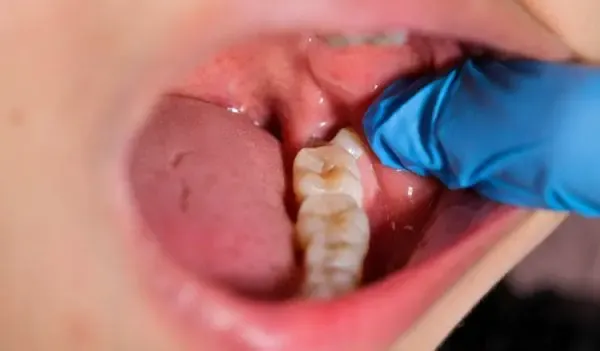
Your journey begins with a visit to a reputable dental clinic. In Thailand, it’s common for clinics to combine friendliness with efficiency. Upon arrival, you’ll usually fill out a short medical history form and explain your symptoms to the dentist. Common signs that lead people to seek a root canal include sharp tooth pain, sensitivity to hot or cold, swelling around the gums, or discomfort when biting down.
The dentist will carry out an examination and may take an X-ray to see the inside of your tooth. In many clinics, the X-ray process is done quickly right on-site. This allows the dentist to confirm whether the pulp — the inner soft tissue of the tooth — is infected or damaged. If the tooth can be saved, the dentist will recommend a root canal rather than removal.
---
### Step 2: Preparing for the Procedure
In Thailand, dentists are attentive about ensuring you are comfortable before starting. They’ll explain the process clearly in everyday language, so you understand each step. Local anesthesia is used to numb the area, meaning you’ll feel no pain during the procedure.
For patients who are nervous, some clinics offer extra comfort options, such as gentle music in the treatment room or even mild sedation if necessary. Since Thailand has a warm and welcoming approach to patient care, staff often check in with you regularly to make sure you’re relaxed.
---
### Step 3: The Cleaning Stage
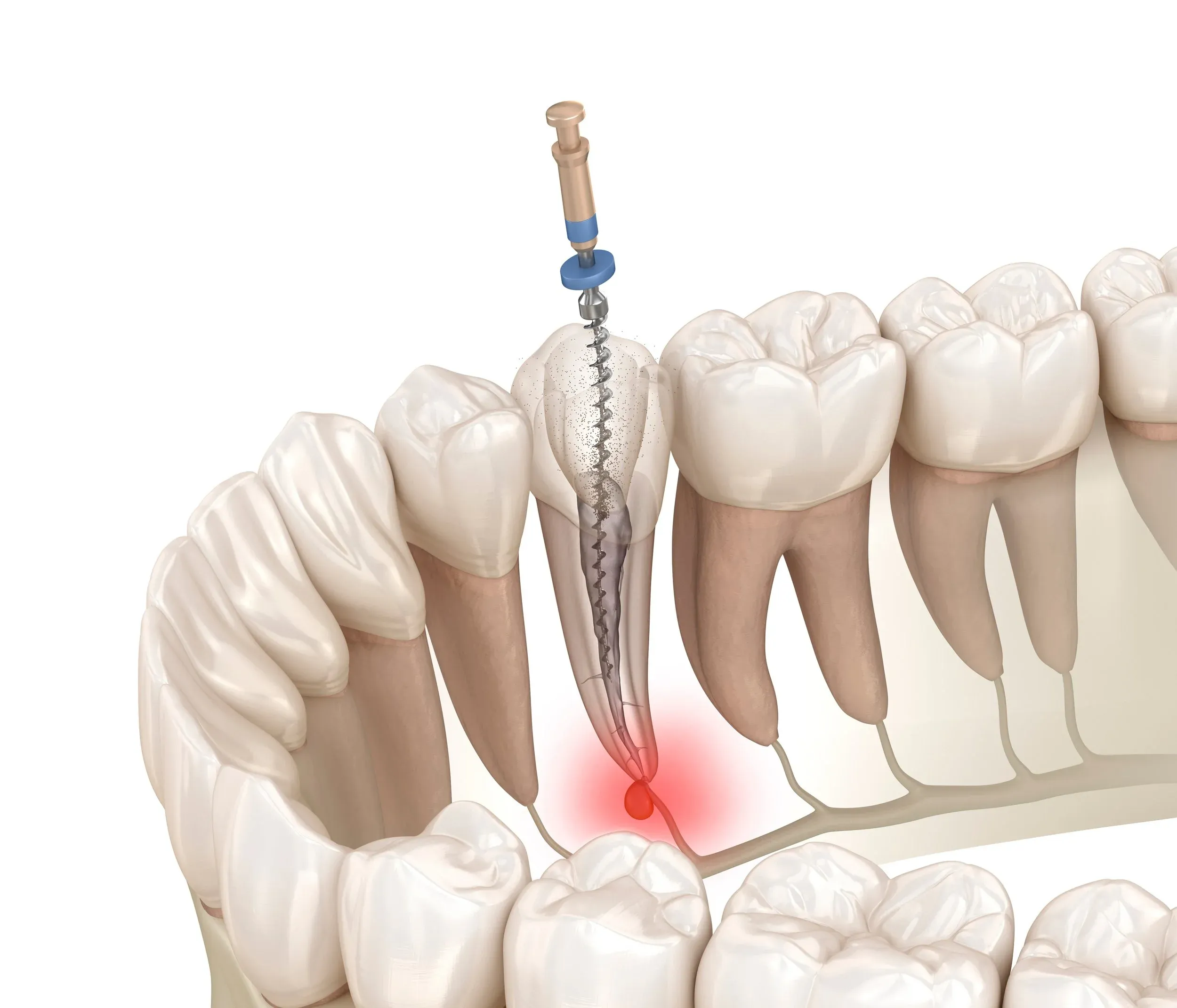
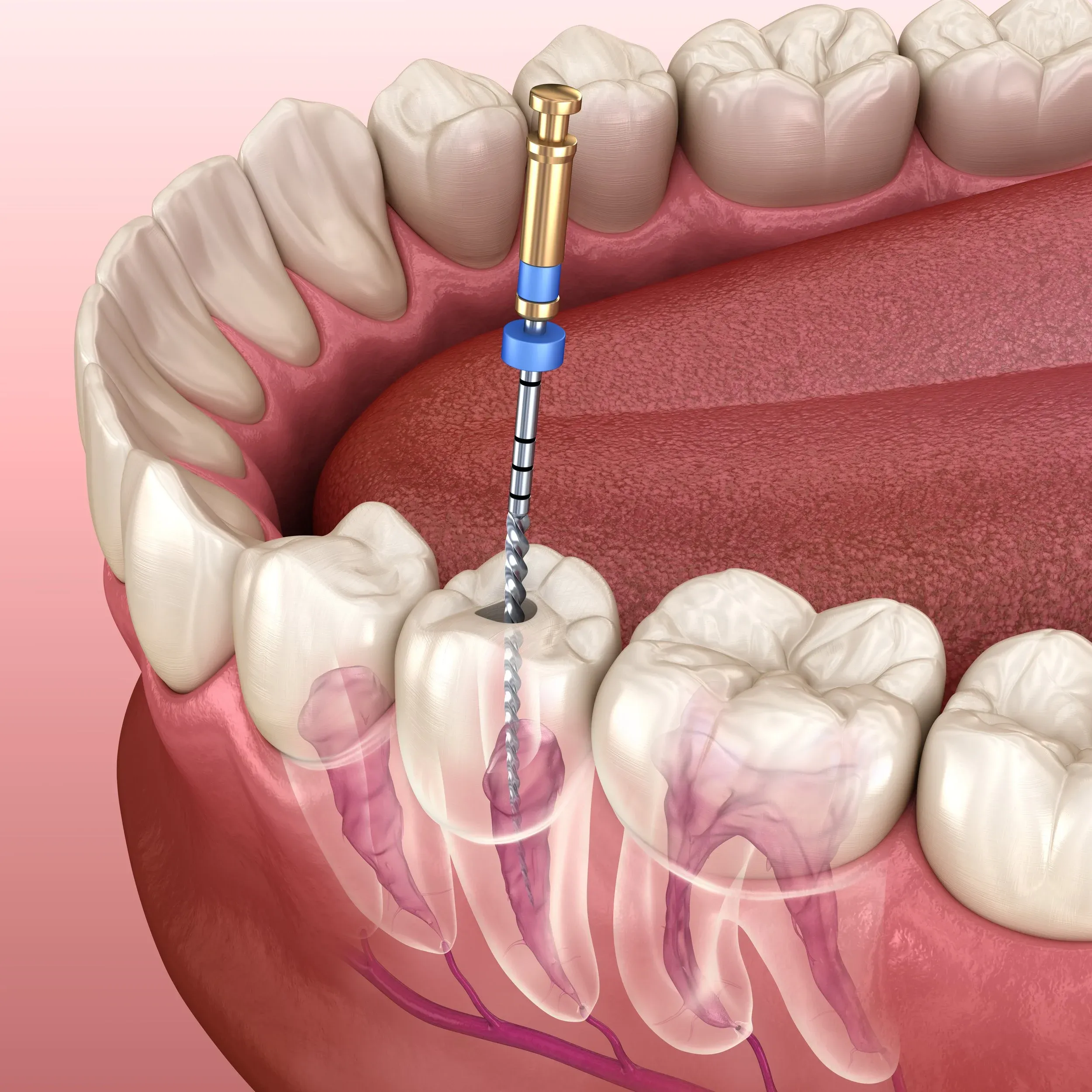
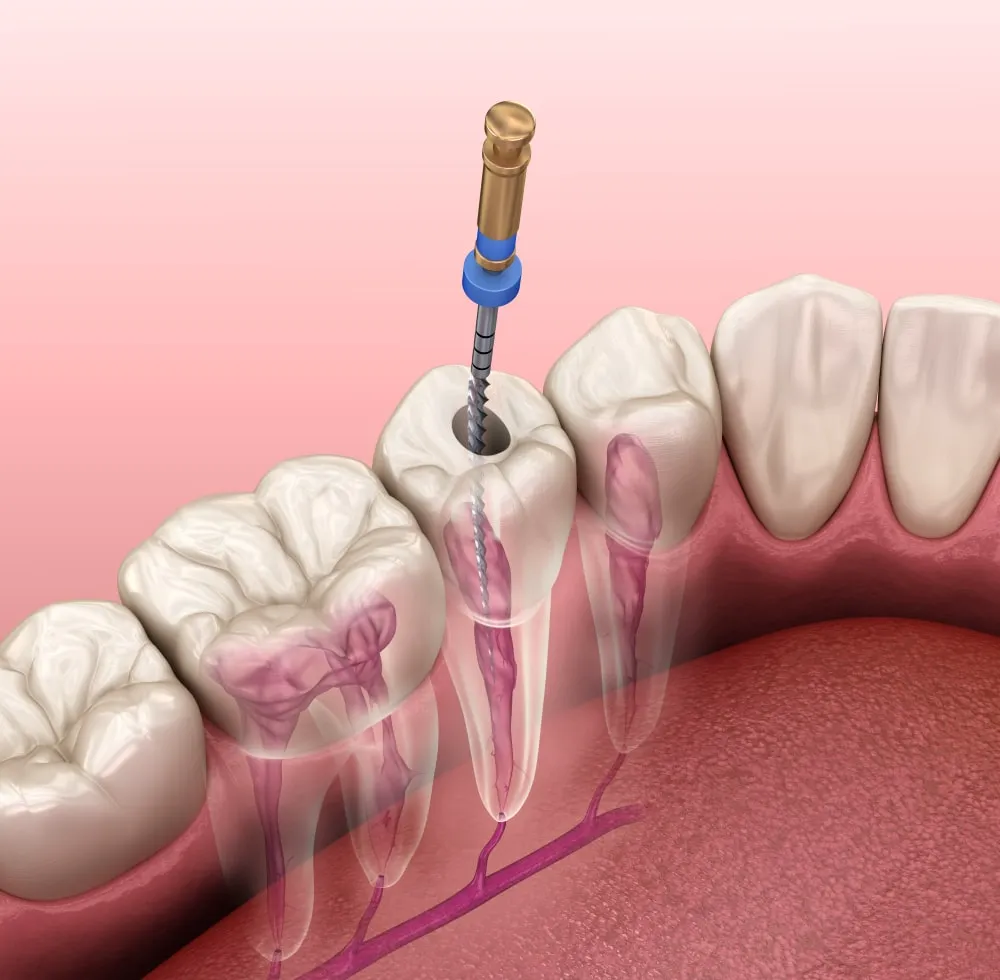
Once you’re numb, the dentist creates a small opening on the top of your tooth. Through this opening, they carefully remove the infected pulp along with bacteria and any decayed tissue. In Thailand, many dental clinics use modern rotary instruments that make this process efficient and precise.
After removing the pulp, the dentist cleans and disinfects the inside of the tooth thoroughly. A special antimicrobial solution is often used to ensure no bacteria remain. This cleaning stage is crucial for preventing further infection and ensuring the tooth remains healthy.
---
### Step 4: Shaping and Filling the Canal
After cleaning, the dentist shapes the root canals so they can be filled properly. They then use a biocompatible material — usually gutta-percha — to fill the canals and seal them. In Thailand, dentists follow international standards for these mat
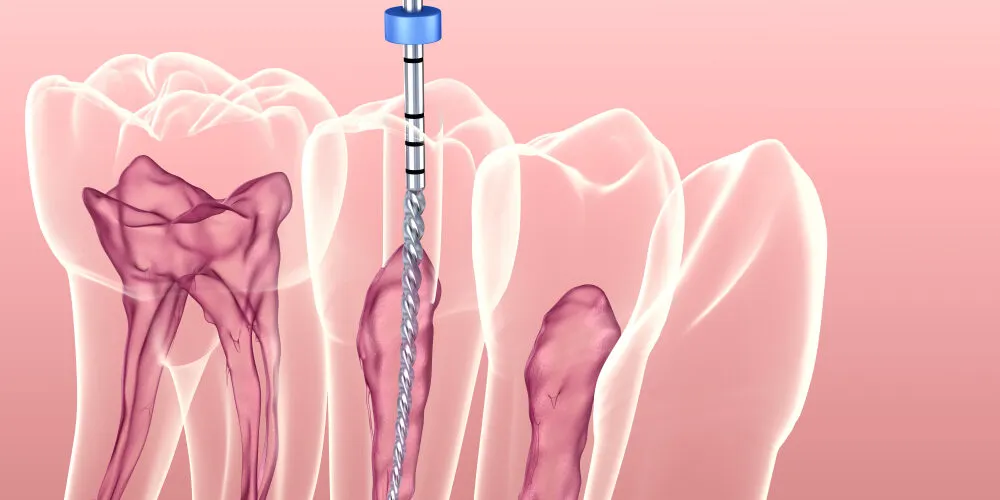
erials, ensuring safety and durability.
This filling prevents bacteria from re-entering and helps maintain the structural integrity of the tooth. In some cases, the dentist may place a temporary filling if additional appointments are required, such as when infection needs more time to fully clear.
---
### Step 5: Restoring Your Tooth
A tooth that has undergone a root canal often benefits from a crown to protect it from future damage. In Thailand, crowns can be made from different materials: porcelain fused to metal, all-ceramic, or zirconia. The choice depends on your budget and aesthetic preferences.
Your dentist will help you choose an option that suits your lifestyle and explain the differences in strength and appearance. Many clinics can create dental crowns relatively quickly, especially in bigger cities like Bangkok, Chiang Mai, and Phuket where advanced equipment is common.
---
### Aftercare and Recovery
After your root canal is complete, you may feel a little tenderness for a few days. In Thailand, dentists typically provide clear aftercare instructions, which can include avoiding chewing with the treated tooth until the permanent crown is fitted, taking prescribed medication, and practicing good oral hygiene.
You’ll be advised to brush twice daily, floss regularly, and attend follow-up visits to ensure healing is progressing well. If any unexpected swelling or discomfort occurs, contacting your clinic promptly is important — Thai dental professionals are known for being responsive and approachable.
---
### Costs and Value in Thailand
One reason many people choose Thailand for dental work, including root canals, is the relatively affordable cost compared to Western countries. Prices vary depending on the clinic, the complexity of the case, and whether you need a crown afterward. In private urban clinics, root canal treatments can cost significantly less while maintaining international-quality standards.
For visitors, it’s wise to check if the clinic has English-speaking dentists or staff. In major tourist areas, this is usually not an issue, and many clinics cater to international patients.
---
### Tips for a Smooth Experience
- **Choose a reputable clinic**: Look for clinics with positive reviews and experienced specialists.
- **Ask for a full breakdown**: Ensure you understand the costs upfront, including crown placement if needed.
- **Plan timing wisely**: Some treatments require multiple visits; if you’re travelling, schedule accordingly.
- **Maintain oral hygiene**: Proper care after treatment helps keep your tooth strong for years to come.
---
**Final Thoughts**
A root canal procedure in Thailand is not as intimidating as it may seem. With skilled dentists, modern technology, and patient-focused service, you can expect a smooth, painless process and a healthy restored tooth at the end.
Whether you’re a local resident or a dental tourist, knowing each step of the treatment can help you relax and trust the process. And with Thailand’s warm hospitality and professional care, you’ll likely walk away wondering why you ever worried in the first place.
 collect
Hospitals included




Products included
Suggested reads