Thailand Root Canal Treatment With Antibiotics
**Thailand Root Canal Treatment With Antibiotics**
When it comes to dental care in Thailand, one of the most common procedures patients undergo is a root canal. In local clinics from Bangkok to Chiang Mai, dentists often perform root canals to save teeth that would otherwise need to be removed. Many patients, especially international visitors and expats living in Thailand, are curious about how root canal treatment works here and whether antibiotics are part of the process.
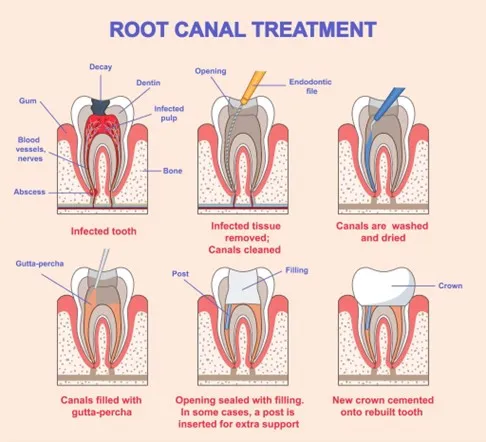
Root canal therapy is a procedure that removes infection from inside a tooth, usually from the root canals. The goal is to keep your natural tooth instead of replacing it with a bridge or implant. In Thailand, dentists take a professional yet friendly approach, often explaining each step in detail to make sure you feel comfortable before they start. Local dental practices tend to combine modern technology—such as digital X-rays and rotary tools—with a warm chairside manner common in Thai service culture.
### Why Root Canal Treatment May Need Antibiotics
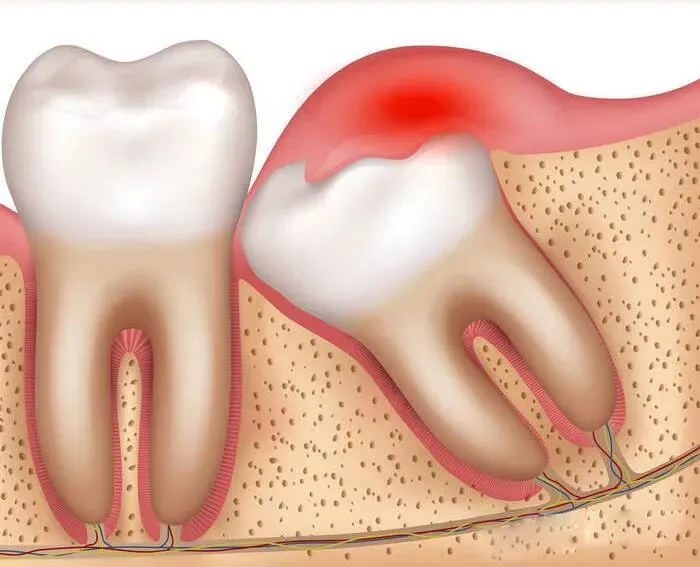
Antibiotics in Thailand are generally prescribed for dental patients when there’s evidence of spreading infection, facial swelling, or significant pain that cannot be immediately managed by the procedure alone. For example, if a tooth’s infection has reached the surrounding gum or jaw, your dentist may recommend antibiotics before or after the root canal to help control the bacteria.
Thai dentists follow global standards on antibiotic use but are also mindful of the country’s focus on reducing unnecessary medication. They won’t prescribe antibiotics for every root canal—only when clinically indicated. So, if your tooth has inflammation but not a severe infection beyond the pulp, you might go through the procedure without needing antibiotics.
In conversations here, dentists often refer to antibiotics by their common names, combined with clear explanations of how to take them. You might hear your dentist in Bangkok say, “We’ll give you some medicine to help reduce the swelling before your next visit.” The goal is to make patients feel at ease, even when technical dental terms are unfamiliar.
### The Root Canal Process in Thailand
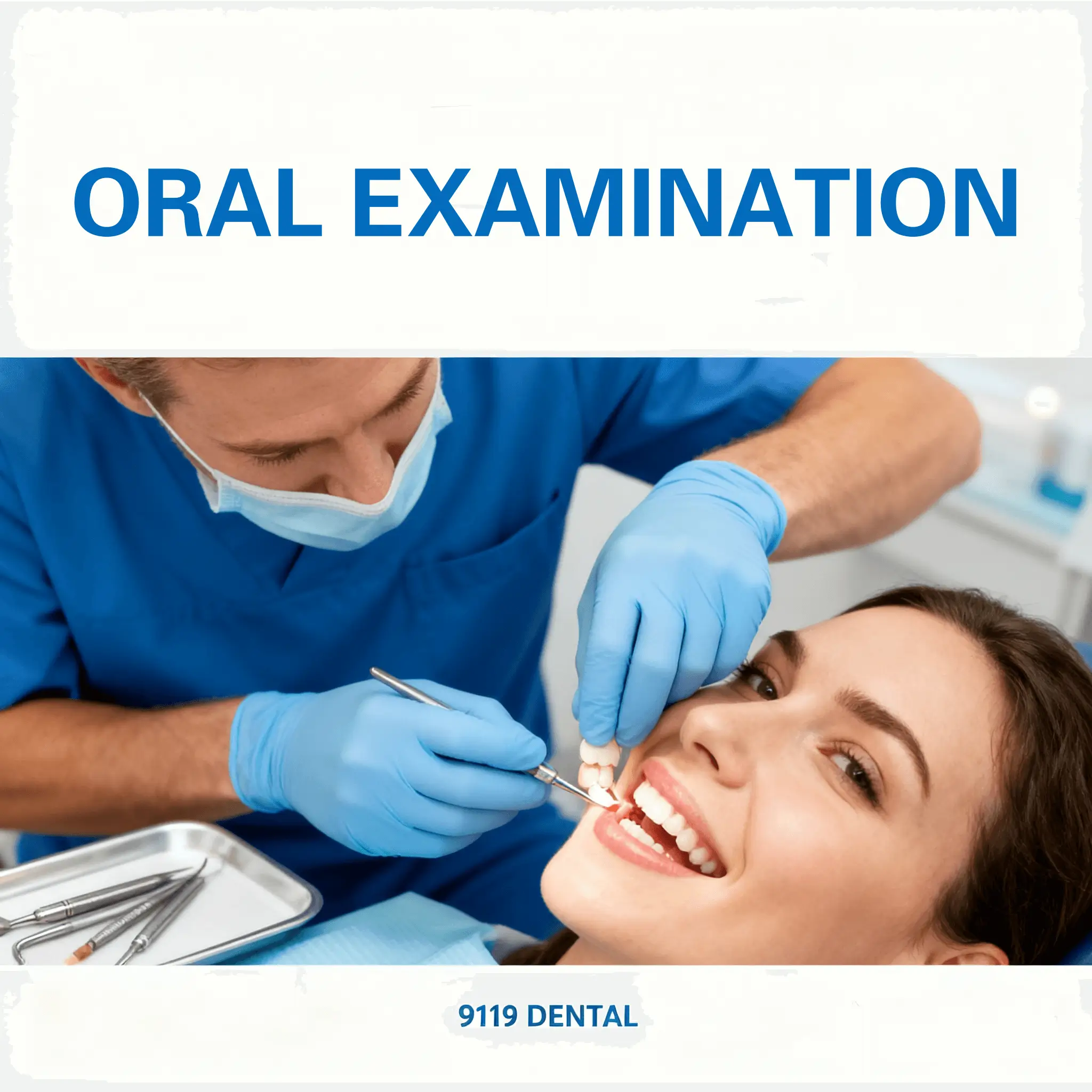
If you book a root canal at a dental clinic in Thailand, the process will likely begin with a thorough exam. Many clinics offer convenient appointment systems, sometimes even via LINE application, which is popular for communication in Thailand. You’ll have X-rays taken to assess the extent of damage, and the dentist will outline a treatment plan.
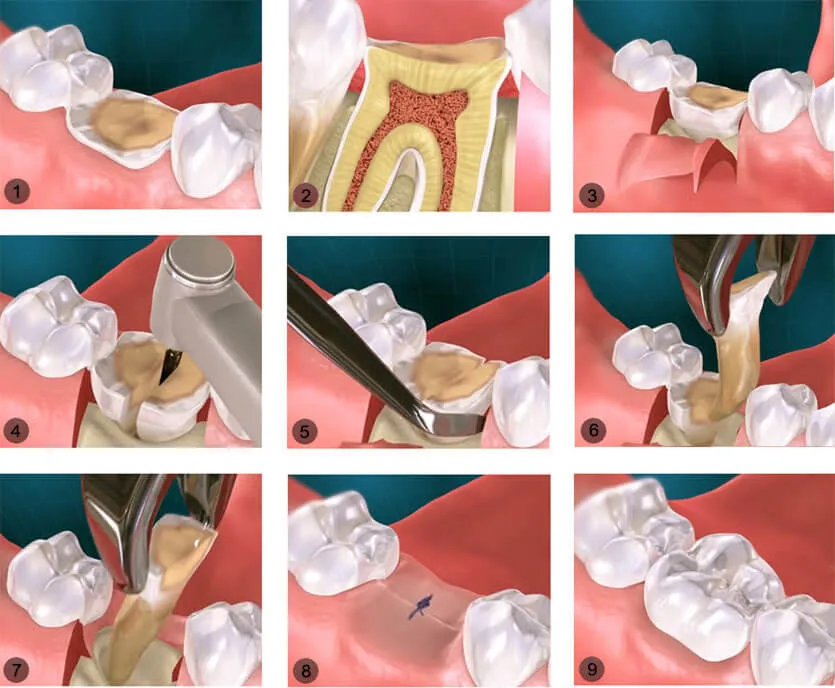
Once the root canal starts, local anesthesia ensures there’s minimal discomfort. The dentist will open the tooth, carefully clean out the infected material, and shape the inside of the canal. They then seal it with special filling material designed to prevent bacteria from re-entering. Depending on your case, more than one visit may be required.
If antibiotics are prescribed, they are usually given right before or after the main procedure. Thai dentists emphasize completing the full course of antibiotics—often reminding patients, “Don’
t stop halfway, even if you feel better.” This advice helps prevent the bacteria from surviving and causing issues later.
### Cost Considerations
One reason dental tourism is popular in Thailand is the combination of skilled dentists and affordable prices. A root canal here can range from about 5,000 to 10,000 Thai baht per tooth, depending on complexity and the type of tooth treated. Antibiotics are relatively inexpensive, and most clinics include them in the treatment quote when they’re needed.
For foreign patients, this price is noticeably lower compared to rates in Europe, Australia, or the United States, even when factoring in travel expenses. Many visitors combine their dental trip with a holiday, taking advantage of Thailand’s famous beaches, cuisine, and hospitality.
### Choosing the Right Clinic
If you’re considering root canal treatment in Thailand, it’s wise to choose a clinic with experienced endodontists or dentists who specialize in root canals. Checking online reviews, especially from international patients, can give you an idea of quality. In larger cities like Bangkok, Pattaya, and Phuket, you’ll find dental centers that cater to tourists and have English-speaking staff.
When calling ahead, don’t hesitate to ask about their approach to antibiotics and infection control. Thai dental professionals are used to these questions and will answer them without hesitation. Most clinics follow strict hygiene standards, often exceeding local requirements.
### Recovery and Aftercare
After a root canal, recovery time in Thailand is similar to anywhere else. You may experience mild soreness for a day or two, especially if antibiotics were required due to swelling or infection. Dentists here often recommend sticking to soft foods for a few days—popular local options include rice porridge (khao tom) or steamed fish.
Your dentist will set a follow-up appointment to ensure the tooth heals properly. In many cases, a permanent crown will be placed to protect the treated tooth from future damage.
If you’re an expat living in Thailand, keeping up with your regular dental visits is straightforward. Clinics in almost every major city offer reminder services, sometimes sending friendly messages through LINE in both Thai and English.
### Final Thoughts
Root canal treatment in Thailand is a practical, affordable, and well-managed option for dealing with severe tooth problems. Antibiotics may be part of the process if your infection is advanced, but they’re not given automatically. By consulting a qualified dentist and following their instructions closely, you’ll increase your chances of a comfortable recovery and long-term dental health.
Whether you’re a resident or visiting for dental care, the combination of professional standards and Thai hospitality makes the experience far less stressful than you might expect. With modern techniques, reasonable costs, and clear communication, Thailand has built a strong reputation for effective root canal treatments—including cases where antibiotics are necessary for your well-being.
 collect
Hospitals included



Products included
Suggested reads