Most Common Problems After Dental Implants and How to Avoid Them
Most Common Problems After Dental Implants and How to Avoid Them
**Most Common Problems After Dental Implants and How to Avoid Them**
Dental implants are becoming more and more popular in Thailand because they offer a long-lasting solution for missing teeth. Many people prefer implants over dentures since they look natural, feel comfortable, and allow you to eat without worrying. However, like any medical procedure, dental implants can sometimes come with problems if not done correctly or if proper care is not taken afterward. Understanding these common issues and how to avoid them can help ensure your new teeth stay strong and healthy for many years.
### 1. Gum Infection (Peri-implantitis)
One of the most common problems after dental implants is peri-implantitis, which is an infection around the implant. In Thailand, dentists often advise patients to keep the surrounding gum area clean because food particles and bacteria can easily attach to the implant surface. If the gum becomes swollen, red, or starts bleeding, it could be a sign of infection.
**How to avoid:**
- Practice good oral hygiene by brushing twice a day and flossing around the implant.
- Visit your dental clinic for regular check-ups so the dentist can clean areas that are hard to reach.
- Avoid smoking, as it reduces blood flow to the gums and makes infections more likely.
### 2. Implant Loosening or Failure
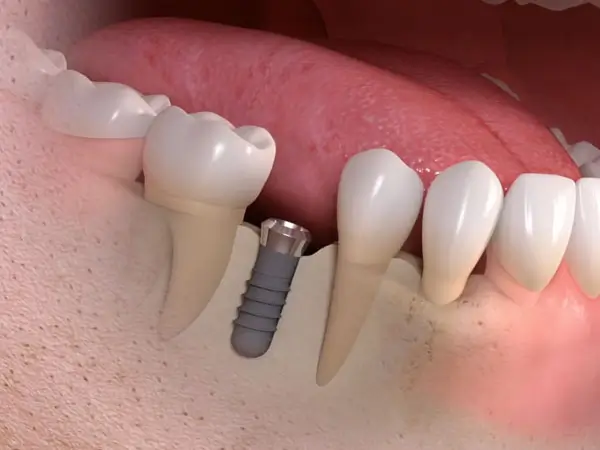
Although dental implants are made from strong materials like titanium, they still need proper bone support to stay secure. If the implant does not fuse properly with the jawbone—a process called osseointegration—it may become loose. This can happen if the bone is too weak or if too much biting pressure is applied before healing is complete.
**How to avoid:**
- Follow your dentist’s instructions about eating soft foods during the first few months.
- Avoid biting down on very hard foods such as crispy pork rinds or sticky Thai desserts like “khanom tan” until the implant is stable.
- Make sure your dentist checks the bone condition through X-rays before the procedure.
### 3. Gum Recession Around the Implant
Some patients notice that their gums start to shrink or pull back around the implant, exposing the metal below. This can affect the look of your smile and make cleaning more difficult. Gum recession may be caused by poor brushing technique, infection, or incorrect implant placement.
**How to avoid:**
- Use a soft-bristled toothbrush to avoid hurting the gums while cleaning.
- Make sure your dentist uses a proper placement technique, especially if your gums are thin.
- Keep your mouth hydrated and avoid excessive consumption of very spicy foods that may cause gum irritation.
### 4. Nerve Damage
Although rare, nerve damage can occur if the implant is placed too close to a nerve in the jaw. This could lead to numbness, tingling, or pain in the lips, chin, or tongue.
**How to avoid:**
- Choose a dentist with good experience in impl
ant surgery.
- Request a detailed 3D scan before the procedure to map out the nerve location accurately.
- If you feel unusual sensations after surgery, inform your dentist immediately.
### 5. Sinus Problems (For Upper Jaw Implants)
In cases where implants are placed in the upper jaw, they might be too close to the sinus cavity. This can sometimes lead to sinus infection or discomfort, especially if the implant disrupts the sinus lining.
**How to avoid:**
- If your bone height in the upper jaw is low, ask your dentist about a sinus lift procedure before implant placement.
- Ensure your dental clinic uses advanced imaging technology to avoid placement issues.
### 6. Excessive Swelling or Bruising
It is normal to have mild swelling after the surgery, but excessive swelling, bruising, or prolonged pain could suggest a problem. In Thailand’s hot and humid climate, swelling can feel even more uncomfortable.
**How to avoid:**
- Apply a cold pack on the outside of your cheek during the first 24 hours after the procedure.
- Eat cool, soft foods such as “khao niew mamuang” (mango sticky rice without hot coconut sauce) to stay comfortable.
- Keep yourself hydrated to help the body heal faster.
### 7. Difficulty in Speech or Chewing
Some patients may feel like their bite is different or that speaking feels unusual after getting dental implants. This is generally temporary while you get used to the new teeth, but if it lasts too long, it might mean the implant crown needs adjustment.
**How to avoid:**
- Discuss your bite and comfort level during follow-up visits so the dentist can make adjustments.
- Practice speaking at home by reading aloud to get used to the new teeth.
- Take your time when eating and chew gently at first.
### Why Choosing the Right Dentist is Important
Many post-implant problems can be prevented by choosing a skilled and well-trained dentist. In Thailand, reputable dental clinics often use advanced technology and follow strict hygiene standards, which greatly reduces risk. Look for clinics that have clear patient reviews, experienced implant specialists, and proper sterilization equipment.
### Final Tips for Long-Term Success
Dental implants can last a lifetime if cared for properly. Here are a few extra tips to keep in mind:
- Go for professional cleaning every 6 months.
- Avoid chewing ice or very hard snacks that can damage the crown.
- Maintain a balanced Thai diet rich in calcium, such as fish, leafy greens, and soy products.
- Control underlying health conditions like diabetes, which can slow healing.
By understanding the common problems after dental implants and taking preventive steps, you can enjoy the benefits of your new smile without unnecessary discomfort. With good care, regular check-ups, and a little attention to detail, dental implants can truly become a permanent and natural part of your lifestyle.