How to Know If Your Dental Implant Is Healing Properly
**How to Know If Your Dental Implant Is Healing Properly**
Getting a dental implant can be a life-changing decision, especially for those who want to restore their smile and confidence. In Thailand, dental implants have become increasingly popular not only among locals but also among international patients visiting for dental tourism. After the procedure, the most important part is the healing process – and knowing how your implant is progressing will help you protect your investment and avoid complications.
In this article, we’ll guide you through the signs of healthy healing, possible warning signals, and practical tips to support recovery so you can enjoy your new tooth for many years.
---
### **Understanding the Healing Process**
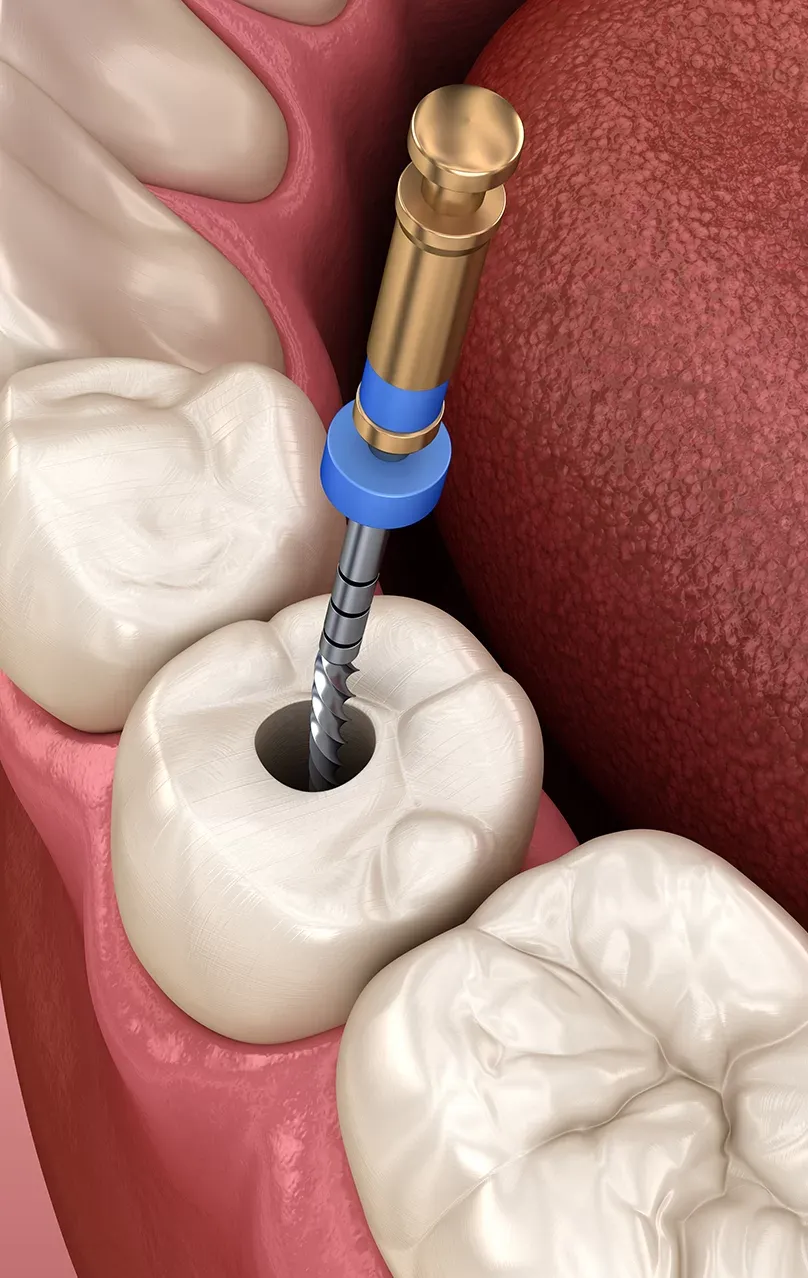
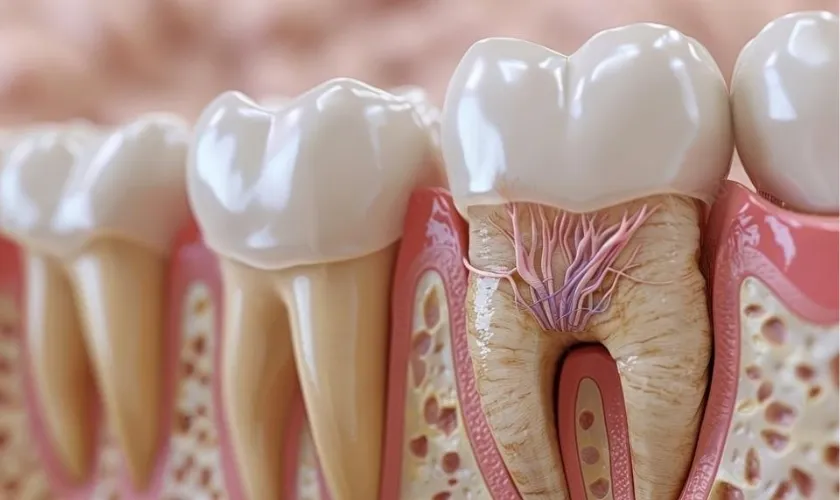
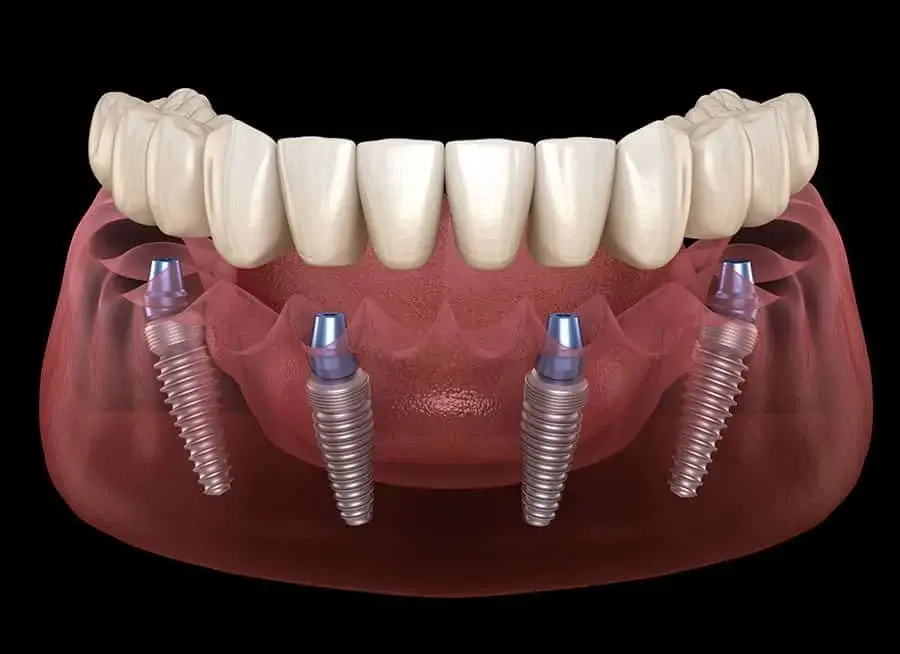
A dental implant involves placing a titanium post into the jawbone to act as the root of your new tooth. Healing is all about osseointegration – the bone bonding tightly to the implant. This process usually takes a few months, depending on your overall health, dental condition, and how well you follow aftercare instructions.
If you had your implant surgery in Bangkok, Chiang Mai, or Phuket, chances are your dentist gave you a clear recovery plan. Following it closely can make a big difference in how smoothly your implant heals.
---
### **Signs Your Dental Implant Is Healing Well**
#### **1. Minimal and Gradually Decreasing Discomfort**
After surgery, it’s normal to feel some pain or pressure around the implant site. In healthy healing, this discomfort should reduce day by day. Many people in Thailand say they can go back to light activities within a few days and resume eating soft local favourites like congee or steamed fish without much trouble.
#### **2. No Excessive Swelling or Redness**
Mild swelling may last for two or three days, but if your face or gums remain visibly swollen after a week, it might indicate a problem. Healthy gums around the implant should start looking pink and firm rather than red and inflamed.
#### **3. Stable Implant Feeling**
During recovery, your implant should feel solid and unmoving. If you notice any looseness or wiggling when chewing, it’s time to see your dentist immediately. A stable implant means the bone is bonding well.
#### **4. Gradual Improvement in Function**
As your gums and bone heal, eating and speaking should feel more natural. A good sign is being able to enjoy everyday food without unusual pain or difficulty – though you should still avoid biting on hard items like dried squid or roasted nuts until your dentist gives the green light.
---
### **Warning Signs That Require Attention**
Even with great care, it’s possible for an implant to face healing challenges. Don’t ignore these red flags:
- **Persistent Pain** – Pain that lasts longer than a week without improvement could signal infection or implant failure.
- **Continuous Bleeding** – Light bleeding can occur in the first 24 hours, but ongoing bleeding
is not normal.
- **Pus or Bad Taste** – Any sign of pus or foul taste in your mouth should be checked immediately.
- **Gum Recession** – If the gums around the implant look like they are shrinking away, it may affect the stability of your implant.
In Thailand, most dental clinics are accustomed to seeing patients for follow-up checks, so don’t hesitate to book an appointment if you notice anything unusual. Early action can save your implant.
---
### **Practical Tips to Support Healthy Healing**
#### **Follow Your Dentist’s Cleaning Instructions**
Using a soft toothbrush and special implant-friendly floss can prevent bacteria buildup. Thai dentists often recommend antibacterial mouthwash for the first week to keep the surgical site clean.
#### **Eat Soft and Nutritious Foods**
Opt for gentle, healthy meals like rice porridge with boiled egg, steamed tofu, or fruit smoothies. These are common in Thai diets and easy on healing gums. Avoid spicy or excessively hot dishes in the first few days, as they may irritate the area.
#### **Avoid Smoking and Excessive Alcohol**
Smoking delays healing by reducing blood flow to your gums, while too much alcohol can interfere with your body’s repair process. In fact, many Thai dental clinics will ask you to stop smoking at least two weeks before and after the procedure.
#### **Attend All Follow-up Appointments**
Your dentist needs to monitor osseointegration progress. Even if you feel fine, your implant still requires professional checks to ensure long-term success.
#### **Be Patient**
Healing is not an overnight thing – implants can take 3–6 months to fully integrate. Just like growing orchids or tending a Thai herb garden, your implant needs time and care to flourish.
---
### **Why Timely Healing Matters**
A well-healed implant means you can enjoy a strong, durable tooth that functions just like a natural one. In Thailand’s humid climate and with favourite foods often being rice-based or mildly sweet, a stable and clean implant can prevent gum disease and long-term dental issues. Healing also affects the aesthetics – nobody wants an implant that looks great but feels uncomfortable.
---
### **Final Thoughts**
Knowing whether your dental implant is healing properly is all about paying attention to your body and following professional guidance. Minimal discomfort, steady gum recovery, and the ability to return to normal eating and speaking are strong signs of success.
By keeping up with hygiene, eating suitable foods, and maintaining regular check-ups, you give your implant the best chance to last for many years – whether you’re enjoying your favourite Thai dishes, travelling, or simply smiling with confidence.
If at any point you feel something isn’t right, don’t wait. Consult your dentist straight away. In dental care, early attention is always better than late treatment, and the beautiful smile you’ve worked for deserves the very best care.
 collect
Hospitals included



Products included
Suggested reads