Dental Implant Maintenance Tips for Long-Term Success
Dental Implant Maintenance Tips for Long-Term Success
**Dental Implant Maintenance Tips for Long-Term Success**
Dental implants are becoming more popular in Thailand as a reliable solution for replacing missing teeth. They not only restore your smile but also improve chewing efficiency and overall oral health. However, just like natural teeth, dental implants require proper care to last for many years. Whether you had your dental implant done in Bangkok, Chiang Mai, or Phuket, maintaining it well is the key to long-term success. Here are practical tips to help keep your implant healthy and functional for years.
---
### **1. Practice Consistent Oral Hygiene**
Good oral hygiene is the foundation of implant longevity. Brush your teeth at least twice daily using a soft-bristled toothbrush. Pay extra attention to the area around your implant to prevent plaque buildup. In Thailand’s humid climate, bacteria can thrive more easily, so keeping your mouth clean is essential.
Use toothpaste with fluoride but avoid abrasive formulas that might scratch the implant’s surface. Floss daily with implant-friendly floss or an interdental brush to remove trapped food particles, especially sticky Thai foods like mango sticky rice or grilled meats.
---
### **2. Schedule Regular Dental Check-Ups**
Even if you feel your implant is fine, regular dental visits are crucial. Most dentists in Thailand recommend a check-up every six months. During these visits, your dentist can check for signs of inflammation, infection, or implant loosening.
Professional cleaning is also important since hard deposits (calculus) can form around implants and natural teeth. Having them removed by a dental hygienist ensures the implant and surrounding gums stay healthy.
---
### **3. Watch Your Diet**
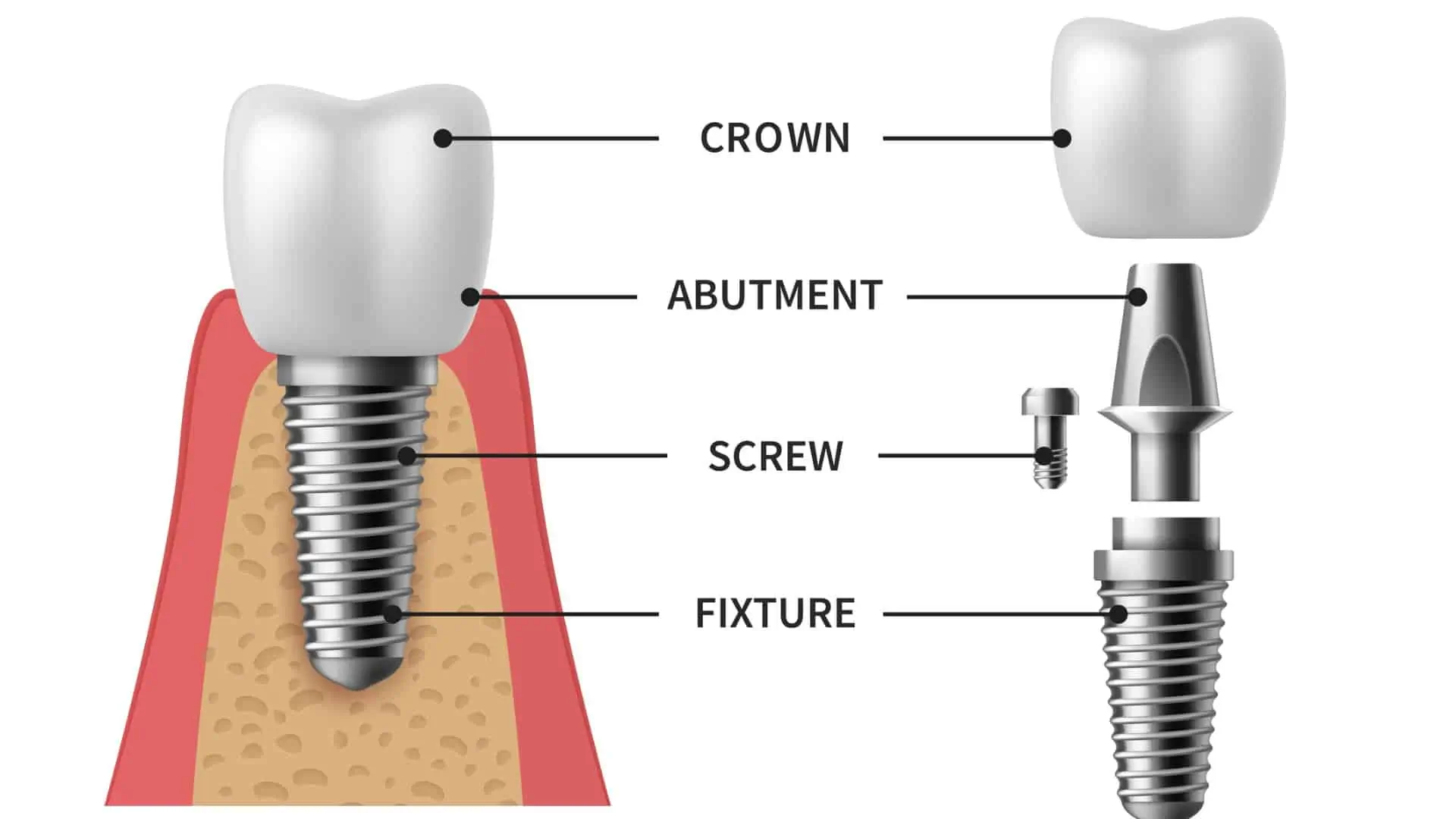
Thai cuisine is delicious, but certain foods can be challenging for implants. Avoid biting down on very hard foods such as dried shrimp, crispy pork skin, or ice cubes, as excessive force can damage the implant crown or loosen the abutment.
Try to include vitamin-rich vegetables like morning glory (pak boong) and fresh herbs, which promote gum health. Limiting sugary snacks and sweet drinks like Thai iced tea will help prevent bacterial growth around implants.
---
### **4. Protect Against Teeth Grinding**
If you grind your teeth at night—a condition known as bruxism—it can put extra pressure on your implant. This is common when people are stressed, and even in the relaxed Thai lifestyle, work or personal issues can lead to unconscious grinding.
Ask your dentist about a custom-made night guard. Wearing it while you sleep will cushion your implant and protect it from damage caused by grinding.
---
### **5. Avoid Smoking and Excessive Alcohol**
Smoking significantly reduces blood flow to the gums, making healing slower and increasing the risk of implant failure. In Thailand, where cigarettes and roll-your-own tobacco are still readily available, it’s crucial to be mindful of this habit.
Similarly, excessive alcohol can irritate gums and contribute to bone loss over time. Occasional social drinkin
g, such as enjoying a glass of wine with dinner, is generally fine if you maintain good oral hygiene, but moderation is key.
---
### **6. Maintain Healthy Gums**
Your implant relies on healthy gum tissue to stay stable. Inflammation or gum disease (peri-implantitis) can weaken the supporting bone structure. To keep gums healthy, massage them gently with a soft brush or use an antibacterial mouth rinse recommended by your dentist.
Many Thais also use herbal solutions like saltwater rinses, which can be beneficial if used correctly. Rinse daily after meals, especially if your diet includes spicy foods that can irritate gums.
---
### **7. Be Mindful of Physical Activities**
If you enjoy sports like Muay Thai, football, or cycling, wearing a mouthguard can protect your implant from accidental impact. Even in casual beach volleyball games in Phuket, unexpected hits to the jaw can damage implants and surrounding teeth.
---
### **8. Follow Your Dentist’s Advice After Surgery**
Immediately after implant placement, you should strictly follow the post-operative care instructions given by your dentist. In Thailand, many dental clinics provide a detailed aftercare booklet, including food restrictions and cleaning guidelines. Ignoring this advice during the healing phase can lead to complications that shorten the implant’s lifespan.
---
### **9. Monitor for Warning Signs**
Be alert for any unusual signs around your implant, such as swelling, bleeding, or discomfort when chewing. If you notice a change in your bite or feel that the implant is loose, contact your dentist immediately. Early intervention can save your implant and prevent further problems.
---
### **10. Combine Modern Care with Local Wisdom**
Thailand has a rich tradition of oral care, such as using herbal chewing sticks or rinsing with natural extracts. While these methods can be gentle and beneficial, always check with your dentist before incorporating them into your implant care routine. Combining modern dental techniques with the proven wisdom of local practices can enhance your long-term oral health.
---
**Final Thoughts**
Dental implants are a significant investment in your smile and confidence. With proper maintenance, they can last decades, giving you the freedom to enjoy all the flavours of Thai cuisine and the beauty of everyday life without worry.
By brushing and flossing daily, visiting your dentist regularly, eating responsibly, and protecting your mouth during physical activities, you can ensure that your dental implant remains strong and functional. Think of it as caring for a precious part of yourself—just like you maintain your health with nutritious food and exercise, your implant deserves the same attention.
In Thailand, people value a friendly smile, and with the right care, your dental implant will help you keep yours bright for years to come.
---
If you want, I can also prepare **meta title, meta description, and keywords** for this article so it ranks well on Google search results. Would you like me to do that next?