Foods You Should Avoid After Dental Implant Surgery

Foods You Should Avoid After Dental Implant Surgery
**Foods You Should Avoid After Dental Implant Surgery**
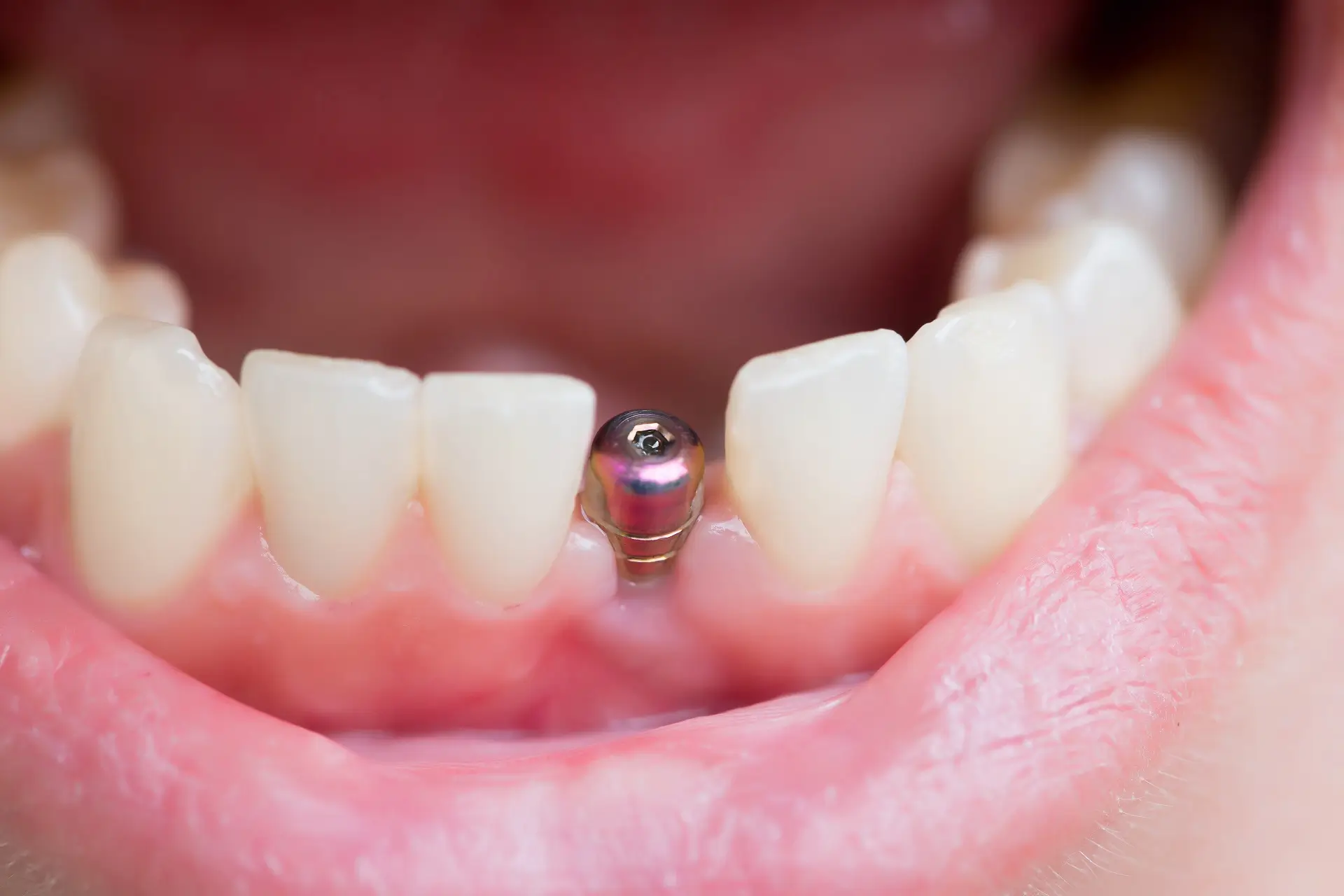
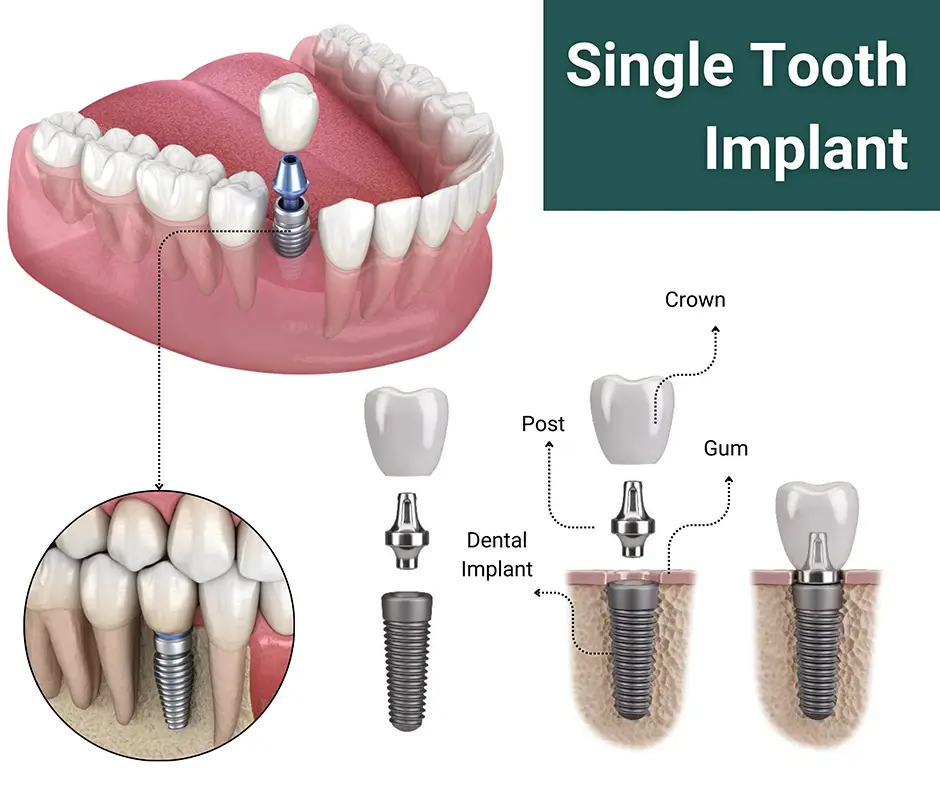
Getting dental implants is a big step toward improving your smile and oral health. In Thailand, more and more people are choosing implants because they look natural, feel comfortable, and can last for years with proper care. However, right after the surgery, one of the most important things you can do to ensure successful healing is to pay attention to what you eat. Your gums, jawbone, and the implant site need time to heal, and eating the wrong foods could slow down recovery or even harm the new implant.
If you’ve just had dental implant surgery, here’s a clear guide to the foods you should avoid—along with some simple explanations for why it’s better to steer clear of them.
---
### 1. **Hard and Crunchy Foods**
Right after surgery, your gums and jawbone are still very sensitive. Hard foods like nuts, raw carrots, dried squid, or crispy fried snacks require strong biting and chewing. This pressure can cause discomfort and may disturb the implant before it properly bonds with the bone. Even something as common as sticky rice that has hardened after cooling can be risky if it requires force to chew.
In Thailand, we love snacks like fried peanuts or crispy fish skin, but during recovery, it’s best to skip them. Opt for softer alternatives such as steamed pumpkin, ripe papaya, or boiled eggs instead.
---
### 2. **Sticky and Chewy Foods**
Foods that stick to your teeth or require heavy chewing can be problematic. Sticky pads and chewy candies can cling to your implant and irritate the healing gums. Thai sweets such as “khanom thuay” or chewy coconut desserts may taste amazing, but they can pull on the implant area and create unnecessary strain.
For the first few weeks, choose easy-to-chew snacks like soft tofu or gentle soups. This way, you satisfy your cravings without risking the stability of your new implant.
---
### 3. **Spicy Foods**
We all know spicy food is a big part of Thai cuisine—whether it’s green curry, som tam, or spicy tom yum. In the days after surgery, however, you should avoid heavily spiced dishes. Chili and certain herbs can cause irritation and inflammation in your gums, making the healing process more uncomfortable.
Your mouth may also be more sensitive to heat and spice than usual, and the sensation could trigger throbbing pain around the implant site. Try switching to mild versions of your favourite dishes for a short period, or use less chili than usual until you heal.
---
### 4. **Hot Foods and Drinks**
Heat can increase swelling and slow down recovery. Freshly brewed coffee, hot tea, or steaming noodle soup might seem comforting, but they can encourage bleeding at the implant site. Right after surgery, it’s better to let your drinks cool down before sipping, and eat lukewarm or room-temperature food.
You can still enjoy Thai staples like rice porridge, but make sure it’s warm, not piping hot.
---
### 5. **Alcoholic Beverages**
Alcohol can slow healing by affecting blood clot formation. It
can also interact negatively with any antibiotics or painkillers given by your dentist. Whether it’s beer, wine, or a cocktail, it’s safer to avoid alcohol for at least the first week or until your dentist says it’s fine.
Besides, alcohol can cause dry mouth, which isn’t good for the wound and might increase the risk of infection. Instead, drink plenty of clean water or natural juices without added sugar.
---
### 6. **Carbonated and Sugary Drinks**
Soft drinks, energy drinks, and sweetened iced teas can feed bacteria inside the mouth, increasing the chance of infection. Carbonation may also irritate sensitive gum tissue. If you feel like having something flavoured, try unsweetened herbal tea served cold, or coconut water, which many people in Thailand enjoy and find refreshing.
Cutting down on sugar is not only good for your implant recovery—its a healthy habit you can keep for life.
---
### 7. **Tough Meats**
Beef steak, grilled pork neck, or dried fish might be everyday favourites, but they take effort to chew and can strain your implant site. Until your jaw becomes more stable, you should go for tender proteins like steamed fish, minced chicken, or braised pork that has been cooked until soft.
A gentle Thai-style steamed fish with lime and garlic can still be delicious if you reduce the chili and make sure the flesh is tender.
---
### Recovery-Friendly Tips for Eating in Thailand
Changing eating habits after dental implant surgery may feel challenging, especially when you’re surrounded by so many tempting dishes. But remember, it’s only temporary. Focus on foods that are soft, easy to chew, and mild in flavour.
Some good options include:
- **Rice porridge (khao tom)** with minced pork or fish
- **Soft fruits** like ripe banana or papaya
- **Vegetable soups** with diced, well-cooked vegetables
- **Smoothies** made with blended fruit and yogurt
- **Scrambled or steamed eggs**, which are high in protein and easy to eat
Following your dentist’s guidance is crucial. Everyone heals at a slightly different pace, so dont rush back to hard or spicy foods just because you feel better. In Thailand’s warm climate, make sure you also drink enough water to stay hydrated, which helps healing and reduces swelling.
---
### Final Thoughts
Dental implant surgery is an investment in your smile and confidence. Protecting that investment means being mindful of what you eat during recovery. Avoiding hard, sticky, spicy, and extremely hot or sugary foods isn’t about depriving yourself—it’s about giving your mouth the best chance to heal quickly and successfully.
Once the healing period passes, you can gradually return to enjoying your favourite Thai dishes without worry. For now, think of your diet as part of the treatment. A few weeks of care can lead to a lifetime of happy smiles and strong teeth.
Following these tips will not only keep your new implants safe but also align with good oral health practices overall—something worth embracing no matter where you are in Thailand.